Herniated Disc From a Car Accident
Experiencing a car accident is jarring enough, but discovering you’ve sustained a serious injury like a herniated disc can throw your entire life into disarray. The sudden impact often leads to unexpected pain, mobility issues, and a mountain of questions about your health and how you’ll manage medical bills and recovery. This comprehensive guide will walk you through everything you need to know about herniated discs caused by car accidents, from understanding the injury itself to navigating the complexities of your claim.
Understanding Herniated Discs After a Car Accident
When you're involved in a car accident, especially one with a sudden jolt or significant force, your spine can take a serious hit. The discs that cushion your vertebrae are surprisingly delicate and vulnerable to the kind of extreme forces generated in a collision. It’s not just about whiplash in your neck; your entire spine can suffer.
What Exactly Is a Herniated Disc?
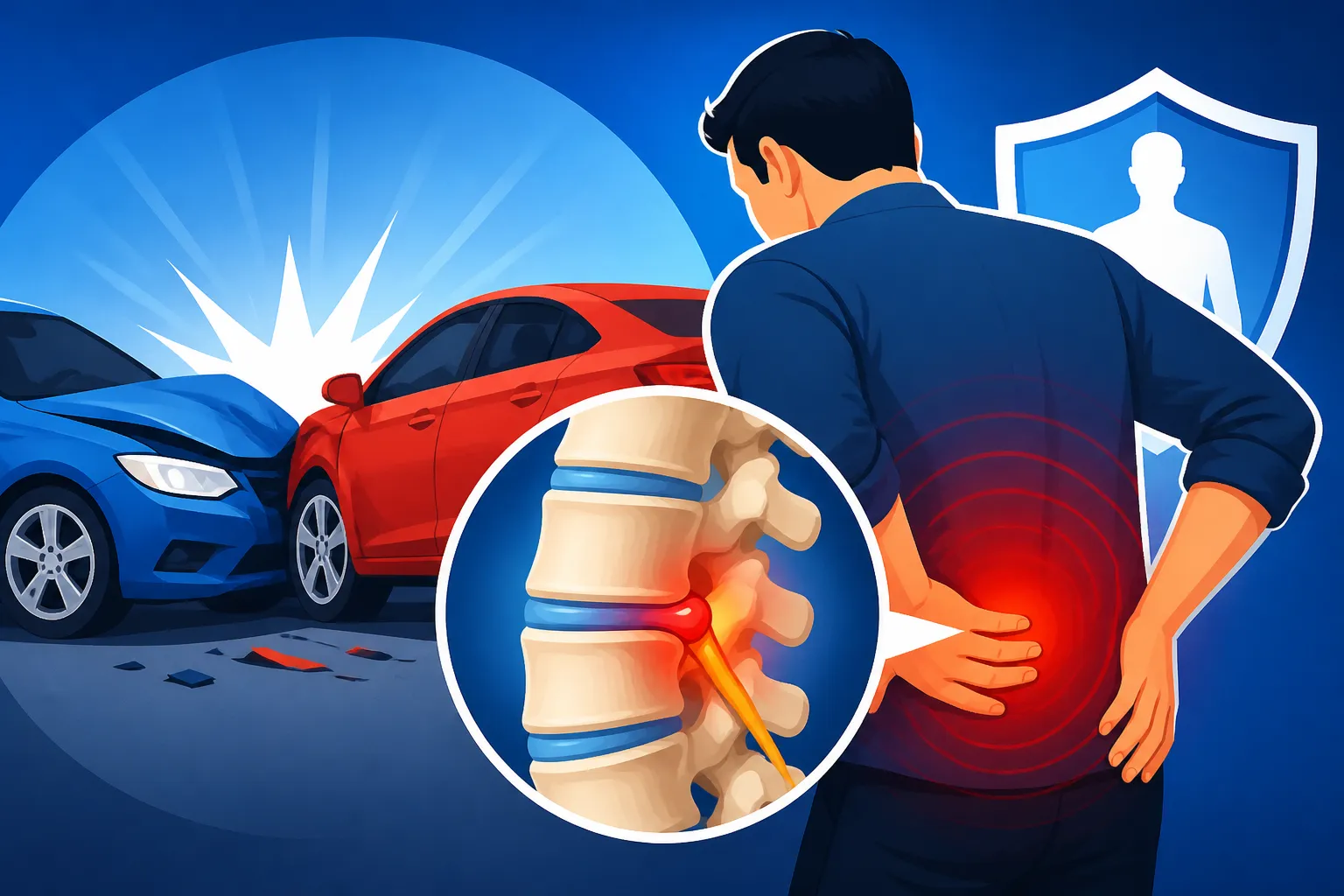
Imagine your spinal discs as tiny, jelly-filled donuts nestled between each bone in your spine, called vertebrae. Each disc has a tough outer layer, known as the annulus fibrosus, and a soft, gel-like center, the nucleus pulposus. These discs act as shock absorbers, allowing your spine to bend, twist, and flex, while also protecting your delicate spinal cord.
A herniated disc occurs when that tough outer layer tears or ruptures, allowing some of the soft inner "jelly" to push out. This displaced material can then press on nearby spinal nerves, leading to a cascade of painful and often debilitating symptoms. It's sometimes called a "slipped disc" or a "ruptured disc," but the medical term is herniation. The severity can vary greatly, from a minor bulge to a complete extrusion of the disc material.
How Car Accidents Cause Herniated Discs
Car accidents are a prime culprit for herniated discs because they often involve sudden, forceful movements that the spine isn't designed to handle. A sudden impact, like a rear-end collision or a T-bone accident, can whip your body forward, backward, or sideways with extreme velocity. This violent motion places immense pressure and torque on your spinal column.
Think about what happens in a typical rear-end collision. Your body is suddenly propelled forward against the seatbelt, then snaps back. This rapid acceleration and deceleration can compress and twist the spine beyond its normal range of motion. The discs, caught in this violent motion, can be squeezed, twisted, or stretched to the point of tearing. Even in seemingly minor accidents, the sheer g-forces can be enough to cause a disc to herniate. You might feel fine at first, only for symptoms to emerge later, highlighting the importance of understanding delayed injury symptoms after a car accident.
Common Locations for Disc Herniation
While a herniated disc can occur anywhere along your spine, certain areas are more prone to injury in a car accident due to their flexibility and the stress they endure. The two most common regions are the cervical spine (your neck) and the lumbar spine (your lower back).
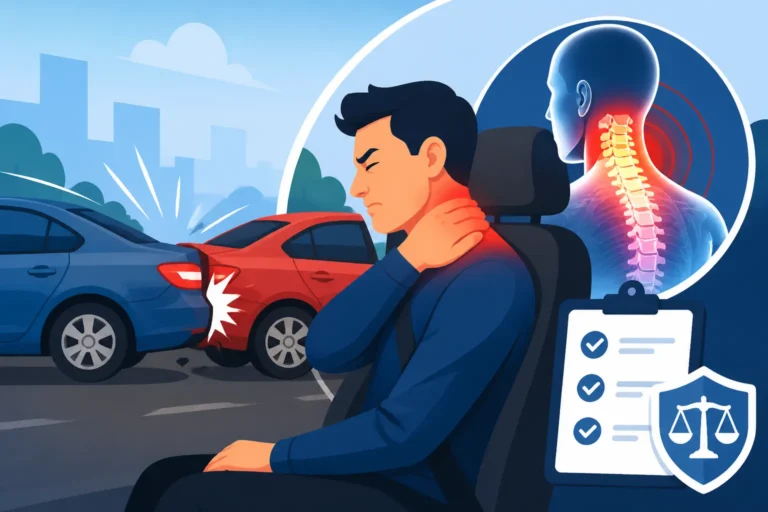
- Cervical Herniated Discs: The neck region is highly mobile, making it susceptible to whiplash-type injuries. When a disc in your neck herniates, the pain can radiate into your shoulders, arms, and hands. You might feel numbness, tingling, or weakness in these areas.
- Lumbar Herniated Discs: The lower back bears the brunt of your body weight and is a common site for disc injuries. A herniated disc in this region can lead to sciatica, where pain shoots down one leg, often accompanied by numbness, tingling, or weakness in the leg or foot. This can make walking, standing, or even sitting incredibly painful.
- Thoracic Herniated Discs: Though less common, herniated discs can also occur in the thoracic spine, the middle part of your back. Symptoms here might include pain in the chest or abdomen, or even nerve pain that wraps around to your ribs. These can be particularly tricky to diagnose due to their less frequent occurrence.
Recognizing the Symptoms of a Herniated Disc
One of the most frustrating aspects of a car accident injury is that symptoms don't always appear immediately. You might walk away from the scene feeling shaken but otherwise okay, only for severe pain to creep in days or even weeks later. This is incredibly common with herniated discs, and it's why seeking prompt medical attention is always advisable.
Immediate vs. Delayed Symptoms
It's a common misconception that if you're not in excruciating pain right after a crash, you're in the clear. With a herniated disc, this couldn't be further from the truth. The adrenaline rush from the accident can mask pain, and inflammation around the injury can take time to build up to a point where it compresses nerves.
- Immediate Symptoms: Some people do experience immediate, sharp pain at the site of the herniation, or a sudden onset of radiating pain, numbness, or weakness. This is often an indication of significant disc damage. They might also notice stiffness or difficulty moving their neck or back.
- Delayed Symptoms: Far more often, the pain and other symptoms associated with a herniated disc begin subtly and worsen over time. You might wake up a day or two after the accident with stiffness, which then progresses to persistent aching, tingling, or even a burning sensation. Over the next few days or weeks, these sensations can intensify, radiating down an arm or leg, making simple tasks like lifting a grocery bag or getting out of bed incredibly difficult. This delay can sometimes complicate proving causation when it comes to your claim, but a doctor's early diagnosis can still connect it to the accident.
Differentiating Symptoms by Location
The exact symptoms you experience will depend heavily on where the herniated disc is located and which nerves it's affecting. Understanding these differences can help you describe your pain more accurately to medical professionals.
| Location of Herniated Disc | Common Symptoms | Associated Nerve Root Issues |
|---|---|---|
| Cervical (Neck) | Neck pain, stiffness, muscle spasms, radiating pain into shoulder, arm, hand, or fingers; numbness, tingling, weakness in arm/hand. | C5, C6, C7, C8 nerve root compression. |
| Thoracic (Mid-Back) | Pain in the mid-back, chest, or abdomen; pain that wraps around the rib cage; numbness, tingling in chest/abdomen. | T1-T12 nerve root compression. Often less distinct radiating pain. |
| Lumbar (Lower Back) | Lower back pain, stiffness, muscle spasms, radiating pain (sciatica) down one leg to foot; numbness, tingling, weakness in leg/foot. | L4, L5, S1 nerve root compression (most common for sciatica). |
For example, if you have a cervical herniation, you might find yourself struggling to hold a coffee cup, experiencing a constant ache in your shoulder, or a peculiar "pins and needles" sensation in your fingers. With a lumbar herniation, the classic symptom is sciatica, a searing pain that shoots from your buttock down the back of your leg. This can be exacerbated by sitting or standing for too long. If you're experiencing symptoms like those described for back and spinal injuries from car accidents, it's crucial to seek medical advice.
Red Flags: When to Seek Urgent Medical Care
While all herniated disc symptoms warrant prompt medical evaluation, some signs indicate a more severe condition requiring immediate attention. These are often related to significant nerve compression or damage.
- Progressive Weakness: If you notice that your arm or leg is becoming progressively weaker, making it difficult to lift your foot, grasp objects, or maintain your balance, this could indicate worsening nerve damage.
- Loss of Sensation: Sudden or increasing numbness in a wider area, especially in the saddle region (buttocks, groin, inner thighs), can be a sign of a rare but serious condition called cauda equina syndrome, which requires emergency surgery to prevent permanent paralysis.
- Loss of Bowel or Bladder Control: This is another critical red flag for cauda equina syndrome. Any new onset of incontinence or difficulty urinating after a back injury demands immediate medical evaluation.
- Severe, Unrelenting Pain: Pain that doesn't subside with rest or over-the-counter medication and disrupts your sleep or daily activities is a sign that you need urgent medical intervention.
Never ignore these red flag symptoms. They can indicate permanent nerve damage if not addressed quickly. Even if you don't experience these severe signs, it's always recommended that you see a doctor after a car accident to ensure any hidden injuries are identified and treated.
Diagnosing a Herniated Disc
Getting an accurate diagnosis for a herniated disc after a car accident is paramount, not just for your physical recovery but also for building a strong car accident claim. Insurance companies often look for clear medical evidence to link your injuries directly to the collision.
Initial Medical Evaluation
Your journey to diagnosis usually begins with a visit to your primary care physician or an urgent care center, especially if you experience delayed symptoms. The doctor will start by taking a detailed medical history, asking about the accident, your symptoms, their onset, and any activities that worsen or relieve the pain. Don't underestimate the importance of documenting your injuries for your claim.
A thorough physical examination is next. This will typically involve:
- Neurological Exam: The doctor will check your reflexes, muscle strength in your arms and legs, and sensation (light touch, pinprick) to identify any areas of nerve impingement.
- Range of Motion Tests: They'll assess your ability to move your neck and back in different directions, noting any pain or limitations.
- Palpation: The doctor may gently press along your spine to pinpoint areas of tenderness or muscle spasm.
- Specific Maneuvers: They might have you perform certain movements, like the straight leg raise test for lumbar issues, to reproduce or intensify your symptoms, helping to localize the problem.
Based on this initial assessment, your doctor will determine if further diagnostic tests are necessary.
Imaging Tests and What They Show
While a physical exam can strongly suggest a herniated disc, imaging tests are crucial for confirming the diagnosis, pinpointing the exact location, and assessing the severity of the herniation.
- Magnetic Resonance Imaging (MRI): This is the gold standard for diagnosing herniated discs. An MRI uses powerful magnets and radio waves to create detailed images of soft tissues, including discs, nerves, and the spinal cord. It can clearly show if a disc is bulging, herniated, or pressing on a nerve root. This visual evidence is often critical in proving your injuries for a car accident claim.
- Computed Tomography (CT) Scan: While an MRI is better for soft tissues, a CT scan uses X-rays to create cross-sectional images of bones. It can be useful in ruling out fractures or other bony abnormalities, and it can sometimes show disc herniations, though less clearly than an MRI.
- X-rays: Standard X-rays don't show soft tissues like discs, but they are useful for ruling out other causes of pain, such as spinal fractures, dislocations, or degenerative changes that might be contributing to your symptoms. They can also show alignment issues in the spine.
It's not uncommon for minor disc bulges to show up on imaging in people without symptoms. Therefore, the imaging results must be correlated with your physical examination and symptoms for an accurate diagnosis.
Nerve Conduction Studies and Electromyography
Sometimes, doctors need more information about how your nerves are functioning, especially if the neurological exam shows significant weakness or numbness. This is where nerve conduction studies (NCS) and electromyography (EMG) come in.
- Nerve Conduction Study (NCS): This test measures how quickly electrical signals move through your nerves. Small electrodes are placed on your skin over the nerve, and a mild electrical current is applied. If the nerve is compressed by a herniated disc, the electrical signal might be slowed or blocked, indicating nerve damage.
- Electromyography (EMG): This test involves inserting a fine needle electrode directly into muscles to record their electrical activity. Healthy muscles show little electrical activity at rest, but with nerve damage, abnormal spontaneous activity might be observed. When you contract the muscle, the EMG can reveal patterns that indicate nerve impingement or damage.
These tests are typically performed by neurologists or physiatrists and can provide objective evidence of nerve damage caused by a herniated disc, which can be invaluable when you need to prove the other driver was at fault and the extent of your injuries.
Treatment Options for Herniated Discs
The good news is that most herniated discs, even those caused by car accidents, can improve with conservative treatment. Surgery is typically considered a last resort when less invasive methods haven't provided relief or if there are signs of severe nerve compression. The specific treatment plan will be tailored to your symptoms, the location and size of the herniation, and your overall health.
Conservative Treatments and Therapies
When you're dealing with the pain and limitations of a herniated disc, your doctor will almost always start with non-surgical approaches aimed at reducing pain, inflammation, and improving mobility.
- Rest and Activity Modification: Initially, limiting activities that aggravate your pain is crucial. However, prolonged bed rest is generally not recommended as it can lead to stiffness. Instead, doctors encourage gentle movement and avoiding heavy lifting, twisting, or prolonged sitting.
- Medications: Over-the-counter pain relievers like ibuprofen or naproxen can help manage mild pain and inflammation. For more severe pain, your doctor might prescribe muscle relaxants, oral corticosteroids to reduce inflammation, or neuropathic pain medications like gabapentin or pregabalin if nerve pain is prominent.
- Physical Therapy: This is a cornerstone of herniated disc treatment. A physical therapist will develop a personalized program that includes exercises to strengthen the muscles supporting your spine (core muscles), improve flexibility, and correct posture. Techniques like McKenzie exercises, traction, massage, and heat/cold therapy can also be employed to reduce pain and facilitate healing. Consistency with physical therapy is vital for recovery and can significantly influence your overall prognosis.
- Chiropractic Care: Some patients find relief through chiropractic adjustments, which aim to restore proper spinal alignment. It's important to discuss this option with your doctor to ensure it's appropriate for your specific herniation.
These conservative methods often require patience and commitment, but they can be incredibly effective in helping your body heal naturally.
Injections and Minimally Invasive Procedures
If conservative treatments don't provide sufficient relief after several weeks or months, your doctor might recommend injections or other minimally invasive procedures. These approaches aim to reduce inflammation or remove pressure from the affected nerve root.
- Epidural Steroid Injections (ESIs): These injections deliver powerful anti-inflammatory corticosteroids directly into the epidural space around the spinal nerves. ESIs can significantly reduce nerve root inflammation and pain, providing a window of relief that allows you to participate more effectively in physical therapy. The effects are temporary, usually lasting a few weeks to several months, and they are typically limited to a few injections per year.
- Nerve Root Blocks: Similar to ESIs, a nerve root block targets a specific nerve root with a steroid and local anesthetic to reduce inflammation and pain. These can also be diagnostic, helping to confirm which nerve is causing the problem.
- Radiofrequency Ablation (RFA): If pain originates from specific nerves (like facet joint nerves) rather than directly from the disc compressing a nerve root, RFA might be considered. This procedure uses heat generated by radio waves to destroy the nerve fibers that send pain signals to the brain.
- Percutaneous Discectomy/Decompression: For certain types of disc herniations, minimally invasive procedures can remove a small portion of the disc material that is pressing on the nerve. These procedures involve small incisions and specialized instruments, often resulting in quicker recovery times than traditional open surgery.
These interventions are often considered when pain is chronic and significantly impacts your quality of life, but before resorting to more extensive surgery.
Surgical Interventions: When They Become Necessary
Surgery for a herniated disc is generally reserved for cases where conservative treatments have failed, or when there are signs of progressive neurological deficits (like worsening weakness or bowel/bladder dysfunction), or intractable pain. The goal of surgery is to remove the portion of the disc that is compressing the nerve.
- Microdiscectomy: This is the most common surgical procedure for a herniated disc. It's a minimally invasive surgery performed under magnification (with a microscope or endoscope). The surgeon makes a small incision, gently moves muscles aside, and removes the herniated disc fragment that is pressing on the nerve root. Recovery is generally quicker than traditional open surgery, with many patients going home the same day or the next.
- Laminectomy/Laminotomy: In some cases, a small part of the vertebral bone (lamina) might need to be removed (laminectomy) or partially removed (laminotomy) to create more space for the nerves and relieve pressure. This is often performed in conjunction with a discectomy.
- Spinal Fusion: This is a more extensive surgery performed when there is significant spinal instability or if multiple previous surgeries have failed. During fusion, two or more vertebrae are permanently joined together using bone grafts, screws, and rods. This eliminates movement between the fused vertebrae, which can reduce pain but also restricts some flexibility. This is generally considered a major procedure with a longer and more complex recovery.
- Artificial Disc Replacement: For select patients, particularly those with a single damaged disc in the neck or lower back and no significant arthritis, artificial disc replacement may be an option. This procedure replaces the damaged disc with an artificial one, aiming to preserve spinal motion, unlike fusion.
The decision to undergo surgery is a significant one and should be made after careful consideration and discussion with your spinal surgeon, weighing the potential benefits against the risks and recovery time.
Navigating Your Car Accident Claim with a Herniated Disc Injury
A herniated disc isn't just a physical challenge; it often comes with a significant financial burden due to medical treatments, lost wages, and pain and suffering. Navigating a car accident claim when you have this type of injury can be complex, and it’s important to understand how to protect your rights and ensure you receive fair compensation.
Documenting Your Injuries for Your Claim
Thorough documentation is the bedrock of any successful car accident claim, especially with an injury as serious as a herniated disc. Without clear records, it becomes challenging to link your injury directly to the accident and prove the extent of your damages.
- Medical Records are Key: Every doctor's visit, every diagnostic test (MRI reports, X-rays), every prescription, and every physical therapy session needs to be meticulously documented. These records serve as objective proof of your injury, its diagnosis, and the treatment you've received. Ensure your doctors clearly state that your herniated disc is a result of the car accident. If you're wondering how medical records prove your injuries, they provide the undeniable evidence.
- Keep a Pain Journal: Beyond medical records, keeping a detailed personal journal of your pain levels, symptoms, limitations, and how the injury impacts your daily life can be incredibly powerful. Note when the pain is worse, what activities you can no longer do, and any emotional distress you're experiencing. This personal account helps paint a comprehensive picture of your suffering.
- Lost Wage Documentation: If your injury prevents you from working, collect pay stubs, employment records, and a letter from your employer confirming your time off. This is essential for claiming lost wages in a settlement.
- Track All Expenses: Keep receipts for all accident-related expenses, including co-pays, prescription costs, over-the-counter medications, medical devices (like braces or special pillows), transportation to appointments, and even household help you needed because of your injury.
The more detailed your documentation, the stronger your position when dealing with insurance adjusters or, if necessary, pursuing a lawsuit.
Proving Causation: Linking the Accident to Your Injury
One of the biggest hurdles in a car accident claim involving a herniated disc is proving that the accident caused the injury. Insurance companies often try to argue that your disc herniation was a pre-existing condition or a result of normal aging, rather than the collision.
- Medical Expert Opinions: Your treating physicians are your most important allies here. Their medical opinions, especially from specialists like orthopedists or neurologists, are crucial. They can provide detailed reports explaining how the forces of the accident are consistent with the type and location of your herniated disc.
- Absence of Prior Symptoms: If you had no prior history of back or neck pain or symptoms related to a herniated disc before the accident, this significantly strengthens your case. Your medical history before the crash will be scrutinized, so be honest and thorough with your doctors about any previous issues.
- Timeline of Symptoms: The timeline between the accident and the onset of your symptoms, even if delayed, is vital. While immediate pain is ideal, doctors understand that delayed injury symptoms after a car accident are common, and a clear medical record showing symptom development soon after the crash helps establish the link.
- Accident Reconstruction (in severe cases): For very complex or high-stakes cases, accident reconstruction experts can analyze the forces involved in the collision to demonstrate how they could have caused your specific spinal injury.
Proving causation requires diligent effort and consistent medical care. This is also where a knowledgeable car accident attorney can be incredibly helpful in gathering the right evidence and presenting it effectively.
Understanding Damages: Economic and Non-Economic Losses
When you have a herniated disc from a car accident, your claim isn't just about getting your car fixed. It's about recovering all the damages you've suffered, which typically fall into two main categories: economic and non-economic.
- Economic Damages: These are the quantifiable financial losses directly resulting from your injury.
- Medical Expenses: This includes past medical bills (ER visits, doctor appointments, MRI scans, physical therapy, medications, injections, surgery) and future medical expenses, which can be substantial if you need ongoing care or future surgery.
- Lost Wages: This covers any income you've lost due to being unable to work, or if your injury has forced you into a lower-paying job.
- Loss of Earning Capacity: If your herniated disc causes long-term disability or limits your ability to perform your job at the same level, you can claim for the reduction in your future earning potential.
- Property Damage: This covers the cost to repair or replace your vehicle.
- Other Out-of-Pocket Expenses: This includes things like transportation costs to medical appointments, adaptive equipment, and even household services you couldn't perform yourself.
- Non-Economic Damages: These are more subjective and compensate you for the intangible losses you've experienced due to your injury.
- Pain and Suffering: This is a major component for serious injuries like herniated discs. It compensates you for the physical pain, discomfort, and emotional distress you've endured. The severity and duration of your pain, the impact on your daily life, and the invasiveness of treatments (like surgery) all contribute to this calculation. Understanding pain and suffering damages: what they cover is essential for a fair settlement.
- Emotional Distress: Beyond physical pain, the psychological toll of a serious injury—anxiety, depression, fear, loss of enjoyment of life—can be significant.
- Loss of Consortium: If your injury impacts your relationship with your spouse, they may be able to claim for the loss of companionship, affection, and services.
The value of your car accident settlement is influenced by many factors, and a herniated disc, especially one requiring surgery, can significantly increase the potential compensation due to its profound impact on your life.
The Long-Term Impact of a Herniated Disc
A herniated disc isn't always a short-term issue that resolves completely after a few weeks of physical therapy. For many car accident victims, it can become a chronic condition with lasting effects on their health, lifestyle, and overall well-being. Understanding these potential long-term impacts is important for both your recovery and your claim for future damages.
Chronic Pain and Lifestyle Adjustments
One of the most debilitating long-term consequences of a herniated disc is chronic pain. Even after initial treatment, some individuals continue to experience persistent aching, stiffness, or radiating pain, especially if the nerve compression caused some permanent damage. This chronic pain can lead to a host of secondary issues.
- Daily Life Limitations: Simple activities that were once taken for granted, such as lifting children, gardening, exercising, or even sitting comfortably for extended periods, can become difficult or impossible. This can severely limit one's quality of life and lead to feelings of frustration and isolation.
- Mental Health Impact: Living with chronic pain can take a serious toll on mental health, often leading to depression, anxiety, and sleep disturbances. The constant discomfort and inability to participate in enjoyable activities can significantly diminish one's mood and outlook.
- Work Modifications: For those with physically demanding jobs, a chronic herniated disc might necessitate a change in career, reduced work hours, or modifications to their work environment. Even office workers might struggle with prolonged sitting or certain postures. This can lead to a long-term loss of earning capacity.
These adjustments are not merely inconveniences; they represent fundamental changes to a person's life that should be accounted for in a car accident settlement.
Potential for Re-injury and Degenerative Changes
Once a disc has been herniated, it is inherently weaker and more susceptible to re-injury. Even after successful treatment or surgery, the disc may never fully regain its original strength and resilience.
- Increased Vulnerability: Everyday movements or even minor stresses that wouldn't affect a healthy disc can potentially cause a re-herniation or aggravate the existing injury. This often means living with a constant awareness of one's body mechanics and being careful with lifting, bending, and twisting.
- Accelerated Degenerative Disc Disease: A significant trauma like a car accident can accelerate the natural degenerative process of the spine. The damaged disc may continue to lose height and elasticity over time, leading to degenerative disc disease, which can cause chronic pain, stiffness, and further nerve compression. This can necessitate future medical care and even additional surgeries down the line.
- Adjacent Segment Disease: For those who undergo spinal fusion surgery, the vertebrae above and below the fused segment are subjected to increased stress and motion. This can lead to accelerated wear and tear on these adjacent discs, potentially causing new herniations or degenerative changes that require further treatment.
These possibilities underscore why it's crucial to consider the long-term prognosis when assessing the full scope of damages in a car accident claim.
Ongoing Medical Needs and Future Care
A herniated disc often means a lifelong commitment to managing spinal health. Even after reaching maximum medical improvement (MMI), a point where your condition is not expected to improve further, you may still have ongoing medical needs.
- Follow-Up Appointments: Regular check-ups with your spine specialist or physical therapist may be necessary to monitor your condition, manage symptoms, and ensure you maintain strength and flexibility.
- Maintenance Therapies: Many individuals find that ongoing physical therapy, chiropractic adjustments, massage therapy, or even acupuncture are essential for managing chronic pain and preventing flare-ups.
- Pain Management: For those with persistent chronic pain, a pain management specialist might be needed to explore options like long-term medication management, nerve blocks, or other interventional procedures.
- Future Surgeries: While not a certainty, the possibility of needing future surgeries, either for the same disc or for adjacent segments, remains a concern for many. These potential future medical expenses are a critical component of any comprehensive settlement.
When calculating how much your car accident settlement is worth, it’s vital to account for these ongoing and future medical needs, as they can represent a significant financial burden over a lifetime. This is why it’s never a good idea to rush into a quick settlement offer before you fully understand the long-term implications of your herniated disc.
Disclaimer
Please remember that this article provides general information and insights into car accident claims and herniated discs. It is not a substitute for professional medical or legal advice. Every accident and injury is unique, and you should always consult with a qualified medical professional for diagnosis and treatment, and a personal injury attorney for advice regarding your specific legal situation.