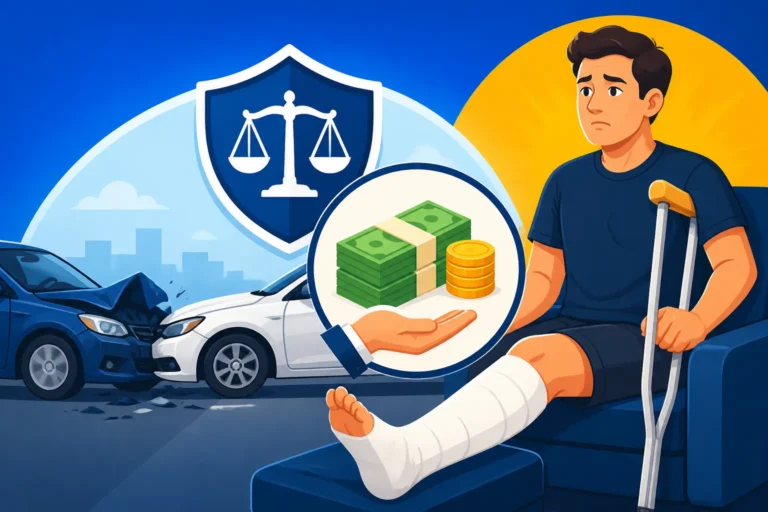
Average Car Accident Settlement in Mississippi
Getting into a car accident in Mississippi can feel like hitting a brick wall, not just physically, but emotionally and financially too. You're left with a damaged vehicle, potential injuries, and a mountain of questions, often wondering, "How much is this going to cost me, or more importantly, what kind of settlement can I expect?" This guide aims to pull back the curtain on car accident settlements in Mississippi, helping you understand the complex factors that truly determine what your claim might be worth, so you can navigate this challenging time with more confidence.
Understanding Car Accident Settlements in Mississippi
When you're dealing with the aftermath of a car accident, the idea of an "average" settlement can be really appealing. You just want a number, something concrete to cling to amidst all the uncertainty. However, the truth is, pinpointing a true "average" car accident settlement in a state like Mississippi is incredibly difficult, and honestly, a bit misleading. Every single accident is a unique snowflake, with its own specific circumstances, injuries, and financial impacts. What might be "average" for a fender-bender with minor soft tissue injuries is vastly different from an average for a crash involving a broken bone or significant property damage.
Instead of looking for a mythical average, it's far more productive to understand the legal framework and the variables that will influence your specific outcome. This knowledge empowers you to approach your claim with realistic expectations and to advocate for fair compensation. The legal landscape in Mississippi plays a huge role here, especially when it comes to determining who is responsible and how much they might owe.
Mississippi's Fault System
Mississippi operates under an "at-fault" or "tort" insurance system. This means that the person who causes the accident is generally responsible for paying for the damages and injuries of the other parties involved. This isn't like a "no-fault" state where your own insurance pays for your medical bills regardless of who caused the crash. In Mississippi, proving the other driver's fault is a critical first step in seeking compensation.
This fault determination can be complex, often relying on police reports, witness statements, photographic evidence, and even accident reconstruction. Insurance companies will conduct their own investigations to figure out exactly Who Is at Fault in a Car Accident? Complete Guide (2027). It’s not always a clear-cut case, and sometimes fault can be shared, which brings us to another crucial aspect of Mississippi law: comparative negligence. Understanding this system is fundamental to knowing how your potential settlement might be affected.
The Concept of "Average" and Why It's Misleading
Let's be brutally honest: there's no single, reliable "average" settlement figure that applies to all car accidents in Mississippi. Anyone who gives you one is likely oversimplifying a highly intricate process. Think about it: a minor rear-end collision on a quiet street with no injuries will have a vastly different payout than a serious multi-car pileup on I-55 in Jackson, resulting in multiple hospitalizations.
The term "average" often lumps together everything from minor property damage claims to catastrophic injury cases, skewing the numbers dramatically. What you really need to focus on are the specific details of your accident, your injuries, and your losses. These individual components are what truly build the foundation of your settlement value. Therefore, instead of searching for an elusive average, concentrate on documenting everything meticulously and understanding the factors that apply directly to your situation. This approach will give you a far more accurate picture of your potential claim value than any generalized statistic ever could.
Factors Influencing Your Settlement Amount in Mississippi
When you're trying to figure out what your car accident settlement might look like, it's helpful to consider the various elements that adjusters and courts will scrutinize. It’s a bit like a recipe, where each ingredient contributes to the final flavor. The more compelling and well-documented each factor is, the stronger your overall claim for compensation will be.
From the moment an accident happens, everything you do and every injury you sustain starts to paint a picture that will ultimately determine your settlement. It’s not just about the impact itself, but the ripple effects it has on your life, both immediately and in the long run.
Severity of Injuries
This is perhaps the biggest factor in any car accident settlement. Simply put, more severe injuries generally lead to higher settlements. A diagnosis of whiplash might result in a few thousand dollars, while a traumatic brain injury (TBI) or a spinal cord injury could potentially lead to hundreds of thousands or even millions. The initial shock of an accident often masks the true extent of injuries, which is why it's so important to seek medical attention promptly. Common car accident injuries range from soft tissue damage like strains and sprains to broken bones, concussions, and even internal injuries. The long-term prognosis, the need for ongoing medical care, and how these injuries affect your daily life are all critically important.
For example, a broken leg that requires surgery, extensive physical therapy, and prevents you from working for months will undoubtedly result in a higher settlement value than a sprained wrist that heals in a few weeks. Documenting the full extent of your injuries through consistent medical care is paramount to a strong claim.
Medical Treatment and Expenses
Following closely behind injury severity are the costs associated with your medical treatment. This isn't just about the ambulance ride or the emergency room visit; it includes every doctor's appointment, prescription, diagnostic test (X-rays, MRIs), physical therapy session, specialist consultation, and even potential future medical care. Insurance companies will want to see a clear link between the accident and your medical needs.
Keeping meticulous records of all medical bills and receipts is absolutely non-negotiable. Furthermore, if your injuries require ongoing treatment or future surgeries, these anticipated costs can also be factored into your settlement. This is where a doctor's prognosis, outlining the expected course of recovery and future needs, becomes incredibly valuable. Without proper documentation of these expenses, proving their extent can be a significant challenge, potentially reducing what you might be able to recover.
Lost Wages and Earning Capacity
If your injuries prevent you from working, even for a short period, you are entitled to recover those lost wages. This includes not just your base salary, but also any bonuses, commissions, or other forms of income you would have earned had you not been injured. If your injuries are so severe that they impact your ability to work in the same capacity in the future, or even to work at all, you may also be able to claim for "lost earning capacity."
This is a more complex calculation that considers your age, profession, education, and how your injuries will affect your potential earnings over the course of your career. It often requires expert testimony from vocational rehabilitation specialists or economists. Imagine a construction worker who suffers a severe back injury that prevents them from lifting heavy objects. Their ability to earn a living in their chosen field is drastically reduced, and their settlement should reflect this long-term financial impact.
Impact of Shared Fault (Comparative Negligence in Mississippi)
Here’s where Mississippi law gets particularly interesting and potentially impactful for your settlement. Mississippi follows a "pure comparative negligence" rule. This means that if you are found to be partially at fault for the accident, your total potential settlement amount will be reduced by your percentage of fault. For example, if your total damages are determined to be $100,000, but you are found to be 20% at fault for the crash, your settlement would be reduced by 20%, leaving you with $80,000.
This is a crucial distinction, as some states have a 50% or 51% bar rule, where you can't recover anything if you're over that percentage of fault. In Mississippi, even if you are 99% at fault, you could theoretically still recover 1% of your damages. This system underscores the importance of accurately determining How Fault Is Determined in a Car Accident. Insurance adjusters will often try to assign some percentage of fault to you to reduce their payout, so understanding this principle is vital. If you're wondering What Happens If You're Partially at Fault?, this is exactly it.
Insurance Policy Limits
No matter how severe your injuries or how extensive your damages, your settlement will ultimately be constrained by the at-fault driver's insurance policy limits. For example, if the at-fault driver only has the minimum liability coverage required by Mississippi law (which is 25/50/25, meaning $25,000 for bodily injury per person, $50,000 for bodily injury per accident, and $25,000 for property damage), and your damages total $100,000, you generally can't recover more than their policy maximum from their insurance.
This can be incredibly frustrating if your losses exceed these limits. In such cases, you might need to explore other avenues, such as filing a claim under your own underinsured motorist (UIM) coverage, if you have it. This coverage is designed to protect you when the at-fault driver's insurance isn't enough. It's a stark reminder that even a clear-cut case of fault can run into financial barriers due to inadequate insurance coverage.
Types of Damages You Can Claim After a Mississippi Car Accident
When we talk about a "settlement," we're really talking about the money you receive to compensate you for the various losses you've suffered due to the car accident. These losses are categorized into different types of "damages," each addressing a specific aspect of your hardship. Understanding these categories is essential for building a comprehensive claim. It helps ensure that you're not overlooking any potential area of recovery, which can often be the difference between a fair settlement and one that leaves you short-changed.
The legal system aims to make the injured party "whole" again, as much as money can accomplish. This means accounting for both the financial burdens you've endured and the less tangible impacts on your quality of life.
Economic Damages
Economic damages are the straightforward, quantifiable financial losses you've incurred. These are often the easiest to calculate because they come with receipts, bills, and pay stubs. They represent the direct financial impact the accident has had on your life.
These can include:
- Medical Expenses: As discussed, this covers everything from emergency room visits and ambulance rides to physical therapy, prescription medications, specialist consultations, surgeries, and future medical care estimates. Keeping a meticulous record of all medical appointments and bills is crucial here.
- Lost Wages: Any income you've lost because your injuries prevented you from working. This includes your regular salary, hourly wages, overtime pay, bonuses, and commissions. Documentation from your employer, showing your income before and after the accident, is essential.
- Loss of Earning Capacity: If your injuries have permanently reduced your ability to earn money in the future, this damage covers that long-term financial setback. This often requires expert economic analysis to project future losses.
- Property Damage: The cost to repair or replace your vehicle, including rental car expenses while your car is in the shop or until you can replace it. This also includes any personal items damaged in the crash, like a laptop, cell phone, or car seat.
- Other Out-of-Pocket Expenses: This category can cover a wide range of costs, such as transportation to and from medical appointments, household services you had to hire because you couldn't perform them yourself (e.g., cleaning, childcare, yard work), and even modifications to your home or vehicle if your injuries require them.
These damages are all about putting a monetary figure on the measurable financial burden the accident has placed on you.
Non-Economic Damages
Non-economic damages are much harder to quantify because they don't come with a bill or an invoice. These are the intangible losses that deeply affect your quality of life and well-being after an accident. They are often referred to as "pain and suffering," but they encompass much more than just physical discomfort.
These can include:
- Pain and Suffering: This is the physical pain and emotional distress you endure due to your injuries. This includes chronic pain, discomfort during recovery, and the general suffering caused by the accident.
- Emotional Distress: Beyond physical pain, this covers the psychological impact of the accident, such as anxiety, depression, fear, anger, sleep disturbances, and even symptoms of PTSD (Post-Traumatic Stress Disorder).
- Loss of Enjoyment of Life: If your injuries prevent you from participating in hobbies, recreational activities, or daily routines that you once enjoyed (e.g., playing with your kids, gardening, running marathons), you can seek compensation for this loss.
- Disfigurement and Scarring: If the accident resulted in permanent scars, burns, or other physical disfigurement, this can significantly impact your self-esteem and quality of life.
- Loss of Consortium: In some cases, a spouse may be able to claim damages for the loss of companionship, affection, and services of their injured partner.
Calculating Pain and Suffering: How It's Calculated is often done using a "multiplier" method or a "per diem" method, which assigns a daily value to your suffering. While these damages are subjective, documenting their impact on your life through personal journals, witness statements, and psychological evaluations can strengthen your claim. For a broader view, you can delve into Economic vs Non-Economic Damages Explained.
Navigating the Settlement Process in Mississippi
The period immediately following a car accident can be chaotic and stressful. Knowing what steps to take and who to talk to can make a huge difference in the success of your claim and how quickly you can start to put your life back together. It's a marathon, not a sprint, and being prepared for each stage is key to protecting your rights and ensuring you receive fair compensation.
Many people feel overwhelmed by the process, especially when they're also dealing with physical recovery and emotional distress. This is where a clear understanding of the next steps can truly empower you.
Initial Steps After an Accident
The actions you take right after a car accident are foundational to your future settlement. It’s not just about getting help; it’s about gathering evidence and protecting your legal position. Ignoring these crucial steps can severely hinder your ability to prove your case later on.
- Ensure Safety and Seek Medical Attention: Your health is always the top priority. Move to a safe location if possible, and call 911 immediately if anyone is injured or if the accident is serious. Even if you feel fine, it's critical to see a doctor as soon as possible. Some injuries, like whiplash or concussions, have Delayed Injury Symptoms After a Car Accident that might not appear for hours or even days. A medical professional can diagnose injuries, initiate treatment, and create a record that links your injuries directly to the accident. This record is invaluable for your claim.
- Document the Scene: If you're able, take photos and videos of the accident scene from various angles. Capture vehicle damage, road conditions, traffic signs, skid marks, and anything else relevant. Get contact information from witnesses and the other driver(s), including their insurance details. Don't admit fault or apologize to anyone at the scene, even out of politeness, as this could be used against you.
- Report the Accident: File a police report. Even for minor accidents, a police report provides an official, third-party account of what happened. This document is often heavily relied upon by insurance companies when determining fault.
- Notify Your Insurance Company: You should notify your own insurance company promptly, regardless of who was at fault. This doesn't mean filing a claim immediately, but simply informing them of the incident. Review What to Do After a Car Accident: Step-by-Step (2027) for a detailed checklist.
Dealing with Insurance Companies
Navigating conversations with insurance companies can feel like a maze, and it’s important to remember that their primary goal is to protect their bottom line, not necessarily to maximize your payout. This is why caution and clear communication are essential.
- Be Careful What You Say: When speaking with the at-fault driver's insurance company, be polite but firm. Provide only factual information about the accident and your injuries. Avoid speculating about fault or making statements that could be interpreted as an admission of fault. Never give a recorded statement without consulting with an attorney first.
- Understand Their Tactics: Insurance adjusters might offer a quick, lowball settlement, especially if you have minor injuries, hoping you'll accept it before you fully understand the extent of your damages. They might also try to downplay your injuries or suggest that your pre-existing conditions are to blame. Being aware of these tactics can help you protect yourself.
- Gather All Documentation: Keep an organized file of all accident-related documents: police reports, medical bills, treatment records, prescription receipts, repair estimates, proof of lost wages, and any correspondence with insurance companies. This meticulous record-keeping is critical for substantiating your claim.
- Negotiating Your Claim: Once you've reached maximum medical improvement (MMI) or have a clear understanding of your future medical needs, you'll present a demand package to the insurance company. This package outlines all your damages, both economic and non-economic, and demands a specific settlement amount. The insurance company will likely counter with a lower offer, initiating a negotiation process. This process can be lengthy and complex. You can read more about Dealing With Insurance Adjusters After a Car Accident.
When to Consider Legal Counsel
The question of whether to hire a lawyer often arises, and while you can handle a claim yourself, there are definite benefits to legal representation, especially in Mississippi with its pure comparative negligence rule and complex factors.
| Factor | Should You Hire a Lawyer? |
|---|---|
| Minor Accident, No Injuries | Probably not. If it's just property damage and no one was hurt, you can likely handle it directly with insurance. |
| Minor Injuries, Clear Fault | Potentially. If injuries are minor (e.g., whiplash, sprains) and fault is obvious, you might manage, but a lawyer can still help maximize your settlement and deal with paperwork. |
| Serious Injuries (Broken Bones, TBI) | Highly Recommended. For moderate to severe injuries, a lawyer is almost always beneficial. They can accurately assess damages, negotiate with insurance, deal with medical liens, and potentially file a lawsuit if needed. They are experts in understanding How Much Is My Car Accident Settlement Worth? (2026). |
| Disputed Fault | Highly Recommended. If there's any question about who caused the accident, or if the other side is blaming you, a lawyer can investigate, gather evidence, and present a strong case to protect you under Mississippi's comparative negligence laws. |
| Uninsured/Underinsured Driver | Recommended. If the other driver has little or no insurance, a lawyer can help you pursue claims against your own UIM policy or explore other avenues for recovery. |
| Insurance Company Refuses to Pay | Highly Recommended. If the insurance company denies your claim, makes a lowball offer, or acts in bad faith, a lawyer can challenge their decision and advocate for your rights. |
| Long-Term or Permanent Injuries | Highly Recommended. When injuries have lasting impacts on your life, a lawyer is crucial for calculating future medical costs, lost earning capacity, and significant non-economic damages. |
| Statute of Limitations | Crucial to be aware of. In Mississippi, you generally have three years from the date of the accident to file a personal injury lawsuit. A lawyer ensures you don't miss this critical deadline, as it can bar you from seeking compensation entirely. Read about the Statute of Limitations for Car Accidents in Mississippi. |
A good car accident lawyer will work on a contingency fee basis, meaning they only get paid if you win your case, usually a percentage of your settlement. This makes legal representation accessible even if you're facing financial strain. They can also explain How Insurance Companies Determine Who Is at Fault and help you gather the necessary evidence to counter any unfair blame. For more details on this decision, you might want to look into Do You Need a Lawyer for a Car Accident? (2027).
Disclaimer
Please remember that this article provides general information and insights into car accident settlements in Mississippi and should not be considered legal advice. The specifics of your situation are unique, and the information provided here may not apply to your individual case. Laws can change, and interpretations vary. It is always best to consult with a qualified Mississippi personal injury attorney to discuss your specific circumstances and receive advice tailored to your needs.