How Long Do You Have to File a Car Accident Claim in Connecticut?
Dealing with the aftermath of a car accident is incredibly stressful, and often one of the biggest anxieties people face is figuring out what steps they actually need to take, and when. You're trying to heal, manage vehicle repairs, and juggle insurance calls, all while a nagging voice in your head wonders, "Am I running out of time?" This guide is here to cut through that confusion and give you a clear, empathetic breakdown of exactly how long you have to file a car accident claim in Connecticut.
Understanding Connecticut's Statute of Limitations for Car Accidents
Let's get straight to it: timing is absolutely everything when it comes to car accident claims in Connecticut. The state has strict rules about how long you have to take legal action, and missing these deadlines can mean you lose your right to any compensation, regardless of how severe your injuries or damages might be. It’s not about how quickly you can get things done, but rather ensuring you initiate the process within the legal window.
The Basics of the Time Limit
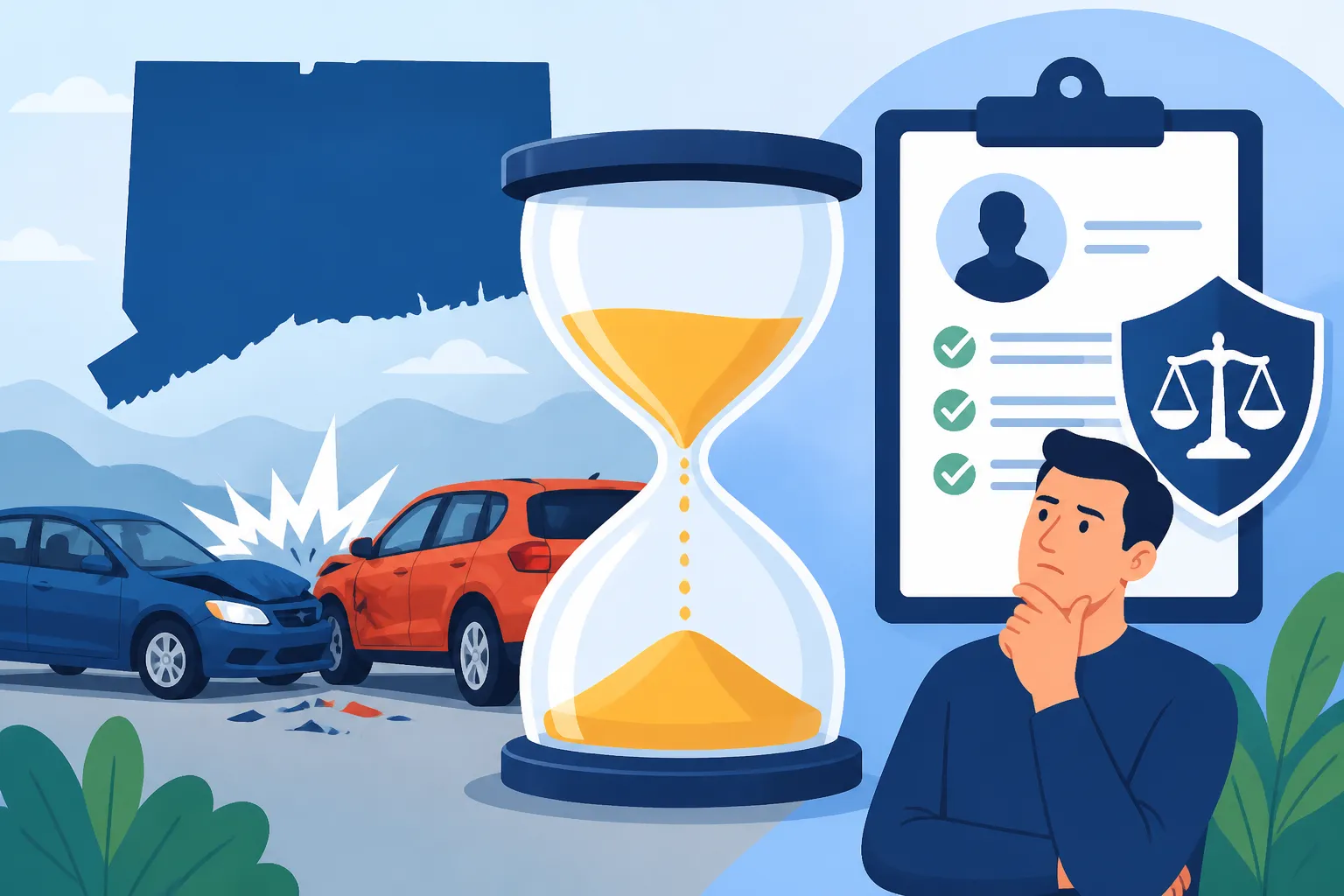
In Connecticut, the general rule for filing a personal injury lawsuit or a property damage lawsuit stemming from a car accident is two years from the date of the accident. This two-year period is known as the "statute of limitations." It applies to both bringing a lawsuit for injuries you sustained and for the damage done to your vehicle or other personal property. While it might seem like a long time, the days, weeks, and months can fly by, especially if you're recovering from injuries or dealing with extensive repairs. Many people mistakenly believe they just need to report the accident to their insurance company within a few days or weeks, and that's it. However, the clock for a potential lawsuit starts ticking from day one.
Consider a scenario: you're involved in a fender bender on I-84 near Hartford. Your car has some damage, and you feel a bit stiff but otherwise okay. You exchange information, report it to your insurer, and move on. But then, weeks later, that "stiffness" turns into persistent neck pain, maybe even a diagnosis of whiplash. The two-year clock didn't start when you felt the pain; it started the moment the accident occurred. This is why understanding the date of loss is so crucial and why acting sooner rather than later is always the safest bet.
Why This Deadline is Critical
Imagine you've been in a serious collision on the Merritt Parkway, resulting in significant injuries and a totaled car. You spend months in physical therapy, trying to get back on your feet. Life gets overwhelming, and you put off dealing with the legalities. Then, two years and one day after the accident, you finally decide to pursue a claim for your medical bills and lost wages. At this point, legally, you're out of luck. The statute of limitations acts as a firm cutoff point. Once it passes, the at-fault driver or their insurance company can successfully argue in court that you waited too long, and your case will almost certainly be dismissed.
It’s a harsh reality, but it’s designed to ensure fairness and prevent claims from being brought decades after an incident when evidence might be lost and memories faded. Insurance companies are well aware of these deadlines and will use them to their advantage. If you approach them close to the two-year mark, they might drag their feet, knowing that with each passing day, your leverage decreases. This is also why understanding something like What Is a Demand Letter (and How to Write One)? becomes so important early in the process. You want to establish your intent to seek compensation well within the allowable timeframe.
Specific Deadlines for Different Types of Claims in Connecticut
While the two-year rule is a general guideline, it's worth diving a little deeper into how it applies to various aspects of a car accident claim. Each component of your claim, whether it's your physical well-being or your damaged vehicle, falls under this umbrella.
Personal Injury Claims
If you've suffered bodily harm in a car accident in Connecticut, you have two years from the date of the accident to file a personal injury lawsuit. This includes everything from minor scrapes and bruises to more severe injuries like broken bones, concussions, spinal damage, or even a traumatic brain injury (TBI). The clock starts ticking the moment the collision occurs, not when you realize the full extent of your injuries.
For instance, if you were involved in a rear-end collision on I-95 in New Haven and initially felt fine, only to develop chronic neck pain a few weeks later, that two-year period began on the day of the crash. This is a common scenario, as symptoms of injuries like whiplash can be delayed. You might be focused on immediate recovery, doctor appointments, and physical therapy, which is precisely why it's easy to lose track of the overarching deadline. Knowing Common Car Accident Injuries: Complete Guide (2027) can help you identify potential issues early on. Even if you're unsure about the severity of your injuries, it's always best to seek medical attention immediately after an accident and consult with a legal professional. Documenting your medical journey from the beginning is paramount, as detailed medical records are crucial evidence in any personal injury claim.
Property Damage Claims
Just like personal injury claims, you have two years from the date of the accident to file a lawsuit for property damage in Connecticut. This predominantly refers to damage to your vehicle, but it can also extend to other personal property that was in your car at the time of the crash, such as a laptop, golf clubs, or even a child's car seat.
Let's say a distracted driver sideswiped your brand-new SUV while you were parked outside a store in Greenwich. The damage to your vehicle is significant, requiring extensive body work or perhaps even deeming it a total loss. You’d need to get estimates, deal with the other driver’s insurance (or your own collision coverage), and potentially negotiate for the diminished value of your vehicle once repaired. All of these steps need to happen with the underlying two-year statute of limitations for a lawsuit in mind. While most property damage claims are handled much faster through insurance companies, having the ability to file a lawsuit if negotiations break down is vital. This is why knowing What Happens If You Can't Agree on a Settlement? can be particularly helpful. If an insurance company is dragging its feet or offering a lowball settlement, the looming deadline for a lawsuit can be a powerful motivator to get them to negotiate fairly.
Wrongful Death Claims
In the tragic event that a car accident results in a fatality, the timeframe for filing a wrongful death claim in Connecticut is also two years, but there’s a crucial distinction. The two-year period begins not from the date of the accident, but from the date of death. This is an important detail, as sometimes victims of serious accidents might succumb to their injuries weeks or months after the initial incident.
Wrongful death claims are complex and are typically filed by the deceased person's estate representative on behalf of surviving family members (spouse, children, parents). These claims seek compensation for losses such as funeral and burial expenses, medical bills incurred before death, loss of financial support, loss of companionship, and pain and suffering experienced by the deceased before passing. Given the immense emotional toll and legal complexities involved, navigating a wrongful death claim requires immediate legal guidance. Understanding Economic vs Non-Economic Damages Explained can provide insight into the types of compensation sought in such cases, which can be substantial and crucial for a grieving family's future.
Exceptions and Nuances to Connecticut's Claim Deadlines
While the two-year rule is generally steadfast, the law isn't always black and white. There are specific circumstances that can "toll" (pause or extend) the statute of limitations. These exceptions are critical, but they are also complex and often require expert legal interpretation.
The Discovery Rule
The "discovery rule" is an important exception, particularly in cases where an injury isn't immediately apparent after an accident. In Connecticut, if you don't discover your injury right away, the two-year clock might start when you knew or reasonably should have known about the injury and its connection to the accident. However, there's a hard cap: a lawsuit generally cannot be brought more than three years from the date of the act or omission complained of (the accident itself).
Let’s say you were involved in a seemingly minor rear-end collision, and for months, you just dealt with stiffness, attributing it to aging or stress. Six months later, you start experiencing numbness and severe pain, leading to an MRI that reveals a herniated disc directly caused by the accident. Under the discovery rule, your two-year window might start from the date you received that diagnosis, not the accident date. However, you couldn't, for example, discover the injury four years after the accident and still sue, because of that three-year absolute deadline. This nuance makes it incredibly important to seek medical attention promptly after any accident, even if you feel fine. Documenting your symptoms, even minor ones, is key. If you don't, proving that you "couldn't have known" about the injury earlier becomes much harder. This is closely related to Delayed Injury Symptoms After a Car Accident and how crucial it is to connect with healthcare providers early.
Minors and Incapacitated Individuals
Another significant exception applies to individuals who are minors (under 18 years old) or those who are legally incapacitated at the time of the accident. For a minor, the statute of limitations generally does not begin to run until they turn 18. This means if a five-year-old child is injured in a car accident, they would typically have until their 20th birthday (18 + 2 years) to file a lawsuit.
Similarly, if an individual is mentally incapacitated to the extent that they cannot understand or manage their legal affairs, the statute of limitations may be tolled until their capacity is restored, or until a legal guardian is appointed to act on their behalf. These situations often involve severe brain injuries or other cognitive impairments. These exceptions are in place to protect vulnerable individuals who may not be able to assert their legal rights due to their age or mental state. However, proving incapacity or ensuring the proper legal procedures are followed (such as appointing a conservator) requires immediate attention and legal expertise.
Claims Against Government Entities
This is where the deadlines get even tighter and more complicated. If the at-fault driver was a government employee (federal, state, or municipal) acting within the scope of their employment, or if the accident was caused by a defect in a public road or highway, you might face significantly shorter notice requirements and statutes of limitations. For example, if you believe a poorly maintained state road contributed to your accident, you might only have a matter of months, or even weeks, to provide written notice to the relevant government entity.
In Connecticut, there are specific notice requirements under the "defective highway" statute (Connecticut General Statutes § 13a-149) that demand notice of injury be given to the municipality or state within a very short timeframe (e.g., 90 days for municipalities, though nuances exist). Missing these short notice periods can completely bar your claim, regardless of the two-year personal injury statute. These cases are highly specialized and necessitate immediate consultation with an attorney who has experience navigating claims against government entities. Understanding What to Do After a Car Accident: Step-by-Step (2027) is critical, especially step one: calling the police, as the police report might identify if a government vehicle or infrastructure was involved.
| Claim Type | Standard Deadline (from accident date) | Exceptions/Nuances |
|---|---|---|
| Personal Injury | 2 years | Discovery Rule (up to 3 years from "act"), Minors, Incapacitation |
| Property Damage | 2 years | Minors, Incapacitation |
| Wrongful Death | 2 years (from date of death) | Minors, Incapacitation of claimant |
| Against Gov. Entity | Often much shorter notice periods | Strict notice deadlines (e.g., 90 days), specialized legal rules |
Practical Steps to Take After a Connecticut Car Accident
Given these critical deadlines, knowing what to do immediately after an accident and in the weeks that follow can make all the difference in protecting your right to compensation.
Prioritizing Medical Attention and Documentation
Your health is always the most important thing. After a car accident in Connecticut, your absolute priority should be seeking medical attention, even if you feel okay. Adrenaline can mask pain, and many serious injuries, like concussions or soft tissue damage, have delayed symptoms. Head to an urgent care, your primary care physician, or the emergency room right away. Not only is this vital for your well-being, but it also creates an official record of your injuries.
Every doctor's visit, every test, every therapy session, and every prescription becomes part of your medical documentation, which is the cornerstone of proving your injuries were a direct result of the accident. Keep meticulous records of all medical bills, receipts, and even transportation costs related to your treatment. Without this paper trail, it's incredibly difficult to prove the extent of your damages or even that you sustained an injury from the crash. Insurance companies will scrutinize your medical records, looking for gaps in treatment or delayed reporting that they can use to devalue your claim. Understanding How Medical Records Prove Your Injuries is key to strengthening your case.
Gathering Evidence and Reporting the Accident
After ensuring your safety and seeking medical care, focus on gathering as much evidence as possible from the scene of the accident. This includes taking photos and videos of:
- The damage to all vehicles involved.
- The position of the vehicles.
- Skid marks, debris, or other road conditions.
- Traffic signs, lights, or anything else relevant to the scene.
- Your injuries (bruises, cuts, swelling).
Also, be sure to exchange information with all involved parties, including names, contact details, insurance information, and vehicle details. If there were witnesses, get their contact information too. And, importantly, always call the police to the scene, especially if there are injuries or significant property damage. A police report, while not always definitive on fault, provides an objective account of the accident and can be invaluable evidence. Remember, even if it feels like a minor incident, it’s always better to have an official record. You also need to report the accident to your own insurance company promptly, usually within a few days or as soon as reasonably possible, even if you believe the other driver was entirely at fault. What Information to Exchange After a Car Accident provides more essential details.
Understanding Your Options and Seeking Legal Counsel
Given the strict deadlines and the complexities of personal injury law in Connecticut, it's almost always a good idea to consult with a car accident lawyer as soon as possible after a crash. Even if you think your case is straightforward, an experienced attorney can help you understand your rights, navigate the insurance claims process, and ensure you don't miss any critical deadlines. They can also handle negotiations with insurance adjusters, who are trained to minimize payouts.
A lawyer can help you calculate the true value of your claim, including not just current medical bills and property damage, but also future medical expenses, lost wages, pain and suffering, and other non-economic damages. They understand the nuances of the discovery rule and other exceptions and can advise you on the best course of action. Remember, initial consultations with personal injury attorneys are often free, and they typically work on a contingency fee basis, meaning you don't pay unless they win your case. This makes legal representation accessible when you're already facing financial strain. Don't wait until you're nearing the two-year mark; early engagement can protect your interests and maximize your potential compensation. For those wondering, Do You Need a Lawyer for a Car Accident? (2026) delves deeper into this very question.
Disclaimer
Please remember that this article provides general information and is not legal advice. Every car accident case is unique, and the laws surrounding statutes of limitations and personal injury claims can be complex. For personalized advice regarding your specific situation in Connecticut, it is crucial to consult with a qualified personal injury attorney.