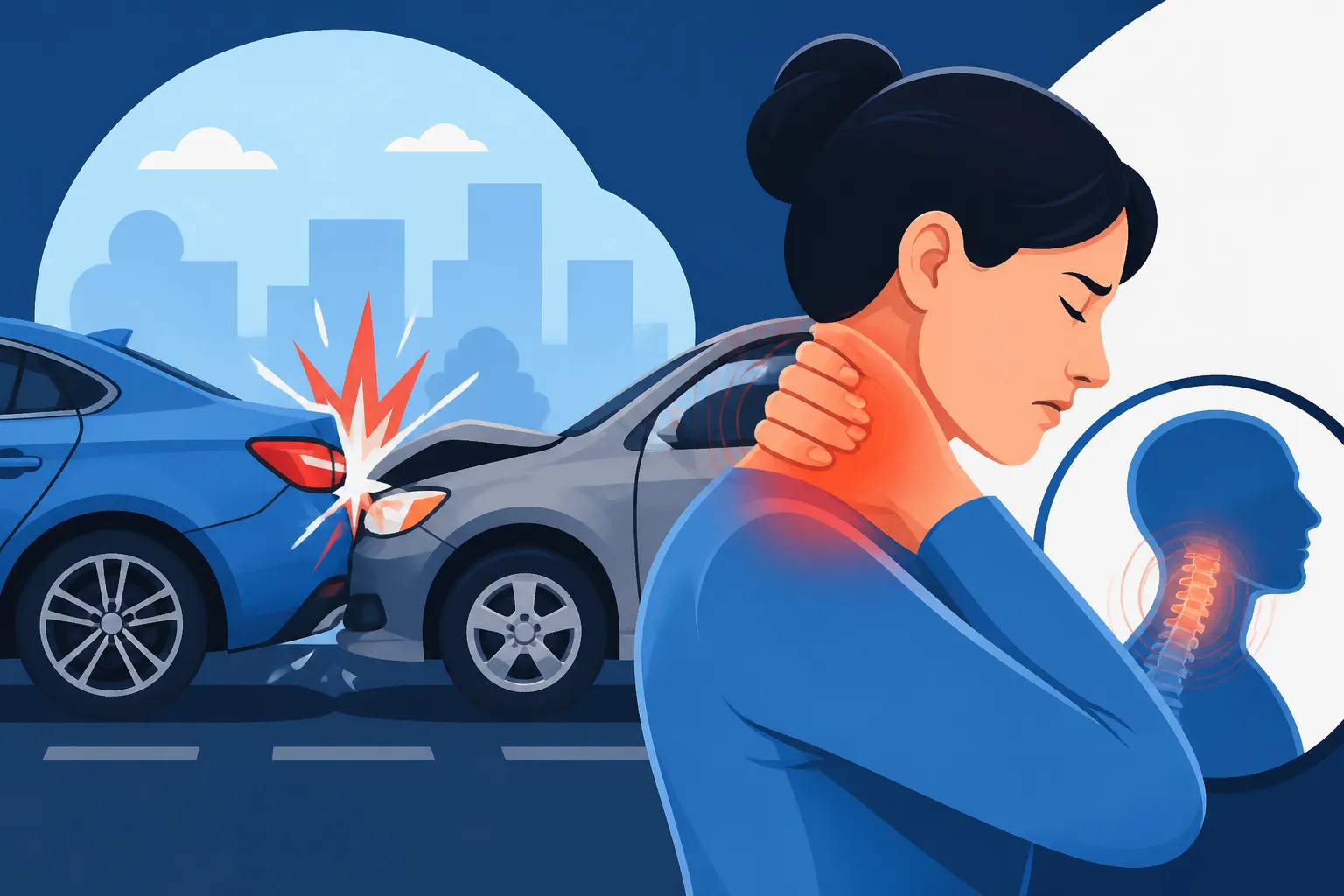
Is Chronic Pain Common After a Rear-End Collision?
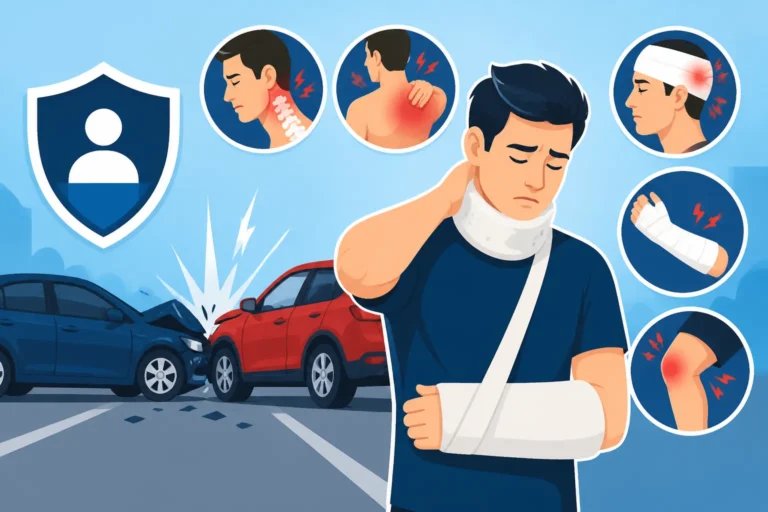
Experiencing a rear-end collision, even a seemingly minor fender bender, can be a jarring and deeply unsettling event. While some people walk away with just a few bumps and bruises, many others find themselves grappling with lingering pain that simply refuses to subside, turning what they thought was a temporary setback into a long-term, debilitating challenge. If you're struggling with persistent discomfort after a rear-end crash, you're not alone, and this guide is here to shed light on why chronic pain is a very real, and unfortunately common, consequence of these types of accidents.
Understanding Chronic Pain After a Rear-End Collision
It's truly frustrating when you've been in a car accident, you’ve done everything right – you reported it, saw a doctor, and got some initial treatment – but the pain just sticks around. You might even hear well-meaning friends or family say, "Aren't you better yet?" It can feel incredibly isolating. The truth is, chronic pain after a rear-end collision isn't just "all in your head"; it's a complex, persistent condition that significantly impacts daily life.
What Exactly Is Chronic Pain?
Let's start by defining what we mean by "chronic pain." We've all experienced acute pain – that sharp, immediate sensation that tells you something is wrong, like touching a hot stove or twisting an ankle. Acute pain is typically short-lived and resolves once the injury heals. Chronic pain, however, is a whole different beast. It's pain that persists for an extended period, generally defined as lasting for three months or longer, even after the initial injury has seemingly healed. It can be constant, or it can come and go, but the defining factor is its stubborn persistence.
Unlike acute pain, which serves as a warning signal, chronic pain often loses its protective function and can become a disease state in itself. It can stem from an underlying injury that hasn't fully recovered, nerve damage, or even changes in how the brain processes pain signals over time. For someone who's gone through a car accident, especially a rear-end collision, understanding this distinction is crucial because the path to recovery and management for chronic pain is often much different than for acute pain. It requires patience, persistence, and often a multidisciplinary approach to truly address.
Why Rear-End Collisions Lead to Chronic Pain
You might think a low-speed rear-end collision couldn't possibly cause severe, lasting damage, but that's a common misconception. The unique biomechanics of a rear-end crash make it particularly prone to causing injuries that can become chronic. When your vehicle is struck from behind, your body is subjected to a rapid, violent acceleration-deceleration movement. This isn't a gentle push; it's a sudden jolt that can wreak havoc on your spine and surrounding soft tissues.
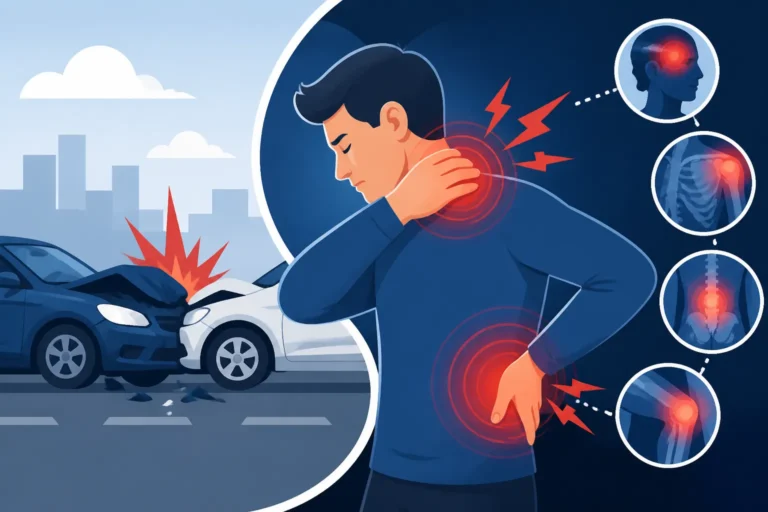
The head and neck are particularly vulnerable. In the milliseconds after impact, your torso is thrust forward by the seatbelt, but your head, initially unrestrained, snaps backward (hyperextension) and then immediately forward (hyperflexion). This "whiplash" motion can stretch and tear muscles, ligaments, and tendons in the neck and upper back. It can also compress or irritate the delicate nerves running through your spine. Even at speeds as low as 5 to 10 miles per hour, these forces can be substantial enough to cause microscopic tears and damage that might not show up on conventional X-rays or even MRI scans right away. Over time, this unresolved damage, coupled with inflammation and potential nerve sensitization, can evolve into persistent, debilitating pain. Furthermore, the sudden impact can also compress spinal discs, leading to conditions like herniated or bulging discs that can press on nerves, causing radiating pain and numbness that becomes chronic.
Common Chronic Pain Conditions from Rear-End Collisions
It's not just a general "ache" that lingers; rear-end collisions often lead to specific chronic pain conditions that require focused attention. These conditions can profoundly affect your quality of life, making everyday tasks feel like insurmountable challenges.
Persistent Whiplash-Associated Disorders (WAD)
Whiplash is probably the most recognized injury from a rear-end collision, and for good reason. While many people recover from acute whiplash within weeks or a few months, a significant percentage – estimates vary but can be as high as 20-50% in some studies – go on to develop what's known as Chronic Pain After a Rear-End Collision. This isn't just a lingering stiff neck. WAD can involve a complex array of symptoms including chronic neck pain, stiffness, reduced range of motion, headaches (often originating at the base of the skull), dizziness, tinnitus (ringing in the ears), fatigue, and even cognitive issues like difficulty concentrating or memory problems.
The persistence of these symptoms can be due to ongoing inflammation, nerve damage, changes in the facet joints of the cervical spine, or even altered pain processing in the brain. It's a condition that can fluctuate, with some days being better than others, but the underlying pain and discomfort remain a constant, unwelcome companion. Many individuals with persistent WAD find themselves struggling with basic activities that they once took for granted, like driving, working at a computer, or even simply turning their head to check blind spots. This constant struggle can lead to frustration, anxiety, and even depression, adding another layer of complexity to the chronic pain experience.
Chronic Back and Neck Pain
Beyond whiplash, the forces of a rear-end impact can directly injure the structures of your back and neck, leading to chronic pain. Spinal discs, which act as shock absorbers between your vertebrae, can be particularly vulnerable. A sudden jolt can cause a disc to bulge or even rupture, leading to a Herniated Disc From a Car Accident. When a herniated disc presses on a spinal nerve, it can cause excruciating pain that radiates into your arms (cervical radiculopathy) or legs (lumbar radiculopathy), often accompanied by numbness, tingling, and muscle weakness. This type of nerve impingement often becomes chronic, requiring ongoing treatment to manage symptoms.
Furthermore, the muscles and ligaments supporting the entire spine, from the cervical (neck) region down to the lumbar (lower back) area, can be strained or torn. While acute muscle strains usually heal, severe or improperly treated injuries can result in scar tissue formation, chronic muscle spasms, and persistent tenderness. This can limit mobility, making activities like lifting, bending, or even prolonged sitting incredibly painful. Chronic neck pain can also stem from injuries to the facet joints, small joints connecting the vertebrae, which can become inflamed or damaged, leading to long-term discomfort and stiffness.
Fibromyalgia and Central Sensitization
It might sound surprising, but car accidents, especially those involving significant trauma, can sometimes trigger or exacerbate conditions like fibromyalgia or contribute to a phenomenon called central sensitization. Fibromyalgia is a chronic disorder characterized by widespread musculoskeletal pain accompanied by fatigue, sleep, memory, and mood issues. While the exact cause isn't fully understood, physical trauma, like that sustained in a car accident, is recognized as a potential trigger. The constant stress and pain from an injury can disrupt the body's pain processing system, making it more sensitive.
Central sensitization is a similar concept where the central nervous system (brain and spinal cord) becomes "hypersensitive" to pain signals. Essentially, the volume on pain gets turned up, and even minor stimuli can be perceived as intensely painful. This means that even after the physical injury has healed, the brain continues to send pain signals, leading to chronic, widespread pain that doesn't seem to have a clear source. It's a complex neurological change that can be incredibly challenging to diagnose and treat, often requiring a multifaceted approach involving medication, physical therapy, and psychological support to help "retrain" the nervous system.
Recognizing Delayed and Lingering Symptoms
One of the most insidious aspects of car accident injuries is that symptoms don't always show up immediately. You might feel "fine" in the immediate aftermath, only to wake up days or even weeks later with new, worsening pain. This delay often leads people to underestimate the severity of their injuries, which can complicate both treatment and the claims process.
The Insidious Nature of Delayed Pain
It's a common story: someone gets rear-ended, feels a bit shaken, but reports no immediate pain at the scene. They might even decline medical attention, thinking they've dodged a bullet. However, the adrenaline rush following an accident can mask pain and injury symptoms. It's only once the adrenaline subsides, often hours or days later, that the full extent of the trauma begins to manifest. This is why Delayed Injury Symptoms After a Car Accident are incredibly important to recognize.
This delayed onset can involve muscle soreness turning into debilitating spasms, a minor headache evolving into chronic migraines, or a stiff neck becoming persistent nerve pain. The initial micro-tears in ligaments or muscles may not cause significant pain until inflammation sets in, or until the body's natural compensatory mechanisms start to fail. By then, the damage might have progressed, making treatment more challenging and the pain more likely to become chronic. This is also why insurance companies can be skeptical if you don't report injuries immediately, making early documentation vital.
When to Seek Medical Attention for Lingering Issues
Even if you initially brushed off your accident as minor, if you notice any pain, stiffness, numbness, or other unusual symptoms lingering for more than a few days, or if they start to worsen, it's absolutely crucial to seek medical attention. Don't fall into the trap of thinking it will just "go away" on its own. A primary care physician is a good starting point, but they may refer you to specialists such as an orthopedist, neurologist, pain management specialist, or physical therapist.
Early intervention is key to preventing acute injuries from becoming chronic. A doctor can properly diagnose your condition, recommend appropriate treatments, and help you start on a path to recovery. Ignoring persistent symptoms not only risks your health but can also significantly hinder any potential car accident claim you might need to pursue, as gaps in medical treatment can be used by insurance companies to argue that your pain isn't related to the accident. Your health is paramount, so don't hesitate to advocate for yourself and get the care you need.
Navigating Treatment and Management for Chronic Pain
Living with chronic pain is incredibly challenging, but it's important to know that there are many strategies and treatments available to help manage it and improve your quality of life. The journey to recovery is often not linear and requires a holistic, persistent approach.
A Multi-Disciplinary Approach to Recovery
Because chronic pain after a car accident can be so complex, often involving physical, neurological, and even psychological components, a multi-disciplinary treatment approach is often the most effective. This means working with a team of healthcare professionals rather than just one. Your team might include:
- Physical Therapists: They can help restore range of motion, strengthen weakened muscles, and teach you exercises to improve posture and reduce strain on injured areas.
- Chiropractors: For spinal alignment issues, a chiropractor may provide adjustments to alleviate nerve pressure and improve joint function.
- Pain Management Specialists: These doctors specialize in chronic pain and can offer a range of treatments, from medication management (including non-opioid options) to injections (like nerve blocks or epidurals) and other interventional procedures.
- Neurologists: If nerve damage or conditions like persistent headaches or radiculopathy are prominent, a neurologist can provide specialized diagnosis and treatment.
- Psychologists or Counselors: Living with chronic pain takes a tremendous toll on mental health. Therapists can help you develop coping strategies, manage anxiety or depression, and address any post-traumatic stress related to the accident.
The goal isn't just to mask the pain but to improve function, reduce suffering, and empower you to live a more fulfilling life despite the challenges. This collaborative approach ensures that all facets of your pain experience are being addressed, leading to more comprehensive and sustainable relief.
The Role of Lifestyle Adjustments
Beyond medical treatments, adopting certain lifestyle adjustments can play a significant role in managing chronic pain and supporting your overall well-being. These aren't quick fixes, but rather long-term habits that can empower you in your journey.
- Regular, Gentle Exercise: While it might seem counterintuitive to move when you're in pain, gentle exercise, as recommended by your physical therapist, can significantly improve flexibility, strengthen supporting muscles, and even release endorphins, which are natural pain relievers. Activities like walking, swimming, or yoga can be beneficial.
- Nutritious Diet: Eating a balanced, anti-inflammatory diet can help reduce systemic inflammation in your body, which can contribute to chronic pain. Focus on whole foods, fruits, vegetables, lean proteins, and healthy fats while limiting processed foods, sugar, and excessive red meat.
- Stress Management: Chronic pain and stress often create a vicious cycle. Techniques like mindfulness meditation, deep breathing exercises, or gentle stretching can help calm the nervous system, reduce muscle tension, and improve your ability to cope with pain.
- Quality Sleep: Pain often disrupts sleep, and poor sleep can exacerbate pain. Establishing a consistent sleep schedule, creating a dark, quiet sleep environment, and avoiding caffeine before bed can improve sleep quality, which is vital for healing and pain management.
- Ergonomics: If your job involves prolonged sitting or repetitive movements, ensuring your workspace is ergonomically set up can prevent further strain and support your healing spine.
Making these adjustments is a marathon, not a sprint, but over time, they can significantly contribute to reducing your pain levels and enhancing your overall physical and mental resilience.
Documenting Chronic Pain for Your Car Accident Claim
When dealing with chronic pain after a car accident, the process of filing an insurance claim can feel daunting. Insurance companies are often skeptical of claims for lingering or non-visible injuries, making thorough documentation absolutely essential. If you want to know How to Prove Injuries in a Car Accident Claim, it starts with meticulous record-keeping.
Why Documentation Is Crucial
Insurance adjusters are trained to minimize payouts, and chronic pain, by its very nature, can be difficult to objectively measure. They might argue that your pain is pre-existing, exaggerated, or unrelated to the accident, especially if there were delays in seeking treatment or gaps in your medical records. Without solid documentation, your claim for Pain and Suffering Damages: What They Cover could be significantly undervalued or even denied.
Proper documentation provides a clear, consistent timeline of your injuries, treatments, and how your chronic pain has impacted your life. It helps to establish a direct causal link between the accident and your ongoing suffering, making it harder for the insurance company to dismiss your claim. Remember, you're not just trying to prove you have pain; you're proving that the pain is a direct and continuous result of the collision. This is also why understanding Economic vs Non-Economic Damages Explained is so important, as chronic pain falls under non-economic damages and requires careful proof.
Essential Records and Evidence
To build a strong case for chronic pain, you'll need to gather and maintain a comprehensive set of records. These include:
- Medical Records: This is your primary evidence. Collect every single document from every doctor, specialist, physical therapist, chiropractor, and other healthcare provider you see. This includes initial diagnostic reports, doctors' notes, prescription records, imaging results (X-rays, MRIs, CT scans), and billing statements. These records show How Medical Records Prove Your Injuries and the progression of your treatment.
- Treatment Logs: Keep a detailed log of all your appointments, therapies, and medications. Note the date, the provider, the type of treatment, and how you felt afterward.
- Pain Journal: This is invaluable for non-economic damages. Daily entries should describe your pain levels (on a scale of 1-10), the location and nature of your pain, how it limits your daily activities (e.g., difficulty sleeping, showering, working, playing with children), your emotional state, and any flare-ups. This personal record paints a vivid picture of your daily struggle.
- Proof of Lost Wages: If your chronic pain has prevented you from working or forced you into a different, lower-paying role, collect pay stubs, employment records, and a letter from your employer detailing your missed work or reduced capacity.
- Witness Statements: If friends, family, or co-workers have observed your struggles with chronic pain and how it has changed your life, their statements can provide powerful corroboration.
- Photos and Videos: While chronic pain itself isn't visible, photos or videos showing you engaged in activities you now struggle with (from before the accident) can be compared to your current limitations.
Consistency in your medical care and documentation is key. Gaps in treatment can be used against you by insurance companies. It's often advisable to consult with an attorney who specializes in car accident claims. They can guide you through the complexities of documenting your chronic pain and help you understand what constitutes Maximum Medical Improvement (MMI) and how it affects your claim. For additional information on how to handle the financial side, you might explore resources like How Much Is a Rear-End Collision Settlement Worth?.
Chronic Pain Conditions & Symptoms After Rear-End Collisions
Here's a table summarizing common chronic pain conditions that can arise from rear-end collisions, along with their typical symptoms and underlying causes.
Disclaimer
This article is for general informational purposes only and does not constitute professional advice. Laws and regulations vary by location and change over time. Consult a qualified professional for guidance on your specific situation.