Who Is at Fault in an Intersection Accident in Texas?
Texas traffic laws and right-of-way rules determine legal liability when drivers collide at dangerous road intersections.
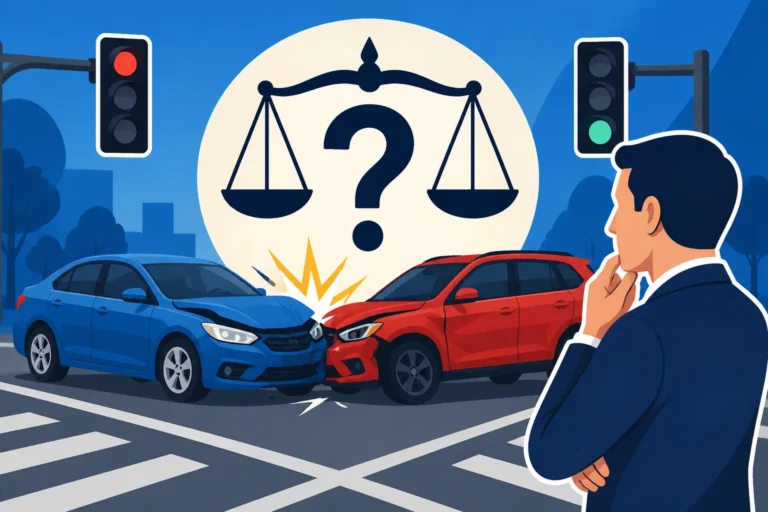
Texas traffic laws and right-of-way rules determine legal liability when drivers collide at dangerous road intersections.
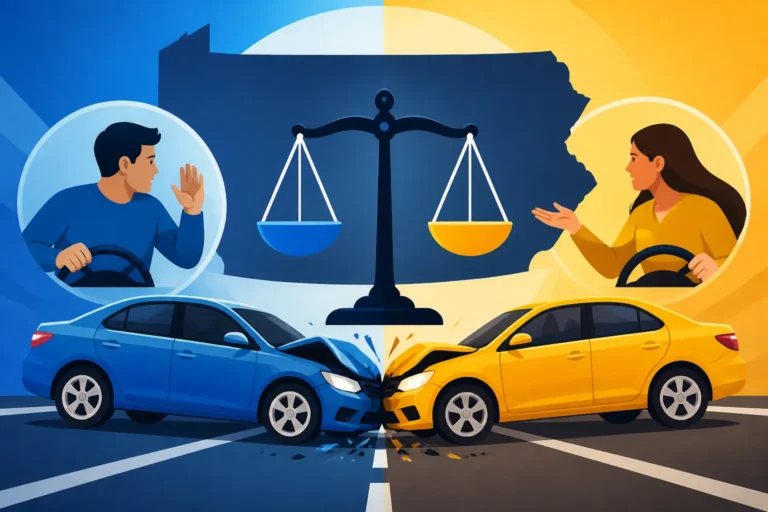
Pennsylvania comparative negligence laws dictate whether injured drivers can collect damages and how much compensation they receive.
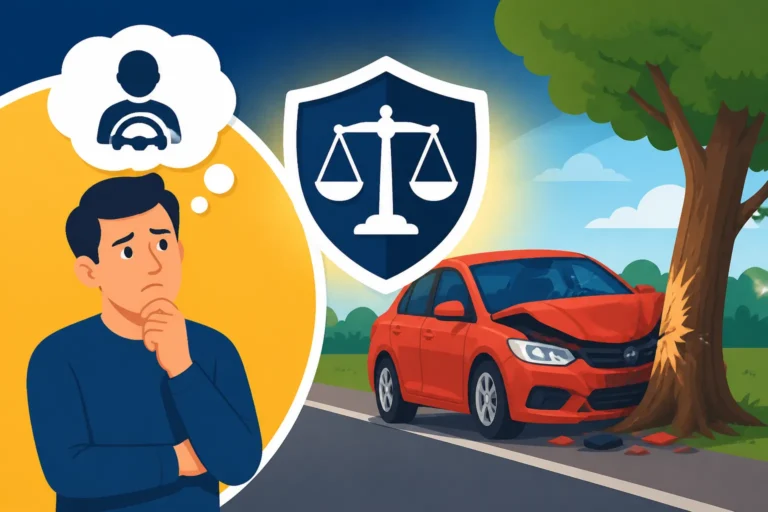
Determining fault in a single-car accident involves analyzing environmental factors, mechanical failures, and actions of other parties.
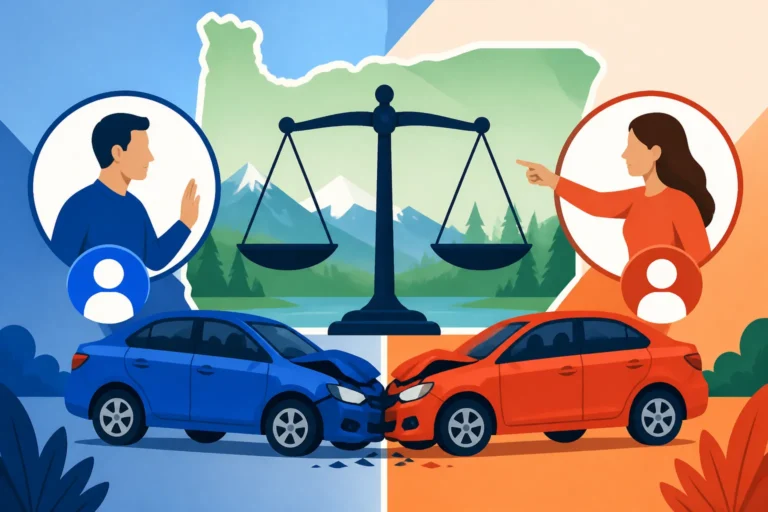
Oregon comparative negligence laws explain how shared fault and the 51 percent bar rule affect car accident compensation.
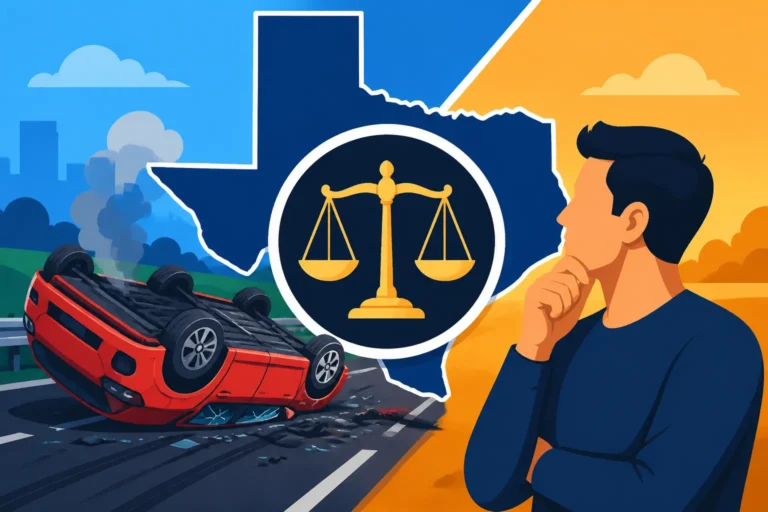
Fault determination in Texas rollover accidents involves analyzing driver actions, vehicle design, and contributing road hazards.
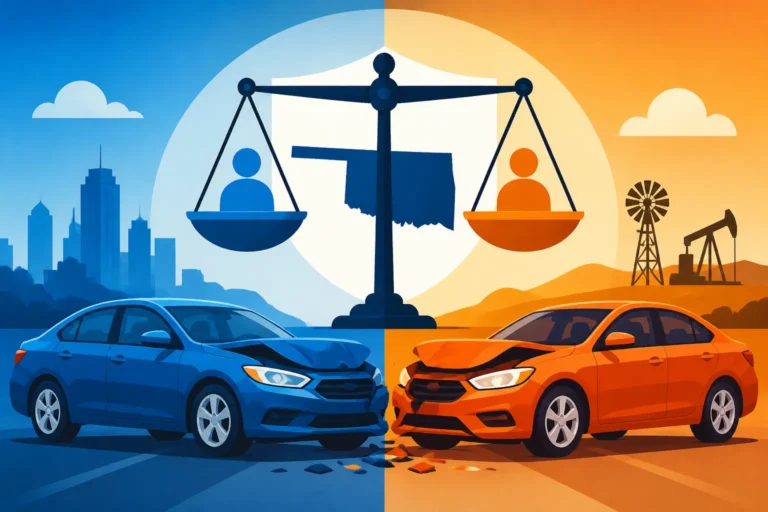
Oklahoma comparative negligence laws determine damage recovery limits when multiple drivers share fault in car accidents.

Texas has banned texting while driving statewide since September 1, 2017; evidence and fault rules shape a claim when a phone-distracted driver causes a crash.
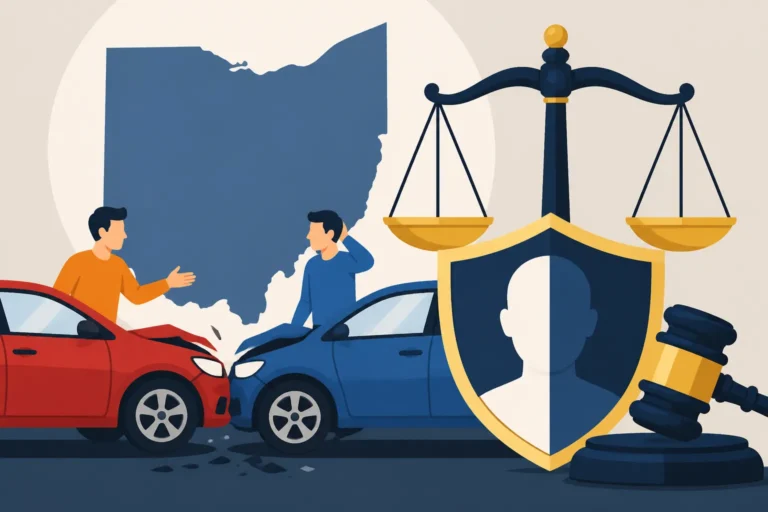
Ohio comparative negligence laws explain how shared fault impacts personal injury claims and compensation after car crashes.
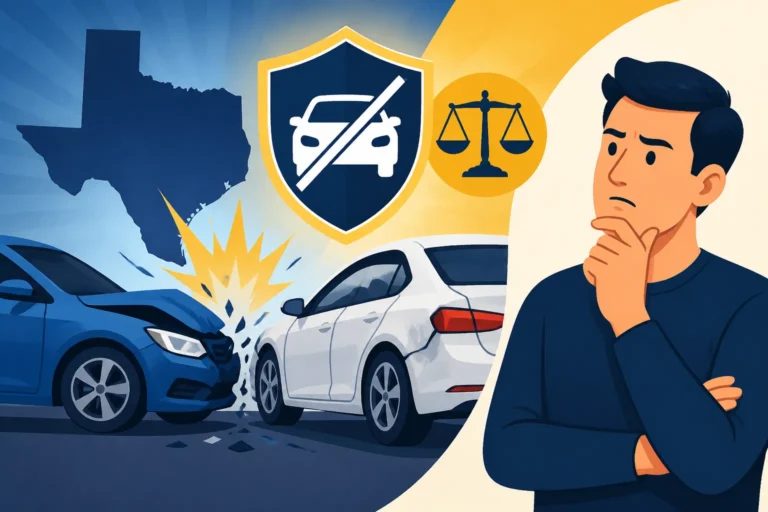
Fault determination in Texas car accidents involving uninsured drivers and the modified comparative negligence system.
North Dakota comparative negligence laws reduce car accident compensation by fault percentage and bar recovery at fifty percent.