Who Is at Fault in a Hit-and-Run Accident in Texas?
Being involved in a car accident is disorienting enough, but imagine the utter frustration and confusion when the other driver just takes off, leaving you behind with a damaged vehicle and potential injuries. It's a truly terrible experience, leaving you wondering not only about your safety but also, "Who is at fault in a hit-and-run accident in Texas?" This guide is here to walk you through how fault is determined, what you can do, and how your insurance might step in when the responsible party has vanished into thin air.
The Immediate Aftermath of a Hit-and-Run in Texas
When you're left at the scene of an accident by yourself, with the other driver nowhere in sight, it's easy to feel overwhelmed and powerless. You're probably shaking, your adrenaline is through the roof, and your first thought might be, "What just happened?" This section will address the immediate practical and legal aspects of dealing with such a shocking event in Texas.
What Defines a Hit-and-Run Incident
In Texas, every driver involved in an accident that results in injury, death, or property damage exceeding a certain threshold (currently $1,000, though it's always wise to report any accident) has a legal duty to stop at the scene. They must exchange information with other parties, provide aid if necessary, and report the accident to law enforcement. When a driver fails to do any of these things and leaves the scene without fulfilling their obligations, it's considered a hit-and-run. This isn't just a minor traffic infraction; depending on the severity of injuries or damage, it can range from a misdemeanor to a serious felony in Texas, carrying hefty fines and potential prison time. The legal system takes these incidents very seriously because they deny victims their right to justice and compensation.
The Initial Challenge of Determining Fault
Normally, determining fault in a car accident involves gathering statements from both drivers, witnesses, analyzing vehicle damage, and reviewing the accident scene. But in a hit-and-run, the very person who caused the crash is gone. This immediately creates a massive hurdle. You don't have their insurance information, their name, or their side of the story. This absence doesn't mean fault can't be assigned, but it shifts the burden of proof heavily onto you and potentially law enforcement to piece together what happened and, crucially, to identify the responsible driver. Without a person to hold accountable, seeking compensation becomes incredibly complex and often relies on different avenues. This is why immediate action on your part, as the victim, is so vital.
Investigating and Identifying the At-Fault Driver
Even though the other driver fled, it doesn't mean you're entirely without recourse. The legal system, law enforcement, and your own diligence can work together to try and bring the responsible party to light. It's a tough road, but not an impossible one.
Essential Steps for Gathering Evidence
Right after a hit-and-run, your immediate actions can significantly impact the outcome of your claim. Even though the other driver isn't there, there's still a lot you can do.
- Prioritize Safety and Call for Help: First and foremost, check for injuries. If anyone is hurt, call 911 immediately. Move your vehicle to a safe location if possible, and activate your hazard lights.
- Contact Law Enforcement: In Texas, you must report a hit-and-run to the police. This is critical for several reasons. First, it creates an official record of the incident, which insurance companies will require. Second, it initiates a police investigation to find the fleeing driver. When considering what to do after a car accident, calling the police is always high on the list, but it's especially critical in a hit-and-run. The police report is invaluable, and it's a key piece of evidence in your claim.
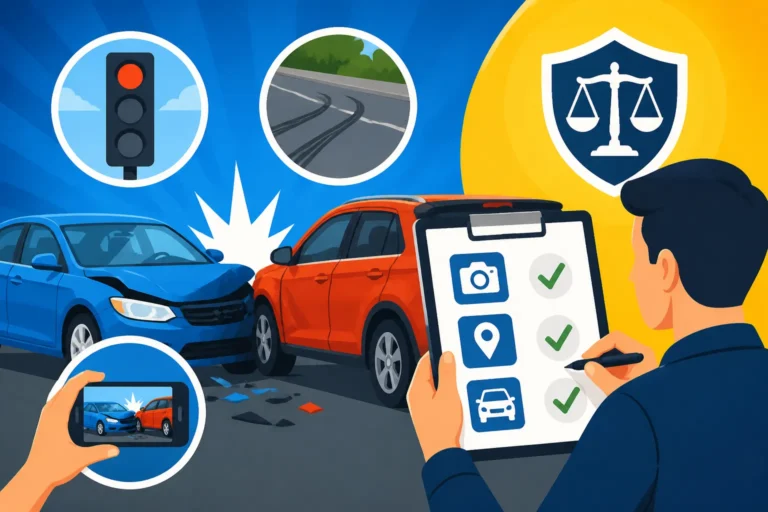
- Document Everything: Take photos and videos of the accident scene, including your damaged vehicle, any debris on the road, skid marks, and the surrounding area. Even without the other car, these details can help accident reconstruction specialists understand the impact and direction of travel. Note the time, date, and exact location.
- Look for Witnesses: Did anyone else see the accident? Nearby businesses, pedestrians, or other drivers might have seen something. Get their contact information. A witness account can be gold when trying to prove the other driver was at fault.
- Search for Clues: Look for any fragments of the other vehicle that might have been left behind, such as paint chips, broken plastic pieces, or license plate fragments. These small details can help police identify the make, model, and color of the hit-and-run vehicle.
The Police Investigation and Driver Identification
Once you've filed a police report, law enforcement will typically launch an investigation. Their resources and expertise are crucial here.
- Witness Interviews: Police will follow up with any witnesses you identified and may also canvass the area for other potential witnesses.
- Surveillance Footage: Many businesses and homes have surveillance cameras. Police can request access to this footage, which might have captured the accident itself or the fleeing vehicle. For example, if the accident happened on a busy street like Congress Avenue in Austin or Main Street in Dallas, there's a good chance that nearby establishments like gas stations or convenience stores have cameras.
- License Plate Recognition (LPR) Systems: Some cities and highway systems use LPR cameras that can automatically read license plates. If you have a partial plate number or a general idea of the car's description, these systems can sometimes help track down vehicles that passed through the area around the time of the incident.
- Public Appeals: For serious hit-and-runs, police might issue public appeals through local news outlets or social media, asking for the public's help in identifying the vehicle or driver.
Even with all these efforts, finding the at-fault driver in a hit-and-run can be challenging, and unfortunately, not every case leads to an identification. However, these steps are essential for maximizing your chances.
Navigating Claims When the At-Fault Driver Remains Unknown
It's a tough pill to swallow, but sometimes, despite everyone's best efforts, the driver who caused the hit-and-run is never found. This doesn't mean you're completely out of luck, but it does mean your path to recovery will shift significantly.
Relying on Your Own Insurance Coverage
When the other driver isn't identified, or they don't have insurance (which is effectively the same outcome for you), your own insurance policy becomes your primary resource. This is where certain coverages really shine.
- Uninsured/Underinsured Motorist (UM/UIM) Coverage: In Texas, this coverage is often the "hero" in a hit-and-run scenario. It's designed to protect you when the at-fault driver either has no insurance or, in this specific case, cannot be identified. Texas law requires insurance companies to offer UM/UIM coverage, though you can reject it in writing. If you have it, UM/UIM can cover both your bodily injuries (medical bills, lost wages, pain and suffering) and property damage. For example, if you were hit on I-35 in San Antonio and suffered whiplash, your UM/UIM coverage could help pay for your physical therapy and lost time at work, just as if you were making a claim against an identified driver's insurance. This is a crucial aspect of how fault works when changing lanes on the highway or in any other scenario where the other driver disappears.
- Collision Coverage: This part of your policy pays for the damage to your own vehicle, regardless of who was at fault. If you have collision coverage, you can typically use it to get your car repaired after a hit-and-run, subject to your deductible. While it doesn't address bodily injuries, it's vital for getting your car back on the road.
- Personal Injury Protection (PIP): Texas also requires insurers to offer PIP coverage, which can cover medical expenses and a portion of lost wages for you and your passengers, regardless of who was at fault. This is another no-fault benefit that can be a lifesaver for immediate medical costs after an accident, especially if you sustained common injuries from a rear-end accident.
Here's a quick comparison of how these coverages generally apply:
| Coverage Type | What It Covers | Deductible Applies? | Who Pays? |
|---|---|---|---|
| Uninsured Motorist (UM) | Bodily injury, property damage | Yes (for property) | Your insurance company (as if they were the other driver) |
| Collision | Damage to your own vehicle | Yes | Your insurance company |
| Personal Injury Protection (PIP) | Medical expenses, lost wages (up to limits) | No | Your insurance company |
It's important to review your policy documents or speak with your insurance agent to understand the specifics of your coverage limits and deductibles.
Handling Property Damage and Personal Injuries
Even without an identified at-fault driver, your damages are real and need to be addressed.
- Property Damage: If you have collision coverage, your insurer will assess the damage to your vehicle and, minus your deductible, pay for repairs or declare your car a total loss. If your car is totaled, they'll pay you the actual cash value (ACV) of the vehicle. If you have UM property damage coverage, that will function similarly, often with a lower or no deductible.
- Bodily Injuries: This is where UM bodily injury coverage and PIP truly make a difference. These coverages can help with emergency room visits, doctor appointments, physical therapy, and even lost income if your injuries prevent you from working. It's imperative to seek medical attention immediately after any accident, even if you don't feel injured right away, as delayed injury symptoms after a car accident are common. Documenting your injuries and medical treatment is crucial for any claim.
The Broader Implications of Hit-and-Run Fault
While the immediate concern is often "who pays for this," understanding the broader legal and financial landscape of fault in a hit-and-run in Texas is essential.
Why Reporting to Police Is Non-Negotiable
Beyond the basic legal requirement, calling the police after a hit-and-run is critical for your insurance claim. Most insurance policies require a police report for a hit-and-run claim to be valid, especially when utilizing uninsured motorist coverage. Without that official report, your insurance company might deny your claim, arguing there's no official record of the incident. Moreover, the police are your best shot at identifying the at-fault driver. Even if you're not sure if you need a lawyer to file a car accident claim, you should definitely call the police.
Texas's Comparative Fault Rules
Texas operates under a modified comparative negligence rule, specifically the 51% bar rule. This means that if you are found to be 51% or more at fault for an accident, you cannot recover any damages from the other party. However, if you are less than 51% at fault, your recoverable damages are reduced by your percentage of fault. For example, if a jury finds you 20% at fault and awards you $10,000, you would only receive $8,000.
In a hit-and-run scenario, the question of comparative fault can still arise, even if the other driver is absent. For instance, if you were making an illegal turn and were then hit by a fleeing driver, a portion of the fault could theoretically be assigned to you. However, the act of fleeing the scene is a severe violation that heavily weighs on the "fault" scale. If the other driver is identified, their decision to flee could be seen as an admission of their own culpability and could influence how a jury or insurance company views the entire incident, potentially reducing any fault assigned to you. This is one of the many factors that determine who is at fault in a car accident.
If you find yourself in the terrifying situation of a hit-and-run in Texas, remember that you have rights and resources. Take the necessary steps to protect yourself, your claim, and your future.
Disclaimer
Please remember that this article provides general information and is not a substitute for legal advice. Laws regarding car accidents and insurance claims are complex and vary. You should consult with a qualified attorney or your insurance provider to discuss the specifics of your situation and understand your legal rights and options.