Common Injuries From a T-Bone Accident
A T-bone accident, often called a side-impact or broadside collision, is one of the most terrifying and destructive types of crashes you can experience. The sheer force involved when one vehicle slams directly into the side of another often leads to devastating outcomes for those inside, particularly for occupants on the side of impact. This guide is here to shed light on the common injuries that unfortunately result from T-bone accidents, helping you understand what to look out for and why prompt medical attention is absolutely critical.
Understanding T-Bone Accidents and Their Impact
When you're involved in any car accident, it's a shock. But a T-bone collision, where your vehicle is hit perpendicularly, often at an intersection, presents unique and often severe dangers. Unlike a front-end or rear-end collision where crumple zones and protective features are designed to absorb and distribute impact force along the car's length, the sides of most vehicles offer significantly less protection. This means the energy of the crash is transferred directly into the occupants, leading to a high potential for serious injuries.
What Makes T-Bone Collisions So Dangerous?
The primary reason T-bone accidents are so hazardous stems from the physics of the impact. Imagine a car traveling at speed hitting another car directly on the driver's or passenger's door. There's very little material between the point of impact and the person inside. The side doors, door frames, and even side airbags (if present and deployed correctly) offer some defense, but they are often overwhelmed by the force of another vehicle's front end, which is typically much more rigid. This direct transfer of kinetic energy can cause significant trauma.
Furthermore, the nature of a side impact often results in violent lateral (sideways) movement of the occupant's body. Your seatbelt and airbag systems are primarily designed to protect against forward or rearward motion. While side airbags are a lifesaver, they aren't universal, and even with them, the sudden sideways jolt can twist and strain the spine, neck, and head in ways other accidents might not. This abrupt, unprotected movement can lead to injuries that are complex and long-lasting, often requiring extensive recovery.
Typical Scenarios Leading to T-Bone Crashes
T-bone accidents are most commonly associated with intersections, which are notorious hotbeds for various types of collisions. There are several classic scenarios that unfortunately lead to these devastating side impacts. One of the most frequent is a driver attempting a left turn at an intersection who misjudges oncoming traffic or fails to yield the right-of-way, causing them to be struck by a vehicle traveling straight through the intersection. Another common cause involves drivers running red lights or failing to stop at stop signs, resulting in a broadside collision with cross-traffic.
Distracted driving, whether it's texting, talking on the phone, or simply not paying attention, also plays a significant role in these incidents. A momentary lapse in concentration can mean missing a traffic signal or an approaching vehicle, leading to a catastrophic side impact. Poor visibility, bad weather conditions like heavy rain or fog, or even poorly designed intersections can also contribute to the likelihood of these dangerous crashes. When one car's front or rear slams into another's side, the consequences can be dire, often resulting in complex discussions about who is at fault in a T-Bone Accident.
Common Physical Injuries from T-Bone Collisions
The human body is not designed to withstand the immense forces exerted in a T-bone accident. Because the impact often occurs directly into the passenger compartment, occupants can sustain a wide range of injuries, from superficial cuts and bruises to life-threatening internal trauma. The side of impact usually dictates the severity, with occupants on that side experiencing the most direct and forceful blows.
Head and Brain Injuries
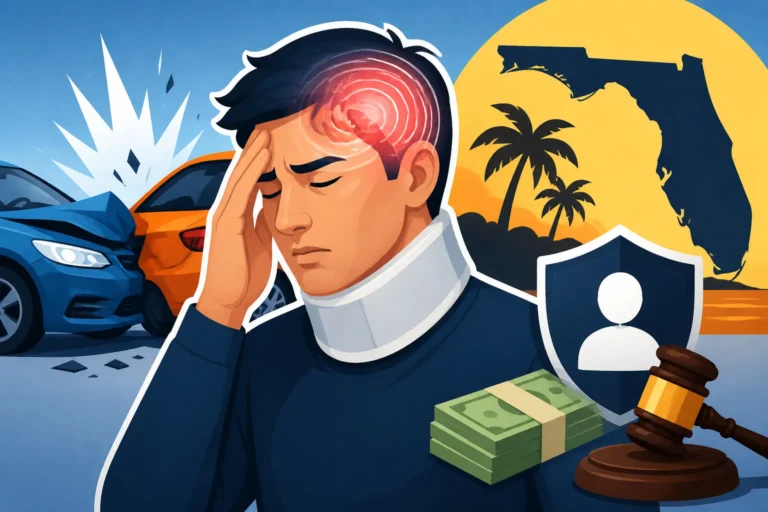
Even with side airbags, head injuries are incredibly common in T-bone accidents due to the sudden, violent lateral movement of the head. Your head can strike the window, door frame, or even the vehicle's interior components. The brain, soft and delicate, can then slosh inside the skull, leading to various forms of traumatic brain injury (TBI).
- Concussions: This is a very common type of TBI, often resulting from the brain impacting the inside of the skull. While sometimes considered "mild," a concussion can have serious short-term effects like dizziness, confusion, nausea, and memory problems. Long-term, repeated concussions can lead to chronic issues. For more specific symptoms, you can read about Concussion Symptoms After a Car Accident.
- Contusions and Lacerations: Direct impact to the head can cause bruising (contusions) or deep cuts (lacerations) to the scalp and face. These might seem minor but can sometimes conceal underlying damage.
- Skull Fractures: More severe impacts can lead to fractures of the skull, which can be open (exposing brain tissue) or closed. These are very serious and can put pressure on the brain or lead to infections.
- Intracranial Hemorrhage: This refers to bleeding within the brain, which can be epidural (between the skull and the outer membrane), subdural (between the brain's surface and its outer membrane), or intracerebral (within the brain tissue itself). These are life-threatening and require immediate medical intervention.
Neck and Spinal Injuries
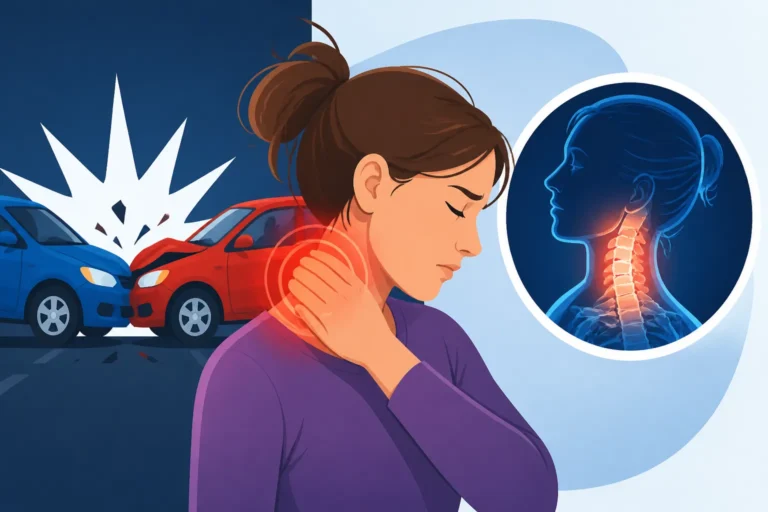
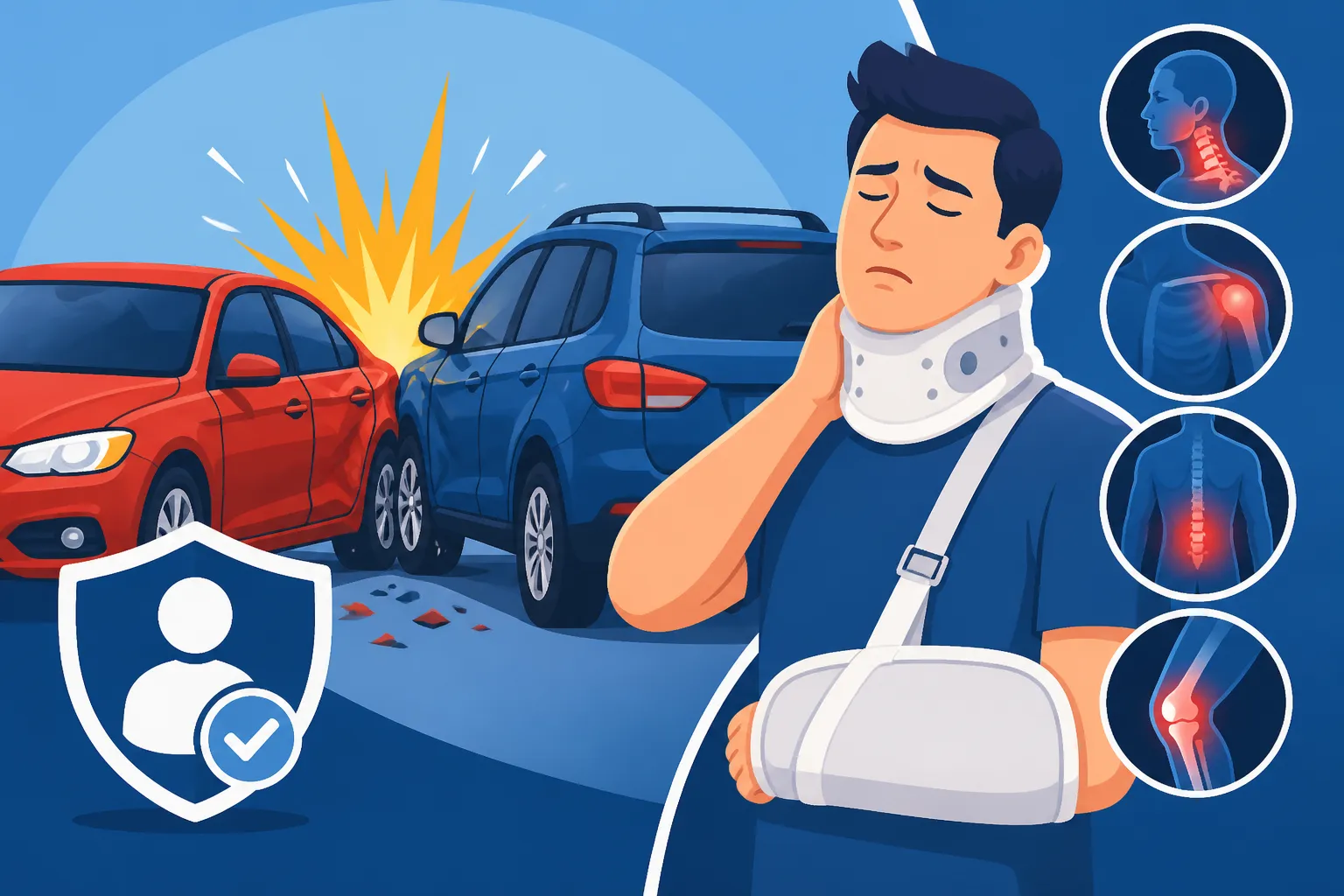
The sudden, whiplash-like motion from a side impact can severely strain the delicate structures of the neck and spine. The body is often pushed violently sideways, while the head and neck lag behind, then snap in the direction of impact, or even rebound.
- Whiplash: This common neck injury occurs when the head is suddenly jerked back and forth or side to side, straining the muscles, ligaments, and tendons in the neck. Symptoms can appear immediately or be delayed, including neck pain, stiffness, headaches, and dizziness. Understanding Whiplash Symptoms After a Car Accident is crucial.
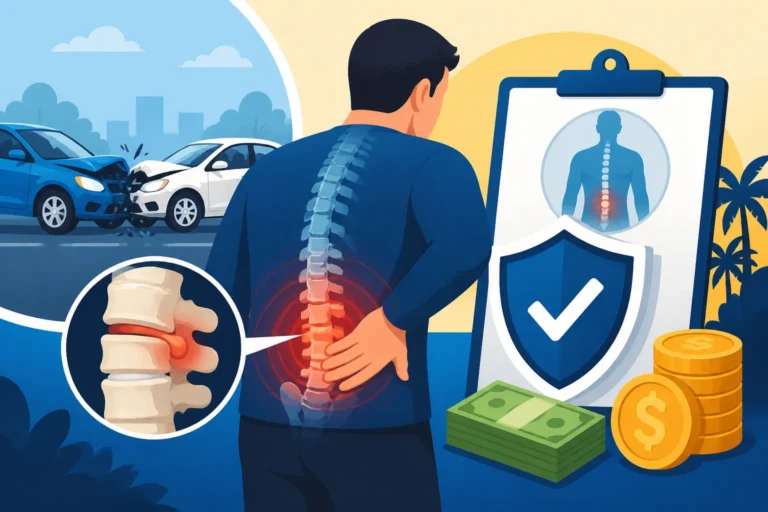
- Herniated Discs: The force of the impact can cause the soft, gel-like cushions between your vertebrae (discs) to bulge or rupture. A Herniated Disc From a Car Accident can press on nearby nerves, leading to pain, numbness, or weakness in the arms, legs, or back.
- Spinal Fractures: In severe T-bone collisions, vertebrae can fracture, potentially leading to instability or even spinal cord damage. These are extremely serious and can result in partial or complete paralysis.
- Spinal Cord Injuries: If the spinal cord itself is damaged, the consequences can be catastrophic, affecting motor function, sensation, and even organ function below the level of the injury.
Chest and Torso Injuries
Occupants on the side of impact are particularly vulnerable to chest and torso injuries as the vehicle door and interior components intrude into the cabin. Even on the non-impact side, the body can be thrown against the center console, dashboard, or other passengers.
- Rib Fractures: The chest can strike the door, steering wheel, or dashboard, leading to broken ribs. These are painful and can sometimes puncture lungs, causing pneumothorax (collapsed lung) or hemothorax (blood in the lung cavity).
- Internal Organ Damage: The forceful impact can cause contusions, lacerations, or ruptures of internal organs such as the spleen, liver, kidneys, or lungs. These injuries can be life-threatening and may not present with immediate external signs.
- Soft Tissue Contusions: Severe bruising to the chest, abdomen, and flanks is common due to direct impact or compression from the seatbelt. While often just painful, deep contusions can mask more serious underlying issues.
- Seatbelt Syndrome: Even though seatbelts save lives, the force they exert during a crash can sometimes cause injuries. This can include bruising or abrasions across the chest and abdomen, and in rare cases, internal injuries to the bowels or abdominal organs if the force is extreme. Knowing about Seatbelt Injuries After a Crash can help you understand the symptoms.
Arm and Leg Injuries
The extremities are also highly susceptible to injury in a T-bone accident, often from being thrown against the car's interior or direct impact from the intruding vehicle.
- Fractures and Dislocations: Bones in the arms, wrists, hands, legs, ankles, and feet can fracture or dislocate. The impact can crush the extremities or cause them to twist abnormally. Passengers often brace themselves with their arms and legs, leading to injuries like a broken arm or knee trauma.
- Knee Injuries: The knees frequently strike the dashboard, leading to patella (kneecap) fractures, ligament tears (like ACL or PCL), or meniscal tears. These can be debilitating and often require surgery and extensive physical therapy.
- Shoulder Injuries: The shoulder on the side of impact can be directly struck or violently forced against the door, leading to fractures of the clavicle (collarbone) or humerus (upper arm bone), dislocations, or rotator cuff tears. Shoulder Injuries From a Seatbelt can also occur from the seatbelt’s pressure.
- Wrist and Hand Injuries: Drivers often have their hands on the steering wheel, and passengers may brace themselves with their hands, making them vulnerable to fractures and sprains when the impact occurs.
Beyond the Physical: Psychological and Emotional Trauma
While the visible and internal physical injuries from a T-bone accident are often severe, it's crucial not to overlook the hidden wounds – the psychological and emotional trauma. The sudden, violent nature of these crashes can leave lasting scars on a person's mental well-being, sometimes far outliving the physical pain. It’s not just about the broken bones; it’s about the broken sense of safety and peace.
Post-Traumatic Stress Disorder (PTSD)
Experiencing a T-bone collision, especially one that was particularly violent or involved significant injury, can lead to Post-Traumatic Stress Disorder (PTSD). This condition goes beyond normal stress reactions and can severely disrupt daily life. Individuals with accident-related PTSD might experience intrusive thoughts or flashbacks of the crash, nightmares, severe anxiety when encountering anything that reminds them of the accident (like driving through intersections), and a strong urge to avoid driving or even being a passenger.
The symptoms of PTSD can be debilitating, affecting sleep, concentration, and overall mood. It’s not uncommon for survivors to become hyper-vigilant, constantly on edge, and easily startled, especially when they are in a vehicle or near traffic. This chronic state of fight-or-flight can isolate individuals and make it difficult to return to their normal routines. If you're struggling with these feelings, seeking professional help for PTSD and Emotional Distress After a Car Accident is a vital step toward recovery.
Anxiety, Depression, and Fear of Driving
Even without a full diagnosis of PTSD, many T-bone accident survivors grapple with intense anxiety and depression. The loss of personal safety and the trauma of the event can trigger generalized anxiety, making everyday tasks feel overwhelming. Depression can set in as individuals cope with physical pain, limitations, financial stress, and the emotional toll of the accident. They might feel hopeless, lose interest in activities they once enjoyed, and withdraw from social interactions.
A pervasive consequence is the development of a profound fear of driving, sometimes referred to as vehophobia. This isn't just a minor discomfort; it's a crippling anxiety that can prevent people from getting behind the wheel or even riding as a passenger. Imagine needing to go to work or pick up groceries but being paralyzed by the thought of being in a car. This fear can severely impact independence and quality of life, forcing reliance on others and drastically altering daily routines. The apprehension around intersections, specifically, can be particularly acute, turning routine commutes into sources of significant dread.
Impact on Daily Life and Relationships
The ripple effects of a T-bone accident extend far beyond the individual and into their daily life and relationships. Physical injuries, especially those that lead to chronic pain or long-term disability, can significantly alter a person's ability to work, participate in hobbies, and manage household responsibilities. A once active person might find themselves unable to play with their children, pursue a favorite sport, or even perform simple chores, leading to feelings of frustration and inadequacy.
Financially, the burden can be immense, with mounting medical bills, lost wages due to time off work, and potential long-term care needs. This financial strain can create stress within families and put a heavy strain on marital and familial relationships. Emotionally, changes in mood, irritability, and withdrawal, stemming from anxiety or depression, can create distance between loved ones. Friends and family members might struggle to understand the invisible wounds, leading to misunderstandings and feelings of isolation for the survivor. Addressing both the Economic vs Non-Economic Damages in Injury Claims is crucial for comprehensive recovery.
Seeking Medical Attention and Documenting Your Injuries
After a T-bone accident, the adrenaline can mask pain and injury symptoms. It's incredibly common for people to feel "fine" immediately after a crash, only for severe pain or other symptoms to emerge hours or even days later. This is why getting medical attention promptly, regardless of how you feel, is not just good practice – it's crucial for your health and any potential car accident claim. Ignoring symptoms can lead to worse outcomes and complicate your ability to prove your injuries later on.
Why Immediate Medical Evaluation is Crucial
The importance of seeking immediate medical evaluation cannot be overstated. Even if you don't feel severe pain right away, a trained medical professional can identify subtle signs of injury that might not be obvious to you. For example, some internal injuries, like a slow internal bleed or organ damage, might not present with clear symptoms for hours. Similarly, the symptoms of whiplash or a concussion can be delayed, sometimes for a day or two. Delaying care can not only worsen your prognosis but also create challenges for your legal claim. Insurance companies often look for gaps in medical treatment and may argue that your injuries were not caused by the accident if you waited too long to see a doctor. This is why a prompt evaluation is essential, and you should always Why You Should See a Doctor After a Car Accident.
Documenting Your Symptoms and Treatment
Once you've sought initial medical care, thorough documentation becomes your best friend. Every single symptom, no matter how minor it seems, should be clearly communicated to your doctor and noted in your medical records. Be specific about where you feel pain, the type of pain (sharp, dull, throbbing), its intensity, and how it affects your daily activities. This includes headaches, dizziness, numbness, tingling, difficulty sleeping, or emotional distress. Don't minimize your discomfort, as these details are vital for building a comprehensive record of your condition.
Furthermore, diligently follow all prescribed treatment plans. Attend every doctor's appointment, physical therapy session, and specialist consultation. Keep a detailed log of your appointments, medications, and any out-of-pocket expenses. This consistent record of treatment and your ongoing symptoms directly helps to How to Prove Injuries in a Car Accident Claim. Remember, your medical records are the backbone of any injury claim, providing objective evidence of the impact the accident has had on your health.
The Importance of Follow-Up Care
Your recovery from T-bone accident injuries is rarely a one-time visit to the emergency room. Follow-up care is a critical component of healing and documenting the full extent of your injuries. This might involve consultations with specialists like orthopedic surgeons, neurologists, physical therapists, or even mental health professionals if you're experiencing psychological trauma. Each visit, each diagnostic test (X-rays, MRIs, CT scans), and each treatment session builds a complete picture of your journey toward recovery.
The goal of this ongoing care is often to reach what doctors call Maximum Medical Improvement (MMI). This is the point where your condition has stabilized, and further treatment is unlikely to significantly improve your health. Reaching MMI is a key milestone in a car accident claim, as it helps determine the total cost of your medical care, the extent of any permanent impairment, and the value of your pain and suffering. Without consistent follow-up, it becomes much harder to establish the long-term impact of your injuries and ensure you receive the compensation you deserve.
Here's a quick overview of common T-bone accident injuries and their potential severity:
| Body Part | Common Injuries | Potential Severity | Recovery Time (General) |
|---|---|---|---|
| Head | Concussion, Traumatic Brain Injury (TBI), skull fractures, lacerations | Mild to Life-Threatening | Weeks to Years (or permanent) |
| Neck | Whiplash, herniated discs, fractures | Moderate to Severe (can lead to chronic pain) | Weeks to Months (sometimes chronic) |
| Spine | Herniated discs, vertebral fractures, spinal cord injury | Severe to Catastrophic (potential for paralysis) | Months to Years (often requires long-term management) |
| Chest | Rib fractures, internal organ damage, contusions | Moderate to Life-Threatening (collapsed lung, internal bleeding) | Weeks to Months (organ damage may require surgery) |
| Torso | Internal organ damage (spleen, liver, kidneys), seatbelt syndrome | Severe to Life-Threatening | Months (surgery often required) |
| Arms | Fractures, dislocations, soft tissue tears | Moderate to Severe (potential for reduced mobility) | Weeks to Months (surgery and PT often needed) |
| Legs | Fractures (femur, tibia, patella), knee ligament tears | Severe (can impact mobility and independence) | Months to Years (surgery and PT often needed, can be permanent) |
| Mental | PTSD, anxiety, depression, phobias | Moderate to Severe (can be debilitating without treatment) | Months to Years (therapy and medication may be ongoing) |
It's clear that the aftermath of a T-bone accident is complex, often involving not just physical healing but also emotional recovery and navigating the claims process. Ensuring you get comprehensive medical care and thoroughly document everything will be paramount to your well-being and any future claims.
Disclaimer
Please remember that the information provided in this guide is intended for general informational purposes only and does not constitute legal or medical advice. Every car accident case is unique, and the specifics of your situation will dictate the appropriate steps and potential outcomes. It is always recommended to consult with a qualified medical professional for any health concerns and an experienced legal professional for advice regarding your individual car accident claim.