Is Whiplash Common After a Rear-End Collision?
It’s a scenario no one wants to face: you're driving along, minding your own business, and then bam – you're suddenly pushed forward by an impact from behind. Rear-end collisions are incredibly common, and if you’ve been in one, you might be wondering about those nagging neck aches or strange headaches that popped up a day or two later. You're not alone in that concern; whiplash is indeed a very frequent consequence of these types of accidents, often leaving victims confused and in pain. This guide will delve into why whiplash is so common after a rear-end crash and what you need to know about it.
Understanding Whiplash and Rear-End Collisions
When another vehicle slams into the back of yours, the forces involved can be quite jarring, even in what seems like a low-speed impact. This sudden, unexpected motion is precisely what makes rear-end collisions such a prime catalyst for whiplash injuries.
What Exactly is Whiplash?
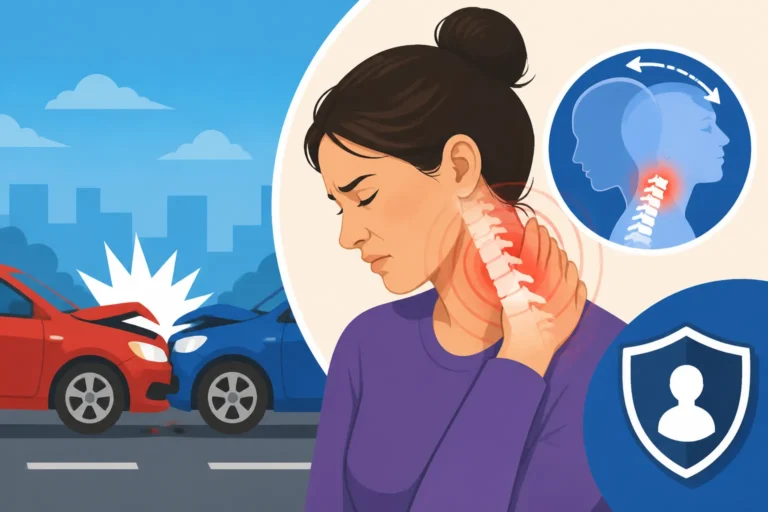
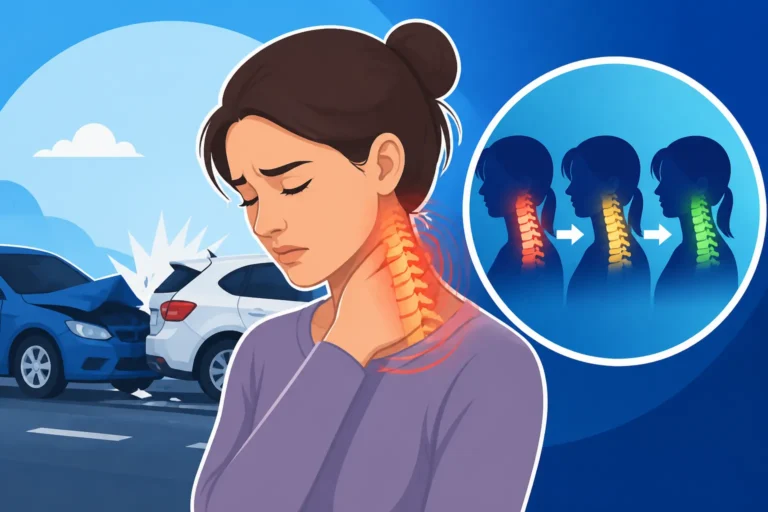
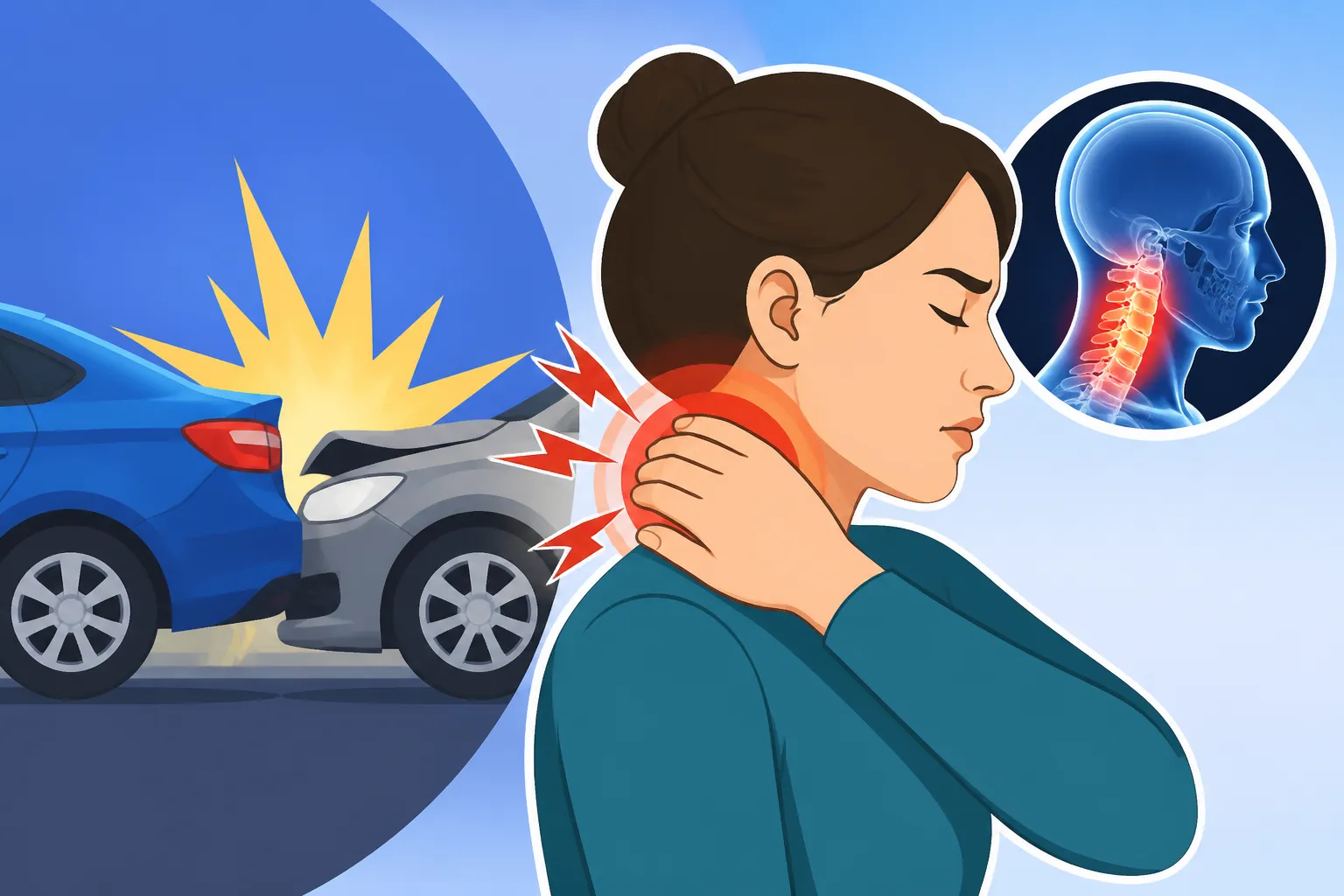
Whiplash isn't just a fancy term for a stiff neck; it's a specific type of injury that occurs when your head is suddenly forced backward and then forward, much like the crack of a whip. This rapid, uncontrolled movement hyperextends and then hyperflexes the neck, stressing the soft tissues, muscles, ligaments, and even the discs in your cervical spine. Think of your neck as a delicate, intricate pulley system designed to support your head and allow for a wide range of motion. When that system is violently thrown out of its normal parameters, it's not surprising that things get strained, sprained, or even torn.
The impact can cause microscopic tears in muscles and ligaments, irritate nerve roots, and potentially lead to more serious issues like herniated discs. Even without direct head impact, the sheer momentum can rattle your brain inside your skull, which is why concussions can sometimes accompany whiplash, even in seemingly minor accidents. It's a complex injury that can manifest in various ways, and its true nature isn't always immediately apparent. For a deeper dive into the mechanics and consequences, you might find our guide on Common Car Accident Injuries: Complete Guide (2027) helpful.
Why Rear-End Accidents are Prime Whiplash Triggers
The mechanics of a rear-end collision create the perfect storm for whiplash. When your car is hit from behind, your body is initially propelled forward, but your head, due to inertia, lags behind. This causes your neck to hyperextend (snap backward) over your seatback. Then, as your body is restrained by the seatbelt, your head quickly catches up and is thrown forward (hyperflexion) before being pulled back to its original position. This "S-shaped" motion puts immense stress on the delicate structures of the neck.
Consider a scenario where you're stopped at a red light in downtown Los Angeles. A distracted driver, perhaps looking at their phone, fails to brake in time and hits you at 15 miles per hour. Your car absorbs some of the energy, but your body experiences a rapid acceleration and deceleration. Even though the car might have minimal visible damage, your neck just underwent a violent, unnatural movement. The position of your headrest plays a crucial role here. If your headrest is too low or too far back, it can't adequately support your head during the initial backward motion, exacerbating the whiplash effect. That's why proper headrest adjustment isn't just about comfort; it's a critical safety feature designed to minimize this very type of injury. The forces involved in these crashes are far more complex than they might appear from the outside.
Recognizing Whiplash Symptoms and Their Delayed Onset
One of the most insidious aspects of whiplash is that its symptoms don't always appear immediately. This delay can lead many people to underestimate the severity of their injury, sometimes dismissing initial discomfort as just "soreness."
Immediate vs. Delayed Symptoms
It’s a common misconception that if you don't feel pain right after an accident, you’re in the clear. However, with whiplash, this couldn't be further from the truth. Many people experience a rush of adrenaline after a collision, which can mask pain and other symptoms for hours, or even days. You might feel perfectly fine at the accident scene, exchange information with the other driver, and think you've escaped unscathed. Then, 24 to 72 hours later, you wake up with a stiff neck, a pounding headache, and a general feeling of malaise. This delayed onset is a hallmark of whiplash and other soft tissue injuries.
The body's natural response to trauma includes releasing endorphins and adrenaline, which are powerful natural painkillers. Once these wear off, the inflammation and muscle spasms begin to set in, bringing the pain and stiffness with them. This is why medical professionals universally recommend seeking a medical evaluation even after a minor accident, especially a rear-end collision. Understanding how delayed symptoms affect your claim is incredibly important for your recovery and any potential legal or insurance proceedings.
Common Symptoms to Look Out For
While neck pain and stiffness are the most commonly reported symptoms, whiplash can manifest in a variety of ways, affecting different parts of your body and even your cognitive function. It's a spectrum, and symptoms can range from mild to severely debilitating.
Here's a list of common whiplash symptoms:
| Symptom Category | Specific Symptoms |
|---|---|
| Pain & Stiffness | Neck pain, stiffness, pain that worsens with movement, shoulder pain, upper back pain |
| Headaches | Headaches originating at the base of the skull, radiating to the forehead |
| Sensory Issues | Numbness or tingling in the arms or hands, dizziness, blurred vision, ringing in the ears |
| Cognitive/Emotional | Fatigue, difficulty concentrating, memory problems, irritability, sleep disturbances, depression |
| Other | Jaw pain (TMJ issues), difficulty swallowing |
If you experience any of these symptoms after a rear-end collision, it's crucial not to dismiss them. They are your body's way of telling you something is wrong. Ignoring these signs can lead to chronic pain and long-term complications. More details about these specific manifestations can be found in our comprehensive article on Whiplash Symptoms After a Car Accident.
The Severity Spectrum and Factors Influencing Whiplash Risk
The impact speed and vehicle damage in a rear-end crash aren't always accurate indicators of whiplash severity. Sometimes, a "minor" fender bender can lead to significant injuries, while a high-speed crash might, surprisingly, cause less severe whiplash depending on various factors.
Beyond a "Minor" Collision: Damage vs. Injury
It’s easy to look at a car with minor bumper damage and assume that the occupants must be fine. Insurance adjusters, unfortunately, sometimes operate under this flawed assumption, trying to downplay injuries if vehicle damage is minimal. However, scientific studies and real-world experience repeatedly show that there's often no direct correlation between the amount of property damage to a vehicle and the severity of whiplash sustained by its occupants.
Modern cars are designed with crumple zones that absorb impact energy to protect the occupants. In a low-speed rear-end collision, the bumper might absorb some energy, but the sudden acceleration and deceleration forces on your body can still be immense. Imagine a scenario in a busy intersection in Dallas: a truck lightly bumps your sedan, causing only a scratch on your bumper. Yet, the rapid shift in momentum can still cause your head and neck to snap back and forth violently. This means that even a minor accident where your car barely seems scathed can still lead to significant whiplash injuries. Never let minimal vehicle damage deter you from seeking medical attention or from pursuing a claim for your injuries. Our article on Common Injuries From a Rear-End Accident further explores this disconnect.
Factors Increasing Whiplash Risk
While rear-end collisions are inherently risky for whiplash, several factors can increase or decrease your susceptibility to this injury. Being aware of these can sometimes help in understanding why one person might suffer severe whiplash while another in a similar accident might not.
Firstly, headrest position is paramount. A properly adjusted headrest should be at least as high as the top of your head, or as high as possible, and as close to the back of your head as comfortably possible. This minimizes the distance your head travels backward before being supported. Secondly, lack of awareness before impact can heighten risk. If you're completely relaxed and unaware of an impending collision, your muscles won't brace, leading to a greater range of motion during the whiplash event.
Other factors include age, as older individuals often have less flexible necks and pre-existing degenerative conditions that can be aggravated by whiplash. Gender can also play a role, with women sometimes experiencing whiplash more frequently due to differences in neck muscle strength and size. Furthermore, pre-existing conditions like arthritis or previous neck injuries can make someone more vulnerable to severe whipllash from even a minor impact. The angle of the impact, your posture at the time of the collision, and even the type of seat you're sitting in can all influence the outcome.
What to Do If You Suspect Whiplash After a Rear-End Accident
Given the commonality of whiplash in rear-end collisions and its often-delayed onset, knowing what steps to take after an accident is crucial for your health and any potential claim.
Prioritizing Medical Evaluation
The most important step you can take after a rear-end collision, regardless of how you feel initially, is to get a thorough medical evaluation. Even if you think it's just a minor ache, a doctor can properly diagnose your condition, rule out more severe injuries, and establish a clear record of your symptoms and treatment. This is not just for your health; it's also vital for any insurance claim you might pursue. Without medical documentation, it becomes incredibly difficult to prove that your injuries were caused by the accident.
Your doctor might recommend imaging tests like X-rays, MRIs, or CT scans to get a clearer picture of any damage to your bones or soft tissues. They'll also provide a treatment plan, which could include physical therapy, medication, or other interventions. Following your doctor's orders diligently is essential for your recovery. Remember, seeing a doctor promptly can prevent minor issues from becoming chronic problems down the line, and it creates the necessary paper trail to link your injuries directly to the accident. Our article, Why You Should See a Doctor After a Car Accident, provides more guidance on this critical step.
Navigating the Claims Process with Whiplash
Dealing with a whiplash injury can be frustrating enough, but then you have to navigate the often-complex world of insurance claims. Insurance companies, especially after a rear-end collision, are often skeptical about whiplash claims because it's a "soft tissue injury" that doesn't always show up clearly on initial X-rays. This is where diligent documentation and prompt medical care become your best allies.
You'll need to demonstrate a clear link between the accident and your whiplash symptoms. This includes consistent medical treatment, records of all your symptoms, any limitations you experience, and even journaling your daily pain levels. Understanding how to prove the other driver was at fault and how to prove injuries in a car accident claim are fundamental to securing compensation. The other driver's insurance company (and sometimes your own) will try to minimize your settlement, potentially arguing that your injuries are not as severe as you claim, or that they pre-existed the accident. Being prepared with comprehensive medical records and a clear narrative of your experience is crucial. While fault in a rear-end collision is often clear, remember that issues like Rear-End Collision Fault: Who Is Responsible? can still arise. Knowing your rights and the steps to take, as outlined in What to Do After a Car Accident: Step-by-Step (2027), will empower you through this challenging process. Finally, if you're wondering about the financial implications, articles like Average Settlement for Whiplash or How Much Is a Whiplash Settlement Worth in California? can offer some perspective, though every case is unique.
Disclaimer
Please remember that this article provides general information and guidance regarding car accident claims and whiplash injuries. It is not intended as legal advice. Every accident and injury is unique, and the laws governing car accident claims can vary significantly by state and specific circumstances. For personalized advice, it is always recommended to consult with a qualified legal professional or an insurance expert who can evaluate your specific situation.