Claiming Compensation for PTSD in California
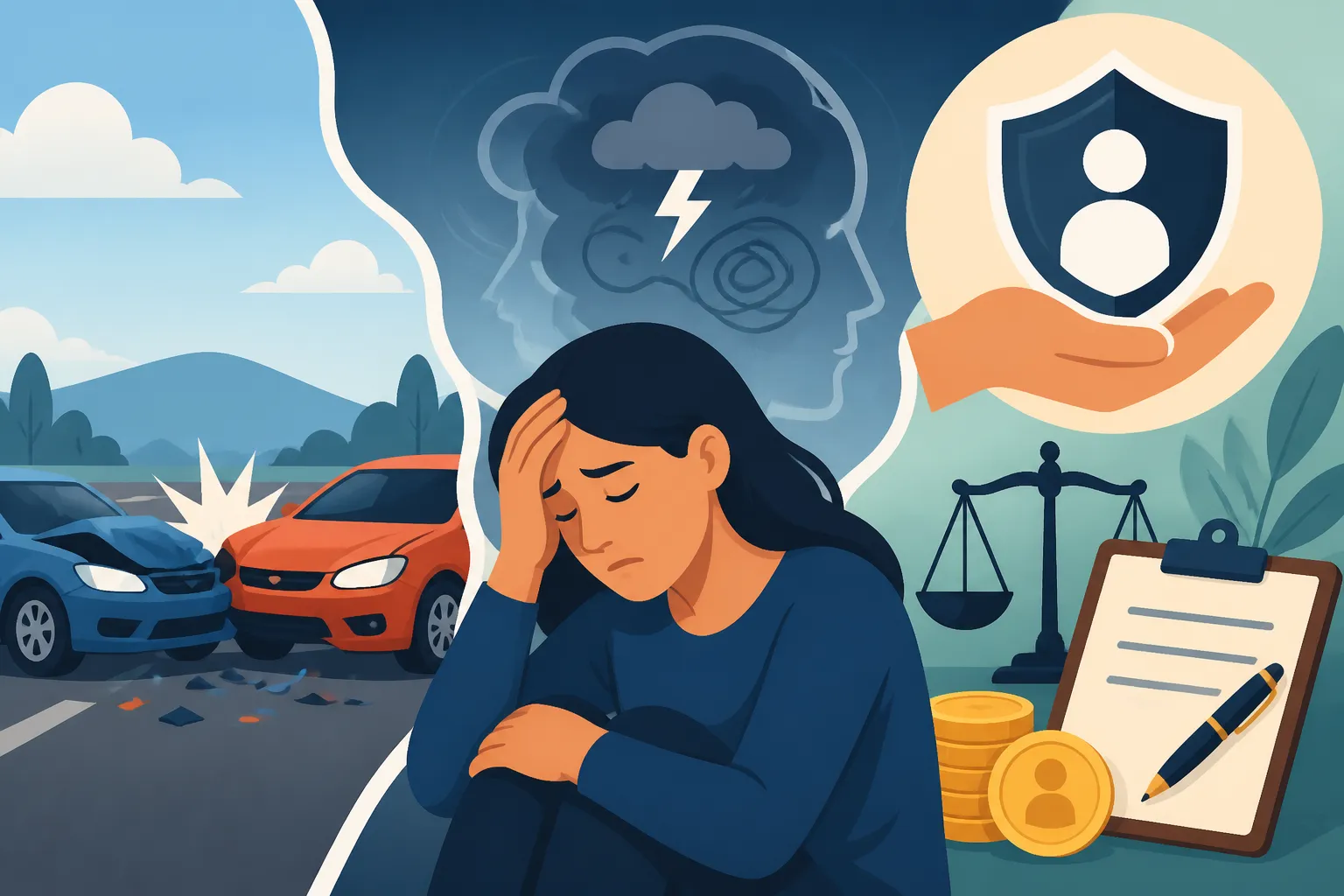
Many of us tend to focus on the immediate, visible aftermath of a car accident – the crumpled bumper, the whiplash, the doctor's visits. But what often gets overlooked, and can be just as devastating, are the silent, psychological wounds that linger long after the physical ones begin to heal. If you're grappling with Post-Traumatic Stress Disorder (PTSD) after a car accident in California, you're not alone, and this guide is here to walk you through understanding your rights and navigating the complex process of claiming compensation for this invisible injury.
Understanding Post-Traumatic Stress Disorder After a Car Accident
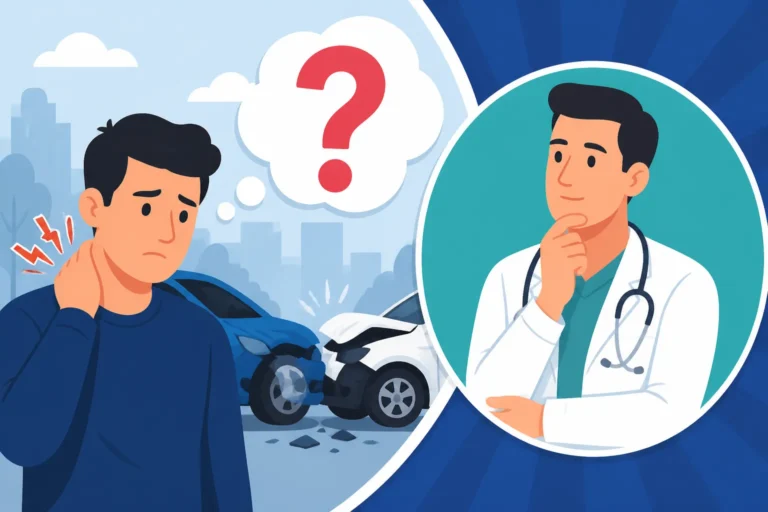
A car accident, even a seemingly minor one, can be an incredibly traumatic event. The sudden impact, the fear for your life or the lives of others, the helplessness, and the chaos can leave a lasting imprint on your mind, not just your body. It's a deeply personal struggle, and the symptoms of PTSD can emerge weeks or even months after the incident, making it hard to connect the dots initially. This delay often leads to victims questioning themselves, or worse, feeling like their distress isn't valid because it's not a visible injury like a broken bone.
What PTSD Looks Like in Daily Life
PTSD isn't just about dramatic flashbacks, although those can certainly be a part of it. It's a much broader and more insidious condition that can fundamentally alter how you experience everyday life. Imagine, for a moment, someone who used to love driving, finding themselves breaking into a cold sweat every time they get behind the wheel, or even just as a passenger. This isn't just "being nervous;" it's often a deep-seated avoidance behavior. You might find yourself taking long, convoluted routes to avoid the street where the accident happened, or even refusing to drive altogether.
Beyond avoidance, the symptoms manifest in several core ways. Intrusive thoughts, like reliving the accident through nightmares or sudden, vivid flashbacks during the day, can be incredibly disruptive. You might find your mood has shifted dramatically, experiencing persistent negative thoughts about yourself or the world, a diminished interest in activities you once enjoyed, or feeling detached from others. Then there's the hyperarousal: being constantly on edge, easily startled by loud noises – a car horn honking unexpectedly can send your heart racing – having difficulty sleeping, or struggling with concentration. These symptoms aren't just inconvenient; they can make simple daily tasks feel monumental and isolate you from friends and family who might not understand what you're going through. It's a constant, exhausting battle within your own mind.
The Hidden Battle of Psychological Injuries
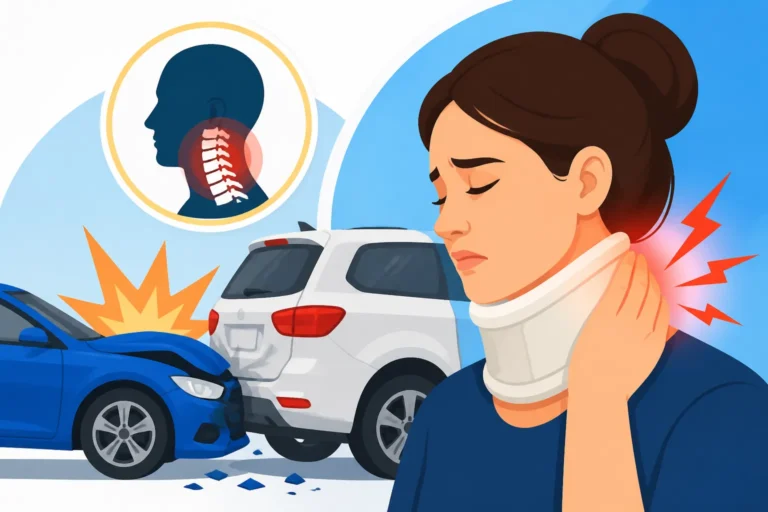
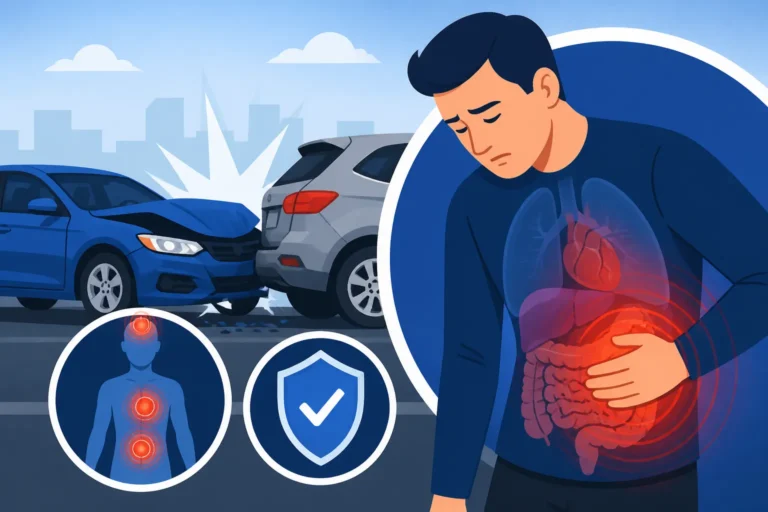
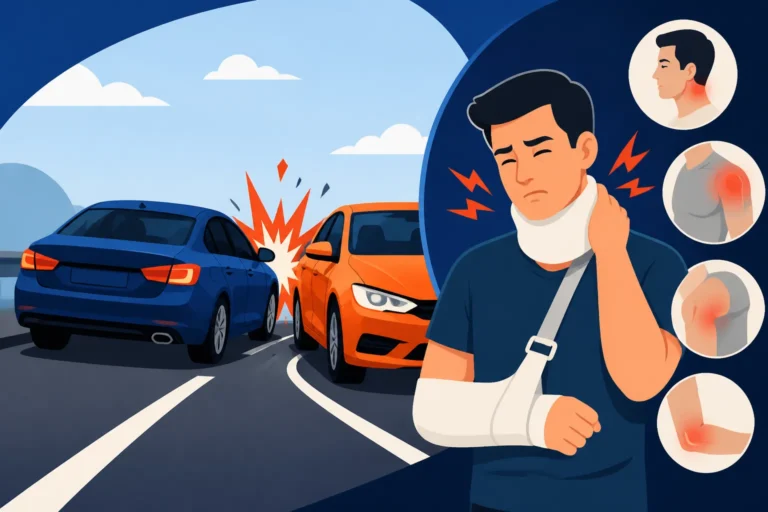
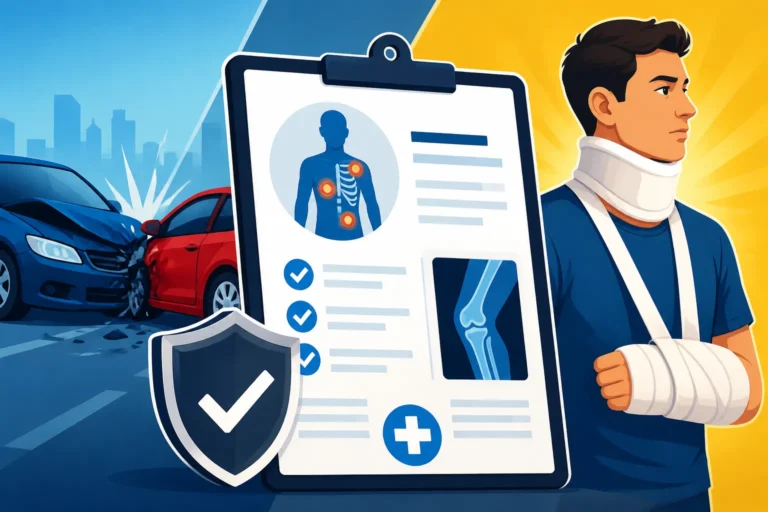
It's a frustrating reality that psychological injuries, like PTSD, often get less immediate attention and validation than physical ones. When you have a broken arm, everyone sees the cast. When you have whiplash, the neck brace is a clear sign of injury. But with PTSD, there are no visible bandages, no crutches to signal your distress to the world. This can lead to a profound sense of isolation and a feeling that your suffering isn't "real" enough to warrant medical attention or compensation. Society, and sometimes even the insurance adjusters, tend to downplay emotional distress, focusing instead on quantifiable physical damage.
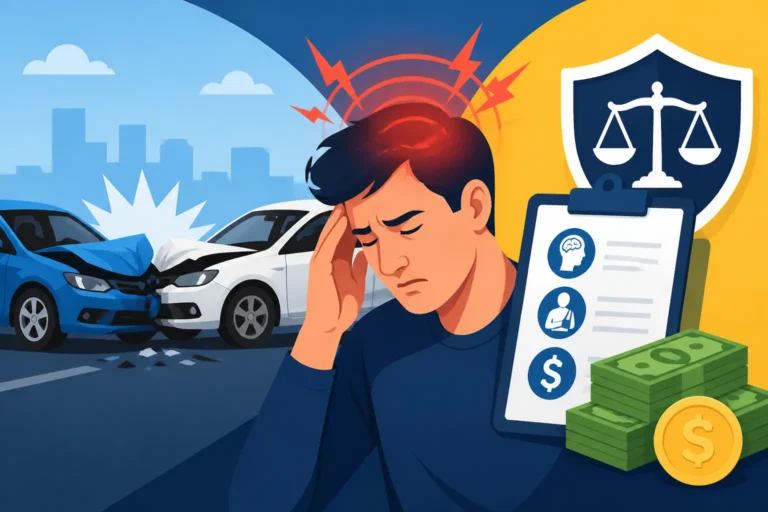
However, the impact of PTSD can be just as, if not more, debilitating than many physical injuries. It can prevent you from working, enjoying hobbies, maintaining relationships, and simply living your life with a sense of peace and security. The constant anxiety, the flashbacks, the sleep deprivation – these take a massive toll on your overall well-being. Recognizing that your emotional pain is valid and deserves proper treatment and compensation is the first crucial step. Understanding How to Document Pain and Suffering is key here, as it's often a significant component of your claim.
The Legal Landscape for PTSD Claims in California
Navigating the legal system when you're already dealing with the emotional aftermath of PTSD can feel overwhelming, but it's important to know that California law does recognize psychological injuries as compensable damages. The state aims to make victims whole again, which includes addressing both the visible and invisible wounds you've sustained. However, proving these injuries and linking them directly to the accident requires careful documentation and strategic action.
Proving PTSD is Accident-Related
One of the biggest hurdles in claiming compensation for PTSD is establishing a clear, undeniable link between the car accident and the onset or exacerbation of your psychological symptoms. This isn't something you can simply state; it requires robust medical and psychological evidence. The cornerstone of your claim will be a formal diagnosis from a licensed mental health professional, such as a psychiatrist, psychologist, or clinical therapist. These professionals use established diagnostic criteria, often from the Diagnostic and Statistical Manual of Mental Disorders (DSM-5), to determine if your symptoms meet the definition of PTSD.
What's crucial is that your mental health provider must not only diagnose your condition but also explicitly connect it to the traumatic event of the car accident. This often involves documenting the timeline of your symptoms, detailing how they began or worsened after the crash, and ruling out other potential causes. Consistent therapy sessions, detailed treatment notes, and medication prescriptions are all vital pieces of evidence. Think of it like a physical injury: you wouldn't just say your arm is broken; you'd have X-rays and doctor's reports. The same meticulous documentation is needed for your mental health. This is why it's so important to Why You Should See a Doctor After a Car Accident, even if your injuries initially seem minor or are purely psychological.
Types of Compensation Available for Emotional Distress
When you're dealing with PTSD after a car accident in California, the compensation you can claim generally falls into two broad categories: economic and non-economic damages. Understanding these can help you better assess the full scope of your losses.
- Economic Damages: These are the quantifiable, out-of-pocket expenses you've incurred or will incur as a direct result of your PTSD. This includes the cost of therapy sessions, psychiatric evaluations, prescription medications for anxiety or depression, and any specialized treatments you might need. If your PTSD has prevented you from returning to work, or forced you into a lower-paying role, you can also claim lost wages and even lost earning capacity for future income you've forfeited. These are often easier to calculate because they come with bills, invoices, and pay stubs.
- Non-Economic Damages: This is where compensation for your actual emotional distress, pain, and suffering comes into play. It's much harder to put a dollar amount on things like the constant anxiety, the inability to sleep, the fear of driving, or the loss of enjoyment of life due to your condition. California law allows for these damages, but they are subjective. Factors like the severity of your PTSD, how long it's expected to last, and how it impacts your daily life will all be considered. Often, the value of non-economic damages is determined by a "multiplier" applied to your economic damages, which can range from 1.5 to 5 times your medical bills, depending on the severity of your injuries. This concept is thoroughly explained in our guide on How the Pain and Suffering Multiplier Works (1.5x–5x).
It's also worth noting that California operates under a "pure comparative negligence" system. This means that even if you were found to be partially at fault for the accident, you could still recover damages, though your compensation would be reduced by your percentage of fault. For example, if you're found 20% at fault, your total settlement would be reduced by 20%. This system is quite different from "contributory negligence" states, where even 1% fault can bar recovery completely. Our article on What Happens If You're Partially at Fault? delves deeper into this.
California's Statute of Limitations for Personal Injury Claims
Time is absolutely of the essence when it comes to personal injury claims, including those involving PTSD. In California, the general rule is that you have two years from the date of the car accident to file a personal injury lawsuit. This is known as the statute of limitations. While two years might seem like a long time, it passes quickly, especially when you're focusing on recovery.
If you miss this deadline, you typically lose your right to pursue compensation through the courts, no matter how severe your PTSD or how clear the other driver's fault. There are very limited exceptions, such as if the injury (like PTSD) wasn't discovered until much later, but these are rare and difficult to prove. Therefore, it's critical to consult with an attorney as soon as possible after the accident, even if you're still processing the emotional trauma. An attorney can ensure all deadlines are met and that your claim is properly filed. For more detailed information, please see our post on the Statute of Limitations for Car Accidents in California.
Navigating the Claims Process with PTSD in California
Dealing with an insurance claim after a car accident is already a stressful endeavor. When you're also battling PTSD, the process can feel exponentially more challenging. The constant need to recall the accident, interact with adjusters, and attend appointments can trigger symptoms and exacerbate your condition. However, by understanding the steps and preparing yourself, you can protect your rights and improve your chances of a fair outcome.
Documenting Your Journey to Recovery
Comprehensive documentation is your strongest ally when claiming compensation for PTSD. Since this isn't a visible injury, a detailed record of your emotional and psychological struggles, and your efforts to overcome them, is paramount. This goes beyond just getting a diagnosis.
- Medical and Therapy Records: Ensure every appointment with your therapist, psychiatrist, or counselor is meticulously documented. These records should detail your symptoms, diagnosis, treatment plans, medications prescribed, and your progress (or lack thereof). Consistency is key; gaps in treatment can be used by insurance companies to argue that your injury wasn't severe or that you weren't committed to recovery.
- Personal Journal/Diary: Keep a daily or weekly journal where you document your symptoms, how they affect your daily life, specific triggers, and any emotional distress you experience. For instance, describe how a sudden loud noise made you jump and relive the crash, or how nightmares have consistently interrupted your sleep. Note how your PTSD prevents you from engaging in activities you once loved, like attending social gatherings or even going to the grocery store. This personal account can provide a powerful narrative that complements your medical records, illustrating the true impact of the PTSD on your quality of life.
- Witness Statements: If family, friends, or co-workers have observed changes in your behavior, mood, or capabilities since the accident, their written statements can corroborate your claims. Perhaps your spouse can attest to your sudden avoidance of driving, or your colleague can speak to your increased anxiety at work.
- Photos and Videos: While less direct for PTSD, any photos or videos of the accident scene can help refresh your memory and provide context to the traumatic event that caused your PTSD.
This extensive documentation is crucial for How to Prove Injuries in a Car Accident Claim, especially for psychological ones.
Dealing with Insurance Companies When You Have PTSD
Interacting with insurance adjusters can be a particularly draining experience, especially when you're dealing with the emotional fragility that often accompanies PTSD. It's important to remember that insurance adjusters, even seemingly friendly ones, work for the insurance company, and their primary goal is to minimize payouts. They are not on your side.
They might ask you to give a recorded statement, which often involves leading questions designed to get you to minimize your injuries or admit fault. It is generally advisable to decline a recorded statement until you've spoken with an attorney. You are not obligated to give one to the at-fault driver's insurance company. Be cautious about what you say; any admission of fault, even a casual "I'm okay," can be used against you later. Avoid discussing the specifics of your emotional distress in casual conversation with adjusters. Stick to the facts, and let your medical professionals and legal team articulate the severity of your PTSD.
It's common for insurance companies to try and downplay psychological injuries, suggesting they're "just stress" or that you're exaggerating. They may also try to connect your current mental health struggles to pre-existing conditions or other life stressors. This is where your thorough documentation and the support of a qualified attorney become invaluable. An experienced attorney knows how to counter these tactics and advocate for the true impact of your PTSD. Our guide on Dealing With Insurance Adjusters After a Car Accident offers more critical advice.
The Importance of Mental Health Professionals
You simply cannot overstate the importance of seeking help from qualified mental health professionals immediately after you realize you're experiencing symptoms consistent with PTSD. Self-diagnosing or trying to "tough it out" will not only hinder your recovery but also severely weaken any compensation claim you might have.
- Diagnosis and Treatment: A psychiatrist, psychologist, or licensed clinical social worker can accurately diagnose PTSD based on clinical standards. More importantly, they can develop a personalized treatment plan, which might include psychotherapy (like Cognitive Behavioral Therapy or Eye Movement Desensitization and Reprocessing – EMDR), medication, or a combination of approaches. Consistent adherence to this treatment plan is not just vital for your recovery but also serves as strong evidence in your claim, demonstrating the reality and severity of your condition.
- Expert Testimony: In some cases, your mental health professional might need to provide expert testimony or detailed reports explaining your condition, its link to the accident, and its long-term prognosis. Their professional opinion carries significant weight with insurance companies and, if necessary, in court.
- Documentation: Every visit, every diagnosis, every treatment recommendation, and every medication prescribed creates a paper trail that substantiates your claim. This is a critical component of building a strong case for compensation, as it objectively proves the existence and impact of your PTSD.
Without this professional intervention and documentation, proving your PTSD and its connection to the car accident can become incredibly challenging. Remember, your health, both physical and mental, is paramount. Seeking help is a sign of strength, and it's also a necessary step in protecting your legal rights. For a broader understanding of how all injuries are proven, refer to How Medical Records Prove Your Injuries.
| Key Evidence for a PTSD Car Accident Claim | Why It Matters |
|---|---|
| Formal Diagnosis (DSM-5) | Essential for legally establishing the existence of PTSD, provided by a licensed mental health professional. |
| Consistent Therapy/Treatment Notes | Proves ongoing suffering and commitment to recovery; details symptom progression, treatment methods, and effectiveness. |
| Prescription Records | Verifies medication for anxiety, depression, or sleep issues directly related to PTSD symptoms. |
| Personal Journal/Diary | Offers a vivid, firsthand account of daily struggles, triggers, emotional distress, and impact on quality of life. |
| Witness Statements | Corroborates changes in behavior, mood, and daily functioning observed by others since the accident. |
| Lost Wage Documentation | Evidence of income loss if PTSD prevents work or requires reduced hours. |
| Accident Report/Police Report | Establishes the traumatic event that triggered the PTSD. |
Disclaimer
Please remember that this article provides general informational guidance and should not be considered legal advice. Every car accident claim, especially those involving complex psychological injuries like PTSD, has unique circumstances. It is always recommended to consult with a qualified personal injury attorney in California to discuss the specifics of your situation and understand your legal options.