Long-Term Effects of Herniated Disc From a Car Accident
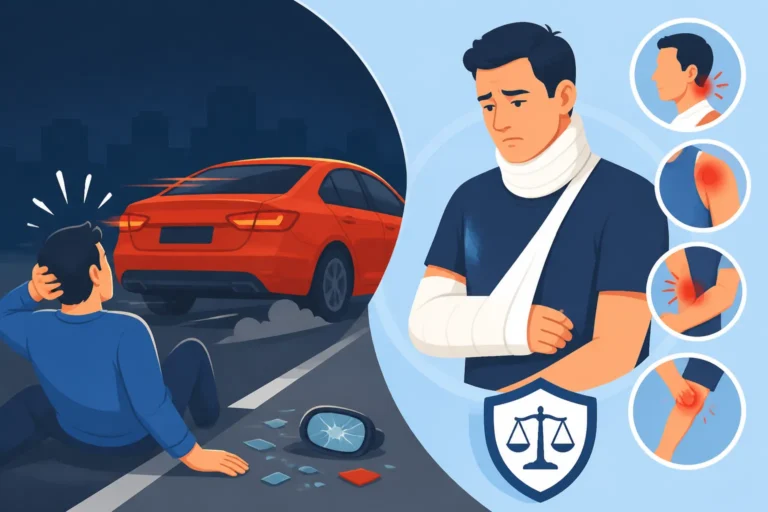
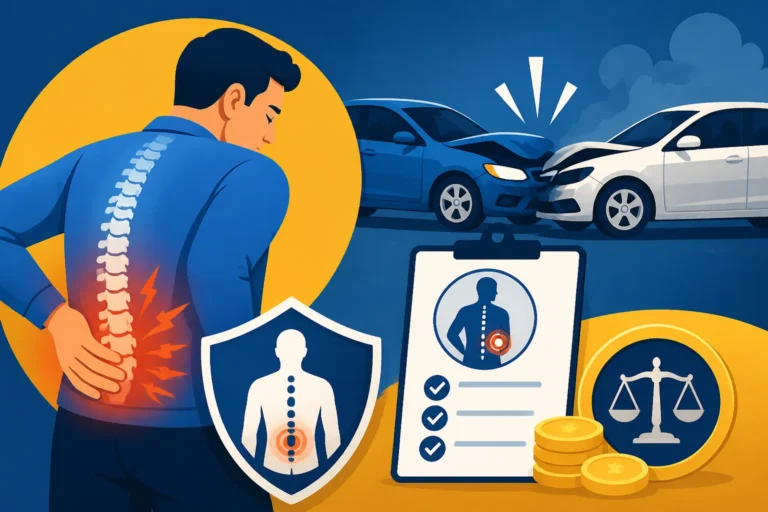
Being in a car accident is a terrifying, disorienting experience. While the immediate aftermath often focuses on visible injuries or wrecked vehicles, many people discover later that the true impact goes far deeper, manifesting in hidden injuries like a herniated disc. These aren't just minor aches that fade away; a herniated disc can transform into a persistent, life-altering condition. This guide is here to shed light on the reality of the long-term effects of a herniated disc resulting from a car accident, helping you understand what to expect and how to manage this challenging journey.
Understanding How Car Accidents Cause Herniated Discs
When you're involved in a car accident, the forces at play are immense and often unpredictable. Your body is subjected to sudden, violent movements that it's simply not designed to withstand. This trauma can wreak havoc on your spine, leading to injuries that aren't always immediately apparent but can develop into significant long-term problems. It's crucial to grasp the mechanics of this injury to fully understand its lasting repercussions.
What Exactly Is a Herniated Disc?
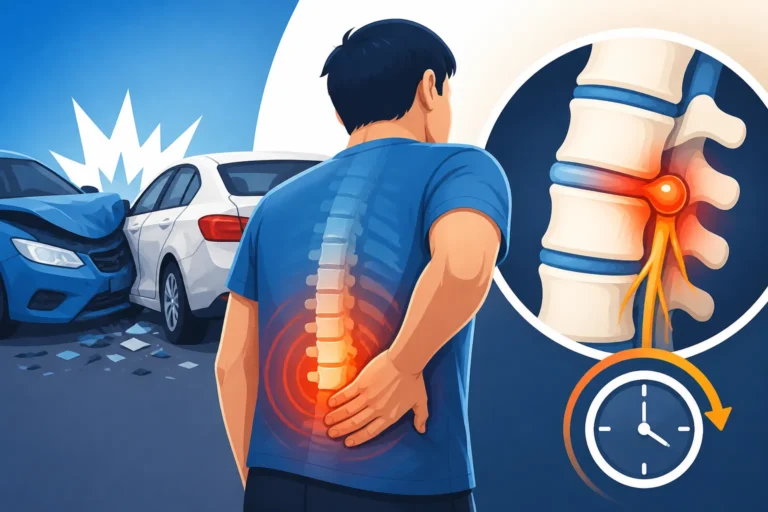
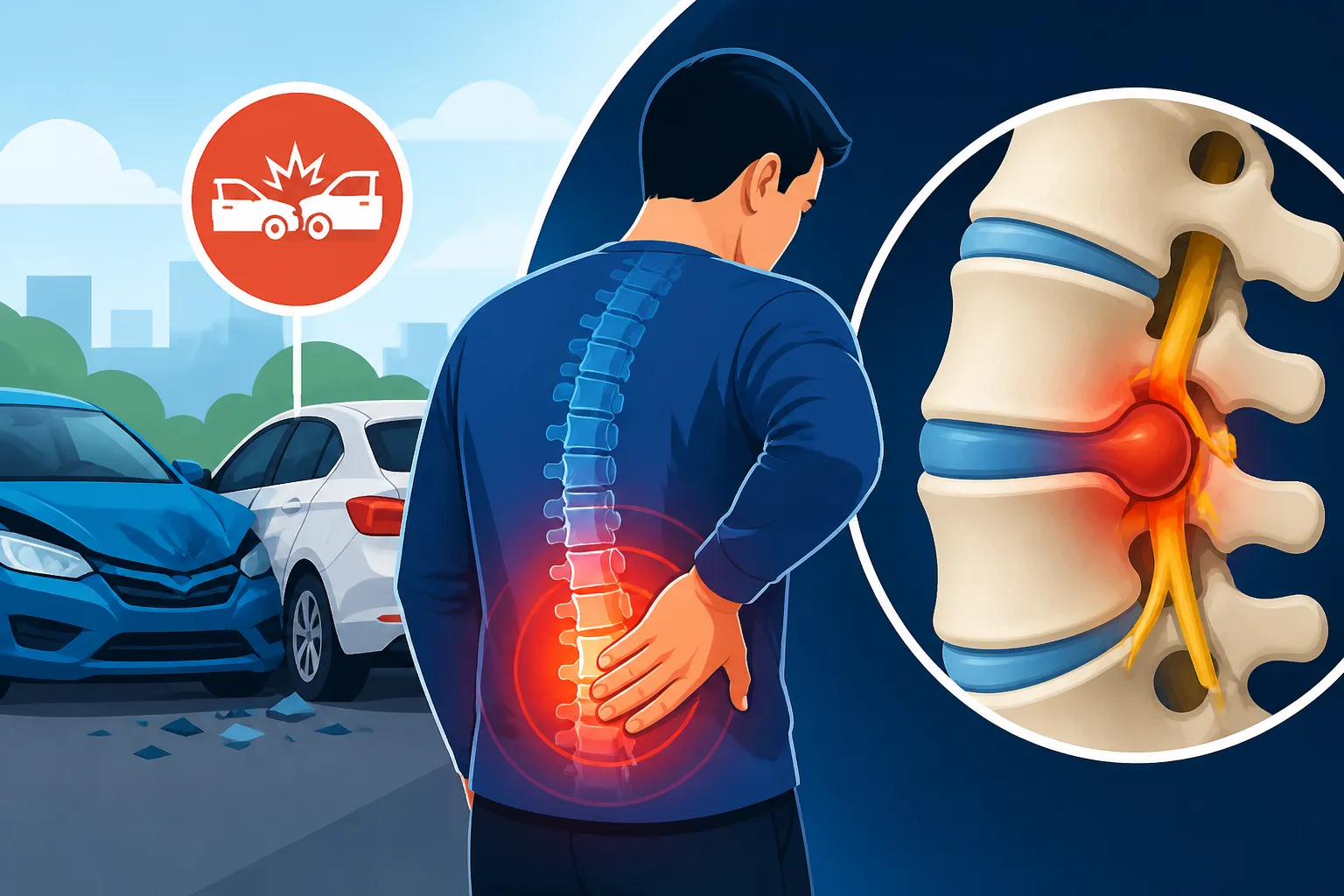
Imagine your spine as a stack of bony vertebrae, cushioned by soft, rubbery discs between each one. These intervertebral discs act like shock absorbers, allowing your spine to bend, twist, and flex while protecting your nerves. Each disc has a tough, fibrous outer layer (the annulus fibrosus) and a jelly-like center (the nucleus pulposus). When a disc herniates, it means that the soft inner material pushes out through a tear or weakness in the outer layer. This can happen in any part of your spine, but it's most common in the lumbar (lower back) and cervical (neck) regions, which are particularly vulnerable during a sudden impact. The displaced disc material can then press on nearby nerves, leading to a host of debilitating symptoms.
Why Car Accidents Cause Disc Injuries
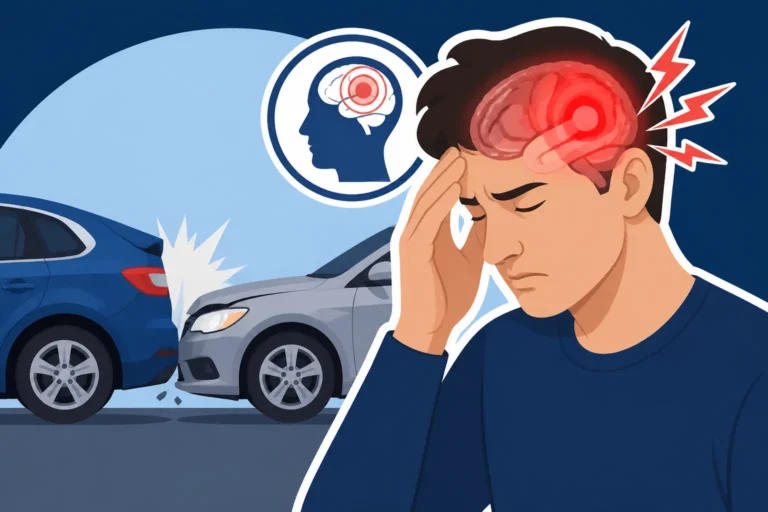
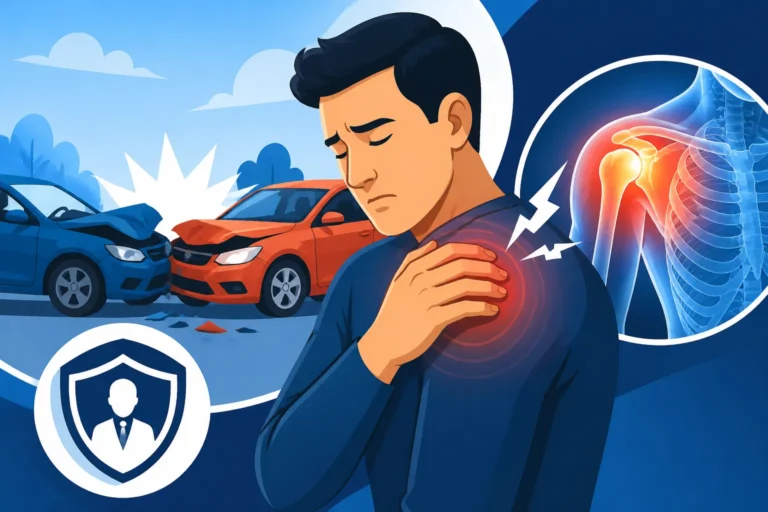
Car accidents are a prime culprit for herniated discs due to the sheer force involved. A sudden jolt or impact, even in a seemingly minor fender-bender, can cause your spine to hyperextend, hyperflex, or twist violently. Think about a rear-end collision: your body is first thrown forward, then snapped backward, creating a whiplash effect on your neck and upper back. This rapid, uncontrolled movement can exert immense pressure on your spinal discs, causing the outer layer to tear and the inner material to bulge or rupture. Similarly, side-impact (T-bone) crashes or head-on collisions can lead to direct compression or rotational forces on the spine, essentially squeezing or twisting the discs beyond their natural capacity. Unlike a gradual wear-and-tear injury, car accident-related herniations often involve a sudden, traumatic event. You can learn more about specific injuries in our comprehensive guide, Common Car Accident Injuries: Complete Guide (2027).
Initial Symptoms Versus Lingering Issues
Immediately after a car accident, the adrenaline often masks pain. You might feel a bit stiff or sore, dismissing it as typical post-accident discomfort. However, as the adrenaline wears off, or as inflammation sets in, the true symptoms of a herniated disc might begin to emerge. Initially, you might experience localized pain in your neck or back, muscle spasms, or a tingling sensation. But for many, these acute symptoms don't simply disappear. Instead, they evolve into a chronic condition, morphing into lingering issues that can affect nearly every aspect of your life. The critical point here is that even if your initial discomfort seems manageable, a herniated disc can have a much longer recovery trajectory. It's why early diagnosis is so important, as discussed in "Herniated Disc From a Car Accident".
The Enduring Impact: Long-Term Effects on Your Body
The initial pain of a herniated disc might be severe, but it’s the long-term effects that truly define the challenge for many car accident survivors. These aren't just temporary inconveniences; they can become permanent fixtures in your life, dictating your daily activities and diminishing your overall well-being. Understanding these persistent issues is key to effective management and, if applicable, making a comprehensive car accident claim.
Chronic Pain and Nerve Damage
Perhaps the most pervasive and debilitating long-term effect is chronic pain. When a herniated disc presses on spinal nerves, it can cause persistent, radiating pain known as radiculopathy. If the injury is in your lower back, this often manifests as sciatica – a sharp, shooting pain that travels down your leg, sometimes into your foot. For a cervical (neck) herniation, you might experience similar radiating pain, numbness, or weakness in your arm, hand, or fingers. This isn't just a dull ache; it can be an intermittent burning sensation, sharp jolts, or a constant throbbing that never truly subsides. Living with this kind of chronic pain can be mentally exhausting and physically draining, making even simple tasks feel like monumental challenges. This is a common issue for individuals experiencing Chronic Pain After a Car Accident.
Beyond just pain, prolonged nerve compression can lead to actual nerve damage. This might involve persistent numbness, tingling, or even a loss of sensation in the affected limb. More severely, nerve damage can result in muscle weakness, affecting your grip strength, ability to lift objects, or even your balance and gait. Imagine struggling to hold a coffee cup, button your shirt, or simply walk without a limp. These are real, everyday consequences that can stem from a herniated disc after a car accident. Over time, this nerve damage can become permanent if not properly addressed, highlighting the importance of timely and consistent medical intervention.
Limited Mobility and Stiffness
Another significant long-term consequence of a herniated disc is reduced mobility and persistent stiffness. The injured disc and surrounding inflamed tissues can cause your spine to become rigid, making it difficult to perform movements that were once effortless. Bending over to tie your shoes, twisting to grab something from the backseat, or even simply turning your head to check your blind spot can become excruciatingly painful or impossible. This limitation isn't just about discomfort; it impacts your functional abilities. You might find yourself unable to participate in hobbies you once loved, like gardening, playing sports, or even taking long walks.
This stiffness can also lead to a guarded posture as your body attempts to protect the injured area. Over time, this protective posturing can cause other muscles to tighten and become strained, creating a cascading effect of pain and discomfort throughout your back and neck. For example, if you're constantly holding your neck stiffly to avoid pain from a cervical herniation, you might develop tension headaches, shoulder pain, and upper back tightness. This cycle of pain and limited movement often requires ongoing physical therapy and consistent stretching to manage, but for many, full pre-injury mobility remains elusive. More details about these types of issues can be found in "Back and Spinal Injuries From Car Accidents".
Secondary Complications and Degeneration
A herniated disc isn't always an isolated event; it can set the stage for other, more serious spinal problems over time. One common complication is the acceleration of degenerative disc disease. While disc degeneration is a natural part of aging, a traumatic injury like a car accident can significantly speed up the process. The damaged disc may continue to lose height and hydration, leading to further instability and wear and tear on adjacent vertebrae. This can result in bone spurs (osteophytes) forming, which can further narrow the spinal canal and press on nerves.
Another potential secondary complication is spinal stenosis, a narrowing of the spaces within your spine, which can put pressure on the spinal cord and the nerves that travel through it. This can lead to worsening pain, numbness, tingling, or weakness, especially when walking or standing. In some cases, prolonged nerve compression can lead to muscle atrophy, where the affected muscles waste away due to lack of nerve stimulation. Dealing with these evolving issues often requires continuous medical management, multiple treatment modalities, and sometimes, repeated interventions, all stemming from that initial car accident injury. This is part of the broader discussion of "What Are Damages in a Car Accident Claim?".
Beyond Physical: How a Herniated Disc Affects Your Life
The impact of a long-term herniated disc extends far beyond just physical pain and limited movement. It’s a condition that permeates every aspect of your existence, challenging your ability to work, enjoy life, and even maintain your emotional well-being. The unseen consequences can be just as devastating as the physical ones.
Impact on Work and Daily Activities
Imagine waking up every day knowing that bending, lifting, or even sitting for too long will trigger intense pain. This is the reality for many living with a chronic herniated disc. Professionally, this can mean significant limitations. Jobs requiring physical labor, prolonged sitting, or repetitive movements become incredibly difficult, if not impossible. A truck driver might struggle with long hours behind the wheel, a nurse might find it impossible to lift patients, or an office worker might endure constant agony from sitting at a desk. This can lead to reduced work hours, job loss, or a complete career change, significantly impacting your income and future prospects. This is where concepts like "Lost Earning Capacity vs Lost Wages" become very real.
Beyond work, your personal life takes a hit. Simple daily activities that most people take for granted become monumental tasks. Picking up your child, doing household chores like vacuuming or laundry, carrying groceries, or even getting dressed can cause debilitating pain. Hobbies that once brought joy, such as hiking, playing an instrument, or gardening, might become too painful to pursue. This gradual erosion of independence and enjoyment can lead to deep frustration and a sense of loss. It's not just about what you can't do, but what you miss out on because of persistent pain.
Mental and Emotional Toll
Living with chronic pain is an immense mental and emotional burden. The constant discomfort, the uncertainty of when the pain will flare up, and the frustration of being limited in daily life can easily lead to depression, anxiety, and irritability. Many individuals with long-term herniated discs experience significant changes in their mood and personality. They might withdraw from social activities, feel isolated, or struggle with feelings of hopelessness. Sleep disturbances are also common, as finding a comfortable position becomes nearly impossible, creating a vicious cycle where lack of sleep exacerbates pain and negatively impacts mood.
The emotional impact can be profound, affecting relationships with family and friends. Spouses might struggle to understand the invisible pain, and children might miss their parent's active participation. The cumulative stress of managing pain, navigating medical appointments, and dealing with financial strain can overwhelm even the most resilient individuals. It's a constant battle, not just against physical symptoms, but against the despair and frustration that often accompany them. This often ties into "PTSD and Emotional Distress After a Car Accident".
Financial Strain from Ongoing Treatment
A long-term herniated disc can also be a massive financial drain. The journey from injury to chronic management often involves a multitude of medical interventions:
- Doctor visits: Frequent appointments with general practitioners, neurologists, orthopedists, and pain management specialists.
- Diagnostic tests: Repeated MRIs, X-rays, and nerve conduction studies to monitor the condition.
- Physical therapy: Numerous sessions over months or even years to build strength and flexibility.
- Medications: Over-the-counter pain relievers, prescription anti-inflammatories, muscle relaxers, and nerve pain medications.
- Injections: Epidural steroid injections or nerve blocks for temporary pain relief.
- Alternative therapies: Chiropractic care, acupuncture, massage therapy.
- Potential surgeries: If conservative treatments fail, surgery like a microdiscectomy or spinal fusion might be necessary, incurring substantial costs for the procedure, hospital stay, and post-operative care.
Even with insurance, out-of-pocket expenses can quickly accumulate, creating significant debt. Coupled with potential lost income from being unable to work, the financial burden can be crushing, adding another layer of stress to an already difficult situation. This financial strain is a critical component of "Economic vs Non-Economic Damages in Injury Claims."
Navigating Treatment and Recovery for Long-Term Health
Facing the long-term effects of a herniated disc after a car accident can feel overwhelming, but there are clear paths forward for managing your health and working towards the best possible recovery. It’s a marathon, not a sprint, and consistent, informed action is your best ally.
Conservative Management Strategies
For most individuals with herniated discs, the initial approach involves conservative treatments aimed at reducing pain and inflammation, and restoring function without surgery. These strategies are often multi-faceted and tailored to your specific needs. Physical therapy is a cornerstone, focusing on strengthening core muscles, improving posture, increasing flexibility, and teaching proper body mechanics to prevent re-injury. You'll likely learn specific exercises and stretches to do at home. Medications, ranging from over-the-counter pain relievers like ibuprofen or naproxen to prescription muscle relaxants, anti-inflammatories, or nerve pain medications like gabapentin or pregabalin, play a role in managing symptoms.
Additionally, your doctor might recommend epidural steroid injections or nerve block injections, which deliver anti-inflammatory medication directly to the affected nerves, offering temporary relief and creating a window for physical therapy to be more effective. Lifestyle adjustments are also crucial. This might include modifying activities that exacerbate pain, incorporating ergonomic principles into your work and home environments, using heat or ice packs, and practicing mindfulness or other stress-reduction techniques to cope with chronic pain. Consistent engagement with these strategies is vital for long-term improvement. For more on treatment options, see "Whiplash Treatment and Recovery".
Surgical Interventions
While conservative treatments are usually the first line of defense, sometimes they simply aren't enough to provide lasting relief, especially if there’s significant nerve compression causing progressive weakness or severe, intractable pain. In these cases, surgical intervention might become a necessary consideration. The most common procedure for a herniated disc is a microdiscectomy, where a surgeon removes the herniated portion of the disc that is pressing on the nerve. This is typically a minimally invasive procedure with a relatively quicker recovery time compared to more extensive surgeries.
However, in some more complex cases, or if the spine is unstable, a spinal fusion might be recommended. This involves permanently connecting two or more vertebrae to eliminate motion between them, which can reduce pain but also limit flexibility in that segment of the spine. Recovery from spinal surgery can be extensive, often involving several months of rehabilitation. It’s a big decision, and your medical team will carefully weigh the potential benefits against the risks and recovery challenges. The goal of surgery is to decompress the nerves and provide a more stable spine, ultimately aiming for a better quality of life.
The Importance of Consistent Medical Care
When dealing with a long-term injury like a herniated disc from a car accident, consistent medical care isn't just a recommendation; it's absolutely essential. Your recovery isn't a straight line; there will be good days and bad days, and your treatment plan will likely evolve over time. Regular follow-up appointments with your doctors (including specialists like neurologists or orthopedists) are crucial for monitoring your condition, adjusting medications, evaluating the effectiveness of therapies, and catching any potential secondary complications early. This continuous oversight allows for proactive management, addressing new symptoms or challenges as they arise.
Moreover, if your herniated disc resulted from a car accident, maintaining meticulous medical records is paramount, not just for your health but also for any potential car accident claim. Every doctor's visit, every diagnostic test, every physical therapy session, and every prescription becomes a piece of evidence demonstrating the severity and long-term nature of your injury. This documentation helps link your current condition directly to the accident and substantiates the extent of your damages, including medical expenses, lost wages, and pain and suffering. Without a clear and continuous record of your medical journey, it can be incredibly challenging to prove the full impact of your injury. This is crucial for how to prove injuries in a car accident claim and is something you should consider from the moment you "Why You Should See a Doctor After a Car Accident".
Documenting Your Journey for a Car Accident Claim
If your herniated disc is a direct result of a car accident, diligent documentation is not just good practice for your health, but absolutely critical for any potential car accident claim. Insurance companies are looking for concrete evidence to connect your injury to the accident and to justify the costs of your long-term care. Every single piece of medical information, from the initial emergency room visit to ongoing physical therapy notes and specialist reports, needs to be meticulously kept. This includes imaging reports (MRIs, CT scans, X-rays), diagnostic test results (nerve conduction studies), detailed medical bills, prescription records, and even notes from your therapy sessions outlining your progress and limitations.
Beyond medical records, keep a detailed personal journal of your pain levels, limitations in daily activities, emotional struggles, and any specific instances where your injury prevented you from working or enjoying life. This personal account can provide a human element to your claim, illustrating the true "Pain and Suffering Damages: What They Cover" that statistics and medical jargon often miss. Documenting how your condition impacts your ability to perform tasks, care for your family, or engage in hobbies paints a vivid picture for adjusters or a jury. The clearer and more consistent your documentation, the stronger your position will be when advocating for fair compensation for your long-term health challenges.
Here's a quick overview of some common long-term effects:
| Category | Common Manifestations | Impact on Daily Life |
|---|---|---|
| Physical Pain | Chronic radiculopathy (e.g., sciatica), persistent local back/neck pain, burning sensations, sharp jolts. | Constant discomfort, difficulty sleeping, reduced energy, reliance on pain medication, inability to find comfortable positions. |
| Nerve Dysfunction | Numbness, tingling, muscle weakness (e.g., foot drop, grip weakness), loss of sensation. | Difficulty with fine motor skills, increased risk of falls, inability to lift or carry objects, impaired balance, sensation of "pins and needles." |
| Mobility & Stiffness | Reduced range of motion in neck/back, difficulty bending, twisting, prolonged sitting/standing. | Struggles with self-care (getting dressed), household chores, driving, participation in sports/hobbies, feeling rigid and inflexible. |
| Secondary Issues | Accelerated degenerative disc disease, spinal stenosis, muscle atrophy, chronic inflammation. | Worsening of original symptoms, need for additional medical interventions (injections, potential further surgeries), loss of muscle mass and strength, increased vulnerability to future spinal problems. |
| Emotional/Mental | Depression, anxiety, irritability, frustration, sleep disturbances, social isolation. | Strain on personal relationships, decreased enjoyment of life, difficulty concentrating, feelings of hopelessness, impact on mental health requiring additional support. |
| Functional/Work | Inability to perform job duties, need for career change, difficulty with daily tasks, reduced stamina. | Loss of income, financial stress, dependence on others for assistance, inability to pursue passions, diminished sense of purpose. |
Remember, the journey with a herniated disc from a car accident can be long and challenging, but with proper medical care, diligent self-management, and thorough documentation, you can work towards improving your long-term health and securing the support you need.
Disclaimer
Please remember that this article provides general information and insights into the long-term effects of a herniated disc after a car accident. It is not a substitute for professional medical advice, diagnosis, or treatment. Always consult with a qualified healthcare professional for any medical concerns or before making any decisions related to your health or treatment. Additionally, this information is not legal advice. If you have been involved in a car accident, it is recommended to consult with an experienced personal injury attorney to discuss your specific situation and legal options.