What to Do If the Other Driver Has No Insurance
Getting into a car accident is jarring enough, but discovering the other driver has no insurance can turn an already stressful situation into a full-blown financial nightmare. Many people feel a sudden panic, wondering if they're left footing the bill for damages and injuries through no fault of their own. This guide is here to walk you through exactly what steps you need to take when facing an uninsured motorist, helping you understand your options and protect your rights.
The Immediate Shock of an Uninsured Driver
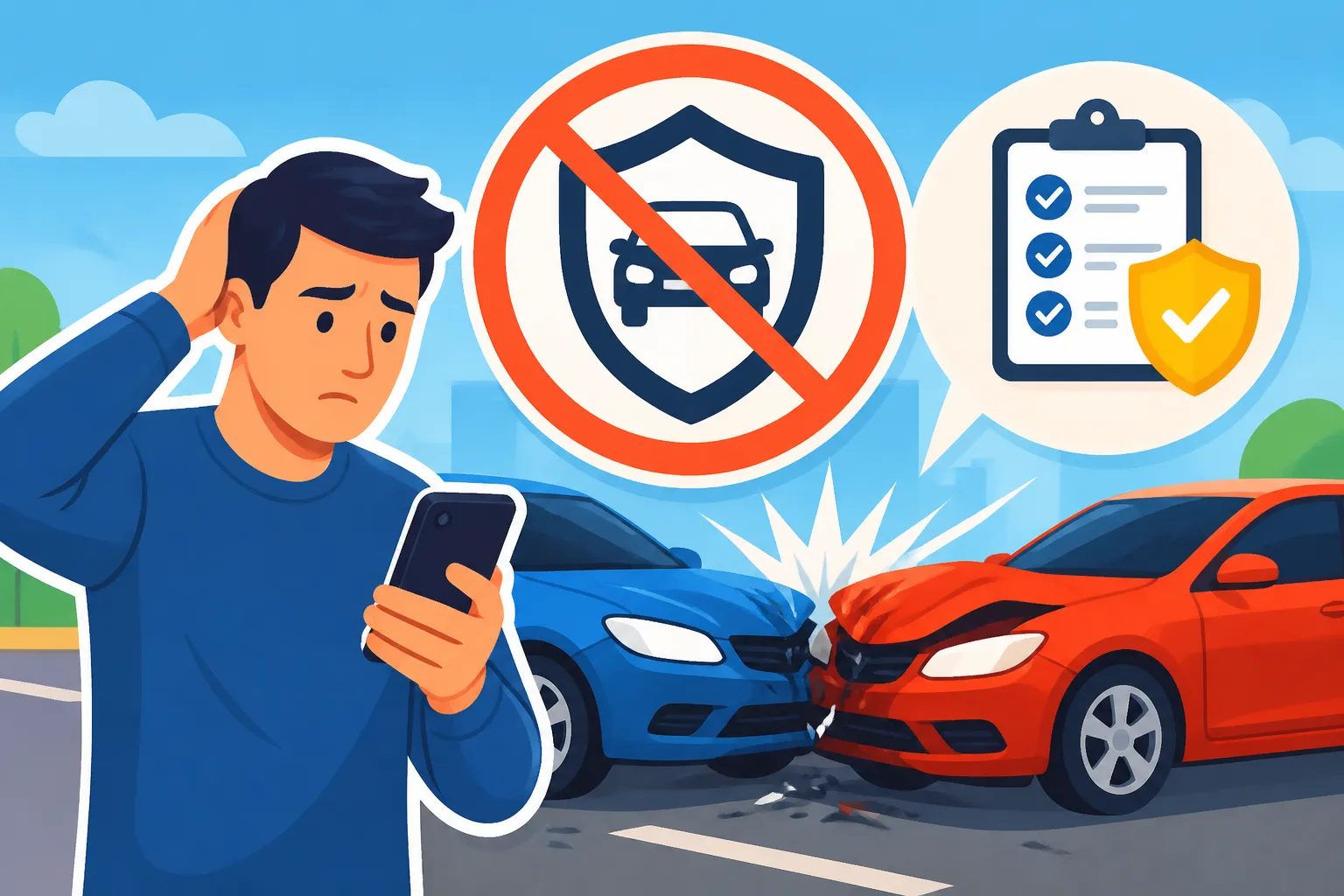
It's a moment that can make your heart sink: you've just been involved in a collision, you're shaken, maybe a little sore, and as you exchange information, the other driver sheepishly admits they don't have insurance. Or perhaps they have a policy, but it's the absolute bare minimum, leaving you wondering if it will even begin to cover your losses. This isn't just an inconvenience; it's a profound financial threat that can impact everything from your car repairs to your medical bills.
The Gut-Wrenching Realization
Many drivers are diligent about carrying adequate insurance coverage, assuming everyone else on the road is doing the same. So, when you encounter an uninsured driver, it feels like a betrayal of that trust. You might be left with a damaged vehicle, mounting medical expenses, and a sense of helplessness. The immediate thought is often, "How am I going to pay for all of this?" especially if your own car is now undrivable or you're experiencing pain from the impact. This initial wave of anxiety is completely normal, but it's crucial to understand that you do have avenues for recourse.
The Financial Strain and Uncertainty
The financial implications of an uninsured motorist accident can be significant. Imagine your vehicle, which you rely on daily for work or childcare, is now totaled or requires thousands of dollars in repairs. If you've also suffered injuries, even seemingly minor ones like whiplash or a concussion, the medical bills can quickly skyrocket. Without the at-fault driver's insurance to cover these costs, the burden often falls on you and your own insurance policy. This can lead to a lot of uncertainty, delaying repairs, treatment, and your overall recovery while you navigate the complex world of insurance claims. It’s a frustrating situation that no one wants to be in, but with the right information, you can navigate it effectively.
Your Own Insurance as the First Line of Defense
When the other driver turns out to be uninsured, your own insurance policy often becomes your most critical asset. This is where different types of coverage you might have, or might have overlooked, truly come into play. Understanding what your policy offers is paramount.
Understanding Uninsured Motorist UM Coverage
Uninsured Motorist (UM) coverage is specifically designed for situations just like this. It's an optional, but highly recommended, addition to your auto insurance policy that protects you if you're hit by a driver who doesn't have insurance. This coverage typically comes in two forms: Uninsured Motorist Bodily Injury (UMBI) and Uninsured Motorist Property Damage (UMPD). UMBI covers your medical expenses, lost wages, and pain and suffering if you or your passengers are injured by an uninsured driver. UMPD, on the other hand, covers the cost of repairing the damage to your vehicle. Some states might even combine these or have slightly different naming conventions, but the core purpose remains the same: to step in when the other driver can't. Knowing if you have this coverage and what its limits are is the first step in assessing your recovery options.
Exploring Underinsured Motorist UIM and Other Coverage Options
Beyond standard UM coverage, you might also have Underinsured Motorist (UIM) coverage. This is incredibly valuable if the at-fault driver has insurance, but their policy limits are too low to cover all of your damages, which is a surprisingly common scenario given the rising costs of medical care and vehicle repairs. UIM coverage kicks in after the at-fault driver's insurance is exhausted, covering the remaining balance up to your policy's limits. For example, if your medical bills are $50,000 but the other driver only has $25,000 in bodily injury coverage, your UIM could potentially cover the remaining $25,000.
Other essential coverages that can help you in an uninsured driver scenario include Medical Payments (MedPay) or Personal Injury Protection (PIP) – especially if you're in a What Is a No-Fault State? (And Which States Are No-Fault). These coverages pay for medical expenses regardless of fault, up to their limits. Collision coverage, which pays for damage to your own vehicle regardless of who was at fault, is also crucial. While it won't cover your injuries or lost wages, it ensures your car can be repaired or replaced. If you have these types of coverage, you're in a much better position to recover from the accident.
| Coverage Type | What It Covers | When It Helps with Uninsured Drivers |
|---|---|---|
| Uninsured Motorist Bodily Injury (UMBI) | Medical expenses, lost wages, pain and suffering for you/passengers. | Directly covers your injury costs if the at-fault driver has no insurance. |
| Uninsured Motorist Property Damage (UMPD) | Damage to your vehicle caused by an uninsured driver. | Directly covers vehicle repair/replacement if the at-fault driver has no insurance. |
| Underinsured Motorist (UIM) | Medical expenses, lost wages, pain and suffering beyond at-fault driver's limits. | Covers remaining injury costs if the at-fault driver's insurance is insufficient. |
| Medical Payments (MedPay) / Personal Injury Protection (PIP) | Medical expenses for you/passengers, regardless of fault (PIP can include lost wages). | Provides immediate medical coverage, especially useful in no-fault states or if UM/UIM limits are hit. |
| Collision Coverage | Damage to your own vehicle, regardless of fault. | Pays for your vehicle repairs/replacement; your insurer may subrogate against the uninsured driver. |
Essential Steps to Take at the Accident Scene
Even when the other driver doesn't have insurance, the immediate aftermath of an accident remains critical. The actions you take at the scene can significantly impact your ability to recover compensation later, whether it's through your own insurance or other legal avenues. Do not skip these steps, no matter how minor the accident might seem.
Prioritizing Safety and Seeking Medical Attention
First and foremost, ensure everyone's safety. Move your vehicle to a safe location if possible, away from traffic. Turn on your hazard lights. Check yourself and your passengers for injuries. Even if you feel fine, it's always a good idea to seek medical attention, either at the scene from paramedics or by visiting an urgent care clinic or your doctor soon after. Injuries like whiplash or concussions often have Delayed Injury Symptoms After a Car Accident, manifesting hours or even days later. Documenting any potential injuries immediately creates a clear medical record, which is vital for any future claim.
Documenting the Scene Thoroughly
Documentation is your best friend when dealing with an uninsured motorist. Take plenty of photos and videos of the accident scene from multiple angles. Capture the damage to both vehicles, any skid marks, road signs, traffic signals, and the general surroundings. Make sure to get clear pictures of the other driver's license plate. Gather all the other driver's contact information (name, address, phone number), driver's license number, and vehicle information (make, model, year, VIN). Even if they don't have insurance, this information is crucial for your insurer and potentially for legal action. If there are any witnesses, get their contact details too. Every piece of evidence helps tell the full story of what happened.
Reporting the Accident to the Authorities
Even if the other driver has no insurance, you should still call the police. A police report serves as an official, unbiased record of the accident. It details the conditions, damages, and often includes the officer's initial assessment of fault. While a police report doesn't definitively Does a Police Report Determine Who Pays?, it carries significant weight with insurance companies and in court. The officer will also document the other driver's lack of insurance, which is crucial evidence for your claim. In many states, you are legally required to report accidents resulting in injury or significant property damage, regardless of the other driver's insurance status. Having this official record will make it much easier to move forward with your own insurance company.
Navigating the Claims Process Without Their Insurance
With the scene documented and the initial shock subsiding, your next challenge is navigating the actual claims process. This can feel daunting, especially since you won't be dealing with the at-fault driver's insurance company directly. However, your own insurer is there to help, provided you have the right coverage.
Notifying Your Own Insurance Provider
The very first thing you need to do is notify your own insurance company about the accident. Do this as soon as possible after ensuring your safety and documenting the scene. Be upfront about the other driver's lack of insurance. Your insurer will guide you on how to proceed, specifically focusing on your Uninsured Motorist (UM), Underinsured Motorist (UIM), collision, or MedPay/PIP coverages. They will open a claim and likely assign an adjuster to your case. Remember, even if the accident wasn't your fault, you should call your insurance (see Should You Call Your Insurance If It Wasn't Your Fault?) because your policy may be your only viable path to recovery.
Dealing with Your Insurance Adjuster
Your insurance adjuster will be your primary point of contact. They will investigate the accident, review the evidence you've collected, and assess the damages and injuries. Be prepared to provide them with all the information you gathered at the scene, including photos, witness statements, and the police report. It’s important to be honest and thorough.
One common frustration is feeling like you're fighting your own insurance company, even though they're supposed to be on your side. Their goal is to settle your claim for the lowest possible amount, so be prepared to negotiate. If you have significant injuries, your adjuster will likely ask for your medical records and bills. For advice on these interactions, read up on Dealing With Insurance Adjusters After a Car Accident. Make sure you understand how your claim is being processed, whether it's under your UM/UIM, collision, or other relevant coverage. Keep detailed records of all communications, including dates, times, and summaries of conversations.
Understanding Claim Types and Limitations
When the other driver is uninsured, your claim will fall under your first-party coverage – meaning you're making a claim against your own policy, not a third-party claim against the at-fault driver's insurance. This typically means utilizing your UM/UIM coverage for bodily injuries and property damage, or your collision coverage for vehicle repairs. It's essential to understand the limits of these policies. If your UMBI coverage is $50,000, that's the maximum your insurer will pay for your injuries, regardless of how high your actual damages might be. If your damages exceed your policy limits, you might still face out-of-pocket expenses. This is why having robust UM/UIM coverage is so important. Also, be aware that there might be deductibles associated with these coverages that you'll have to pay before your insurance kicks in.
Pursuing Compensation Beyond Your Policy Limits
Even with robust Uninsured Motorist coverage, there's always a chance your damages, especially for significant injuries or a totaled vehicle, could exceed your policy limits. In such cases, you might feel stuck, but there are still potential avenues to explore for additional compensation.
Suing the Uninsured Driver Directly
While challenging, suing the uninsured driver directly is an option. If your damages exceed what your own insurance covers, you can file a personal injury lawsuit against the at-fault driver. This would typically be filed in civil court. However, this path comes with a significant caveat: even if you win a judgment against them, collecting the money can be incredibly difficult. Uninsured drivers often lack substantial assets or income, making them "judgment-proof." This means that even with a court order, you might not be able to collect the full amount awarded. It's a frustrating reality for many victims.
If you decide to pursue this, you'll need legal representation. A lawyer can help you understand the feasibility of such a lawsuit and guide you through the process, which can be long and costly. They will investigate the driver's assets and help determine if a lawsuit is a worthwhile endeavor.
Small Claims Court Considerations
For smaller amounts of property damage or minor medical bills that aren't covered by your own policy, small claims court might be an option. The process here is generally simpler and less expensive than a full civil lawsuit, and you usually don't need a lawyer to represent you (though you can if you choose). Each state and county has a maximum amount you can sue for in small claims court, which varies widely but is typically a few thousand dollars up to $10,000 or $15,000 in places like California.
However, just like with a full lawsuit, winning a judgment in small claims court doesn't guarantee you'll collect the money. You still face the challenge of enforcing the judgment against an individual who may have limited financial resources. It's a trade-off: simpler process, but still no guarantee of recovery. Before heading down this route, it's wise to consider the time and effort involved versus the likelihood of actually getting paid.
State-Specific Regulations and Funds
Some states have specific programs or funds designed to assist victims of uninsured motorists. These are less common, but they do exist. For instance, Maryland has a state-managed fund that can provide benefits when no other insurance coverage is available. These programs usually have strict eligibility requirements and application processes. It's worth researching if your state offers such a safety net.
Additionally, understanding your state's specific laws regarding uninsured motorists is critical. For example, some states may impose stricter penalties on uninsured drivers, which, while not directly helping your recovery, highlights the seriousness of the issue. Whether you're in a Comparative Negligence Laws in California state or a Contributory Negligence States Where 1% Fault Bars Recovery state, the rules around fault can influence how much your own UM/UIM claim will pay out. An attorney specializing in car accident claims will be familiar with these nuances and can advise you on any unique state-level opportunities for recovery.
Protecting Yourself from Future Uninsured Motorist Incidents
While you can't control whether other drivers carry insurance, you can certainly take proactive steps to protect yourself and your finances from future encounters with uninsured motorists.
Reviewing and Enhancing Your Own Insurance Policy
The single most effective way to protect yourself is by having robust Uninsured Motorist (UM) and Underinsured Motorist (UIM) coverage on your own policy. Don't just settle for the state minimums if UM/UIM is mandatory; consider increasing your limits to match your liability coverage. For example, if you carry $100,000/$300,000 in liability, aim for the same limits for your UM/UIM. This ensures that if you're seriously injured by an uninsured driver, your policy will provide a comparable level of protection.
Talk to your insurance agent about your coverage. Discuss your assets, income, and potential medical expenses. They can help you understand the different levels of protection available and recommend what makes sense for your personal situation. Also, ensure you have sufficient collision coverage to protect your vehicle, and consider Medical Payments (MedPay) or Personal Injury Protection (PIP) for immediate medical care, regardless of fault. Think of these as your personal financial shield against the irresponsibility of others.
Understanding Your State's Financial Responsibility Laws
Every state has laws dictating the minimum amount of auto insurance drivers must carry. These are often called "financial responsibility laws." Understanding these laws in your state, and any state you frequently drive through, is important. For instance, Is Texas a No-Fault State? is not, and its minimum liability requirements might differ significantly from a no-fault state like New York. While these laws don't directly protect you from an uninsured driver, knowing them gives you a better context for the prevalence of uninsured drivers in your area and the potential inadequacy of minimum coverage.
Some states, like New York and Florida, are "no-fault" states, meaning your own insurance typically pays for your medical bills and lost wages up to a certain limit, regardless of who was at fault. Even in no-fault states, UM/UIM coverage is still essential for covering damages that exceed your PIP/MedPay limits or for property damage not covered by collision. Being informed about these state-specific nuances can help you make better insurance decisions.
Proactive Measures and What to Do After an Accident
Beyond insurance, adopting safe driving habits is always your best defense. Stay alert, avoid distractions, and drive defensively. However, accidents happen. If you're ever in another accident, remember the steps outlined earlier: ensure safety, document everything, and call the police. Having a small "accident kit" in your car with a pen, paper, a camera (your phone works perfectly), and a list of emergency contacts can be incredibly helpful.
Should the unfortunate happen again, and you find yourself involved with an uninsured motorist, revisit your knowledge of What to Do After a Car Accident: Step-by-Step (2027). By being prepared and having a clear action plan, you can minimize stress and maximize your chances of a full recovery, even when faced with the frustrating reality of an uninsured driver. Don't let someone else's lack of responsibility derail your financial stability or your physical recovery.
Disclaimer
Please remember that this article provides general informational guidance and is not a substitute for professional legal advice. Car accident laws, insurance policies, and legal procedures vary significantly by state and individual circumstances. It is always recommended to consult with a qualified legal professional and your insurance provider to discuss the specifics of your situation.