Should You Call Your Insurance If It Wasn’t Your Fault?
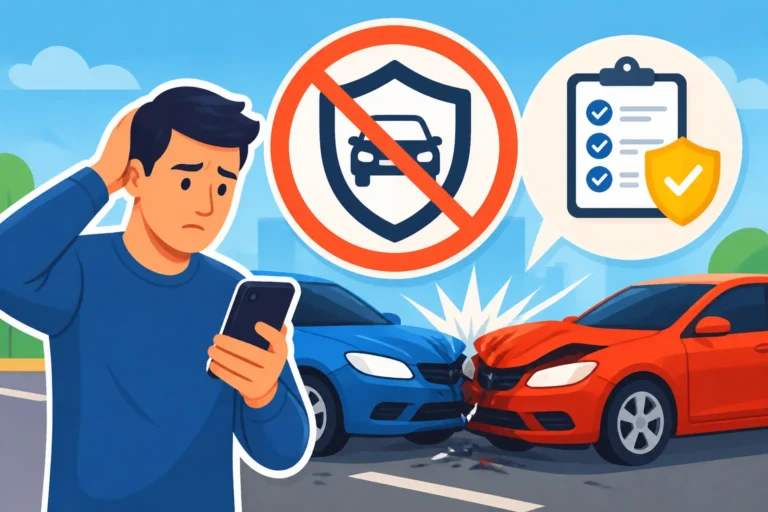
It's a common, incredibly frustrating situation: you've just been in a car accident, you know without a shadow of a doubt it wasn't your fault, and now you're staring at your phone, wondering if you really need to call your own insurance company. The thought alone can be daunting, bringing fears of increased premiums or tangled paperwork. This guide is here to walk you through that exact dilemma, clarifying when and why reaching out to your own insurer is not just a good idea, but often a crucial step, even if the other driver was clearly at fault.
Understanding the Initial Impulse Not to Call Your Insurer
After the shock of a fender bender or a more serious collision, your mind is racing. You might be physically shaken, worried about your car, or simply trying to process what just happened. One of the first instincts for many people, especially when they're certain the other driver is to blame, is to avoid contacting their own insurance company. This hesitation is completely understandable, rooted in some very real, and some less realistic, concerns.
Fear of Premium Hikes
Let's be honest, nobody wants their car insurance rates to go up. It feels like an unfair punishment when you weren't even the one who caused the accident. This fear is a major reason why people might try to avoid involving their own insurer. The logic often goes: if I don't report it to my company, they won't know, and my rates will stay the same. You might imagine a black mark appearing on your insurance record just for making a call, regardless of fault.
However, this isn't always how it works. While it's true that claims, particularly at-fault claims, can impact your premiums, many states have laws preventing insurers from raising rates solely based on not-at-fault accidents. What insurers do care about is your claims history. They look at patterns of accidents, even minor ones. But simply reporting a not-at-fault accident usually won't trigger an automatic rate hike. The real risk comes from not reporting it and missing out on crucial support, only to find later that the situation is far more complicated than you initially thought.
Believing the Other Driver's Insurance Will Handle Everything
Another common reason for hesitation is the belief that the at-fault driver's insurance company will take care of everything. You might think, "They hit me, so their insurance should pay for everything, right?" On paper, this sounds perfectly logical. In a perfect world, the at-fault driver's insurer would acknowledge their client's responsibility, promptly assess damages, and issue a fair settlement for your vehicle repairs, medical bills, and any other losses.
Unfortunately, the real world, especially the world of insurance claims, isn't always that straightforward. The other driver's insurance company's primary responsibility is to their policyholder, not to you. They are often looking for ways to minimize their payout, and they might drag their feet, dispute fault, or offer a lowball settlement. They might even try to find a way to assign partial blame to you, which can significantly reduce your compensation. Dealing directly with a third-party insurer can feel like an uphill battle, especially when you're already stressed and recovering from an accident. This is where your own insurance company can become an invaluable advocate.
Why Calling Your Own Insurance is Often a Smart Move
Despite the natural reservations, contacting your own insurance company after a car accident, even if you’re not at fault, is often the most pragmatic and beneficial course of action. It's not about admitting blame or even necessarily making a claim on your policy; it's about leveraging the resources and expertise you already pay for to protect your interests.
Expediting the Claims Process
When you report an accident to your own insurer, you're not just making a phone call; you're essentially activating a network of professionals whose job it is to help you. Your insurance company can often initiate the process much faster than waiting for the other driver's insurer to get around to it. They can begin documenting the incident, advising you on next steps, and even start arranging for a rental car if your policy includes that coverage.
Think about it: the other driver's insurer might take days or even weeks to investigate, especially if their client is slow to report the accident or disputes what happened. Meanwhile, your car could be sitting in a tow yard racking up fees, or you could be without transportation. By bringing your own insurance into the loop, you can often get the ball rolling on repairs and other necessary arrangements while they handle the complexities of subrogation – which is when your insurance company seeks reimbursement from the at-fault driver's insurer. For a more detailed look at the initial steps, read our guide on What to Do After a Car Accident: Step-by-Step (2027).
Protecting Your Interests
Your insurance company, in most situations, is on your side. While they are a business, their primary role when you're not at fault is to help you recover and then seek compensation from the responsible party. When you only deal with the at-fault driver's insurance, you're interacting with an entity that has no contractual obligation to you and may be looking to protect their policyholder's bottom line.
Your own insurer can help you navigate the tricky waters of liability and damage assessment. They can advise you on your rights, explain the various coverages that might apply, and ensure that all your damages – from vehicle repair to potential medical expenses – are properly documented and accounted for. This is especially crucial when the other insurance company tries to downplay your injuries or the extent of vehicle damage. Your insurer acts as a buffer and an advocate, ensuring you don't get taken advantage of. They can also help you understand How Insurance Companies Determine Who Is at Fault.
Navigating No-Fault States and Uninsured Drivers
The decision to call your own insurer becomes even more critical in specific scenarios, such as accidents in "no-fault" states or collisions involving uninsured motorists. In a no-fault state, regardless of who caused the accident, your own insurance typically pays for your medical expenses and a portion of your lost wages up to your policy limits. This system is designed to streamline compensation for injuries, reducing the need to prove fault for basic medical care. Failing to notify your own insurer in these states could mean you're personally responsible for these immediate costs. Learn more about these specific state laws by checking out What Is a No-Fault State? (And Which States Are No-Fault).
Then there's the nightmare scenario of being hit by an uninsured or underinsured driver. This is a far too common occurrence, and without your own insurance coverage, you could be left with substantial out-of-pocket expenses. If you have Uninsured/Underinsured Motorist (UM/UIM) coverage on your policy, your own insurer will step in to cover your damages, just as if the at-fault driver had adequate insurance. This is a massive safety net that you only activate by contacting your provider. If you ever find yourself in this unenviable position, our guide on What to Do If the Other Driver Has No Insurance can offer further assistance.
What to Expect When You Contact Your Insurer
Making that initial call to your insurance provider might feel like a big step, but understanding what happens next can demystify the process and alleviate some of those nagging anxieties. It's not a punitive interrogation; it's a procedural step designed to help you.
Reporting the Accident and Providing Details
When you call your insurance company, the first thing they'll do is take an accident report. This isn't about assigning blame on the spot, but rather gathering all the factual information about the incident. You'll be asked for details such as:
- The date, time, and location of the accident.
- The names and contact information of all drivers involved.
- The insurance information for the other driver(s).
- Vehicle information (make, model, license plate) for all involved cars.
- A brief description of how the accident occurred.
- Information about any injuries sustained by anyone in your vehicle.
- Details of any property damage to your car or other property.
- Whether a police report was filed and the report number if available.
- Contact information for any witnesses.
It's crucial to be as accurate and thorough as possible, but never speculate or admit fault. Stick to the facts. If you're unsure about a detail, say so. Your insurance company isn't trying to trick you; they're trying to build a clear picture of the incident to protect your claim. For help with gathering this information at the scene, refer to What Information to Exchange After a Car Accident.
The Role of Your Claims Adjuster
After you've reported the accident, a claims adjuster from your insurance company will be assigned to your case. This person is your primary point of contact and will guide you through the claims process. Their role is multifaceted:
- Investigation: They will review the accident report, potentially speak with you and the other parties involved, examine police reports, and assess vehicle damage. Their goal is to understand the circumstances and determine liability.
- Coverage Application: They'll explain what coverages under your policy can apply to your situation, whether it's for vehicle repairs, a rental car, or medical expenses.
- Coordination: If you decide to proceed with a claim through your own policy (e.g., using your collision coverage), they will coordinate repairs for your vehicle. If the other driver is clearly at fault, they will also initiate the subrogation process to recover costs from the at-fault driver's insurance.
- Negotiation: If the other driver's insurance company is being difficult, your adjuster can often engage in direct negotiations to secure a fair outcome.
Having a dedicated adjuster on your side can significantly reduce the stress and complexity of dealing with an accident. They act as your liaison and advocate, simplifying what can often feel like an overwhelming bureaucratic process. Our guide on Dealing With Insurance Adjusters After a Car Accident offers more insights into managing these interactions.
Potential Impact on Your Policy and Rates (Even When Not at Fault)
This is the big one that keeps many people from calling their insurer. Will your rates go up if you report a not-at-fault accident? In most cases, the answer is no. Insurance regulations in many states prohibit companies from increasing your premiums solely because you were involved in an accident where you were not at fault. States like California, for example, have strict rules against this.
However, there can be nuances. If you have a long history of frequent claims, even if they were not your fault, some insurers might view you as a higher risk. This is rare for a single not-at-fault incident. Sometimes, an insurance company might not renew a policy if they see too many claims, regardless of fault, but again, this is usually for patterns of behavior, not isolated incidents.
It's also important to distinguish between reporting an accident and making a claim on your policy. You might report an accident to your insurer, and they might then pursue the other driver's insurance directly without you ever having to file on your own collision coverage. In such cases, the impact on your rates is virtually non-existent. The goal is to get the problem resolved, and often, your own insurer is the most efficient path to that resolution.
Different Types of Coverage That Come into Play
Understanding your own insurance policy and the types of coverage you carry is paramount after an accident, regardless of fault. These coverages are not just abstract terms; they are the safety nets you've paid for, and they can make a world of difference when you need repairs or medical treatment.
Collision Coverage
Collision coverage is designed to pay for damage to your own vehicle resulting from a collision with another car or object, regardless of who was at fault. While it's tempting to think, "The other guy's insurance should pay for my car," using your own collision coverage can often be the fastest way to get your vehicle repaired and back on the road.
Here’s why it's beneficial: When you use your collision coverage, you'll typically pay your deductible upfront, but your insurer will then handle the repairs. After your car is fixed, your insurance company will "subrogate" against the at-fault driver's insurance company to recover the costs they paid out, including your deductible. This means that once they successfully recover these funds, your deductible will be reimbursed to you. This process can save you weeks of waiting compared to trying to get the at-fault driver's insurer to directly pay for repairs. For a complete understanding of filing your claim, check out How to File a Car Accident Insurance Claim.
Uninsured/Underinsured Motorist (UM/UIM) Coverage
This coverage is incredibly important, yet often overlooked until it's too late. Uninsured Motorist (UM) coverage protects you if you're hit by a driver who doesn't have any car insurance. Underinsured Motorist (UIM) coverage steps in when the at-fault driver has insurance, but their policy limits aren't high enough to cover all your damages, especially significant medical bills or property damage.
Imagine you're hit by a driver who only carries the state minimum liability coverage of $25,000, but your medical bills alone exceed $50,000, and your car is totaled. In this scenario, your UIM coverage would typically pay the remaining $25,000 of your medical bills, plus any additional property damage beyond the at-fault driver's limits. Without UM/UIM coverage, you'd likely be on the hook for those extra costs yourself. In states where UM/UIM is optional, it's a wise investment, providing a crucial layer of financial protection.
Medical Payments (MedPay) or Personal Injury Protection (PIP)
These coverages are designed to pay for medical expenses for you and your passengers, regardless of who was at fault in the accident.
- Medical Payments (MedPay) coverage generally pays for reasonable and necessary medical and funeral expenses incurred as a result of a car accident. This can include ambulance fees, hospital stays, doctor visits, X-rays, and even some chiropractic care. It typically has a lower limit (e.g., $1,000 to $10,000) and kicks in quickly, regardless of health insurance.
- Personal Injury Protection (PIP) is more comprehensive and is primarily found in no-fault states. PIP not only covers medical expenses but can also cover lost wages, essential services (like hiring someone to clean your house if you're injured and can't), and sometimes even funeral expenses. PIP limits can be significantly higher than MedPay, ranging from tens of thousands to unlimited, depending on the state and policy.
Both MedPay and PIP are invaluable for covering immediate medical costs, especially if you have a high-deductible health insurance plan or no health insurance at all. They can ensure you receive prompt medical attention without worrying about upfront costs. Remember, even if you feel fine right after a collision, some injuries have Delayed Injury Symptoms After a Car Accident. Always seek medical attention promptly.
Scenarios Where Your Insurer Becomes Your Best Ally
While ideally, the other driver's insurance would always step up when their client is at fault, real-world situations are often messy. This is where your own insurance company can truly shine as your steadfast advocate. They are prepared to navigate the complexities and push for a fair outcome on your behalf.
When the At-Fault Driver is Uncooperative or Disappears
It's a frustrating but all-too-common scenario: you exchange information with the other driver, they seem apologetic, but then they either disappear or become completely uncooperative with their own insurance company. Perhaps they stopped answering calls, or worse, they denied being involved in the accident altogether. This leaves you in a lurch, with no clear path to getting your vehicle repaired or your medical bills paid.
This is precisely when your own insurance company becomes your best friend. If you have collision coverage, they can proceed with repairing your vehicle. If you have UM/UIM coverage, they can also cover your medical expenses and other damages. While they are helping you, they will then undertake the often arduous task of tracking down the uncooperative driver or their insurer and pursuing subrogation. This takes the burden off your shoulders, allowing you to focus on recovery rather than becoming a private investigator. For guidance on a similar frustrating situation, read about What to Do If the At-Fault Driver Won't Cooperate.
Disputed Fault and Complex Accidents
Not all accidents have clear-cut fault. Imagine a multi-car pileup on the freeway, or an intersection collision where both drivers claim they had the green light. In these scenarios, How Fault Is Determined in a Car Accident can be a complex and lengthy process involving witness statements, accident reconstruction, and police reports. The other driver's insurance company will almost certainly try to minimize their client's fault, potentially shifting some or all of the blame onto you.
When fault is disputed, having your own insurance company involved is critical. Your insurer has a vested interest in proving you were not at fault (or at least minimizing your percentage of fault) so they don't have to pay out on your policy. They will conduct their own investigation, gather evidence, and advocate on your behalf against the other insurance companies. This might involve reviewing traffic camera footage, interviewing witnesses, or even hiring their own experts. Trying to fight multiple insurance companies on your own in a complex fault dispute is an incredibly challenging endeavor.
Dealing with Difficult Third-Party Insurance Companies
Even when fault is clear, the at-fault driver's insurance company might not always be easy to work with. They might take an unreasonable amount of time to respond, offer a settlement that's far too low to cover your damages, or simply make the process unnecessarily frustrating. This can be incredibly disheartening, especially if you're facing mounting medical bills or are without a vehicle.
Your own insurance company has experience dealing with these tactics. They understand the intricacies of insurance law and have established relationships and negotiation leverage that you, as an individual, might not. They can escalate issues, demand fair treatment, and even initiate legal action if necessary to recover what's owed. This professional intervention can often expedite the process and lead to a more equitable outcome than if you tried to negotiate solo. Sometimes, the mere involvement of your own insurer is enough to prompt the third-party insurer to act more reasonably.
Practical Steps After the Accident (Regardless of Fault)
Regardless of whether you decide to call your own insurance company immediately, there are fundamental steps you should always take after any car accident. These actions not only protect your immediate safety and well-being but also lay the groundwork for a successful insurance claim, no matter who is ultimately deemed responsible.
Documenting the Scene and Gathering Information
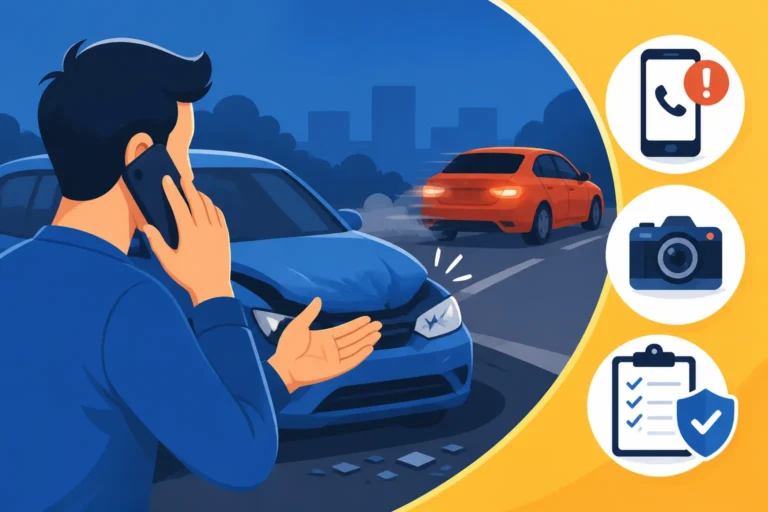
The moments right after an accident are often chaotic, but what you do (or don't do) can significantly impact your claim down the line. First and foremost, ensure everyone's safety. Move to a safe location if possible. Then, it's time to gather information:
- Call the Police: Even for minor accidents, a police report can be incredibly valuable. It provides an objective account of the incident and often includes the officer's assessment of fault. While a police report doesn't definitively determine who pays, it carries significant weight with insurance companies. See Does a Police Report Determine Who Pays? for more details.
- Exchange Information: Get the other driver's name, contact information, insurance company and policy number, driver's license number, and vehicle information (make, model, license plate).
- Take Photos and Videos: Use your smartphone to document everything. Photograph the scene from multiple angles, showing the positions of the vehicles, damage to all cars, road conditions, traffic signs, skid marks, and any debris. Get close-ups of damage and wide shots of the overall scene.
- Identify Witnesses: If anyone saw the accident, get their names and contact information. Their impartial testimony can be crucial, especially if fault is disputed.
- Note Down Details: Jot down everything you remember about the accident while it's fresh in your mind – time, weather conditions, what each driver said, etc.
This meticulous documentation is your best defense against potential disputes from the other driver or their insurance company. It helps How to Prove the Other Driver Was at Fault and protects your future claim.
Seeking Medical Attention Promptly
This cannot be stressed enough: seek medical attention immediately after a car accident, even if you feel fine. Adrenaline can mask pain, and many serious injuries, like whiplash, concussions, or internal injuries, might not manifest symptoms for hours or even days. Delaying medical care can not only jeopardize your health but also severely weaken any personal injury claim you might have. Insurance companies are notorious for arguing that if you waited to see a doctor, your injuries must not have been serious or were caused by something else.
A prompt medical evaluation creates an official record linking your injuries directly to the accident. This documentation is vital for your claim, helping to establish the extent of your injuries and the necessary treatments. It's not about "faking" an injury; it's about protecting your health and ensuring you get compensated for legitimate harm. Our comprehensive guide on Common Car Accident Injuries: Complete Guide (2027) highlights many potential issues to be aware of.
Avoiding Admissions of Fault
In the immediate aftermath of an accident, emotions run high. You might feel guilt, even if you know you weren't at fault, or you might simply want to be polite. However, it is absolutely critical to never admit fault or apologize for the accident at the scene or in subsequent conversations with the other driver or their insurance company.
Saying something like, "Oh my gosh, I'm so sorry, I didn't see you!" even if spoken out of shock or politeness, can be construed as an admission of fault and used against you. Stick to the facts when talking to the police and exchange information civilly, but avoid discussing who caused the accident. Let the insurance companies and official investigations determine liability. If an insurance adjuster asks you for a recorded statement, consult with your own insurer or legal counsel first. Being careful with your words is a crucial step to protect your claim. For more on this, check out What Is an Admission of Fault (and How to Avoid It)?.
Table: Pros and Cons of Calling Your Own Insurer (Even if Not at Fault)
Here's a quick overview to help you weigh your options:
| Aspect | Pros of Calling Your Own Insurer | Cons/Considerations of Not Calling Your Own Insurer |
|---|---|---|
| Claim Process | Expedites vehicle repairs & other benefits (e.g., rental car). | Delays in getting your vehicle fixed or other services. |
| Advocacy | Your insurer advocates for your interests against the at-fault driver's company. | You're on your own, dealing with a third-party insurer focused on their client. |
| Coverage Utilization | Access to your collision, UM/UIM, MedPay/PIP coverage if needed. | No access to your own coverages, potentially leaving you with out-of-pocket costs. |
| Fault Disputes | Your insurer helps investigate & prove your non-fault status. | Risk of the at-fault insurer assigning partial blame to you unchallenged. |
| Uninsured Driver | Essential for activating Uninsured Motorist coverage. | Could leave you financially responsible for all damages. |
| Premium Impact | Unlikely to raise premiums for a not-at-fault claim in most states. | Still risk issues if the at-fault driver disputes, and you have no backup. |
| Subrogation | Your insurer handles recovering costs (including your deductible) from the at-fault party. | You might have to pursue the at-fault insurer yourself for reimbursement. |
| Peace of Mind | Less stress and paperwork; they handle much of the communication. | More personal stress and time spent navigating complex claims alone. |
In almost every scenario where you're involved in a car accident, regardless of who caused it, the benefits of informing your own insurance company far outweigh the perceived risks. They are there to help you, to act as your buffer, and to ensure you receive the compensation and care you deserve. And if things get really complicated, you might consider if you need a lawyer for a car accident.
Disclaimer
The information provided in this article is for general informational purposes only and does not constitute legal, financial, or insurance advice. Every car accident and insurance policy is unique, and laws vary significantly by state. It is highly recommended to consult with your specific insurance provider and, if necessary, a qualified legal professional to discuss the specifics of your situation and ensure you understand your rights and obligations.