What to Do After a Hit-and-Run
Being involved in a car accident is disorienting enough, but when the other driver flees the scene, it adds a whole new layer of frustration, anger, and anxiety. You're left with damage, potentially injuries, and a host of unanswered questions, wondering how you're supposed to get things resolved when the at-fault party is nowhere to be found. This guide will walk you through the crucial steps to take after a hit-and-run, ensuring you protect your rights, navigate the claims process effectively, and have the best chance at recovering from this stressful incident.
Immediately After the Hit-and-Run
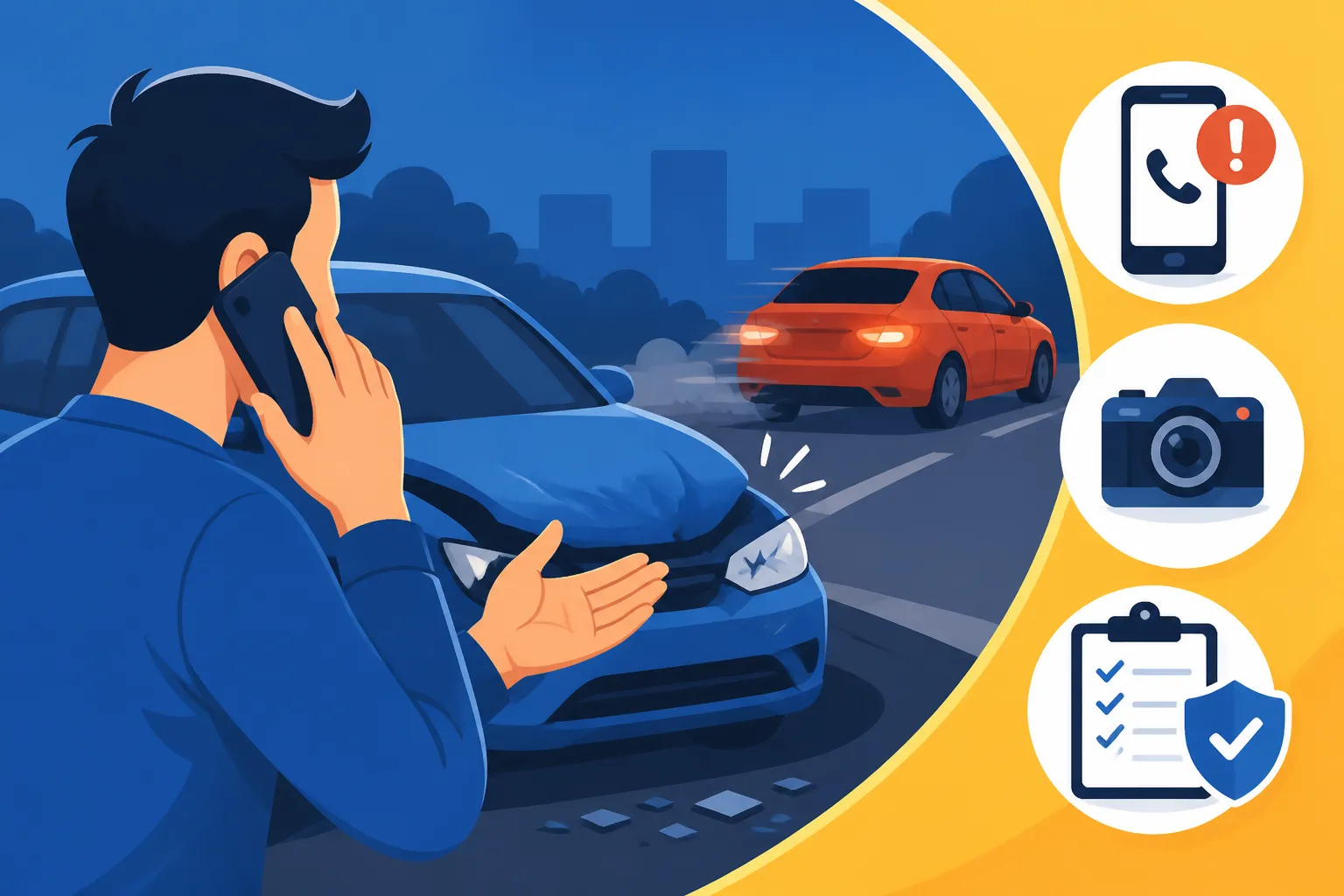
The moments immediately following a hit-and-run can feel chaotic and overwhelming. Your first instinct might be to chase the other driver, but it’s vital to prioritize safety and gather what information you can from the scene. Your well-being and the integrity of your claim depend on a calm, methodical approach.
Prioritizing Safety and Assessing the Scene
First and foremost, move yourself and your vehicle to a safe location if it's possible and safe to do so. If you're on a busy highway, pull over to the shoulder. If you're in a parking lot, move to an empty space away from traffic. This isn't just about preventing another accident; it's about giving yourself a moment to collect your thoughts without the immediate pressure of ongoing traffic. Once you're safe, take a deep breath and quickly assess your condition. Are you injured? Even minor aches can be signs of more serious issues, so don't dismiss anything.
After ensuring your personal safety, turn your attention to the scene itself. While the other driver is gone, the environment might still hold clues. Look for any debris left behind from the other vehicle, such as pieces of a bumper, broken glass, or even a license plate that may have fallen off. These fragments can be incredibly helpful for law enforcement and insurance companies trying to identify the runaway driver. Take note of the exact location where the accident occurred, including street names, intersections, and any nearby landmarks like specific businesses or unique signs.
Gathering Initial Evidence
Even without the other driver present, there's a lot of evidence you can and should collect. The more information you gather at the scene, the stronger your future insurance claim will be. Start by taking photographs and videos with your smartphone. Document the damage to your vehicle from multiple angles, making sure to capture close-ups of specific impact points and wider shots that show the overall scene. If there are any skid marks, road debris, or other evidence on the ground, photograph those too. This photographic evidence serves as an objective record of what happened and the extent of the damage. For a more comprehensive approach, consider our guide on How to Document a Car Accident Scene.
Beyond photos, think about any witnesses. Did anyone else see the accident occur? Perhaps a pedestrian, another driver, or someone in a nearby business? If so, approach them politely and ask for their contact information. A third-party witness statement can be invaluable, especially when the other driver is absent. Even if they only saw a portion of the event, their account could corroborate your story or provide details about the hit-and-run driver's vehicle that you missed. Write down everything you remember about the other vehicle – make, model, color, any distinguishing features (dents, stickers, personalized plates), and the direction it was headed. Even partial information can be better than none.
Reporting the Incident to Authorities
Reporting a hit-and-run to the police is not just a good idea; it's often a legal requirement and a critical step for your insurance claim. Without an official police report, your insurance company might be hesitant to process your claim, and it can significantly complicate any attempts to seek compensation later on.
Why a Police Report Is Crucial
A police report creates an official record of the accident. It details the date, time, location, involved parties (even if one is unknown), and a narrative of what happened based on the responding officer's investigation and your statement. This document lends significant credibility to your claim with your insurance company. Many insurance policies actually require a police report for hit-and-run incidents before they will pay out for damages, especially under uninsured motorist or collision coverage. It shows that you took the incident seriously and followed proper procedure.
Furthermore, the police report initiates an official investigation into the hit-and-run. Law enforcement agencies in communities like Los Angeles or Dallas take these incidents seriously, particularly if there are injuries involved. They can use the information you provide, combined with any evidence from the scene (like surveillance camera footage from nearby businesses or traffic cameras), to try and identify the driver who fled. While not every hit-and-run driver is caught, having the police actively looking significantly increases the chances of identifying the responsible party.
What Information to Provide
When you speak with the police, be prepared to give them as much detail as possible. This includes all the information you gathered at the scene: the exact location, time of day, a description of the other vehicle, the direction it was traveling, and any witness contact information. Describe the sequence of events leading up to the crash, what happened during the impact, and what you observed as the other driver fled. Be as factual and objective as you can. It's okay to admit if you didn't see certain details clearly.
Remember to inform the police if you believe you have sustained any injuries, no matter how minor they may seem at the time. This detail will be included in the report and can be crucial for a future Property Damage vs Bodily Injury Claims. The police report often assigns a report number, which you'll need when you contact your insurance company. Don't be shy about asking for this number before the officer leaves, or find out how you can obtain a copy of the report later. In many jurisdictions, such as those in New York, you can often request a copy online or in person at the police department a few days after the incident.
Notifying Your Insurance Company
Once you've dealt with the immediate aftermath and reported the incident to the police, contacting your own insurance company should be your next priority. This step initiates the claims process and gets the ball rolling on recovering your losses.
Understanding Your Policy Coverage
When it comes to hit-and-runs, not all insurance policies are created equal. You'll primarily be looking at two types of coverage on your own policy:
- Collision Coverage: This coverage pays for damage to your own vehicle resulting from an accident, regardless of who was at fault. If you have collision coverage, your insurance company will likely pay for your vehicle repairs (minus your deductible) even if the other driver is never found. This is often the most straightforward path for property damage in a hit-and-run.
- Uninsured Motorist (UM) Coverage: This is where things get a bit more specific for hit-and-runs. UM coverage is designed to protect you when the at-fault driver either has no insurance or, in many cases, cannot be identified (as in a hit-and-run). UM coverage often has two components:
- Uninsured Motorist Property Damage (UMPD): Covers damage to your vehicle. Some states, like California, allow UMPD to cover hit-and-run property damage, often with a smaller deductible than collision coverage, or even none at all.
- Uninsured Motorist Bodily Injury (UMBI): Covers medical expenses, lost wages, and pain and suffering for you and your passengers if you're injured by an uninsured or hit-and-run driver. This coverage is absolutely vital if you've sustained injuries.
It's important to review your policy or speak with your insurance agent to understand exactly what type of coverage you have and how it applies to a hit-and-run. Many states, including New York, require insurance companies to offer UM coverage, though drivers can sometimes reject it. If you're unsure how to proceed, our guide on How to File a Car Accident Insurance Claim can provide further details on the general process.
The Importance of Timely Reporting
Don't delay in reporting the hit-and-run to your insurer. Most insurance policies have specific clauses that require you to report an accident within a "reasonable" timeframe, often just a few days. Waiting too long can give your insurance company a reason to deny your claim, arguing that the delay prevented them from properly investigating or that the damage could have occurred elsewhere. Even if you're feeling overwhelmed or are still gathering information, a quick call to report the basic facts of the incident is critical.
When you call your insurance company, they will open a claim and assign an adjuster. Be ready to provide them with the police report number, any witness contact information, photos, and your detailed account of what happened. Remember, when you're Dealing With Insurance Adjusters After a Car Accident, it's important to be honest and factual but avoid speculating or admitting fault. Stick to the known facts of the hit-and-run. They will likely explain the next steps, which may include having an appraiser inspect your vehicle damage and directing you to seek medical attention if needed.
Documenting Your Damages and Injuries
The aftermath of a hit-and-run often involves both property damage to your vehicle and potential personal injuries. Thoroughly documenting both aspects is crucial for a successful claim and ensuring you receive the compensation you deserve.
Photographing Vehicle Damage
Even after leaving the scene, continue to document your vehicle's damage. Take high-resolution photos and videos of all affected areas, ensuring proper lighting. Include wide shots to show the overall extent of the damage, and close-ups to highlight specific dents, scratches, broken lights, or bent panels. If any parts are hanging loose or appear detached, photograph them clearly. It's a good idea to also take photos of your vehicle before it gets towed or repaired, as this provides a clear baseline.
Keep an organized file, digital or physical, of all your photos. Label them with dates and times. This meticulous documentation provides undeniable proof to your insurance company of the damage sustained in the hit-and-run. Without the at-fault driver, your insurance company relies heavily on your evidence to process your claim under your collision or uninsured motorist property damage coverage. If the damage to your car is severe, you might want to learn more about Total Loss Explained: What Happens When Your Car Is Totaled to understand potential outcomes.
Seeking Medical Attention for Injuries
Even if you feel fine immediately after the crash, it is imperative to seek medical attention. Adrenaline can mask pain, and many common car accident injuries, like whiplash or a concussion, have delayed symptoms. Waiting to see a doctor could not only jeopardize your health but also weaken any potential bodily injury claim. Insurance companies are often skeptical of injury claims where there's a significant gap between the accident and the first medical examination. For insights into potential injuries, refer to our Common Car Accident Injuries: Complete Guide (2027).
Visit an urgent care center, your primary care physician, or the emergency room as soon as possible after the hit-and-run. Clearly explain to the medical staff that you were involved in a car accident. Document every symptom, no matter how minor, and follow all medical advice, including attending follow-up appointments, physical therapy, or specialist referrals. Keep detailed records of all your medical appointments, diagnoses, treatments, medications, and expenses. These medical records are the cornerstone of proving your injuries and calculating your Pain and Suffering: How It's Calculated. If your symptoms manifest days or even weeks later, our article on Delayed Injury Symptoms After a Car Accident offers guidance on how this might affect your claim.
Navigating the Claims Process for a Hit-and-Run
Dealing with the insurance claim after a hit-and-run requires patience and persistence. It's different from a typical accident claim because there's no identified third-party insurer to pursue, at least initially. Understanding this process is key to managing your expectations and making informed decisions.
The Investigation Process
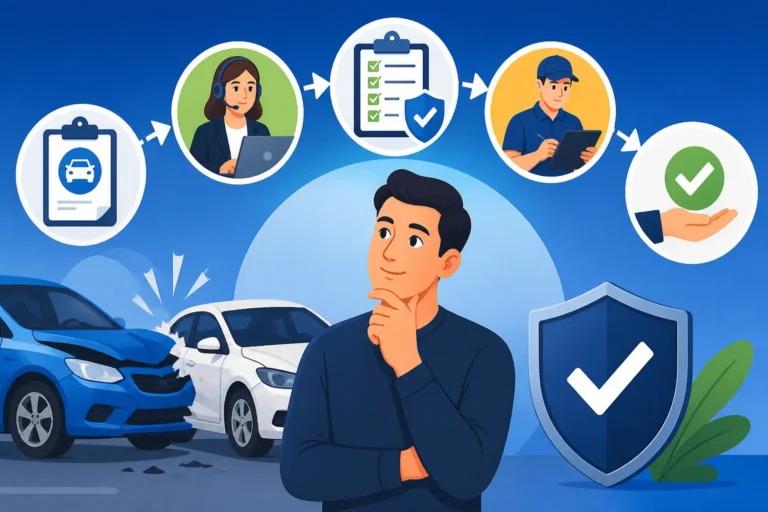
Once you've filed your claim, your insurance company will conduct its own investigation. An adjuster will review the police report, your photos and statements, and any witness accounts. They may also inspect your vehicle to assess the damage. If you have uninsured motorist bodily injury coverage, they will also review your medical records to verify your injuries and determine appropriate compensation for medical bills and other damages. This investigation is crucial for determining how your policy's collision or uninsured motorist coverage will apply.
In some cases, your insurance company might work in conjunction with law enforcement if they are actively pursuing leads on the hit-and-run driver. They may share information or coordinate efforts. However, in most hit-and-run scenarios, the focus shifts to resolving your claim through your own policy. This is why having robust collision and uninsured motorist coverage is so important. Without an identified at-fault driver, your options for recovery are often limited to what your own policy provides.
What to Expect from Your Claim
The outcome of your hit-and-run claim largely depends on your specific insurance coverages.
| Coverage Type | What It Generally Covers | Deductible Impact | Relevance to Hit-and-Run |
|---|---|---|---|
| Collision Coverage | Damage to your own vehicle | Standard deductible applies (e.g., $500, $1000) | Covers vehicle damage even if the other driver is unknown. |
| Uninsured Motorist Property Damage (UMPD) | Damage to your own vehicle, often with lower deductible | Often a lower deductible than collision, sometimes $0 | Specifically designed for hit-and-runs or uninsured drivers; varies by state. |
| Uninsured Motorist Bodily Injury (UMBI) | Medical expenses, lost wages, pain and suffering for you/passengers | No deductible for medical expenses | Crucial for covering injury costs when the at-fault driver is unknown or uninsured. |
| Medical Payments (MedPay) / Personal Injury Protection (PIP) | Medical expenses for you/passengers, regardless of fault | No deductible | Provides immediate medical coverage, often before UMBI or health insurance kicks in; not all states. |
If you have collision coverage, your insurer will pay for your vehicle's repairs, minus your deductible. If you have UMPD, that may cover your vehicle damage with a potentially lower or zero deductible, depending on your state and policy. For injuries, UMBI coverage will cover your medical expenses and other related damages. If your claim is taking longer than you expect, our guide on What to Do If Your Claim Is Taking Too Long might offer some helpful advice. Remember, whether your Will Your Insurance Rates Go Up After a Claim? depends on your insurer and state laws, but many states protect you from rate hikes if you were clearly not at fault and the other driver was not found.
What If the At-Fault Driver Is Identified?
While many hit-and-run cases remain unsolved, sometimes law enforcement or even your own investigation manages to identify the driver who fled the scene. This changes the dynamic of your claim significantly, opening up new avenues for recovery.
Shifting Claims Procedures
If the hit-and-run driver is identified, the claims process often shifts from a first-party claim (against your own insurance) to a third-party claim (against the identified driver's insurance). This is generally a more favorable scenario for you because it means you'll be seeking compensation directly from the at-fault party's insurer. Their policy is primarily responsible for covering your damages, which could potentially include vehicle repairs, medical bills, lost wages, and pain and suffering, without you having to pay your own deductible.
At this point, you'll want to immediately inform your insurance company that the other driver has been identified. They will likely cease processing your claim under your own collision or uninsured motorist coverage and instead pursue the claim against the at-fault driver's insurance on your behalf, a process known as subrogation. If you initially paid your deductible for repairs under your collision coverage, your insurer will attempt to recover that from the at-fault driver's insurer and reimburse you.
Pursuing Compensation
Once the at-fault driver is identified, you have clearer paths to seek full compensation for all your losses. This includes not just your property damage and current medical bills, but also potential future medical expenses, lost earning capacity, and the significant impact of pain and suffering. The burden of proof for fault would shift to showing the identified driver caused the accident. This is where your meticulously gathered evidence – photos, witness statements, the police report – becomes even more critical.
You might find it beneficial to consult with a personal injury attorney at this stage. An attorney can help you navigate the complexities of dealing with the at-fault driver's insurance company, ensure all your damages are properly accounted for, and negotiate a fair settlement. They can be especially helpful if the other driver's insurance company tries to undervalue your claim or deny responsibility. For advice on when professional help might be necessary, you can review our article, Do You Need a Lawyer for a Car Accident?. Ultimately, identifying the hit-and-run driver transforms a frustrating situation into a more standard accident claim, often with better prospects for full recovery.
Disclaimer
Please remember that this information is intended for general guidance only and does not constitute legal or insurance advice. Every car accident claim, especially a hit-and-run, has unique circumstances. It is always recommended to consult with a qualified legal professional and your insurance provider to understand the specific laws and coverages that apply to your situation.