Back and Spinal Injuries From Car Accidents
Getting into a car accident is terrifying enough, but the real nightmare often begins in the days and weeks that follow, especially when you start feeling that persistent, nagging pain in your back or neck. It's a truly frustrating experience to deal with the immediate chaos of a crash, only to find yourself facing potentially debilitating back and spinal injuries that can turn your entire life upside down. This comprehensive guide is here to walk you through everything you need to know about back and spinal injuries from car accidents, from understanding the types of injuries to navigating your medical journey and even handling the complexities of your insurance claim.
Understanding the Vulnerability of Your Back and Spine in a Car Accident
When you’re involved in a car accident, the human body is subjected to incredible forces it wasn't designed to withstand. Your back and spine, in particular, are incredibly vulnerable during these violent impacts. It’s not just about a simple jolt; it’s about sudden acceleration, deceleration, and twisting motions that can cause severe damage, even at seemingly low speeds. Many people underestimate the potential for injury in what they might consider a "minor" fender bender, only to find themselves in agony later on.
How Impact Forces Affect the Spine
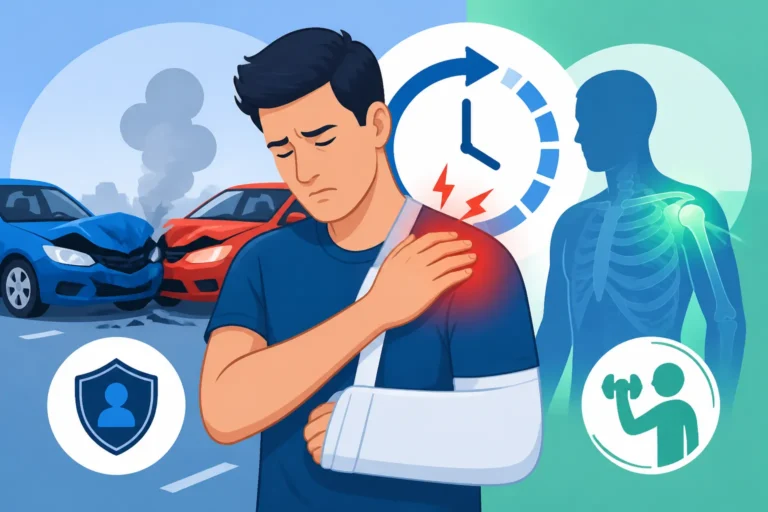
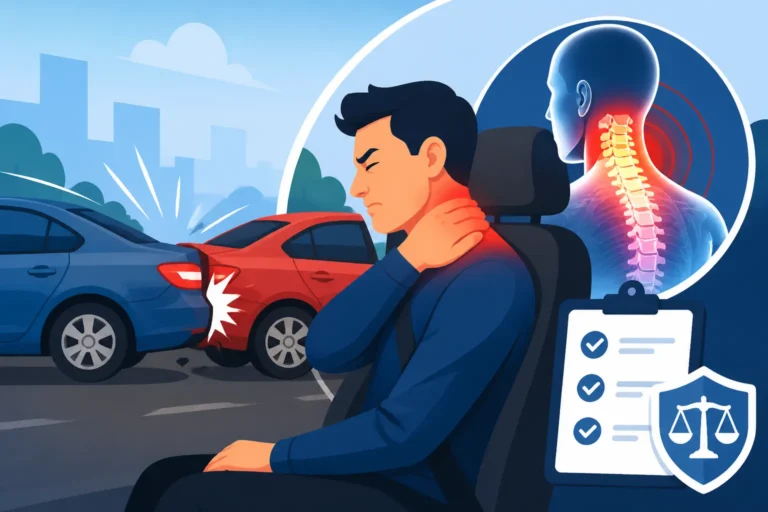
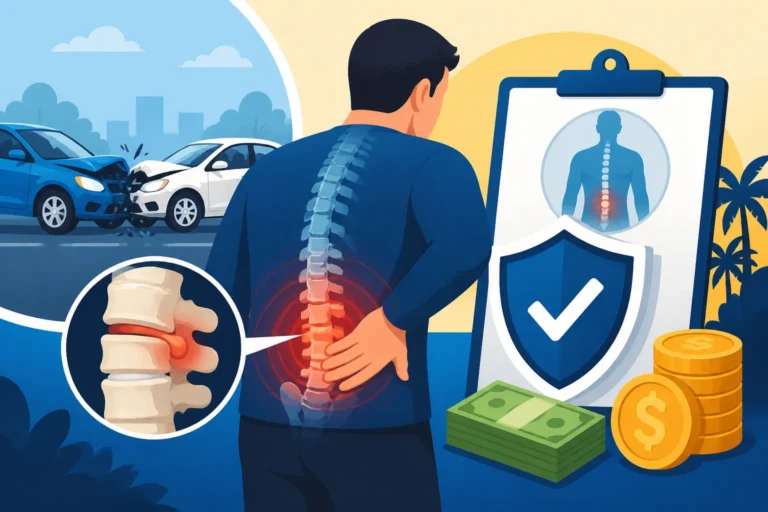
Imagine your car being struck from behind. Your body is suddenly propelled forward, while your seatbelt holds your torso back. This creates a whiplash effect on your neck, but that same violent, uncontrolled movement can reverberate all the way down your spinal column. The spine, a complex structure of bones (vertebrae), cushioning discs, nerves, and ligaments, is suddenly stretched, compressed, and twisted in unnatural ways. A front-end collision might cause your body to be thrown against the seatbelt, leading to significant compression in the lumbar or thoracic spine. Even a side-impact collision can twist the torso and spine, leading to shearing forces that can damage discs and ligaments. It's like a chain reaction, where one part of the spine's sudden movement impacts the next, leading to a cascade of potential issues.
Consider a hypothetical scenario: Sarah was driving on a highway in Los Angeles when another driver suddenly changed lanes without looking, causing a sideswipe accident. The force wasn't head-on, but the violent rotation of her body against the seat and the steering wheel caused an immediate, sharp pain in her lower back. What happened was a sudden, lateral shearing force on her lumbar spine, straining muscles and potentially damaging the intervertebral discs. These aren't just bumps and bruises; these are intricate structural components being subjected to extreme stress.
Why Back and Spinal Injuries Are So Common
The sheer mechanics of a car accident make back and spinal injuries almost unavoidable. Your spine provides the main support for your entire body, allowing you to stand, walk, and twist. It's constantly under load, and in a crash, it becomes a fulcrum for immense energy transfer. Beyond the direct impact, the sudden bracing you do right before a collision can cause muscles to tense up, making them more susceptible to tearing or severe strain. Our bodies have natural shock absorption mechanisms, but these are often overwhelmed in a high-speed or even moderate-speed collision.
Furthermore, many people have some degree of pre-existing spinal conditions, whether they know it or not. Maybe you have a slightly bulging disc from years of desk work or a minor curvature. A car accident doesn't just injure a perfectly healthy spine; it can exacerbate these existing vulnerabilities, turning a minor issue into a major, painful problem. The combination of intense physical forces, the body's protective bracing, and any underlying spinal conditions creates a perfect storm for significant injury. It’s no wonder that "back and spinal injuries are among the most common car accident injuries."
Types of Back and Spinal Injuries After a Car Accident
The range of back and spinal injuries that can occur from a car accident is unfortunately vast, from seemingly minor strains to life-altering damage. It's crucial to understand the different types because each one comes with its own set of symptoms, diagnostic challenges, and treatment pathways. What might feel like a stiff back could be something much more serious brewing beneath the surface.
Whiplash and Soft Tissue Damage Sprains Strains
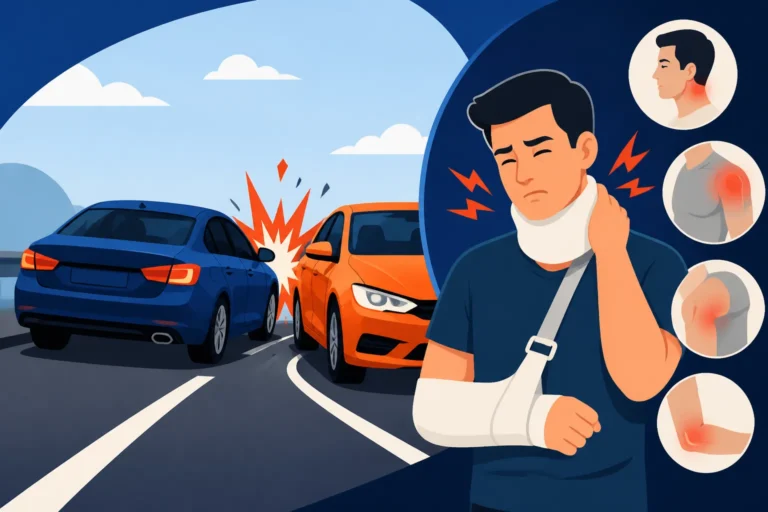
Let's start with one of the most talked-about, and often misunderstood, injuries: whiplash. While often associated with the neck, whiplash is fundamentally a soft tissue injury that can affect the entire cervical and upper thoracic spine. It happens when your head is suddenly jerked forward and backward (or side to side), stretching and tearing the muscles, ligaments, and tendons that support your spine. This isn't just a temporary crick in the neck; it's actual damage to the connective tissues. Common symptoms include neck pain and stiffness, headaches, dizziness, and even numbness or tingling in the arms.
Beyond whiplash, other forms of soft tissue damage are incredibly prevalent throughout the back. A "sprain" refers to a stretched or torn ligament, while a "strain" involves stretched or torn muscle or tendon. In a car accident, the sudden, violent movements can cause widespread sprains and strains in the lumbar (lower back) and thoracic (mid-back) regions. You might experience localized pain, muscle spasms, reduced range of motion, and tenderness to the touch. These injuries, while not involving broken bones, can be intensely painful and debilitating, sometimes taking weeks or even months to fully heal. It's important to recognize that while they are called "soft tissue" injuries, they can have very hard impacts on your daily life, making even simple tasks like sitting or standing difficult.
Herniated and Bulging Discs
Between each vertebra in your spine are soft, jelly-like discs that act as shock absorbers. These discs have a tough outer layer and a softer, gelatinous core. In a car accident, the sudden compression or twisting forces can cause these discs to bulge or even rupture. A "bulging disc" occurs when the outer wall of the disc weakens and protrudes outwards, like a tire with a slow leak. A "herniated disc," often more severe, happens when the outer layer tears, allowing the soft inner material to squeeze out. This can directly press on nearby spinal nerves, leading to intense pain.
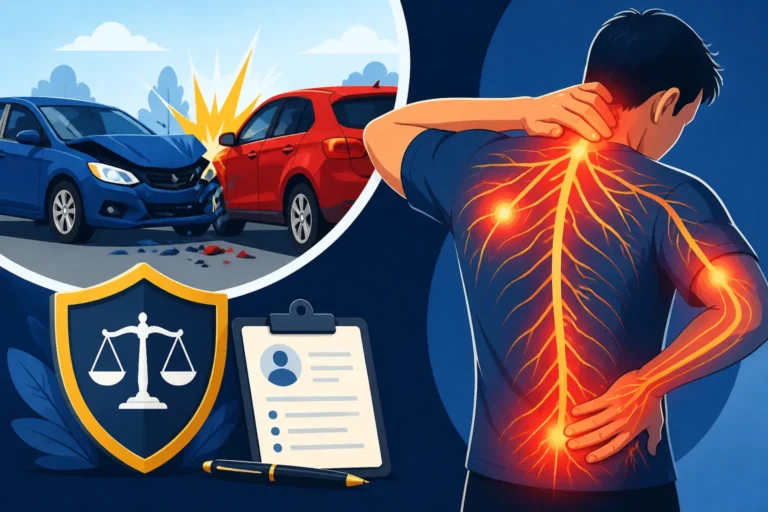
The symptoms of a bulging or herniated disc often depend on where in the spine the injury occurs and which nerves are affected. For instance, a herniated disc in the lumbar spine can cause sciatica, a sharp, shooting pain that radiates down the leg, sometimes accompanied by numbness, tingling, or muscle weakness. If the injury is in the cervical spine, you might experience pain, numbness, or weakness in your arm or hand. These conditions can be excruciating and significantly limit your mobility and ability to perform daily activities. It's a common outcome of significant impact, and understanding the signs is vital. You can learn more about this specific injury in our guide on Herniated Disc From a Car Accident.
Vertebral Fractures and Compression Fractures
When we talk about broken bones in the spine, we're typically referring to vertebral fractures. These are serious injuries where one or more of the vertebrae (the individual bones of the spine) are cracked or broken. Car accidents, especially high-impact collisions, are a leading cause of such fractures. A common type is a "compression fracture," which often occurs when the front part of a vertebra collapses. This can happen from a sudden, forceful flexion (forward bending) of the spine, such as when your body is thrown forward against a seatbelt or dashboard. These fractures can be incredibly painful and, if unstable, may require surgical intervention to prevent further damage.
Another severe type is a "burst fracture," where the vertebra shatters in multiple directions, often sending bone fragments into the spinal canal. This type of fracture carries a much higher risk of spinal cord injury. Beyond these, there can be "transverse process fractures" (small bony projections on the sides of vertebrae) or "facet joint fractures" which affect the small joints connecting vertebrae. The immediate pain from these fractures can be intense, and treatment often involves bracing, pain management, and sometimes surgery. Recovery can be a long and arduous process, sometimes resulting in long-term chronic pain or disability.
Spinal Cord Injuries SCIs
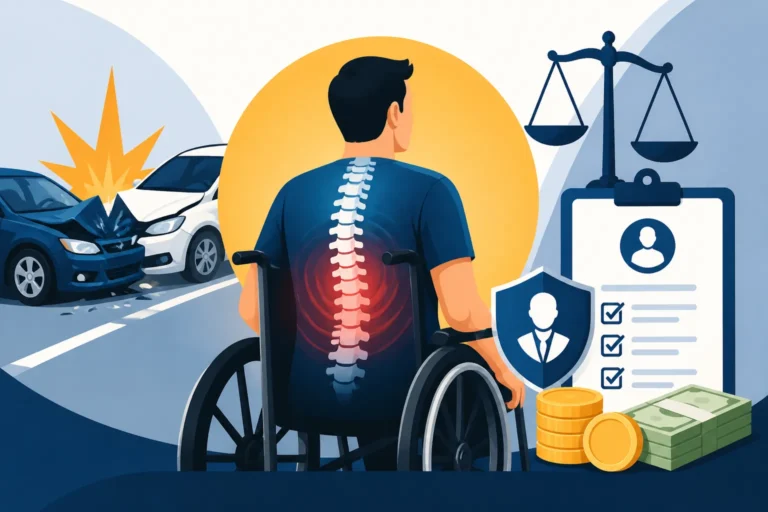
Spinal cord injuries (SCIs) are, without a doubt, among the most catastrophic outcomes of a car accident. The spinal cord is a delicate bundle of nerves that runs from your brain down your back, carrying messages between your brain and the rest of your body. Damage to the spinal cord interrupts these vital signals, leading to partial or complete loss of motor function, sensation, and even autonomic functions below the injury site. This can mean paralysis, loss of bladder and bowel control, and difficulty breathing, depending on the level of the injury.
SCIs can result from direct trauma to the spinal cord, or from fragments of bone, disc material, or ligaments compressing the cord. Even a severe stretch or tear of the cord without a complete transection can cause significant neurological deficits. The impact on an individual's life and their family is immense, often requiring lifelong medical care, rehabilitation, and modifications to their living environment. The immediate symptoms are often dramatic, involving sudden weakness or paralysis, loss of sensation, or severe pain. If you or someone you know suspects a spinal cord injury, immediate medical attention is paramount, as early intervention can sometimes make a difference in outcomes. For more detailed information, consider reading our post on Spinal Cord Injury From a Car Accident.
Recognizing Symptoms: When to Seek Medical Attention
After the initial shock of a car accident wears off, you might start to feel aches and pains. It’s easy to dismiss them as just "soreness" from the impact. However, with back and spinal injuries, this can be a dangerous assumption. Knowing what to look for, and when to get professional medical help, is absolutely critical for your health and for any potential car accident claim. Ignoring symptoms can lead to worsening conditions and severely complicate your recovery.
Immediate vs Delayed Symptoms
One of the most insidious aspects of back and spinal injuries from car accidents is the phenomenon of delayed symptoms. Many people walk away from an accident scene feeling shaken but otherwise "fine," only for severe pain and other issues to emerge hours, days, or even weeks later. This delay can happen for several reasons. Adrenaline from the trauma can mask pain, or inflammation and swelling might take time to build up to a point where nerve compression or muscle pain becomes noticeable. A small tear in a ligament might not cause significant pain until it's aggravated by daily movements.
Immediate symptoms, on the other hand, are usually more obvious. These might include sharp, searing pain at the site of impact, numbness or tingling in the extremities (a sign of nerve involvement), muscle spasms that begin almost immediately, or an inability to move certain parts of your back or neck. If you experience any of these right after an accident, seeking emergency medical care is non-negotiable. Even if the pain is mild, it’s best to err on the side of caution. Remember, what feels like a minor ache could quickly escalate, and waiting can sometimes make treatment more difficult and recovery longer. That's why we always recommend you Why You Should See a Doctor After a Car Accident right away, regardless of how you feel initially.
Warning Signs of Serious Spinal Damage
While any back pain after an accident warrants medical evaluation, some symptoms are clear red flags indicating potentially severe spinal damage that requires immediate attention. These are not symptoms you can afford to "wait and see" about. If you experience any of these, call 911 or get to the nearest emergency room immediately.
One major warning sign is severe, sudden onset of pain that doesn't subside or worsens over a short period. Another critical indicator is any weakness, numbness, or tingling that extends into your arms, hands, legs, or feet. This often suggests nerve compression or, in the worst cases, damage to the spinal cord itself. Loss of bladder or bowel control is an extreme emergency, pointing to significant nerve damage that requires urgent surgical intervention. Similarly, difficulty walking, balancing, or coordinating movements could signal a severe issue. If you find yourself unable to stand or walk normally, or if you drag your feet, these are serious neurological symptoms. Lastly, any deformity in the spine or a feeling of instability in your back or neck after an impact are also signs that point to potential fractures or dislocations. Don't take chances with these symptoms; your long-term health and mobility depend on prompt medical evaluation.
The Medical Journey: Diagnosis and Treatment Options
Once you've sought initial medical attention, the real journey toward diagnosis and treatment for your back or spinal injury begins. This phase is critical not only for your physical recovery but also for building a strong foundation for any future car accident claim. Every step, from the scans you undergo to the therapies you receive, creates a vital record of your injury and its impact.
Diagnostic Procedures X-rays MRI CT Scans
To accurately diagnose a back or spinal injury, doctors rely on a combination of physical examinations and advanced imaging techniques. It starts with a thorough physical assessment where the doctor will check your range of motion, reflexes, sensation, and muscle strength. This helps them pinpoint potential areas of concern and guide further diagnostic steps.
The initial imaging usually involves X-rays, which are excellent for identifying bone fractures, dislocations, or major spinal alignment issues. However, X-rays don't show soft tissues like discs, ligaments, or muscles. For these, a Magnetic Resonance Imaging (MRI) scan is often necessary. An MRI provides highly detailed images of soft tissues, making it the gold standard for detecting herniated discs, spinal cord injuries, nerve compression, and ligament tears. If an MRI is not possible due to metal implants or other conditions, or if doctors need to assess complex bone fractures, a Computed Tomography (CT) scan might be used. CT scans provide cross-sectional images that are excellent for visualizing bone injuries and identifying fragments that might be pressing on the spinal cord. Each of these diagnostic tools plays a crucial role, building a comprehensive picture of the damage sustained.
Conservative Treatments Physical Therapy Medication Injections
For many back and spinal injuries, especially those involving soft tissue damage or mild disc issues, conservative treatments are the first line of defense. The goal is to reduce pain, inflammation, and muscle spasms, and restore function without invasive procedures. Physical therapy is almost always a cornerstone of recovery. A physical therapist will guide you through exercises to strengthen core muscles, improve flexibility, restore range of motion, and correct posture, all of which are vital for supporting your injured spine. They might also use modalities like heat, ice, ultrasound, or electrical stimulation to manage pain.
Medications play a significant role in managing acute pain and inflammation. Over-the-counter options like NSAIDs (ibuprofen, naproxen) can help with mild to moderate pain. For more severe pain or muscle spasms, doctors might prescribe stronger pain relievers, muscle relaxants, or even short courses of oral corticosteroids to reduce inflammation. When oral medications aren't enough, injections can be considered. Epidural steroid injections can deliver powerful anti-inflammatory medication directly to the area around compressed nerves, offering temporary but significant pain relief. Nerve block injections can also be used to target specific painful nerves. These conservative approaches often need to be continued for an extended period, requiring patience and diligence on your part.
Surgical Interventions for Severe Cases
While conservative treatments are highly effective for many, some severe back and spinal injuries from car accidents necessitate surgical intervention. Surgery is typically considered when conservative methods have failed to provide adequate relief, when there is progressive neurological deficit (like worsening weakness or numbness), or when there's an unstable spinal fracture that poses a risk to the spinal cord. The type of surgery depends entirely on the specific injury.
For herniated discs, a discectomy (removal of the damaged part of the disc) or a microdiscectomy (a minimally invasive version) are common procedures to relieve pressure on nerves. In cases of severe disc degeneration or instability, a spinal fusion might be performed, where two or more vertebrae are permanently joined together to stabilize the spine. This can significantly limit mobility in that segment but alleviate severe pain. For vertebral fractures, surgeons might perform a vertebroplasty or kyphoplasty, injecting bone cement into the fractured vertebra to stabilize it. In the most severe cases of spinal cord injury, surgery might be required to remove bone fragments, stabilize the spine, or decompress the spinal cord to prevent further damage. These surgeries often come with significant recovery times and extensive rehabilitation, and it's a decision made carefully in consultation with your medical team.
Navigating Your Car Accident Claim with a Back or Spinal Injury
Dealing with a back or spinal injury is physically and emotionally draining. Adding the complexity of a car accident claim on top can feel overwhelming. However, proper navigation of the claims process is essential to ensure you receive the compensation you deserve for your medical bills, lost wages, and pain and suffering. This isn't just about financial recovery; it's about validating your experience and the real impact of your injury.
Documenting Your Injuries and Medical Care
The single most critical piece of advice for anyone with a back or spinal injury after a car accident is to document everything. Insurance companies are notorious for scrutinizing claims, especially those involving soft tissue or disc injuries that aren't always immediately visible. Start by seeking medical attention immediately after the accident, even if your symptoms are delayed. The longer you wait, the harder it becomes to prove that your injuries were directly caused by the accident. Make sure every doctor's visit, every symptom, and every treatment is recorded in your medical records.
Keep a detailed log of your symptoms, including when they started, how they've progressed, and how they impact your daily life. This can be a simple notebook or a digital journal. Note down every appointment with specialists, physical therapists, chiropractors, and any other healthcare providers. Keep copies of all medical bills, prescriptions, and receipts for over-the-counter pain relief or assistive devices like braces or heating pads. This meticulous documentation is your best defense against an insurance company trying to downplay your injuries or suggest they are pre-existing. This comprehensive record is crucial to How to Prove Injuries in a Car Accident Claim.
Proving Causation and Damages
One of the biggest hurdles in any car accident claim, particularly with back and spinal injuries, is proving "causation" – that your injuries were directly caused by the accident and not by something else. This becomes especially tricky with delayed symptoms or if you have any pre-existing conditions. Your medical records, detailing the timeline from the accident to diagnosis and treatment, are your strongest evidence. Your doctor's professional opinion, stating that your injuries are consistent with the forces of the accident, is invaluable.
Beyond causation, you also need to prove your "damages," which refer to all the losses you've suffered because of the injury. This includes economic damages like medical expenses (past and future), lost wages (past and future), and property damage. It also covers non-economic damages such as pain and suffering, emotional distress, loss of enjoyment of life, and loss of consortium. For back and spinal injuries, future medical expenses and lost earning capacity can be substantial, requiring expert testimony. Insurance companies will try to minimize these, so having thorough documentation of every expense and the impact on your life is paramount. Our post on Economic vs Non-Economic Damages Explained delves deeper into these categories.
The Role of Medical Experts in Your Claim
For complex back and spinal injuries, especially those requiring ongoing care or surgical intervention, medical experts often become indispensable to your car accident claim. These aren't just your treating physicians, though their opinions are crucial. Sometimes, independent medical evaluators (IMEs) or specialists in areas like orthopedics, neurology, or physical medicine and rehabilitation are brought in to provide objective assessments. Their role is to confirm the diagnosis, establish the extent of your injuries, determine the prognosis, and offer opinions on the necessity and cost of future medical care.
An expert might, for instance, review all your imaging and medical records to write a report that clearly links your herniated disc to the accident's specific forces, countering any arguments from the defense that it was a pre-existing condition. They can also explain to a jury or an insurance adjuster the long-term implications of a spinal cord injury, including the need for continuous physical therapy, adaptive equipment, or home modifications. Their testimony can be the lynchpin that significantly strengthens your claim, helping to establish both causation and the full scope of your damages, ultimately influencing How Much Is My Car Accident Settlement Worth.
Long-Term Implications and Quality of Life with Spinal Injuries
The immediate aftermath of a car accident is often focused on acute pain and urgent medical care. However, for many individuals, back and spinal injuries can lead to long-term implications that dramatically alter their quality of life. These aren't just temporary inconveniences; they can be chronic conditions that require ongoing management and adaptions.
Chronic Pain Management and Rehabilitation
One of the most challenging long-term consequences of severe back and spinal injuries is chronic pain. Unlike acute pain, which typically resolves as an injury heals, chronic pain persists for months or even years, often becoming a condition in itself. Living with constant back pain can be incredibly debilitating, affecting every aspect of a person's life, from sleep and mood to their ability to work and enjoy hobbies. Managing chronic pain often requires a multi-faceted approach, including ongoing physical therapy, pain medication (sometimes including opioids, though with caution), nerve blocks, chiropractic care, acupuncture, and even psychological counseling to cope with the emotional toll.
Rehabilitation is another continuous journey for many with spinal injuries, particularly those with spinal cord damage. This can involve extensive physical therapy to regain strength and mobility, occupational therapy to learn new ways to perform daily tasks, and vocational rehabilitation to adapt to new work environments or roles. For severe cases, rehabilitation might also include assistive devices, home modifications, and specialized equipment. The goal is to maximize function and independence, but it’s a process that often extends far beyond initial recovery and can last a lifetime.
Impact on Work, Daily Activities, and Mental Health
A significant back or spinal injury can have a profound impact on an individual's ability to work. For those in physically demanding jobs, returning to their previous role might be impossible, leading to a complete career change or even permanent disability. Even for desk jobs, prolonged sitting can exacerbate back pain, making a full workday unbearable. The loss of income and career trajectory can be devastating, adding financial stress to an already difficult situation. It’s not uncommon for individuals to experience Lost Earning Capacity vs Lost Wages as a result of such injuries.
Beyond work, the simplest daily activities can become monumental challenges. Bending down to tie shoes, lifting groceries, playing with children, or even just sitting comfortably can cause excruciating pain. This loss of independence and ability to participate in hobbies and social activities can lead to significant mental health issues. It's common for individuals with chronic pain and debilitating injuries to experience depression, anxiety, frustration, and isolation. The emotional and psychological toll is a critical component of damages in any injury claim, as it deeply affects one's overall well-being and life satisfaction.
What to Avoid When You Have a Back or Spinal Injury Claim
Navigating a car accident claim when you're suffering from a back or spinal injury is a minefield of potential pitfalls. Insurance companies are not on your side; their goal is to minimize payouts. Knowing what to avoid can protect your claim and ensure you get the full compensation you deserve for your pain and suffering.
Common Mistakes That Can Hurt Your Case
One of the biggest mistakes people make is failing to seek immediate medical attention. As discussed earlier, waiting days or weeks to see a doctor can allow the insurance company to argue that your injuries weren't serious or weren't directly caused by the accident. Another critical error is not following your doctor's treatment plan. If you skip physical therapy sessions, fail to take prescribed medication, or don't attend follow-up appointments, the insurance adjuster might claim you're not genuinely injured or aren't doing your part to recover.
Giving a recorded statement to the other driver's insurance company without legal advice is also a major no-no. They are looking for ways to get you to admit fault or downplay your injuries. You are not obligated to provide a recorded statement to them. Similarly, posting details about your accident or injuries on social media can severely damage your case. A seemingly innocent photo of you smiling at a family gathering could be used to suggest you're not in as much pain as you claim, even if you're struggling. Always assume that anything you post online can and will be seen by the insurance company.
Protecting Your Rights and Recovery
Protecting your rights and maximizing your recovery requires being proactive and cautious. Beyond avoiding the mistakes mentioned, it's highly advisable to consult with an experienced car accident lawyer as soon as possible after the incident. They can guide you through the claims process, handle all communications with insurance companies, and ensure all deadlines are met. A lawyer can also help you understand the true value of your claim, including future medical expenses and long-term impacts, preventing you from accepting a lowball settlement offer.
Furthermore, it's crucial to keep a comprehensive record of all accident-related expenses and losses. This includes not just medical bills but also receipts for transportation to appointments, lost wages, out-of-pocket costs for pain relief items, and even documentation of how your injury impacts your daily life through a personal journal. This meticulous record-keeping provides concrete evidence for your claim. Finally, remember that your recovery is paramount. Prioritize your physical and mental health, attend all medical appointments, and be honest with your healthcare providers about your pain and limitations. A consistent and thorough medical history is your strongest asset. If you're struggling with the process, remember that How to File a Car Accident Insurance Claim can be complex, and professional help is often invaluable.
Disclaimer
Please remember that the information provided in this article is for general informational purposes only and does not constitute legal or medical advice. Every car accident and personal injury claim is unique. It is essential to consult with a qualified medical professional for diagnosis and treatment of any injuries and with an experienced car accident attorney for advice regarding your specific legal situation. Do not delay seeking professional advice based on anything you have read here.