Whiplash Symptoms After a Car Accident
The jarring impact of a car accident, even a seemingly minor one, can leave you feeling disoriented and overwhelmed. Often, in the immediate aftermath, you might feel a rush of adrenaline that masks any physical discomfort. But then, hours or even days later, a subtle stiffness or nagging ache begins in your neck, shoulders, and head, leaving you wondering if it's just stress or something more serious. This guide is here to help you understand the common and often surprising symptoms of whiplash, how to recognize them, and why paying close attention is crucial for your well-being and any potential car accident claim.
Understanding What Whiplash Really Is
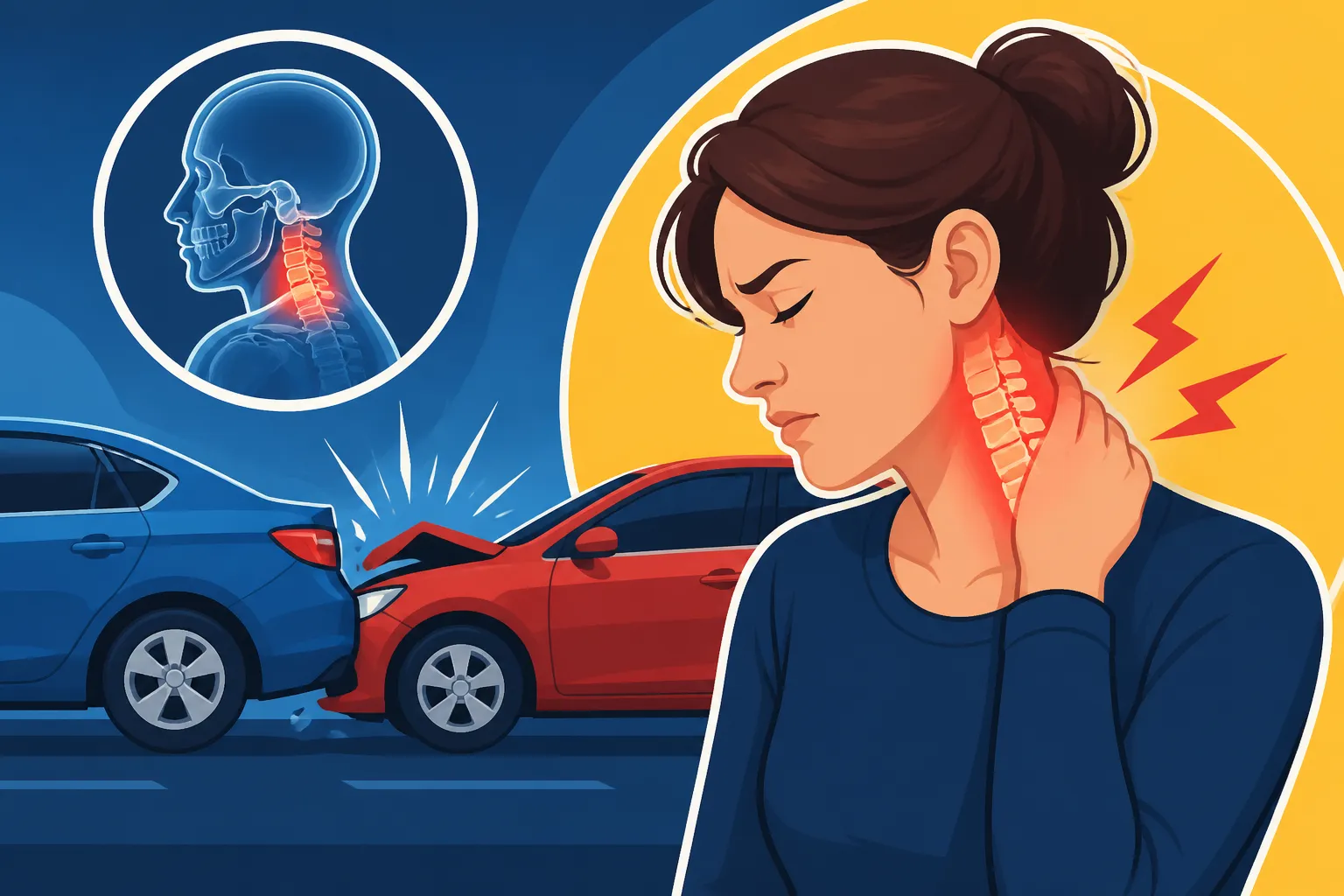
When people talk about whiplash, they often think of a simple neck strain. But it's actually a far more complex injury that occurs when your head is suddenly and forcefully thrown backward and then forward, much like the cracking of a whip. This rapid movement can stretch and tear the muscles, ligaments, and other soft tissues in your neck and upper back, and it can even affect your spinal discs and nerves. It’s not just a minor ache; it can be a significant injury with lasting consequences if not properly addressed.
The Mechanics Behind the Injury
Imagine sitting in your car, stopped at a red light in Los Angeles, and then suddenly, wham! Another vehicle strikes you from behind. Your torso is initially pushed forward by the seatbelt, but your head, unsupported, lags behind for a fraction of a second before snapping backward, overextending the neck. Then, just as quickly, it's propelled forward, often hitting the headrest or continuing its motion before stopping. This rapid, uncontrolled hyperextension and hyperflexion of the cervical spine is what causes the damage. The forces involved are tremendous, often much greater than you might realize from the perceived minor nature of the collision.
The sheer speed and force involved in this "whipping" motion can cause a cascade of injuries. We're talking about tiny tears in muscles, sprains in ligaments, and even damage to the delicate facet joints that allow your neck to move. Sometimes, it can even cause nerve compression or irritation, leading to symptoms that extend far beyond just your neck. Understanding this mechanism helps explain why such a wide array of symptoms can arise from what might seem like a straightforward rear-end collision.
Common Causes Beyond Rear-End Accidents
While rear-end collisions are the classic scenario for whiplash, they aren't the only culprits. Any accident where your head is violently jolted can cause this injury. This includes T-bone accidents where a car strikes your vehicle from the side, head-on collisions, and even sideswipe accidents if the impact is severe enough to cause significant body movement. Even sports injuries or falls can lead to whiplash if the head and neck motion is violent.
It's also important to remember that the severity of vehicle damage doesn't always correlate with the severity of whiplash. You might have a crumpled bumper, indicating a significant impact, but walk away relatively unscathed. Conversely, a minor fender bender with little vehicle damage could still result in severe whiplash injuries, especially if you were caught off guard. This is a frustrating reality for many accident victims, as insurance adjusters sometimes try to downplay injuries based solely on property damage. This is why it's so important to understand that your body's response is unique and not always visible.
Why Symptoms Don't Always Appear Right Away
It's a common, and often frustrating, experience: you get into a car accident, you feel fine at the scene, maybe a little shaken, but otherwise okay. You exchange information, tell the police you're not hurt, and go home. Then, the next morning, or even a few days later, you wake up with excruciating neck pain. This delayed onset of whiplash symptoms is incredibly common and often catches people by surprise, leading them to question if their pain is truly related to the accident.
The Role of Adrenaline and Shock
In the moments following a traumatic event like a car accident, your body's natural "fight or flight" response kicks in, flooding your system with adrenaline. This powerful hormone acts as a natural painkiller, masking any immediate pain or discomfort. It allows you to react, move, and deal with the immediate crisis without being incapacitated by potential injuries. This is a survival mechanism, but it can be misleading when assessing your condition.
Furthermore, the shock of the accident can also contribute to delayed symptoms. Your mind might be racing, focused on the damage to your car, the other driver, or simply the sheer unexpectedness of the event. In this state, it's easy to overlook subtle signs of injury. Many people report feeling a strange numbness or dissociation, which further contributes to the difficulty of an accurate self-assessment right after the crash. It's only when the adrenaline subsides and the initial shock wears off that the true extent of the damage often starts to reveal itself.
Gradual Onset and Escalation of Pain
Whiplash symptoms rarely hit you all at once. Instead, they often have a gradual onset, starting as a mild stiffness or tenderness that slowly intensifies over hours or days. You might dismiss a slight crick in your neck as "sleeping wrong" or attribute a headache to stress from the accident. However, as inflammation builds in the injured tissues, or as swelling puts pressure on nerves, these seemingly minor discomforts can escalate into debilitating pain.
This gradual progression can make it difficult to pinpoint the exact moment of injury and can sometimes lead to delays in seeking proper medical attention. It's a critical reason why doctors universally recommend getting checked out after an accident, even if you feel fine initially. By the time symptoms become unbearable, the underlying injury might have worsened, or the window for optimal early intervention might be narrowing. This is particularly true for conditions like a Herniated Disc From a Car Accident, where symptoms may not present immediately.
Common Physical Symptoms of Whiplash
Whiplash can manifest in a variety of ways, but certain physical symptoms are incredibly common. These are the signs that most people associate with the injury, and they typically revolve around pain and restricted movement in the head, neck, and upper body. It's important to be aware of these so you can accurately describe your experience to medical professionals and for your records, especially when considering How to Prove Injuries in a Car Accident Claim.
Neck Pain and Stiffness
The hallmark symptom of whiplash is, without a doubt, neck pain and stiffness. This can range from a dull ache to a sharp, burning sensation. The pain might be localized to one side of your neck, or it could spread across the entire back of your neck. The stiffness often limits your range of motion, making it difficult or painful to turn your head side to side, look up, or look down. You might find yourself turning your whole body just to look over your shoulder when driving, rather than just moving your neck.
This restricted movement isn't just uncomfortable; it's a clear indicator that something isn't right with the soft tissues or even the delicate structures of your cervical spine. The muscles might go into spasm as a protective mechanism, further contributing to the stiffness and pain. Activities you once took for granted, like tying your shoes or washing your hair, can become agonizing struggles. It’s crucial not to ignore persistent neck pain, as it can be a sign of significant soft tissue damage that requires professional evaluation and treatment.
Headaches and Migraines
Headaches are another incredibly common symptom following whiplash, often originating at the base of the skull and radiating forward to the temples, forehead, or behind the eyes. These are sometimes called cervicogenic headaches because they stem from issues in the cervical spine or the surrounding muscles. They can be dull and constant or severe and throbbing, sometimes even mimicking migraines with sensitivity to light and sound.
The intense strain placed on neck muscles and ligaments during the whiplash mechanism can lead to trigger points and muscle imbalances that refer pain to the head. Nerve irritation in the upper cervical spine can also contribute to headache development. It’s not uncommon for these headaches to persist for weeks or even months after the initial accident, significantly impacting daily life. Keeping a detailed journal of your headaches, including their severity, location, and any accompanying symptoms, can be incredibly helpful for your doctor and in substantiating your claim for Pain and Suffering: How It's Calculated.
Shoulder, Upper Back, and Arm Pain
The effects of whiplash often extend beyond just the neck. You might experience pain, tenderness, or stiffness in your shoulders and upper back. This is because the muscles and ligaments that support your neck also extend into these areas. For instance, the trapezius muscles, which span from your neck to your shoulders and mid-back, are frequently strained during a whiplash injury, leading to widespread discomfort.
In more severe cases, or if nerve roots in the cervical spine are irritated or compressed, you might also experience radiating pain, numbness, tingling, or weakness in your arms and hands. This sensation, sometimes described as a "pins and needles" feeling, can travel down one or both arms, indicating a potential nerve impingement. This kind of referred pain is a red flag and typically warrants immediate medical attention to prevent further nerve damage. Many of these symptoms align with Common Car Accident Injuries: Complete Guide (2027).
Dizziness and Vertigo
While less common than neck pain or headaches, dizziness and vertigo can be distressing whiplash symptoms. Dizziness might feel like lightheadedness or a sensation of being unsteady on your feet. Vertigo, on the other hand, is the illusion of movement, where you or your surroundings feel like they're spinning or swaying. These sensations can be intermittent or persistent, and they can significantly impact your balance and ability to perform daily tasks safely.
These symptoms often arise from issues with the vestibular system, which is responsible for balance and spatial orientation. Whiplash can disrupt the delicate structures in the inner ear or affect the neck's proprioceptors (sensors that tell your brain about your body's position), sending conflicting signals to your brain. It can be a very disorienting experience, making driving, walking, or even just sitting upright a challenge. If you're experiencing dizziness or vertigo, it's crucial to inform your doctor, as it could indicate a more serious underlying issue.
Jaw Pain and TMJ Dysfunction
A surprisingly common, yet often overlooked, symptom of whiplash is jaw pain or temporomandibular joint (TMJ) dysfunction. The sudden, forceful movement of your head during a whiplash injury can put immense strain on the muscles, ligaments, and discs of your jaw joints. You might notice pain when chewing, yawning, or talking, or experience clicking, popping, or grating sounds when you open or close your mouth.
Sometimes, your jaw might even "lock" open or closed, causing significant distress. This TMJ involvement can be particularly frustrating because it can make eating and speaking uncomfortable, further impacting your quality of life after an accident. If you find yourself clenching your jaw more, or experiencing new jaw pain, it's worth discussing this possibility with your doctor or dentist, as it might be directly related to your whiplash injury.
Less Obvious and "Hidden" Whiplash Symptoms
Whiplash isn't just about physical pain. The intricate connection between your spine, nerves, and brain means that injuries to the neck can manifest in a surprising array of cognitive, emotional, and systemic symptoms. These "hidden" symptoms are often the most difficult to connect to the accident and can be particularly frustrating to deal with, both personally and when dealing with insurance companies. Understanding these nuances is part of understanding What Is Whiplash? Symptoms, Treatment & Claims.
Fatigue and Sleep Disturbances
Feeling utterly exhausted, even after a full night's sleep, is a common complaint for whiplash sufferers. This persistent fatigue isn't just about feeling tired; it's a deep, pervasive weariness that can make simple tasks feel monumental. It can stem from the body's efforts to heal the injured tissues, which demands a lot of energy. Additionally, the constant pain and discomfort can make it incredibly difficult to get restorative sleep, leading to a vicious cycle of fatigue.
You might find yourself struggling with insomnia, waking up frequently due to pain, or simply unable to fall into a deep sleep. This lack of quality rest exacerbates other symptoms, including pain sensitivity and cognitive issues. It's a frustrating battle, as adequate sleep is essential for healing, yet the injury itself prevents it. Be sure to mention any changes in your sleep patterns or levels of fatigue to your doctor, as these are important indicators of the overall impact of your injury.
Concentration and Memory Problems
Many people with whiplash report difficulty concentrating, feeling "foggy" in their thoughts, or struggling to remember things. This cognitive fuzziness can be incredibly alarming and impact your ability to work, study, or even follow conversations. It's often described as feeling like your brain is operating in slow motion or being in a constant state of mild confusion.
These issues can arise from several factors, including the pain itself, sleep deprivation, stress, and even subtle changes in blood flow or neural activity in the brain due to the injury. While not a direct brain injury like a concussion (though whiplash and concussion can co-occur), the impact on the cervical spine can still affect cognitive function. This is a particularly challenging symptom to deal with, as it's invisible to others and can make everyday life feel overwhelming. Keeping notes about specific instances where you struggled with memory or concentration can be valuable for your medical records.
Irritability and Mood Changes
It’s completely normal to feel stressed, anxious, or irritable after a car accident. The trauma itself, combined with the pain, sleep disturbances, and disruption to your daily life, can take a significant toll on your emotional well-being. You might find yourself snapping at loved ones, feeling easily overwhelmed, or experiencing sudden mood swings that are out of character for you.
This isn't just "being difficult"; it's a genuine symptom of the immense strain your body and mind are under. Sometimes, these emotional changes can even be a sign of PTSD and Emotional Distress After a Car Accident, particularly if you experienced significant fear or perceived danger during the collision. Acknowledging these feelings and discussing them with a healthcare professional, such as a therapist or counselor, is just as important as treating the physical symptoms. Your emotional recovery is an integral part of your overall healing process.
Vision Disturbances
Blurry vision, double vision, or difficulty focusing your eyes are less common but possible symptoms of whiplash. These visual disturbances can be alarming and can significantly impact your ability to drive, read, or perform tasks requiring fine motor skills. They might occur intermittently or be present more consistently, adding another layer of frustration and concern to your recovery.
The precise cause of vision problems after whiplash can vary. It might be due to muscle spasms in the neck affecting the nerves that control eye movement, or it could be related to changes in blood flow to the visual cortex. In some cases, it could also indicate a mild traumatic brain injury. If you experience any changes in your vision, it's essential to seek immediate medical evaluation from an ophthalmologist or neurologist to rule out more serious conditions and ensure you receive appropriate care.
When to Seek Medical Attention for Whiplash Symptoms
The golden rule after any car accident, regardless of how minor it seems, is to seek medical attention promptly. Even if you feel fine initially, remember that many whiplash symptoms are delayed. Early diagnosis and treatment can significantly improve your prognosis and prevent chronic issues. Waiting too long can not only worsen your injury but also complicate any future insurance claims, as the other side might argue your injuries weren't directly caused by the accident. This reinforces the importance of knowing Why You Should See a Doctor After a Car Accident.
Immediately After the Accident
While you might be focused on exchanging insurance information and checking vehicle damage, your health should be the absolute priority. If you experience any immediate pain, numbness, dizziness, or confusion, do not hesitate to call 911 or ask to be taken to the emergency room. Paramedics at the scene can provide an initial assessment and recommend transport if necessary. Even if you decline ambulance transport, consider visiting an urgent care center or your primary care physician within 24-48 hours.
This initial visit creates an official medical record connecting your symptoms to the accident, which is vital. Even if the doctor finds nothing immediately apparent, they can provide guidance on what to watch for and what to do if symptoms develop. This proactive step is crucial, as it establishes a clear timeline for your injury and can be instrumental in demonstrating causation for any future claim.
Persistent or Worsening Symptoms
If your symptoms are persistent, despite rest and over-the-counter pain relievers, or if they are progressively getting worse, it's a clear sign that you need further medical intervention. Don't try to tough it out or assume it will just go away on its own. Worsening pain, increasing stiffness, new radiating pain down your arms, or developing cognitive issues like memory problems are all red flags that warrant immediate re-evaluation by a doctor.
A general practitioner might refer you to specialists like an orthopedist, neurologist, or physical therapist, depending on your specific symptoms. These professionals can conduct more thorough diagnostic tests, such as X-rays, MRIs, or CT scans, to get a clearer picture of the extent of your injuries, which are crucial for documentation. Early intervention with physical therapy, chiropractic care, or other treatments can often prevent acute whiplash from becoming a debilitating, chronic condition.
Red Flags That Require Emergency Care
Certain symptoms after a car accident should never be ignored and require emergency medical attention. These include:
- Severe head pain or loss of consciousness: These could indicate a concussion or more serious traumatic brain injury.
- Weakness or numbness in your limbs: This might suggest spinal cord compression or significant nerve damage.
- Difficulty walking or maintaining balance: This could be a sign of neurological impairment.
- Slurred speech or changes in vision: These are also potential signs of neurological issues.
- Bowel or bladder dysfunction: This is a serious symptom that could indicate a severe spinal cord injury.
If you experience any of these red flags, call 911 immediately or have someone take you to the nearest emergency room. Don't delay, as prompt treatment for these types of injuries can be life-saving and prevent long-term disability.
Documenting Your Whiplash Symptoms for a Claim
Dealing with the physical and emotional toll of whiplash is challenging enough without the added stress of an insurance claim. However, proper documentation of your symptoms and medical care is absolutely vital for a successful claim. Without concrete evidence, insurance companies, such as GEICO or Progressive, may try to minimize your injuries or deny your claim altogether. This meticulous record-keeping is a key part of How to File a Car Accident Insurance Claim.
Keeping a Detailed Symptom Journal
One of the most powerful tools you have is a detailed symptom journal. Starting from the day of the accident, even if you feel fine, begin documenting everything. Make daily entries, noting:
- Type of pain: Describe the pain (e.g., dull ache, sharp, throbbing, burning).
- Location of pain: Be specific (e.g., "base of skull," "left side of neck," "radiating down right arm").
- Severity of pain: Use a scale of 1-10 (1 being no pain, 10 being the worst imaginable).
- When the pain occurs: Is it constant? Does it come and go? What activities trigger it or make it worse?
- Other symptoms: Include headaches, dizziness, fatigue, sleep disturbances, mood changes, difficulty concentrating, etc.
- Impact on daily life: How do these symptoms prevent you from performing routine tasks, working, or enjoying hobbies?
- Medications and treatments: Note any pain relievers, therapies, or exercises you're using and their effectiveness.
This journal provides a chronological, personal account of your suffering and the progression of your symptoms, making it much harder for an insurance adjuster to dispute the reality of your injury.
Medical Records and Professional Diagnosis
Your medical records are the backbone of any car accident claim. Every visit to a doctor, specialist, physical therapist, or chiropractor needs to be documented. Ensure that your medical providers clearly link your injuries and symptoms to the car accident in their notes. If you initially delayed seeing a doctor, be transparent about the delayed onset of your symptoms.
Your doctor's diagnosis of whiplash, often based on imaging tests (like X-rays or MRI to rule out other injuries) and physical examinations, is critical. These official diagnoses provide objective evidence of your injury. Make sure to keep copies of all medical bills, prescription receipts, and any referrals to specialists. These documents quantify the economic damages you've suffered and are essential for calculating your potential Car Accident Claim Timeline: What to Expect.
Photographs and Witness Statements
While not directly related to internal whiplash symptoms, external documentation can support your claim. Take photographs of your vehicle damage, the accident scene, and any visible bruises or injuries on your body. Even minor vehicle damage can be important evidence, as some insurance adjusters try to downplay injuries if the vehicle damage is slight.
If there were any witnesses to the accident, try to get their contact information. Their statements, especially if they corroborate the force of impact or observed your distress at the scene, can be valuable. A police report, if filed, will also be an important piece of evidence, detailing the circumstances of the accident. All these pieces of information, when combined, paint a comprehensive picture for the insurance company and, if necessary, for a court of law.
| Symptom Category | Specific Symptoms | Typical Onset | What to Watch For |
|---|---|---|---|
| Pain & Stiffness | Neck pain, shoulder pain, upper back pain, stiffness | Hours to 1-2 days | Worsening pain, limited range of motion |
| Head-Related | Headaches, migraines (often from base of skull) | 1-3 days | Pulsating pain, sensitivity to light/sound, persistent |
| Neurological | Dizziness, vertigo, numbness/tingling in arms/hands | Hours to several days | Imbalance, difficulty walking, radiating sensations |
| Cognitive/Emotional | Fatigue, concentration issues, irritability, anxiety | Days to 1 week | Persistent exhaustion, memory lapses, significant mood changes |
| Other Physical | Jaw pain (TMJ), blurred vision, ringing in ears | Days to 1 week | Pain with chewing, clicking jaw, new visual disturbances |
Navigating the Road to Recovery and Compensation
Experiencing whiplash after a car accident is a challenging ordeal, not just physically, but emotionally and financially. From the initial shock and delayed onset of symptoms to the hurdles of medical treatment and insurance claims, it's a journey fraught with complexities. By understanding the common and less obvious symptoms, seeking prompt and consistent medical care, and meticulously documenting every step of your recovery, you empower yourself to navigate this process more effectively. Remember that your health and well-being are paramount, and advocating for proper diagnosis and compensation is a crucial part of your healing journey.
It's common for accident victims to feel overwhelmed and unsure of their rights. Resources are available to help you understand your options, whether it’s finding a qualified medical professional or understanding the intricacies of How Much Is My Car Accident Settlement Worth? (2026). Don't hesitate to lean on these resources and seek professional advice if you feel the process is becoming too much to handle on your own. Your focus should be on recovery, and good support can help you achieve that.
Disclaimer
Please note that the information provided in this article is intended for general informational purposes only and does not constitute legal or medical advice. Every car accident and personal injury claim is unique. You should consult with a qualified legal professional for advice regarding your specific situation and seek immediate medical attention for any injuries sustained in an accident.