Concussion Symptoms After a Car Accident
Experiencing a car accident is jarring enough, but the aftermath can be even more confusing, especially when you start feeling "off" but can't quite pinpoint why. Many people walk away from a collision feeling shaken but otherwise okay, only for subtle and unsettling symptoms to creep up hours or even days later, leaving them wondering if it's just stress or something more serious. This comprehensive guide is here to shed light on common concussion symptoms after a car accident, helping you understand what to watch for and why prompt medical attention is so critical.
Understanding Concussions and Vehicle Collisions
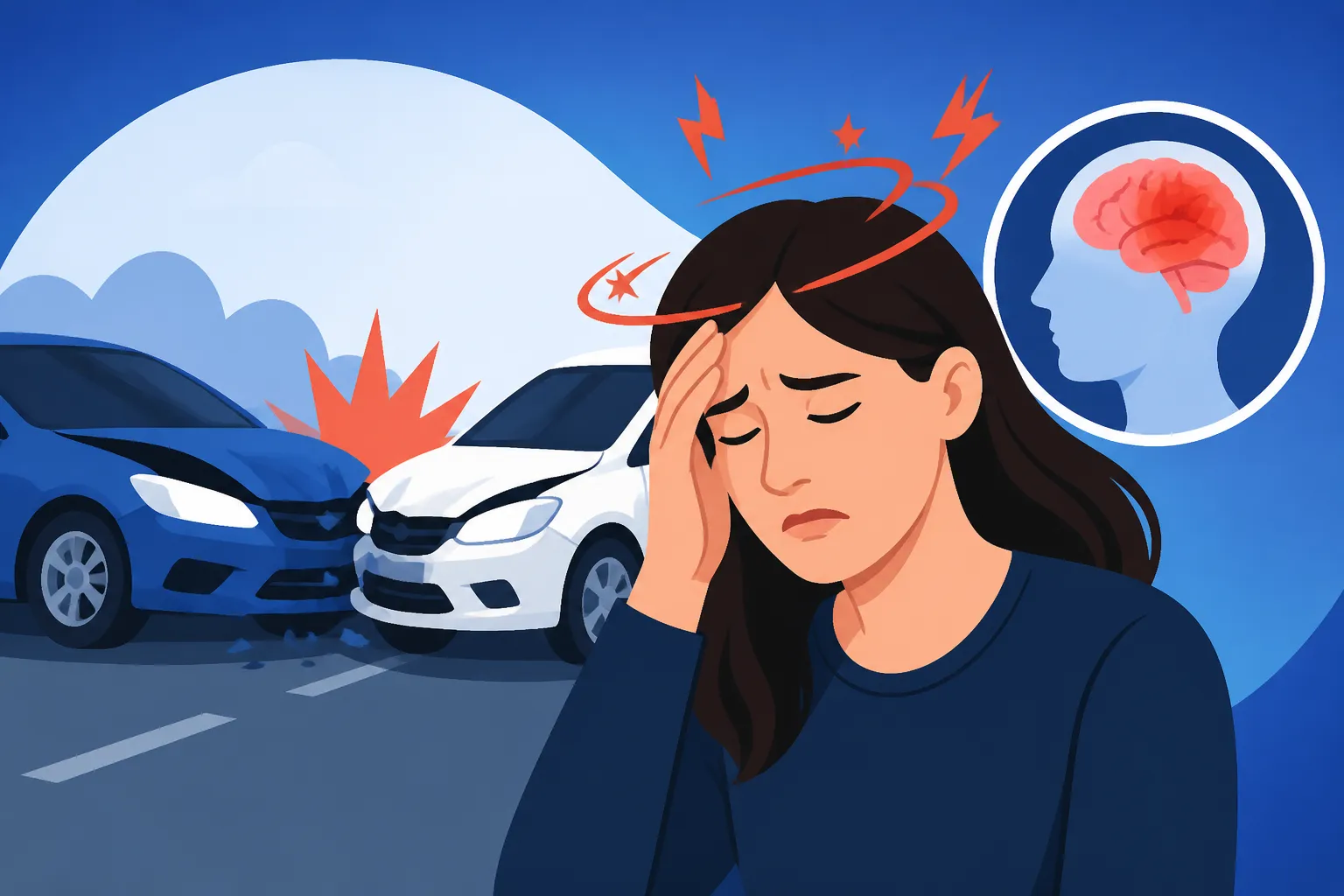
When we talk about a concussion, it's not always about losing consciousness or a dramatic head injury that leaves a visible mark. In the context of a car accident, a concussion is often a mild traumatic brain injury (TBI) resulting from the sudden, violent jarring of the head and brain. The force of impact, even at relatively low speeds, can cause your brain to slosh inside your skull, hitting the inner walls and leading to bruising, swelling, and microscopic damage to brain cells.
What Exactly is a Concussion?
Think of your brain as a delicate, gelatinous organ floating in cerebrospinal fluid, cushioned inside your skull. During a car accident, especially in sudden stops or impacts like a rear-end collision or a T-bone accident, your head can accelerate and decelerate extremely rapidly. This violent motion causes your brain to move forcefully within that protective fluid, striking the hard inner surface of your skull. This impact can disrupt normal brain function, leading to a temporary alteration in mental state. It's not always about a skull fracture; often, it's about the microscopic damage to brain cells and the disruption of chemical balances. The Centers for Disease Control and Prevention (CDC) defines a concussion as a type of traumatic brain injury caused by a bump, blow, or jolt to the head or by a hit to the body that causes the head and brain to move rapidly back and forth. Even minor fender benders can transmit enough force to cause this internal jostling, leaving you with a brain injury that might not be immediately obvious.
Why Car Accidents Are a Common Cause
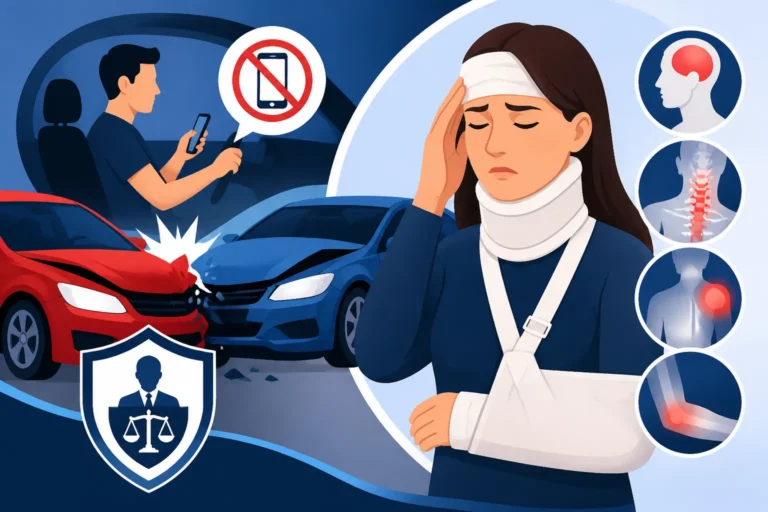
Car accidents are, unfortunately, one of the leading causes of concussions. The sheer forces involved are incredible. Even with airbags and seatbelts doing their job, the sudden acceleration and deceleration can create a whiplash effect on your head and neck. Your body might be restrained, but your head can still snap forward and backward, or violently to the side, causing your brain to impact the inside of your skull. This is why even if your head doesn't directly hit the steering wheel, dashboard, or window, you can still sustain a concussion. This mechanism of injury is particularly prevalent in impacts from the side or behind. For instance, in a common scenario like a rear-end collision, your head is suddenly thrown backward and then forward, a classic whiplash motion that easily leads to a concussion. It's important to remember that airbags, while vital for preventing more severe injuries, can also contribute to concussions due to the rapid deployment force.
Immediate Concussion Symptoms to Watch For
After the initial shock of a car accident, your adrenaline is likely pumping, which can mask many immediate symptoms. However, it's crucial to be aware of what to look for in the moments, or first few hours, following the crash. These are the tell-tale signs that scream "get checked out!" as quickly as possible.
Loss of Consciousness and Dizziness
While not every concussion involves losing consciousness, if it happens, even for a brief moment, it's a clear red flag. Even if you "blacked out" for just a second or two and quickly regained awareness, that still counts as a loss of consciousness and indicates a significant brain trauma. Far more common, however, is a feeling of dizziness or lightheadedness immediately after the collision. You might feel unsteady on your feet, like the world is spinning, or simply a general sense of disorientation. This can make standing, walking, or even just sitting upright feel like a challenge. You might also describe it as feeling "foggy" or "hazy," as if you're not fully present or aware of your surroundings. This dizziness isn't just a minor inconvenience; it's a direct symptom of the brain's internal disruption and a clear sign that you need immediate medical evaluation.
Headaches and Nausea
Headaches are perhaps the most common and immediate symptom reported after a car accident concussion. These aren't just your run-of-the-mill tension headaches. They can range from a dull, persistent ache to a throbbing pain that feels like a vice grip around your head. Sometimes, these headaches are localized to the area of impact, but often they can be diffuse, affecting your entire head. Alongside headaches, many individuals experience nausea, which can sometimes escalate to vomiting. This symptom is particularly concerning because it points directly to an internal disruption of brain function. It’s your brain signaling that something is very wrong. If you find yourself battling a severe headache that doesn't subside, or feeling increasingly nauseous after an accident, don't dismiss it as stress. These are critical signs of a potential concussion that demand immediate attention from a healthcare professional.
Delayed Concussion Symptoms: The Sneaky Aftermath
One of the most insidious things about concussions from car accidents is that the symptoms aren't always immediate. Many people feel "fine" at the scene, exchange information, and go home, only for a wave of perplexing symptoms to hit them hours, days, or even weeks later. This delay can make it harder to connect the symptoms to the accident, but it doesn't make the injury any less real or serious. Understanding How Delayed Symptoms Affect Your Claim is also crucial for your recovery journey.
The "Foggy" Feeling and Concentration Issues
Perhaps the most common delayed symptom is a persistent feeling of mental fogginess or haziness. It's like your brain isn't quite firing on all cylinders. You might find it hard to focus on tasks that were once second nature, struggle to follow conversations, or have trouble processing information. This isn't just about feeling tired; it's a profound cognitive disruption. Imagine trying to read a book, but the words blur together, or you read an entire paragraph and realize you have no idea what you just read. You might also notice you're easily distracted, making it incredibly difficult to concentrate at work, school, or even during simple daily activities. This inability to concentrate can be incredibly frustrating and isolating, making you feel detached from the world around you. This "brain fog" is a classic sign that your brain is still recovering from the trauma.
Sleep Disturbances and Fatigue
After a concussion, your sleep patterns can go haywire. Some people find themselves constantly tired, needing more sleep than usual, yet never feeling rested. Others struggle with insomnia, finding it impossible to fall asleep or stay asleep, even when they're exhausted. You might wake up multiple times during the night, or find that the quality of your sleep is severely diminished. This isn't just about feeling sleepy; it's a profound, persistent fatigue that no amount of rest seems to cure. The fatigue can be overwhelming, affecting your energy levels throughout the day and making even simple tasks feel monumental. This can create a vicious cycle: you're tired because your brain is injured, but the injury itself prevents you from getting the restorative sleep you need to heal. If you're noticing significant changes in your sleep habits or an unshakeable sense of exhaustion, it's a strong indicator of an ongoing concussion issue.
Recognizing Cognitive and Emotional Changes
Beyond the physical sensations, concussions can profoundly impact your cognitive abilities and emotional state. These changes are often less obvious to others but can be deeply distressing for the individual experiencing them. It's critical not to dismiss these as simply "stress" or "being shaken up."
Memory Problems and Sensitivity to Stimuli
A common cognitive symptom after a concussion is difficulty with memory, particularly short-term memory. You might find yourself forgetting recent conversations, misplacing items, or struggling to recall details about the accident itself. This isn't always about completely losing memories; it's often a struggle to form new ones or retrieve specific information. For instance, you might know you had a conversation, but the specifics of what was said are just out of reach. This can be incredibly frustrating in daily life.
Coupled with memory issues, many concussion sufferers develop increased sensitivity to external stimuli. Bright lights can become unbearable, leading to headaches, squinting, or a need to wear sunglasses indoors. Loud noises, which you once tolerated, might now feel jarring and overwhelming, causing irritability or pain. Even certain smells or busy environments can trigger symptoms. This hyper-sensitivity is your brain's way of telling you it's overloaded and struggling to filter information, making it difficult to function in normal environments.
Mood Swings and Irritability
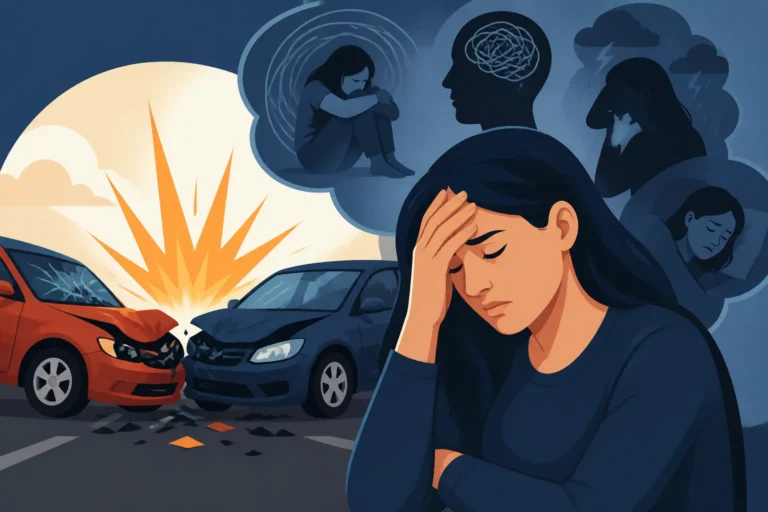
Emotional changes are a hallmark of concussions and can be particularly challenging for both the individual and their loved ones. You might find yourself experiencing uncharacteristic mood swings, going from calm to extremely irritable or tearful in a short span. Feelings of frustration, anxiety, and sadness can become overwhelming, often out of proportion to the situation. You might lash out at loved ones over minor issues or find yourself constantly on edge. It's important to understand that these aren't character flaws; they are direct neurological symptoms of your brain injury. The part of your brain that regulates emotions can be affected, leading to difficulties in managing your feelings. This can feel incredibly isolating, as you might not even recognize the person you're becoming. Recognizing PTSD and Emotional Distress After a Car Accident is an important step toward healing.
Why Medical Attention is Crucial After a Suspected Concussion
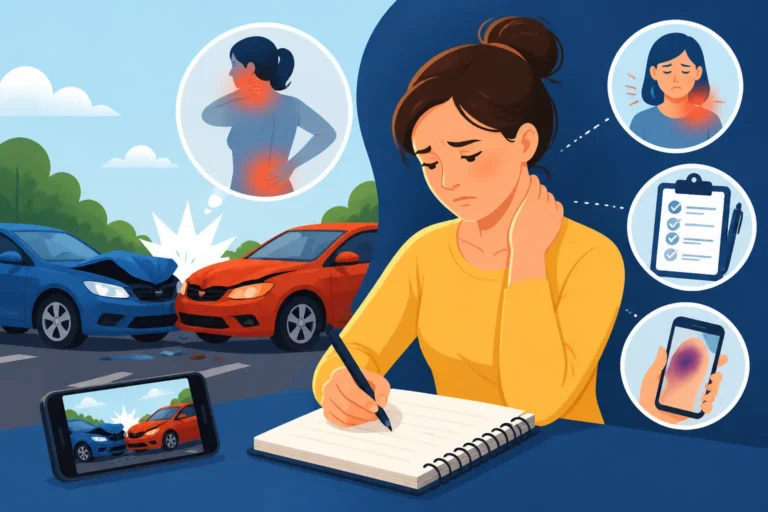
After a car accident, even if you don't feel severely injured, getting a medical evaluation is paramount. This isn't just about your physical well-being; it's also critical for documenting your injuries, which becomes vital if you need to file a car accident claim. Ignoring symptoms or delaying treatment can have significant long-term consequences, both for your health and any potential legal recourse. For a broader look at impacts, consider reviewing Common Car Accident Injuries: Complete Guide (2027).
The Importance of Prompt Diagnosis
Receiving a prompt diagnosis for a concussion is non-negotiable. Firstly, it allows medical professionals to rule out more severe brain injuries, such as a brain hemorrhage or a skull fracture, which can be life-threatening. Even if your symptoms seem mild, only a trained doctor can properly assess the extent of the damage. They'll perform neurological examinations, cognitive tests, and potentially imaging scans like a CT or MRI to get a full picture. Early diagnosis means you can start appropriate treatment and management strategies sooner, which significantly improves your chances of a full recovery. Delaying diagnosis can exacerbate symptoms, prolong recovery time, and even lead to a condition known as post-concussion syndrome, where symptoms persist for weeks, months, or even years. This is why Why You Should See a Doctor After a Car Accident isn't just good advice, it's essential.
Long-Term Effects and Post-Concussion Syndrome
If left untreated or improperly managed, a concussion can lead to a host of debilitating long-term effects, often categorized under post-concussion syndrome (PCS). This condition is characterized by a constellation of symptoms that persist long after the initial injury, sometimes for months or even years. These can include chronic headaches, persistent dizziness, cognitive difficulties like memory and concentration problems, ongoing sleep disturbances, and exacerbated emotional issues such as anxiety, depression, and irritability. Imagine living with a constant headache, feeling perpetually foggy, and struggling to manage your emotions; that's the reality for many PCS sufferers.
Moreover, repeated concussions, especially if the brain hasn't fully healed from a previous one, can lead to even more severe and permanent neurological damage, a condition known as chronic traumatic encephalopathy (CTE) in severe cases. This is why following medical advice, engaging in prescribed rest, and gradually returning to activities is vital. The goal of early and thorough treatment is to prevent these long-term complications and facilitate a complete return to normal functioning. Your doctor will work with you to determine when you've reached What Is Maximum Medical Improvement (MMI)?
Here's a quick look at how concussion symptoms can manifest:
| Category | Immediate Symptoms (Hours Post-Accident) | Delayed Symptoms (Days to Weeks Post-Accident) |
|---|---|---|
| Physical | Headache, Nausea, Vomiting, Dizziness, Blurred Vision, Light/Noise Sensitivity | Persistent Headaches, Balance Problems, Fatigue, Sleep Disturbances |
| Cognitive | Confusion, Feeling "Dazed," Slowed Response, Difficulty Concentrating | Memory Problems, "Brain Fog," Trouble Focusing, Slowed Thinking |
| Emotional/Mood | Irritability, Anxiety, Sudden Mood Changes | Depression, Anxiety, Increased Irritability, Mood Swings, PTSD |
When to Seek Emergency Care
While all suspected concussions warrant medical attention, some symptoms indicate a more severe injury that requires immediate emergency care. Knowing these red flags can be life-saving. Don't hesitate to call 911 or get to the nearest emergency room if you or someone you know exhibits any of these signs after a car accident.
Severe Headaches and Worsening Symptoms
A headache after a car accident is concerning, but a severe, rapidly worsening headache is an emergency. If the headache becomes excruciating, isn't relieved by over-the-counter pain medication, or intensifies significantly over a short period, it could signal a dangerous bleeding or swelling within the brain. This is a critical situation that demands immediate medical intervention. Similarly, if any of your other concussion symptoms, such as dizziness, confusion, or nausea, suddenly worsen dramatically, this is also a cause for alarm. For instance, if you were feeling a bit dizzy, but now you can barely stand, or your mild confusion has escalated to disorientation where you don't know where you are, these are indicators of a potentially escalating brain injury. Don't try to "tough it out" or wait to see if it improves; head straight to the ER.
Seizures, Slurred Speech, or Loss of Coordination
These are some of the most serious red flags indicating a severe brain injury. If you or someone else experiences a seizure after a head injury, it's an undeniable medical emergency. Seizures can be a sign of significant brain irritation or swelling. Similarly, any noticeable change in speech, such as slurring words, difficulty forming sentences, or speaking incoherently, is a very concerning symptom. This often points to direct neurological damage affecting the speech centers of the brain. Another critical sign is a sudden loss of coordination or balance that is more severe than typical dizziness. This could manifest as significant stumbling, an inability to walk in a straight line, or clumsiness that was not present before. These symptoms suggest a serious neurological event that needs immediate professional medical assessment to prevent further damage or complications. If you suspect Traumatic Brain Injury (TBI) From a Car Accident, do not delay in seeking emergency care.
Disclaimer
Please remember that the information provided in this article is intended for general informational purposes only and does not constitute medical or legal advice. Every car accident and resulting injury is unique. Always consult with a qualified healthcare professional for any medical concerns and a legal professional for advice regarding your specific car accident claim.