How Insurance Companies Determine Who Is at Fault
Insurance companies investigate car accidents using police reports, witness accounts, and evidence to pinpoint legal responsibility.
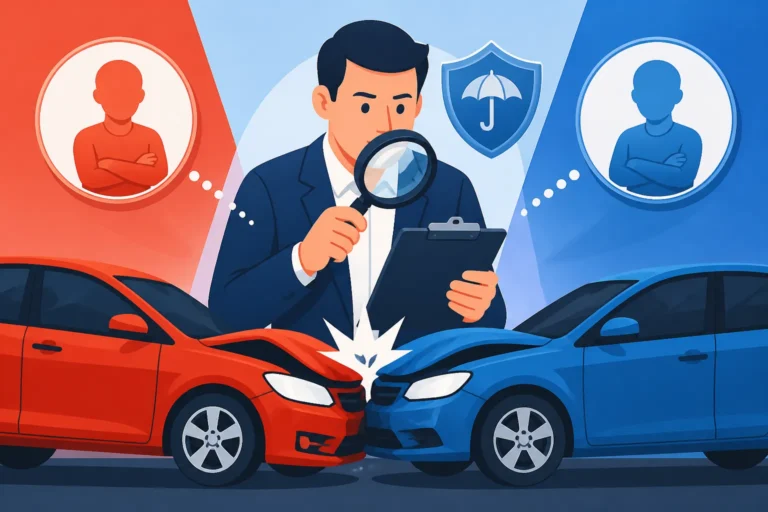
Insurance companies investigate car accidents using police reports, witness accounts, and evidence to pinpoint legal responsibility.
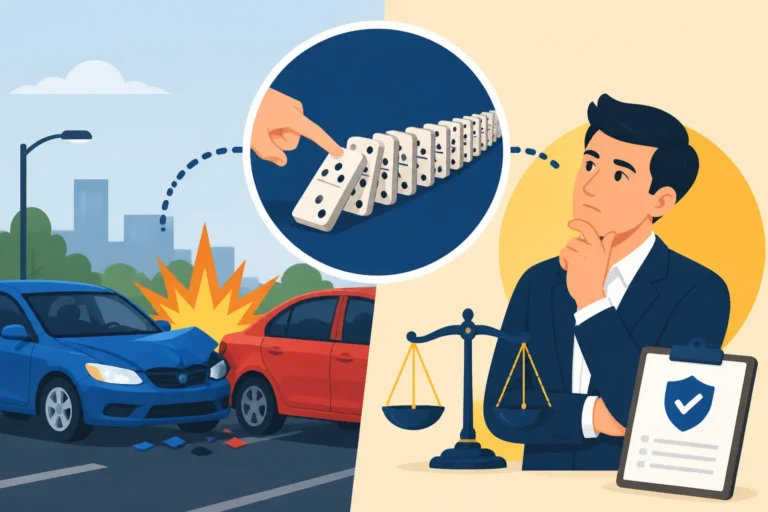
Proximate cause in car accident claims uses the but-for test and foreseeability to determine legal liability and recovery.
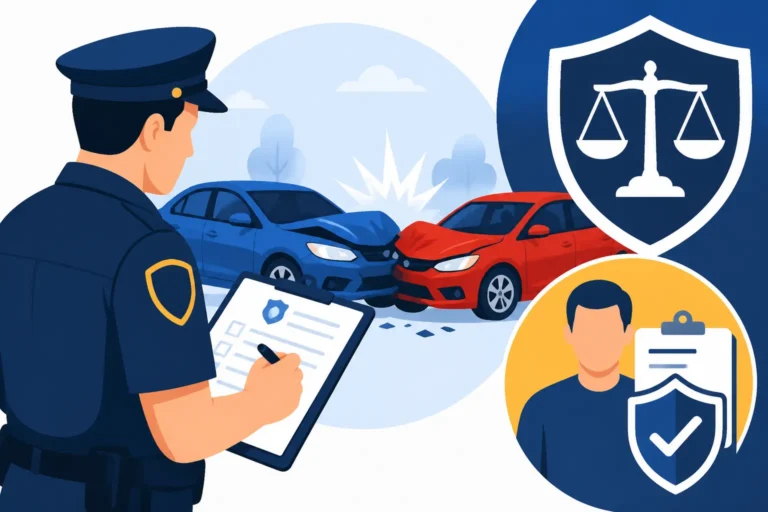
Police reports and law enforcement investigations explain how officers document car accident scenes and determine fault.
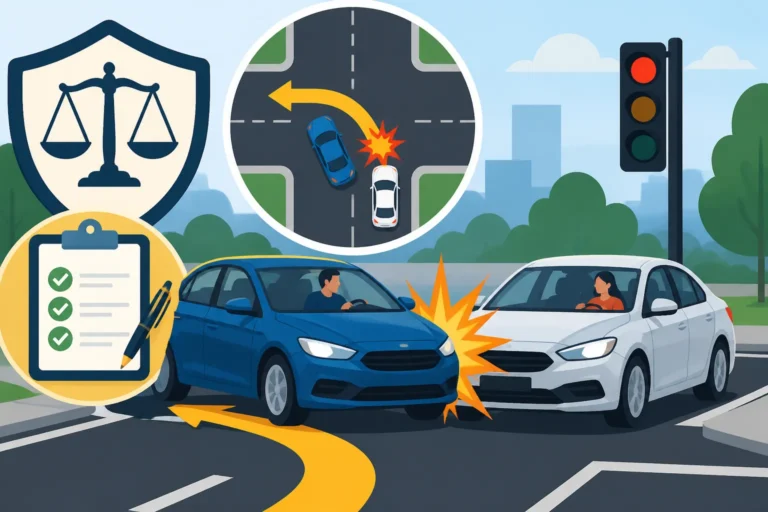
Left-turn accident fault rules and intersection right-of-way factors determine liability when vehicles collide during traffic maneuvers.
Rear-end collision fault explains how insurance companies and law enforcement assign responsibility to trailing drivers.
Shared fault in car accidents affects insurance claims, determining compensation under comparative or contributory negligence legal systems.
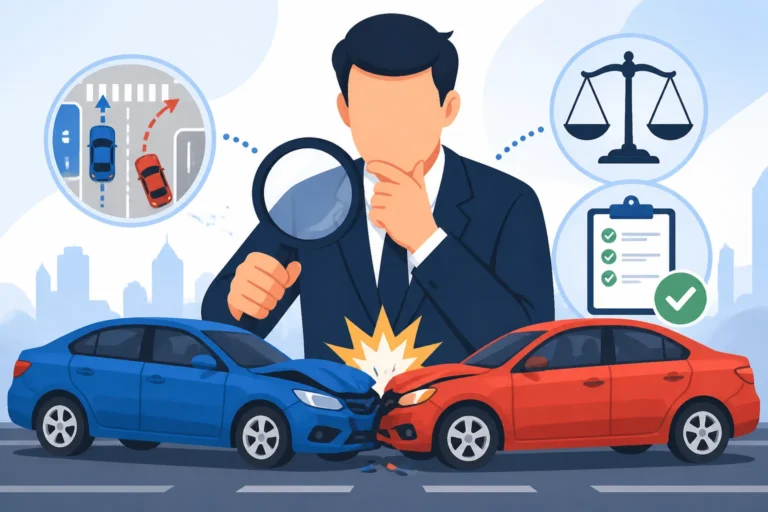
Legal fault in car accidents relies on driver negligence to determine insurance payouts and compensation for medical bills.
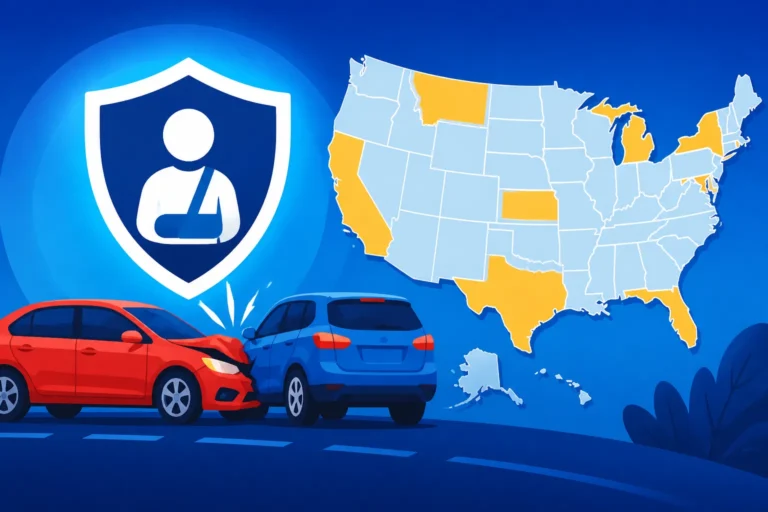
No-fault car insurance systems explain how Personal Injury Protection covers medical expenses regardless of who caused accidents.
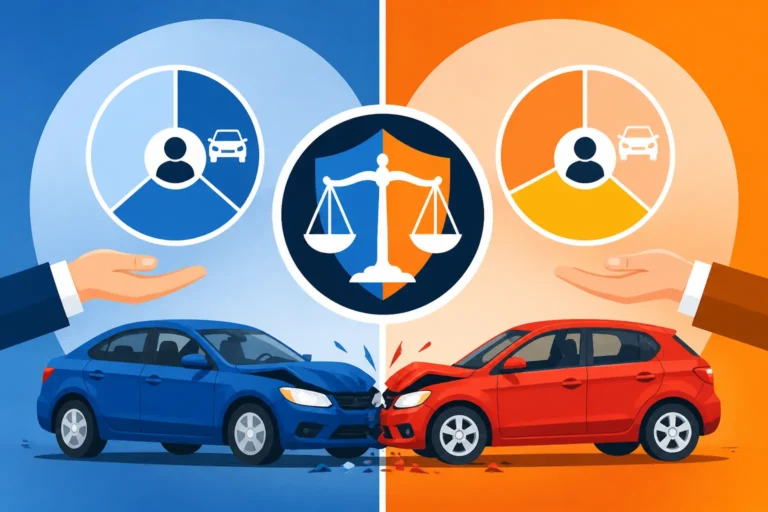
Comparative and contributory negligence standards determine how car accident fault affects your compensation and financial recovery.
Car accident fault determination explains financial responsibility, negligence, and insurance claims in at-fault or no-fault states.