What If There Was No Police Report?
Car accident claims without police reports face major hurdles regarding liability, vehicle damage, and insurance payouts.
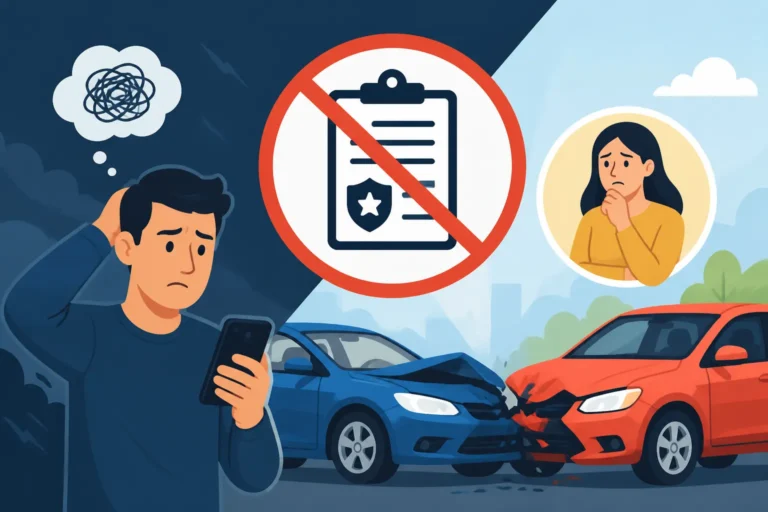
Car accident claims without police reports face major hurdles regarding liability, vehicle damage, and insurance payouts.

Car accident police reports do not legally determine financial fault, as insurance payouts depend on other crucial factors.
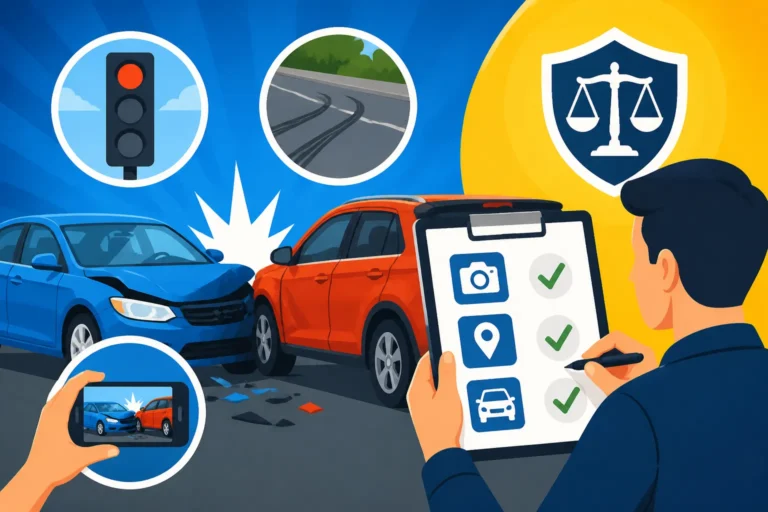
Proving the other driver was at fault involves demonstrating legal negligence, understanding state liability laws, and documenting collision evidence.
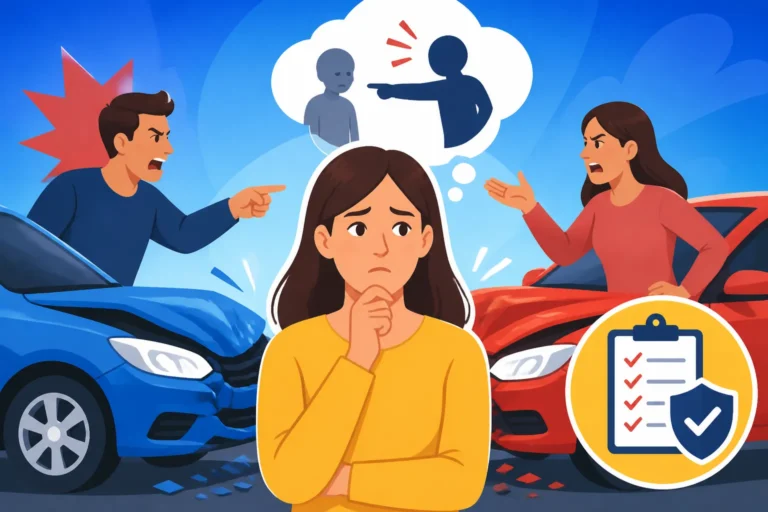
Car accident blame shifting and fault determination rules explain how insurance companies decide legal liability and damages.
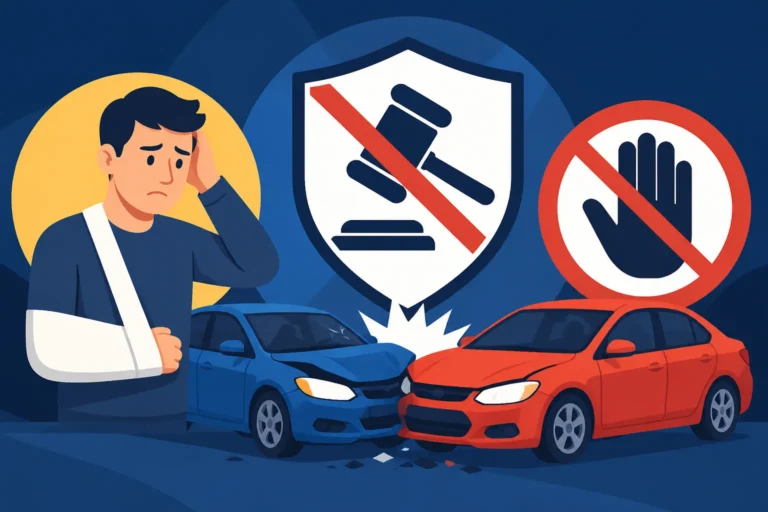
Contributory negligence states like Alabama, Maryland, and Virginia bar car crash damage recovery if you are one percent at fault.
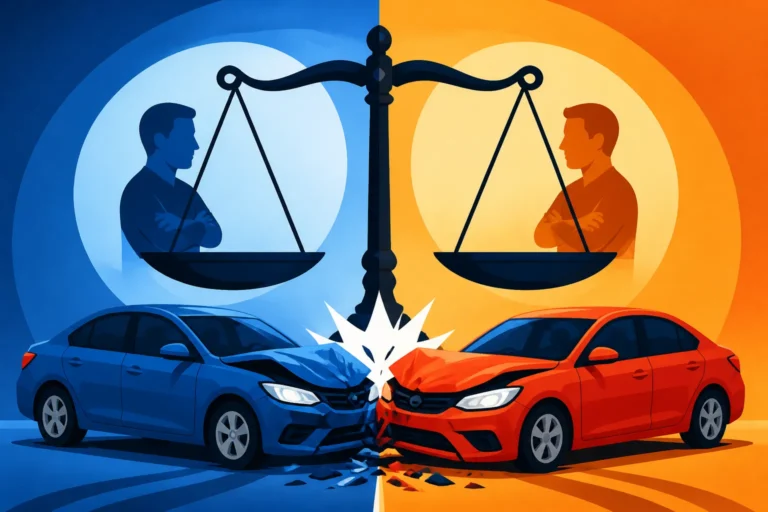
Modified comparative negligence rules explain how car accident compensation decreases based on shared driver fault percentages.
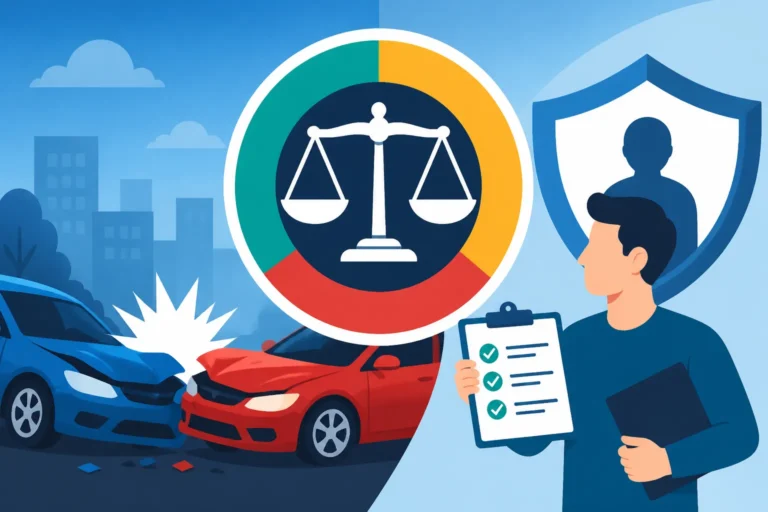
Pure comparative negligence allows car accident victims to recover damages reduced by their own specific percentage of fault.

Shared fault rules and state laws determine how car accident claims pay damages when drivers share one percent responsibility.
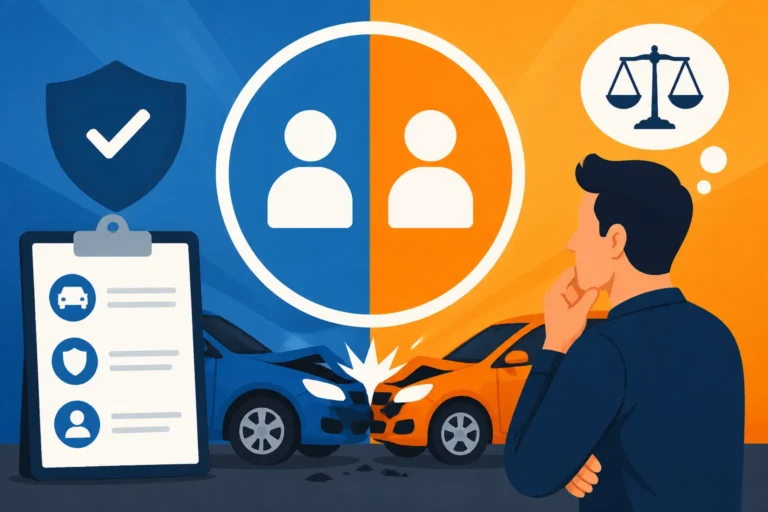
Fifty-fifty fault assigns equal negligence to both drivers, impacting your ability to recover damages in car accident claims.
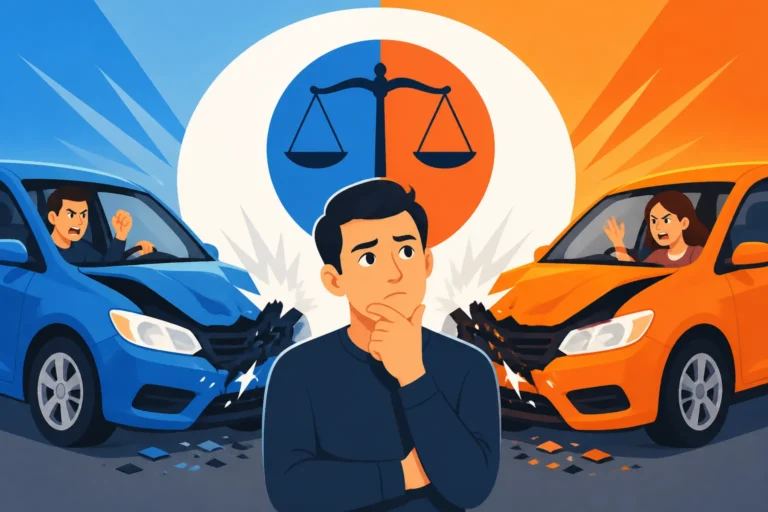
Shared fault car accident liability rules and comparative negligence determine insurance compensation when multiple drivers contribute to a collision.