Who Is at Fault in a Hit-and-Run?
Hit-and-run fault determination, insurance claims, and legal requirements for drivers who flee across all 50 states without stopping.
Hit-and-run fault determination, insurance claims, and legal requirements for drivers who flee across all 50 states without stopping.
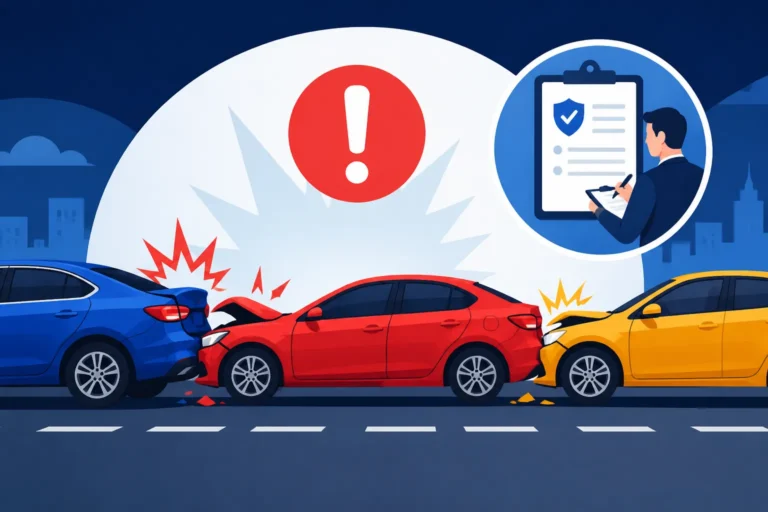
Fault determination in chain reaction rear end crashes and how California law assigns responsibility across multiple vehicles.
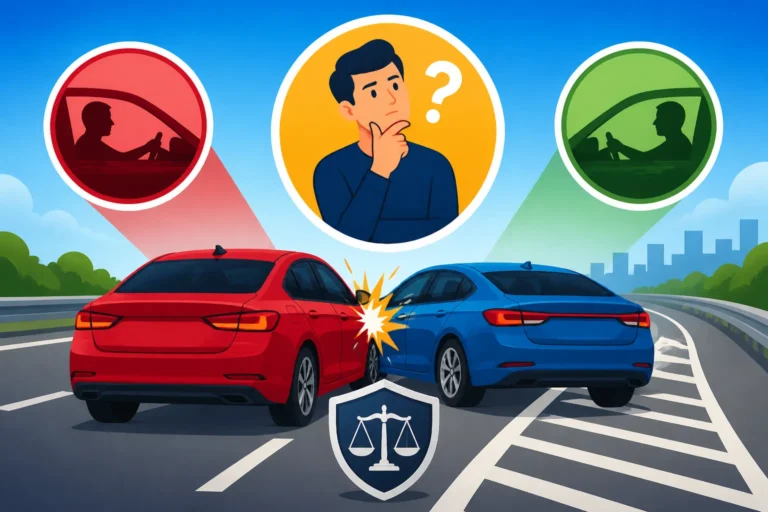
Merging accident fault rules depend on traditional yielding merges and zipper merges involving shared driver responsibility.
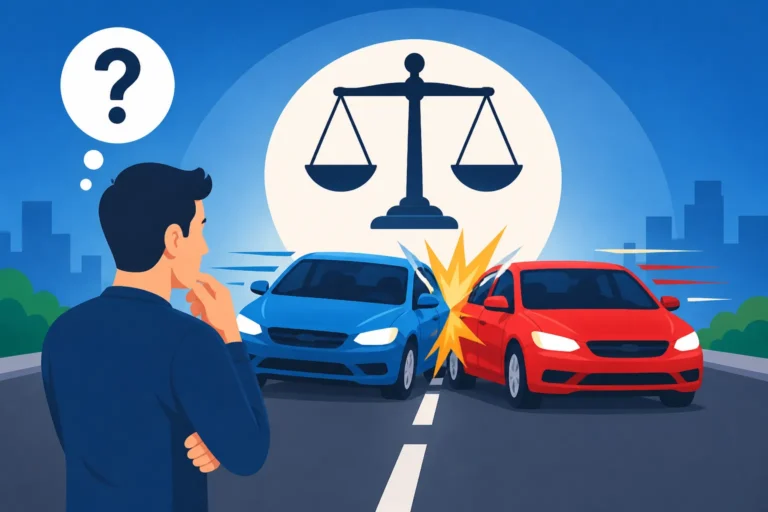
Lane-change accident fault determination depends on traffic laws, driver actions, and physical evidence from the collision scene.
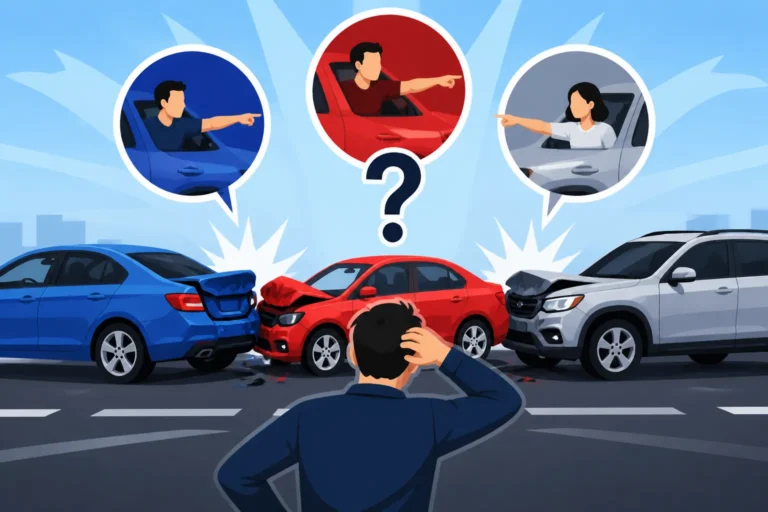
Multi-car pileup fault determination involves investigating chain reactions and evidence to assign responsibility among multiple drivers.
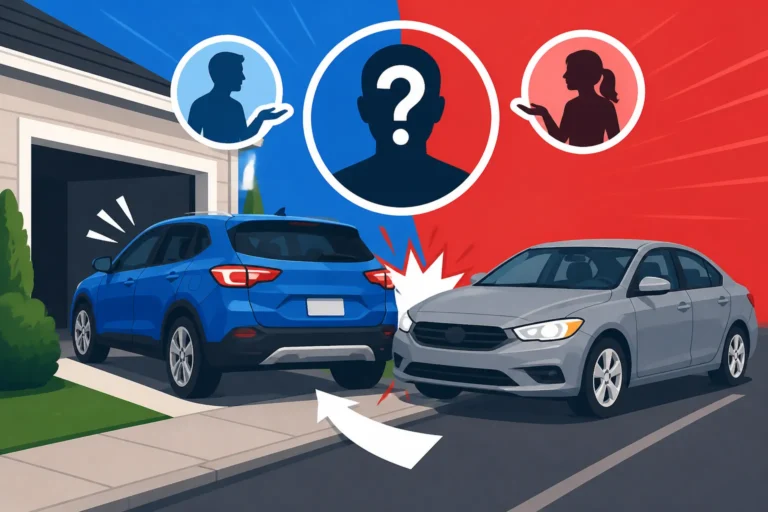
Driveway backing accidents place primary fault on the reversing driver, who must always yield to oncoming traffic on public roads.
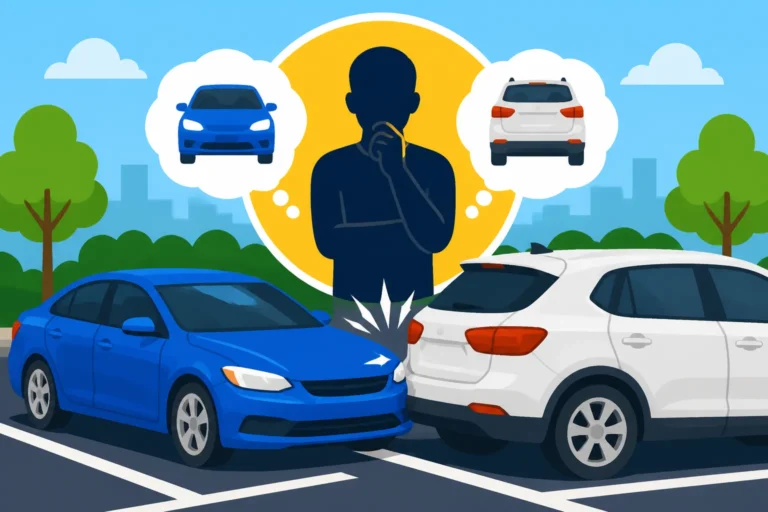
Insurance companies and legal professionals assign fault in parking lot accidents using specific incident factors and low speed collisions.

Sideswipe fault determination rules, insurance company review factors, and driver behaviors involved in same and opposite direction collisions.
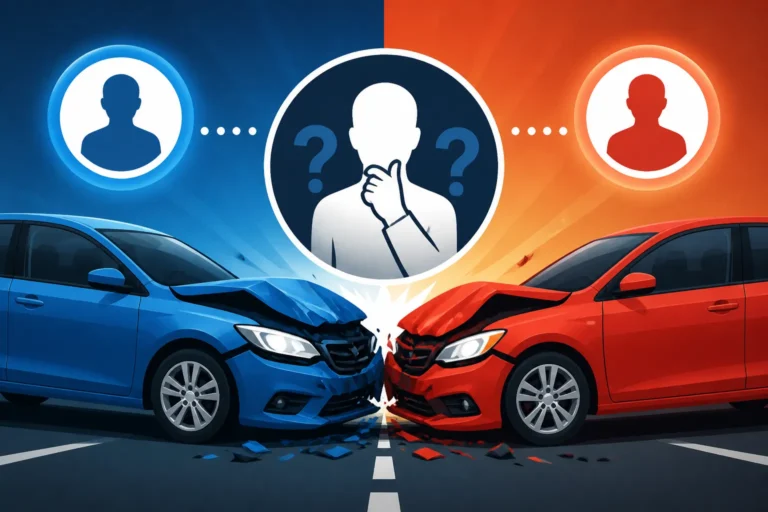
Fault determination in head-on collisions involves assessing lane departures, distracted driving, and underlying causes to assign liability.
Determining fault in a T-bone accident relies on right of way rules, critical evidence, intersections, and common injuries.