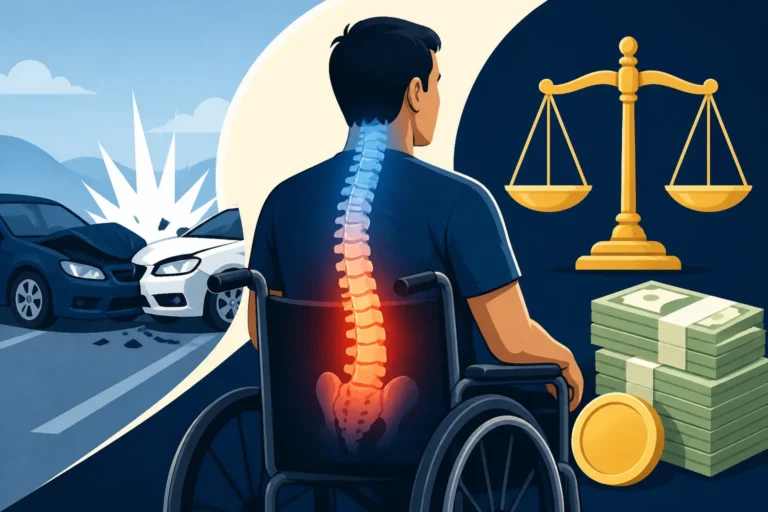
Average Car Accident Settlement in Minnesota
Getting into a car accident is already stressful enough, but then you're immediately faced with a maze of questions about what comes next. One of the biggest worries, of course, is how you're going to cover medical bills, lost wages, and car repairs. Trying to figure out what an "average car accident settlement in Minnesota" looks like can feel like searching for a needle in a haystack, leaving you feeling frustrated and uncertain. This guide is here to cut through the confusion, offering a realistic look at how settlements are determined in the North Star State and what factors truly impact your potential payout.
What Influences Car Accident Settlement Amounts in Minnesota?
When you’ve been involved in a car accident, one of the first questions that pops into your head, once the initial shock wears off, is often, "How much is this going to cost me, or better yet, how much can I expect to receive?" It’s a completely natural thought, especially when medical bills start piling up and you're missing work. However, the idea of an "average" settlement can be incredibly misleading because no two car accidents, or the injuries and damages that result from them, are ever truly identical.
The Myth of the "Average" Settlement and Why Yours Will Be Unique
You might find statistics online touting average settlement figures, but these numbers can be deceiving. They often lump together everything from a minor fender bender with no injuries to a catastrophic multi-vehicle collision resulting in lifelong disabilities. Think about it: a simple rear-end collision in a parking lot that results in a scratched bumper is going to have a vastly different settlement value than a high-speed highway crash that leaves someone with a herniated disc and months of physical therapy ahead. These "averages" don't account for the unique details of your specific situation – the type of crash, the severity of your injuries, the medical treatments required, the amount of lost income, and even the nuances of Minnesota's specific laws. Your case is a story unique to you, with its own set of facts, challenges, and potential outcomes.
Severity of Injuries and Medical Treatment
Without a doubt, the nature and extent of your injuries are the most significant drivers of your potential settlement value. It makes sense, right? More severe injuries typically mean more extensive and expensive medical care, longer recovery times, and a greater impact on your daily life. A person suffering from whiplash after a rear-end collision, which might involve physical therapy and pain management for a few months, will likely have a different claim value than someone who suffered a traumatic brain injury (TBI) requiring years of specialized treatment, rehabilitation, and potentially long-term care.
Consider the journey of someone who sustains a broken leg in a T-bone accident. Their path would likely involve emergency room visits, surgery to set the bone, follow-up appointments with orthopedic specialists, and weeks or even months of physical therapy. During this time, they might be unable to work, requiring crutches or a wheelchair, and facing limitations on their personal activities. All these factors – the type of injury, the specific medical procedures, the duration of recovery, and the overall impact on their life – contribute substantially to the final settlement amount. Documentation from every single doctor's visit, every prescription, every therapy session becomes crucial evidence. For a deeper dive into common injuries and how they're handled, you might want to read our guide on Common Car Accident Injuries: Complete Guide (2027).
Economic Damages: Quantifiable Losses
Economic damages are the straightforward, calculable losses you incur as a direct result of the car accident. These are the expenses you can point to with a bill or a pay stub, making them relatively easier to quantify, though compiling all the necessary documentation can still be a significant undertaking.
The most common economic damages include:
- Medical Bills: This covers everything from the ambulance ride and emergency room visit to specialist consultations, surgeries, medications, diagnostic tests (X-rays, MRIs), physical therapy, chiropractic care, and even future medical expenses that a doctor can reasonably predict will be necessary. Keeping meticulous records of every medical encounter and bill is absolutely critical for your claim.
- Lost Wages: If your injuries prevent you from working, even for a short period, you are entitled to compensation for those lost earnings. This includes not just your regular salary, but also any missed bonuses, commissions, or benefits. For those with more severe injuries that impact their long-term ability to work or earn at the same capacity, this can extend to claims for "loss of earning capacity," which accounts for future income you might miss out on over your lifetime. Our article on How Lost Wages Are Calculated in a Settlement can offer more insights here.
- Property Damage: This covers the costs to repair or replace your vehicle, as well as any other personal property damaged in the crash, such as a phone, laptop, or child seat. If your car is totaled, you'd be looking at its actual cash value (ACV) before the accident.
- Out-of-Pocket Expenses: Don't forget the smaller costs that add up quickly. This could include things like transportation to medical appointments, childcare services you needed because you were recovering, prescription co-pays, or even the cost of household help you had to hire because you couldn't perform daily tasks yourself.
Non-Economic Damages: The Intangible Costs
While economic damages cover your financial losses, non-economic damages address the more intangible and subjective impacts the accident has had on your life. These are often harder to put an exact dollar figure on, but they are absolutely real and can significantly affect your quality of life.
The primary component of non-economic damages is pain and suffering. This isn't just about the physical pain of your injuries, but also includes the emotional distress, anxiety, depression, fear, inconvenience, loss of enjoyment of life, and disruption to your daily routines. For example, if you were an avid runner before the accident but your injuries now prevent you from participating in marathons, that loss of enjoyment of a beloved hobby would fall under non-economic damages. Or perhaps the accident has left you with severe anxiety about driving, impacting your independence and daily commute. These aspects are deeply personal and require careful documentation, often through journals, testimony from loved ones, and psychological evaluations. Insurance companies use various methods, like the "multiplier method" or "per diem" method, to calculate these damages, often based on the severity and duration of your physical injuries and medical treatment. You can learn more about this in our guide on Pain and Suffering: How It's Calculated.
Minnesota's Unique No-Fault and Comparative Fault Laws
Navigating a car accident claim in Minnesota isn't just about tallying up your damages; it's also about understanding the specific legal framework that governs these situations in the state. Minnesota operates under a unique combination of no-fault and modified comparative negligence laws, which can significantly influence how your claim progresses and what you can ultimately recover.
The No-Fault System: Personal Injury Protection (PIP) Benefits
Minnesota is one of several states that follow a "no-fault" car insurance system. This means that, regardless of who caused the accident, your own insurance company is generally responsible for paying for certain initial medical expenses and lost wages up to a specified limit. This coverage is known as Personal Injury Protection (PIP) benefits. The minimum PIP coverage in Minnesota is typically $40,000, with $20,000 allocated for medical expenses and $20,000 for lost wages, essential services, and funeral expenses.
The idea behind no-fault is to streamline the process for minor injuries, ensuring that accident victims receive prompt medical care without having to wait for fault to be determined. However, this system also means you generally cannot sue the at-fault driver for pain and suffering or other non-economic damages unless your injuries meet certain "thresholds" defined by state law. These thresholds typically relate to the seriousness of the injury, such as permanent injury, permanent disfigurement, death, or disability for 60 days or more. If your injuries don't meet these criteria, your recovery for economic damages beyond your PIP limits and all non-economic damages will be restricted. Understanding What Is a No-Fault State? (And Which States Are No-Fault) can provide broader context.
Understanding Minnesota's Modified Comparative Negligence Rule
Even in a no-fault state like Minnesota, fault still matters, especially for more serious accidents that allow you to step outside the no-fault system. Minnesota follows a "modified comparative negligence" rule with a 51% bar. What does this mean for you?
It means that if you are found to be 51% or more at fault for the accident, you are legally barred from recovering any damages from the other driver. If you are found to be 50% or less at fault, you can still recover damages, but your total award will be reduced proportionally by your percentage of fault.
Let's illustrate with an example: Imagine you were involved in a T-bone accident at an intersection. The other driver ran a red light, but you were also speeding slightly. If a jury determines the other driver was 80% at fault and you were 20% at fault, and your total damages were assessed at $100,000, your settlement or award would be reduced by 20% to $80,000. However, if the jury decided you were 55% at fault because you sped through a yellow light that was turning red, you would receive nothing from the other driver. This rule is a critical factor in settlement negotiations, as insurance companies will always try to assign some percentage of fault to you to reduce their payout. Knowing What Happens If You're Partially at Fault? is vital.
The Role of Insurance Policies
The amount of available insurance coverage is another undeniable factor in determining how much your settlement could be worth. Even if you have very severe injuries and significant damages, the at-fault driver's insurance policy limits can cap the maximum amount you can recover from them. For instance, if the at-fault driver only carries the Minnesota minimum liability coverage, which is $30,000 for bodily injury per person, and your damages are $100,000, you might only receive $30,000 from their insurance, unless you have additional avenues for recovery.
This is where your own uninsured/underinsured motorist (UM/UIM) coverage becomes incredibly important. UM/UIM coverage is designed to protect you if the at-fault driver has no insurance (uninsured) or not enough insurance (underinsured) to cover your damages. In Minnesota, insurers are required to offer UM/UIM coverage, and it's highly recommended to carry robust limits. If the other driver's $30,000 policy is exhausted and your UIM coverage is $100,000, you could potentially recover the remaining $70,000 from your own policy (up to your policy limits). It's a lifesaver when you're dealing with serious injuries and a driver with minimal coverage.
The Car Accident Claims Process in Minnesota and Settlement Negotiation
Understanding the potential value of your claim is one thing, but actually navigating the process to achieve a fair settlement is another beast entirely. The car accident claims process can be complex, especially in a state like Minnesota with its specific no-fault rules and comparative negligence laws. Knowing the steps, and when to seek professional help, can make a huge difference in your outcome.
Initial Steps After a Car Accident in Minnesota
The moments immediately following a car accident are often chaotic and confusing, but your actions during this critical time can significantly impact your future claim. First and foremost, ensure everyone's safety and move vehicles to a safe location if possible. Then, it's crucial to exchange information with all parties involved, including names, contact details, insurance information, and vehicle details. Documenting the scene is also paramount; take photos and videos of vehicle damage, the accident scene, road conditions, and any visible injuries.
Even if you feel fine, seeking medical attention promptly is vital. Many serious injuries, like whiplash or a concussion, have delayed symptoms. Seeing a doctor not only ensures your well-being but also creates an official medical record linking your injuries to the accident, which is crucial for any future claim. Finally, report the accident to your insurance company as soon as reasonably possible, even if you believe the other driver was at fault. This aligns with your policy requirements and initiates the PIP benefits process in Minnesota. For a comprehensive checklist, refer to our article on What to Do After a Car Accident: Step-by-Step (2027).
Dealing with Insurance Companies and Adjusters
Once you've reported the accident, you'll inevitably be dealing with insurance adjusters – both from your own company for PIP benefits and potentially from the at-fault driver's company for liability claims. Remember, an insurance adjuster's primary job is to assess the company's financial exposure and settle claims for the lowest possible amount. They are not on your side in the same way a personal advocate would be.
Be cautious when speaking with adjusters, especially from the other driver's insurance company. Avoid giving recorded statements without consulting with an attorney first, as anything you say can potentially be used against you to minimize your claim or assign you a greater percentage of fault. Stick to the facts, provide necessary documentation, and never admit fault or speculate on the cause of the accident or the extent of your injuries. They might offer a quick, lowball settlement early on, hoping you're desperate for cash. It's almost always a bad idea to accept the first offer, especially if you're still undergoing medical treatment or the full extent of your injuries isn't yet known. Learning how to properly navigate these interactions is a critical component of Dealing With Insurance Adjusters After a Car Accident.
How Negotiations Work and When to Consider Legal Counsel
The settlement negotiation process typically begins after you've reached maximum medical improvement (MMI), meaning your doctors believe your condition has stabilized, even if it means living with long-term impairments. At this point, your attorney (if you have one) or you will compile a demand package that includes all your medical records, bills, lost wage documentation, property damage estimates, and a detailed account of your pain and suffering. This package will be sent to the at-fault driver's insurance company, along with a demand for a specific settlement amount.
The insurance company will review your demand and usually respond with a counteroffer, which is typically much lower than your initial demand. This initiates a back-and-forth negotiation process. Having an experienced car accident attorney in Minnesota can be invaluable during this stage. They understand how insurance companies calculate settlements, can effectively counter lowball offers, and are skilled at highlighting the full extent of your damages, including the often-underestimated non-economic damages. They can also advise you on whether to accept an offer, continue negotiating, or, if necessary, prepare to file a lawsuit. For more on the bigger picture of how claims work, check out How Car Accident Settlements Are Calculated.
Statute of Limitations in Minnesota
One of the most crucial legal deadlines you need to be aware of in Minnesota is the statute of limitations. This is the legal timeframe within which you must file a lawsuit for your car accident injuries or property damage. If you miss this deadline, you will likely lose your right to pursue compensation, regardless of how strong your case might be.
In Minnesota, the general statute of limitations for personal injury claims arising from a car accident is two years from the date of the accident. However, for property damage claims, it's typically six years. There are some very specific exceptions that can extend or shorten this period, such as if a minor was involved, or if the at-fault party left the state. Because these deadlines are so strict and unforgiving, it's always best to consult with an attorney as soon as possible after an accident. They can ensure all necessary paperwork is filed correctly and on time, protecting your right to pursue compensation. For a broader overview of state-specific deadlines, you can read our guide on the Statute of Limitations for Car Accidents by State.
Summary of Key Factors Affecting Your Minnesota Settlement
| Factor | Description | Impact on Settlement Value |
|---|---|---|
| Injury Severity | Type, extent, and duration of physical and psychological injuries. | High Impact: More severe/long-lasting injuries (e.g., TBI, spinal cord) lead to higher values due to extensive medical care, rehabilitation, and long-term impact on quality of life. |
| Medical Expenses | Ambulance, ER, doctor visits, surgeries, medications, physical therapy, future medical care. | High Impact: Direct, verifiable costs that form a significant portion of economic damages. Higher bills generally lead to higher overall settlements. |
| Lost Wages | Income lost due to inability to work, including future earning capacity. | High Impact: Directly calculable economic damage. Significant if injuries prevent return to work or necessitate a lower-paying job. |
| Pain & Suffering | Physical pain, emotional distress, anxiety, loss of enjoyment of life, inconvenience. | High Impact: A major component of non-economic damages. Subjective but significantly influenced by injury severity, duration of recovery, and impact on daily life. |
| Percentage of Fault | Your degree of responsibility for the accident, under Minnesota's 51% modified comparative negligence rule. | High Impact: If you are 51% or more at fault, you cannot recover damages. If 50% or less, your settlement is reduced proportionally. |
| Insurance Limits | The maximum amount of coverage available from the at-fault driver's liability policy and your own UM/UIM policy. | High Impact: Can act as a hard cap on the total amount you can recover, regardless of actual damages. UM/UIM coverage is critical for protecting against underinsured drivers. |
| Evidence & Documentation | Police reports, medical records, photos/videos, witness statements, accident reconstruction, journals. | High Impact: Strong, comprehensive evidence makes it easier to prove fault and the extent of damages, leading to stronger negotiation positions and higher settlements. |
| Legal Representation | Hiring an experienced car accident attorney. | Moderate to High Impact: Attorneys often secure higher settlements, even after fees, by negotiating skillfully, understanding legal nuances, and preparing for litigation if necessary. |
| Court Venue | Whether the case goes to court and the jurisdiction (rural vs. urban, judge vs. jury). | Moderate Impact: Juries in different areas may award varying amounts. Litigation is lengthier and more expensive, impacting net settlement. Most cases settle before trial. |
Disclaimer
Please remember that this article provides general information and is not a substitute for professional legal advice. Every car accident case is unique, and the information presented here may not apply to your specific situation. Laws can change, and individual circumstances greatly influence outcomes. It is highly recommended to consult with a qualified Minnesota car accident attorney to discuss the specifics of your case and understand your legal options.