Will I Get a Settlement If My Car Was Totaled?
Having your car declared a total loss after an accident can feel like a punch to the gut. Beyond the immediate shock and stress of the crash itself, you're left wondering if you'll ever truly recover financially, especially for the value of your vehicle and any injuries you sustained. This guide will walk you through exactly what "totaled" means for your car accident claim, clarifying the types of settlements you can expect and how to navigate the process to ensure you're fairly compensated.
Understanding "Totaled" and Its Impact on Your Claim
When your car is declared "totaled," it's often more than just a fender bender; it's a significant event that completely changes the trajectory of your car accident claim. Many people assume "totaled" means the car is completely demolished, but the reality is a bit more nuanced and tied directly to economics.
What Exactly Does "Totaled" Mean?
In the world of car insurance, a vehicle is typically deemed "totaled," or a "total loss," when the cost to repair the damage exceeds a certain percentage of its Actual Cash Value (ACV). This percentage varies by state and by insurance company. For instance, in a state like Texas, there's no set legal threshold, so insurance companies often use a Total Loss Formula or a high percentage like 70-75% of the vehicle's ACV to determine if repairs are economically unfeasible. Other states, like Florida, have a specific total loss threshold. This means even if your car looks repairable, if the estimate for parts, labor, and paint pushes it over that invisible line, your insurer will likely write it off.
It's a frustrating situation because your beloved vehicle, which might still hold sentimental value or even seem perfectly fine to you after some cosmetic damage, becomes just a number on a spreadsheet. Understanding the ins and outs of this designation is crucial to setting your expectations for your claim. If you're looking for a deeper dive into this concept, you might find our guide on Total Loss Explained: What Happens When Your Car Is Totaled particularly helpful.
How Insurance Companies Determine Total Loss (ACV)
The core of a total loss determination is the Actual Cash Value (ACV) of your vehicle. This isn't what you paid for it or what it would cost to buy a brand-new replacement; it's what your car was worth immediately before the accident, factoring in depreciation, mileage, condition, and any pre-existing damage. Insurance companies use various methods to calculate ACV, often relying on databases like CCC, Audatex, or Mitchell, which compile data on comparable vehicle sales in your local area. They'll look at sales of similar makes, models, years, and trim levels, adjusting for mileage and overall condition.
This process is why two seemingly identical cars might have different ACVs – one might have pristine interior, while the other has a few dents and dings from a prior incident. It’s important to remember that the initial ACV offer is just that: an offer. It’s not set in stone, and there’s often room for negotiation if you can present compelling evidence that your car was worth more. For a comprehensive breakdown of this calculation, check out our article on How Insurance Companies Calculate Total Loss (ACV).
The Emotional and Financial Fallout of a Totaled Car
Beyond the mechanics of the claim, having your car totaled carries a heavy emotional and financial toll. For many, a car isn't just transportation; it's freedom, a tool for work, or a cherished possession. Losing it abruptly can feel like a personal violation. Financially, it often leaves you in a bind. You might still owe money on a car that's now scrap metal, a scenario known as being "upside down" or "underwater" on your loan. This means the insurance payout for the ACV is less than what you owe, leaving you to pay the difference out of pocket while also needing a new vehicle.
Even if you own your car outright, the ACV settlement might not be enough to replace it with a comparable vehicle in today's market, especially with fluctuating used car prices. This gap can lead to significant stress as you try to find reliable transportation that fits your budget. It's a truly challenging situation, and recognizing these hurdles is the first step in preparing for the journey ahead.
Types of Settlements You Can Expect After a Total Loss
When your car is totaled, you're usually looking at two main components to your settlement: one for the vehicle itself (property damage) and another for any injuries you sustained (bodily injury). While these are distinct, they often move through the claims process simultaneously, and it's vital to understand what each covers.
Property Damage Settlement: Your Car's Actual Cash Value (ACV)
The property damage portion of your settlement is directly related to the value of your totaled vehicle. As we discussed, the insurance company will determine the Actual Cash Value (ACV) of your car right before the accident. This figure is essentially what they believe a willing buyer would have paid for your car in its pre-accident condition on the open market. This settlement amount aims to make you financially whole regarding the loss of your vehicle.
If you have a loan on your car, this ACV settlement will first go towards paying off the outstanding balance. If the ACV is higher than your loan balance, you'll receive the remaining funds. If it's less, you're responsible for the difference, unless you have "gap insurance." Gap insurance is a lifesaver in these situations, covering the "gap" between what your standard insurance pays out for a total loss and the remaining balance on your loan. It’s a policy many people are glad they have when facing a total loss.
Bodily Injury Settlement: Covering Your Medical Expenses and More
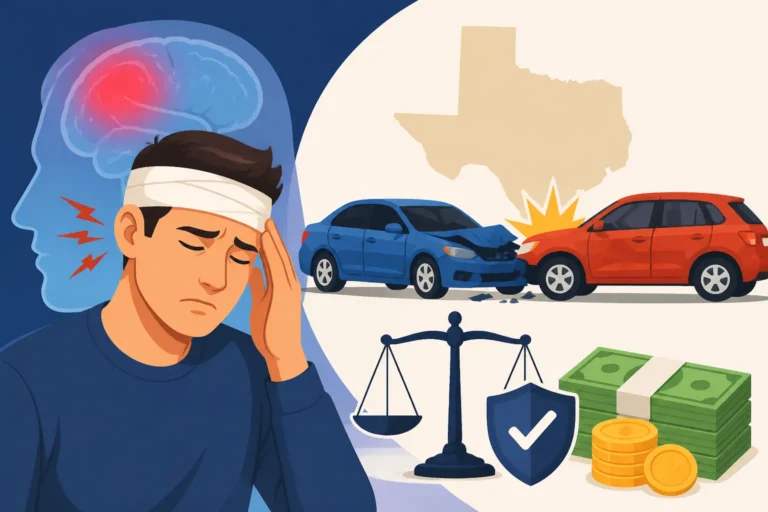
Even if your car is utterly destroyed, your well-being is paramount. The bodily injury settlement focuses on compensating you for any physical injuries, emotional distress, and other related losses you suffer as a result of the accident. This can be a significantly more complex and often larger part of your overall settlement, especially if your injuries are severe or require extensive medical treatment.
This portion of the claim will cover a wide range of damages, including medical bills (past, present, and future), lost wages if you missed work, pain and suffering, and even emotional distress. Establishing the full extent of your injuries and their impact on your life is critical here. This often involves gathering detailed medical records, doctor's reports, and potentially expert testimony. It’s why you should always prioritize seeing a doctor, even if you feel okay right after the crash. To understand the differences between these types of claims, our article on Property Damage vs Bodily Injury Claims offers a great overview.
Additional Damages Beyond the Car's Value
While the ACV and bodily injury claims cover the most significant losses, there are often other damages that you can claim after your car is totaled. These can really add up and help you get back on your feet. For example, if you had personal belongings inside your car that were destroyed – think a new laptop, expensive tools, or even car seats – your property damage claim might extend to cover these items, although your homeowner's or renter's insurance might also play a role.
You might also be entitled to reimbursement for a rental car while your claim is being processed, especially if the at-fault driver's insurance is covering your losses. Storage fees for your totaled vehicle, towing costs, and even lost income from a side hustle that relied on your car are all potential areas of compensation. Don't overlook these smaller, but still significant, expenses. Every dollar counts when you're piecing your life back together after a crash. Our detailed guide on How Car Accident Settlements Are Calculated provides even more context on these various elements.
Navigating the Total Loss Claims Process
The claims process can feel like a bureaucratic maze, especially when you're still recovering from the shock of the accident itself. Knowing what steps to take and what to expect can significantly reduce your stress and improve your outcome.
Reporting the Accident and Initiating Your Claim
The very first step, even before your car is officially declared a total loss, is to report the accident. This should be done promptly to both your insurance company and, if another driver was at fault, their insurer. The sooner you report, the sooner the investigation can begin. Provide as much detail as possible: the date, time, location, other parties involved, and any witnesses. Don't speculate or admit fault, just stick to the facts as you remember them. It's also critical to gather all the information you can at the scene, which is thoroughly covered in our guide, What to Do After a Car Accident: Step-by-Step (2027).
Once reported, you'll open a claim, either first-party (with your own insurer) or third-party (with the at-fault driver's insurer). This initial contact will set the stage for everything that follows, including the property damage assessment and the start of your bodily injury claim. They will assign an adjuster to your case who will be your primary point of contact. This is also the time to ensure you get immediate medical attention, even for seemingly minor aches, as delayed symptoms can significantly impact your claim down the line.
Dealing with the Insurance Adjuster and Their Valuation
Once your claim is open, an insurance adjuster will be assigned to assess the damage to your vehicle. For a total loss, they will evaluate the vehicle's condition, mileage, features, and pre-accident value. They'll typically send an appraiser or use photos you provide to determine the extent of the damage and estimate repair costs versus ACV. This is where the "totaled" designation officially comes into play. When they present their ACV offer, it's crucial to review it carefully.
Insurance adjusters are trained negotiators, and their initial offer might not always reflect the true market value of your vehicle. Be prepared to do your own research. Look at comparable vehicles for sale online in your area – not just asking prices, but actual sale prices if possible – on sites like Kelley Blue Book, Edmunds, or even local dealerships. Pay close attention to condition, mileage, and features. Document any aftermarket upgrades you had, like a premium sound system or new tires, as these might not be automatically factored into the initial valuation. Our article on Dealing With Insurance Adjusters After a Car Accident offers more strategies for these interactions.
What if You Disagree with the Total Loss Value?
It's not uncommon to receive an initial ACV offer that feels too low. If you disagree, you absolutely have the right to challenge it. Don't be afraid to push back if you believe your car was worth more. The key is to provide solid evidence to support your position. Compile a list of comparable vehicles for sale in your area, highlighting features and conditions similar to your own car. Point out any unique aspects of your vehicle, like low mileage for its age, meticulous maintenance records, or recent upgrades that might increase its value.
Sometimes, simply presenting well-researched comparables can prompt the adjuster to re-evaluate their offer. If you still can't reach an agreement, your policy might include an "appraisal clause," which allows both you and the insurance company to hire independent appraisers. These appraisers then agree on a third, neutral appraiser to help resolve the dispute. This can be a more formal and sometimes costly process, but it can be effective if the difference in valuation is substantial. For more specific advice on this, refer to What to Do If You Disagree With a Total Loss Value.
Factors That Influence Your Total Loss Settlement
While having your car totaled automatically triggers a property damage settlement, the amount of that settlement, and especially any bodily injury settlement, can be influenced by a myriad of factors. Understanding these elements can help you anticipate the complexities of your claim.
The Severity of Your Injuries and Medical Treatment
Perhaps the most significant factor affecting your overall settlement, particularly the bodily injury portion, is the severity of your injuries. A minor fender bender resulting in whiplash might lead to a different settlement than a collision that causes a traumatic brain injury or a spinal cord injury. The extent of your medical treatment, including doctor visits, specialists, physical therapy, surgeries, and medication, directly correlates to the value of your claim.
It's not just the immediate costs; future medical expenses, such as ongoing therapy or potential long-term care, also play a crucial role. Thorough documentation of your injuries, consistent medical care, and adherence to your doctor's recommendations are absolutely vital. Skipping appointments or delaying treatment can be used by insurance companies to argue that your injuries weren't as severe or weren't caused by the accident. Our Common Car Accident Injuries: Complete Guide (2027) delves into typical injuries and their implications for claims.
Your Role in the Accident (Fault)
In many states, who is determined to be at fault for the accident directly impacts your ability to recover damages and the amount you can receive. Most states follow some form of "comparative negligence," meaning you can still recover damages even if you were partially at fault, but your settlement will be reduced by your percentage of fault. For example, if you are found to be 20% at fault for an accident where your car was totaled, and your total damages are $10,000, you would only be able to recover $8,000.
Some states, like North Carolina and Alabama, follow "contributory negligence," which is much harsher: if you are found even 1% at fault, you are completely barred from recovering any damages. Understanding your state's specific fault laws is critical. Insurance companies will always try to shift blame, so be prepared to present evidence that proves the other driver's culpability. Our article, How Fault Affects Your Insurance Claim, provides detailed information on how fault is determined and its consequences.
Insurance Policy Limits and Coverage Types
The amount of coverage available from the insurance policies involved is another critical factor. Every insurance policy has limits – the maximum amount the insurer will pay out for a specific type of coverage. For instance, the at-fault driver might have a bodily injury liability limit of $25,000 per person and property damage liability of $10,000 per accident. If your totaled vehicle is valued at $15,000, and their property damage limit is only $10,000, you could be left with a shortfall that you'd need to claim under your own collision coverage (if you have it).
Similarly, if your medical bills and pain and suffering far exceed the at-fault driver's bodily injury limits, you might need to rely on your own uninsured/underinsured motorist (UM/UIM) coverage. Understanding your policy and the other driver's policy limits early on can help you manage expectations and plan your strategy. It’s a good idea to review your own policy regularly to ensure you have adequate coverage for potential scenarios, even if you never think you'll need it.
Maximizing Your Settlement After a Totaled Car
Getting a fair settlement after your car has been totaled isn't always straightforward. It requires diligence, careful documentation, and sometimes, professional assistance. Taking the right steps from the beginning can significantly impact the outcome of your claim.
Documenting Everything Meticulously
From the moment the accident happens, documentation is your best friend. This means taking photos and videos at the scene of the accident, capturing vehicle damage, road conditions, traffic signs, and any visible injuries. As you receive medical treatment, keep every single receipt, bill, and medical record. Log all your appointments, medications, and any out-of-pocket expenses related to your injuries or the accident. Even a simple journal noting your pain levels and how your injuries affect your daily life can be powerful evidence.
For your totaled vehicle, gather maintenance records, receipts for any recent repairs or upgrades, and even photos of your car in its pre-accident condition. This comprehensive paper trail helps prove the extent of your losses and bolsters your argument for a higher settlement. The more evidence you have, the harder it is for insurance companies to dispute your claims. Remember, the burden of proof often falls on you.
Seeking Professional Medical Attention Promptly
This cannot be stressed enough: seek medical attention immediately after a car accident, even if you don't feel seriously hurt. Adrenaline can mask pain, and many common car accident injuries, like whiplash or a concussion, have delayed symptoms. Waiting days or weeks to see a doctor can significantly harm your bodily injury claim. Insurance companies are notorious for arguing that if you didn't seek immediate treatment, your injuries couldn't have been severe, or they weren't caused by the accident.
A medical professional can accurately diagnose your injuries, recommend a treatment plan, and create the essential medical records that link your injuries directly to the accident. Following through with all recommended treatments, including physical therapy, is also crucial. This demonstrates your commitment to recovery and provides ongoing documentation of your progress and the impact of your injuries. This consistent medical record is invaluable when proving your damages, including pain and suffering, to the insurance company.
Understanding When to Engage Legal Counsel
While some minor claims for a totaled car can be handled directly with the insurance company, there are many situations where having a car accident lawyer on your side can make a significant difference. If your injuries are severe, if the other driver's insurance company is denying fault, or if they're offering a very low settlement that doesn't cover your losses, it's definitely time to consider legal counsel. An experienced attorney understands the complexities of personal injury law, can accurately value your claim, and can negotiate with insurance companies on your behalf.
They can also help gather crucial evidence, interview witnesses, and navigate the sometimes-confusing legal system. They know the tactics insurance companies use to minimize payouts and can protect your rights. Many personal injury attorneys work on a contingency fee basis, meaning you don't pay upfront fees; they only get paid if they win your case. This makes legal representation accessible even if you're facing financial strain after an accident. To help you decide, consider reading Do You Need a Lawyer for a Car Accident?. Ultimately, their expertise can lead to a much more favorable settlement, often outweighing their fees. Knowing how much your claim is truly worth is a huge benefit, which is what our article How Much Is My Car Accident Settlement Worth? (2026) aims to help you understand.
Summary of Damages
Here's a quick look at the typical categories of damages you might claim after your car is totaled:
| Type of Damage | Description | Examples |
|---|---|---|
| Economic Damages | Quantifiable financial losses that are easily calculated. | Car's ACV, medical bills, lost wages, rental car costs, property in car, towing |
| Non-Economic Damages | Non-monetary losses, often subjective, that impact your quality of life. | Pain and suffering, emotional distress, loss of enjoyment of life, disfigurement |
| Punitive Damages | Awarded in rare cases to punish the at-fault party for extreme negligence or intentional wrongdoing. | Drunk driving, reckless endangerment (varies by state laws) |
Disclaimer
Please remember that this information is intended for general guidance and informational purposes only, and does not constitute legal advice. Car accident laws and insurance policies vary significantly by state and individual circumstances. It is always recommended to consult with a qualified legal professional for advice tailored to your specific situation.