Fault When Rear-Ended While Stopped
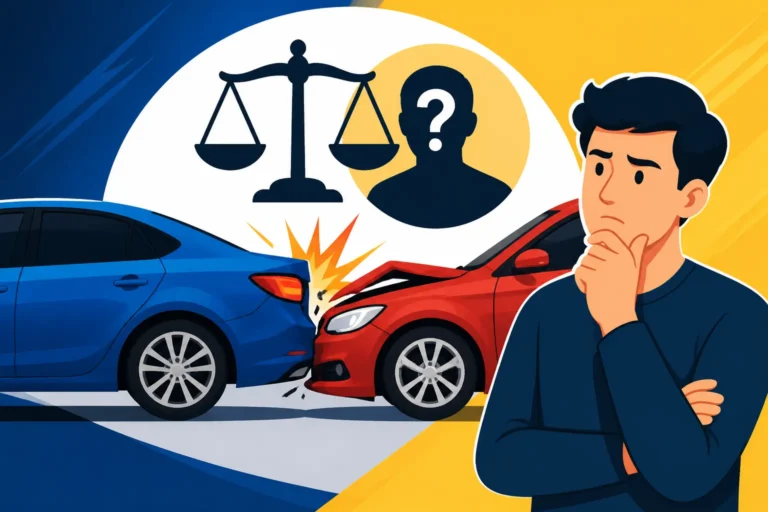
Being suddenly jolted forward when you’re completely stopped in traffic, at a red light, or waiting to turn, is an incredibly frustrating and jarring experience. One moment you're minding your own business, and the next, your world is rocked by an unexpected impact from behind. It's a scenario that immediately raises questions: Who is at fault? How will this affect my insurance? What do I do next? This comprehensive guide aims to demystify the complexities surrounding fault in rear-end collisions when your vehicle was stationary, providing clarity and actionable advice to navigate the aftermath.
The Overriding Principle: Presumption of Fault for the Rear Driver
In the vast majority of rear-end accidents where the lead vehicle was stopped, the driver of the trailing vehicle is almost always presumed to be at fault. This isn't just an informal understanding; it's a deeply ingrained principle in traffic law and insurance practices across the United States. The law places a significant responsibility on every driver to operate their vehicle safely, which includes being aware of their surroundings and maintaining sufficient control to avoid hitting vehicles in front of them. When you are hit from behind while completely stopped, it strongly suggests that the driver behind you failed in one or more of these duties.
The Duty to Maintain a Safe Following Distance
The cornerstone of this presumption of fault lies in the universal driving principle of maintaining a safe following distance. Every driver is expected to keep enough space between their vehicle and the car ahead to react to sudden stops or changes in traffic flow. This isn't a suggestion; it's a fundamental rule designed to prevent collisions. If a driver cannot stop in time to avoid hitting a stationary vehicle in front of them, it typically means they were either following too closely, driving too fast for conditions, or not paying adequate attention to the road.
Imagine you're sitting patiently at a red light on a busy street like Wilshire Boulevard in Los Angeles, enjoying a podcast, and then boom. The force of the impact pushes you forward. In such a clear-cut case, the driver who hit you from behind is generally deemed negligent. Their inability to stop, despite your vehicle being immobile, points directly to a failure to adhere to the basic duty of care. This duty isn't just about avoiding a collision while moving; it extends to situations where traffic comes to a complete halt, requiring drivers to anticipate and respond safely. Understanding this concept is crucial in affirming your position when you are rear-ended.
Why the Rear Driver is Usually at Fault
The reason the rear driver typically bears the burden of fault stems from several factors, all related to their responsibilities on the road. Firstly, they have the entire road ahead of them in their field of vision, giving them the opportunity to observe traffic conditions and react appropriately. The driver in front, especially if stopped, has limited ability to avoid an impending rear-end collision. Secondly, drivers are expected to operate their vehicles defensively, anticipating potential hazards. A sudden stop by the car ahead, while potentially unexpected, is a foreseeable event that a prudent driver should be prepared for.
Consider a situation on Interstate 5 approaching downtown Seattle during rush hour. Traffic grinds to a halt. If you're stopped, and the driver behind you is distracted – perhaps by their phone, a passenger, or even a GPS – and fails to notice you've stopped, that lapse in attention is entirely their fault. The legal system, and insurance companies, heavily weigh this aspect of driver responsibility. It's about accountability. The expectation is that drivers will always be in a position to stop their vehicle without colliding with the vehicle directly in front of them, particularly if that vehicle is already stationary. This principle is a key part of determining fault in a car accident.
Navigating the Nuances: Exceptions to the Rear Driver Fault Rule
While the presumption of fault typically rests with the rear driver, it's not an absolute, unbendable law. There are specific, though less common, scenarios where the lead driver, even if stopped, could share some or all of the blame for a rear-end collision. These exceptions usually involve some action or inaction by the lead driver that directly contributed to the crash. It's vital to understand these nuances, as they can significantly impact how fault is assigned and how your claim proceeds.
Sudden or Unreasonable Stops
One of the most common defenses employed by a rear driver is claiming that the lead vehicle made a "sudden and unreasonable" stop. However, this defense isn't a get-out-of-jail-free card. For a stop to be considered "unreasonable," it usually has to be truly unexpected and without any legitimate traffic reason. For instance, slamming on your brakes in the middle of a clear highway simply to pick up a dropped phone, with no immediate hazard present, might be deemed unreasonable.
However, stopping suddenly due to an emergency, like a child running into the street, an animal darting out, or another car cutting you off, is considered a reasonable and necessary action, even if abrupt. If you were stopped at a red light, a stop sign, or in a traffic jam, your stop is inherently reasonable. The burden of proof to show an "unreasonable stop" falls heavily on the rear driver. They must demonstrate that your stop was so egregious and unnecessary that no reasonably prudent driver, even maintaining a safe following distance, could have avoided the collision. This is often a high bar to meet.
Malfunctioning Brake Lights
Another potential, albeit rare, exception involves the lead vehicle's malfunctioning brake lights. If your brake lights were completely out or severely dim, and the rear driver genuinely had no visual warning that you were decelerating or stopping, they might argue that this contributed to the accident. However, this defense also faces significant hurdles. The rear driver still has a duty to maintain a safe following distance and observe the overall traffic flow. Even without brake lights, a driver should be able to tell if the vehicle ahead is slowing down by its physical movement, or by observing surrounding vehicles.
Furthermore, proving that brake lights were indeed malfunctioning at the time of the accident can be challenging. It would require expert inspection and testimony, and the rear driver would need to prove that this malfunction was the direct and primary cause of the accident, not just a contributing factor alongside their own inattention. If your brake lights were in proper working order, this defense immediately crumbles. It’s an example of how one specific mechanical issue could potentially shift some responsibility, though it’s generally difficult to successfully argue.
Chain-Reaction Collisions and Push from Behind
Chain-reaction collisions, often seen on busy highways like I-95 in Florida or the I-10 in Arizona, present a more complex scenario. Imagine you're stopped in a line of traffic, and a car behind you hits your vehicle, pushing it into the car in front of you. In this specific scenario, even though your car ultimately hit the car in front, you may not be considered at fault for that second impact. The original negligent driver who initiated the chain reaction by hitting your car is usually held responsible for all subsequent damages in the chain.
This is a common and often misunderstood exception. You were essentially a "pushed" vehicle, an innocent intermediary. However, it's crucial to thoroughly document this sequence of events. Witness statements, police reports, and even dashcam footage can be invaluable in establishing that you were struck first and then propelled forward. Insurance companies often try to assign partial fault in these situations, making accurate documentation and understanding of Fault in a Chain-Reaction Rear-End Crash vital. This complexity underscores why it's so important to gather comprehensive evidence at the scene.
Road Rage or Intentional Acts
While rare, a driver might intentionally cause a collision due to road rage or other malicious intent. If you were stopped, and another driver purposely backed into you, or aggressively sped up and rammed your vehicle, this falls outside the realm of typical negligence. Such an act would constitute an intentional tort or even a criminal offense, and the at-fault driver would bear full responsibility.
However, proving intentional acts can be incredibly difficult, often requiring strong witness testimony, police investigation, or even video evidence. It's not enough to simply feel like someone acted intentionally; you need tangible proof. If this is the case, your focus should immediately shift to involving law enforcement and potentially seeking legal counsel, as these situations often involve criminal charges in addition to civil liability.
The Critical First Steps: Gathering Evidence at the Scene
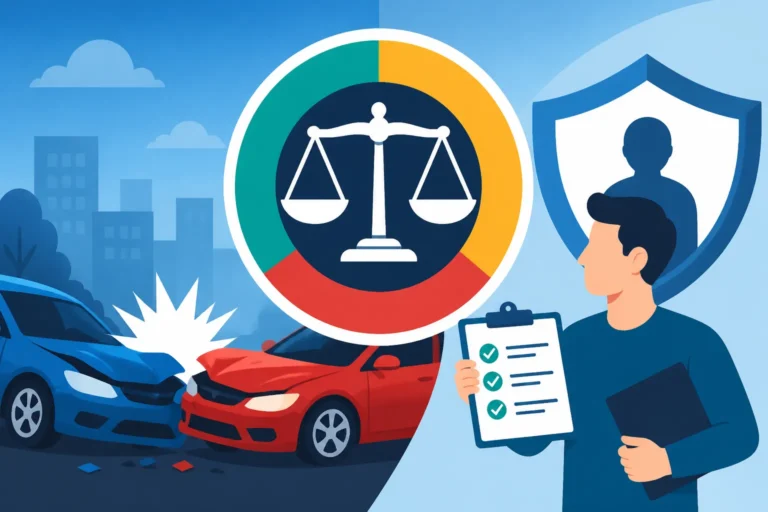
When you've been rear-ended while stopped, the immediate aftermath can be disorienting and stressful. Your adrenaline is pumping, you might be in pain, and it’s easy to feel overwhelmed. However, what you do in those crucial moments at the accident scene can profoundly impact the success of your claim later on. Gathering accurate and thorough evidence isn't about being confrontational; it's about protecting yourself and ensuring the facts of the incident are clearly documented. This initial evidence forms the bedrock of your car accident claim.
Documenting the Scene and Damage
As soon as it's safe to do so, and assuming you haven't sustained severe injuries requiring immediate medical attention, start documenting everything. Begin by moving your vehicle to a safe location if possible, and turn on your hazard lights. Then, take out your phone and become a meticulous photographer. Capture images from multiple angles: wide shots showing the position of both vehicles relative to the road, intersections, and landmarks, as well as close-ups of all damage to both your car and the other driver's. Don't forget to photograph any skid marks, debris on the road, and road conditions.
In a rear-end collision, it's particularly important to show that your vehicle was indeed stationary. Photos of your car stopped at a red light or behind a stop sign, with the other vehicle impacted behind you, can be incredibly powerful. Capture the license plates of both vehicles, the other driver's insurance card, and their driver's license. If there's a dashcam in your car, preserve that footage immediately, as it can be irrefutable proof of your stopped position and the other driver's impact. This comprehensive visual record will be invaluable when you need to How to Prove the Other Driver Was at Fault.
Witness Statements and Police Reports
Beyond your own documentation, third-party accounts are golden. Look around for any witnesses who might have seen the accident unfold. This could be someone in another car, a pedestrian, or even a nearby business owner. Politely ask if they saw what happened and if they would be willing to provide their contact information. A neutral witness statement corroborating that you were stopped and the other driver hit you from behind can be incredibly persuasive to insurance adjusters and, if necessary, a court.
Next, always call the police, even if the damage seems minor. A police officer will respond to the scene, assess the situation, and generate an official accident report. This report is a crucial piece of evidence as it contains their objective observations, identifies the parties involved, notes any citations issued, and often includes their initial assessment of fault. While a police report doesn't officially determine fault for insurance purposes, it carries significant weight. It helps establish the facts and provides an unbiased account of the incident. Understanding the role of Police Reports and Car Accident Fault is a must. If an officer issues a citation to the rear driver for following too closely or distracted driving, that's incredibly strong evidence in your favor.
| Evidence Type | Importance | How It Helps Your Claim |
|---|---|---|
| Photographs/Videos | High – Visual proof of scene, damage, vehicle positions. | Directly shows your vehicle was stopped, extent of damage, road conditions, and can refute false claims by the other driver. Irrefutable for "stopped" status. |
| Witness Contact Info | High – Unbiased accounts corroborate your story. | Provides independent verification that you were stopped and the other driver caused the collision, especially if there's a dispute over the facts. |
| Police Report | High – Official documentation of the incident, observations, and potentially initial fault notes. | Offers an objective, professional assessment of the scene, details of parties, vehicles, and any citations issued, which strongly supports your claim of no fault. Essential for insurance claims. |
| Driver Exchange Info | High – Necessary for insurance claims. | Provides the essential contact, insurance, and vehicle information of the other driver, allowing you to file a claim. |
| Medical Records | Critical – Proves your injuries and necessity of treatment. | Establishes a direct link between the accident and any physical injuries you sustained, crucial for claiming medical expenses and pain and suffering. |
| Dashcam Footage | Extremely High – Undeniable proof. | Offers a video recording of the entire incident, showing your vehicle's stopped position, the impact, and often the actions of the at-fault driver, making it nearly impossible for them to deny fault. |
Understanding State-Specific Fault Laws and Their Impact
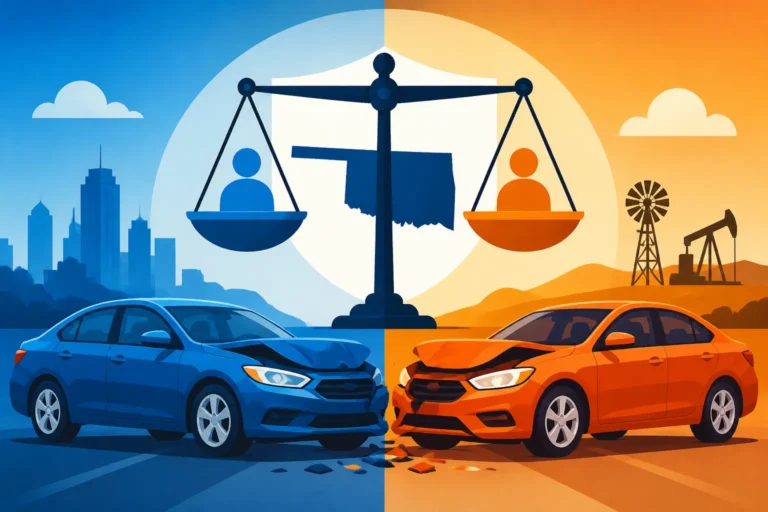
The concept of fault in a car accident might seem straightforward when you're stopped and someone hits you, but the legal framework for how that fault translates into compensation can vary significantly from state to state. It's not just about who was at fault, but how much fault is assigned and how that impacts your ability to recover damages. These state-specific laws are crucial to understand as they directly influence your car accident claim process and potential settlement.
At-Fault vs. No-Fault Systems
The first major distinction to grasp is whether your state operates under an "at-fault" (also known as a tort) or a "no-fault" insurance system.
- At-Fault States: In most states, like California or Texas, the legal system is "at-fault." This means that the driver who caused the accident is responsible for the damages and injuries of the other parties involved. If you're rear-ended while stopped in an at-fault state, you would typically pursue a claim against the at-fault driver's insurance company (a third-party claim) to recover compensation for your medical bills, vehicle damage, lost wages, and pain and suffering. The principle here is simple: if they caused it, they pay for it.
- No-Fault States: In some states, such as Florida, New York, or Michigan, a "no-fault" system is in place. This system aims to streamline injury claims by requiring drivers to first seek compensation for their medical expenses and lost wages from their own insurance company, regardless of who caused the accident. This coverage is usually called Personal Injury Protection (PIP). Vehicle damage claims still typically fall under the at-fault system, meaning you'd pursue the other driver's insurance for your car repairs. While no-fault laws simplify some aspects, they can also impose restrictions on your ability to sue the at-fault driver for non-economic damages like pain and suffering, unless your injuries meet a certain threshold (often defined by medical costs or severity). If you're in a no-fault state, it's vital to know What Is a No-Fault State? (And Which States Are No-Fault).
Understanding your state's system is paramount because it dictates your initial steps after the accident and how you'll ultimately seek compensation for your injuries and property damage.
Comparative and Contributory Negligence
Even in at-fault states, the concept of "partial fault" can come into play, which is where comparative and contributory negligence laws become relevant. While unlikely in a truly "stopped" rear-end scenario, these laws define what happens if both drivers share some degree of blame.
- Contributory Negligence: A very small number of states, such as Alabama and Maryland, follow a strict contributory negligence rule. In these states, if you are found even 1% at fault for the accident, you are completely barred from recovering any damages from the other driver. This is an extremely harsh rule, which is why it's so rare. In a rear-end collision where you were stopped, successfully arguing even 1% contributory negligence against you would be incredibly difficult for the at-fault driver.
- Comparative Negligence: Most states use some form of comparative negligence, which allows injured parties to recover damages even if they were partially at fault.
- Pure Comparative Negligence: States like California, New York, and Florida (for property damage claims) allow you to recover damages even if you are mostly at fault. Your compensation is simply reduced by your percentage of fault. So, if you were 10% at fault for an accident with $10,000 in damages, you could still recover $9,000.
- Modified Comparative Negligence (50% or 51% Bar Rule): The majority of comparative negligence states follow a modified rule. This means you can recover damages as long as your percentage of fault is below a certain threshold—either 50% or 51%. If you are found to be 50% or more at fault (in a 50% bar state) or 51% or more at fault (in a 51% bar state), you cannot recover any damages. Texas, for example, is a 51% modified comparative fault state.
While it's rare for a stopped vehicle to be found at fault in a rear-end collision, knowing these rules is crucial, especially if the other driver tries to shift blame onto you. For a deeper dive into these concepts, you might want to read about Comparative vs Contributory Negligence Explained. Understanding these state-specific variations ensures you know what to expect when pursuing your claim and how partial fault, if it somehow arises, could affect your recovery.
Navigating the Insurance Claim Process
After the initial shock of a rear-end collision, the next step is usually dealing with insurance companies. This can feel like a daunting maze, especially when you're dealing with potential injuries, car repairs, and the disruption to your daily life. It’s important to approach this process strategically, as how you interact with insurers can significantly impact the outcome of your claim. Remember, even though you were stopped, they will still conduct their own investigation.
Reporting the Accident Promptly
One of the most critical steps after any car accident, including being rear-ended while stopped, is to report it to the relevant insurance companies as soon as possible. This typically means notifying your own insurance company, even if you believe the other driver is 100% at fault. Your policy might have specific timelines for reporting accidents, and delays could potentially jeopardize your coverage or claim. You should also report the accident to the at-fault driver's insurance company.
When you call your insurer, be factual and provide the information you gathered at the scene. Don't speculate or admit fault. Simply state what happened: "I was stopped at a red light on Main Street when a vehicle traveling behind me struck my car." Your insurance company will open a claim and can guide you on the next steps, including how to deal with the other driver's insurer. They may also handle your property damage claim directly through your collision coverage, then seek reimbursement from the at-fault driver's insurer through a process called subrogation. This is all part of How Car Accident Insurance Claims Work.
Avoiding Admissions of Fault
This point cannot be stressed enough: do not admit fault or apologize for the accident to anyone – not to the other driver, not to witnesses, and especially not to insurance adjusters. Even a seemingly innocuous "I'm so sorry, are you okay?" could be misconstrued or used against you as an admission of responsibility. When you are rear-ended while stopped, the fault is almost always on the other driver, so there is no reason for you to accept any blame.
Insurance adjusters, whether from your company or the other driver's, are trained professionals whose job it is to investigate the accident and protect their company's interests. They may ask you to give a recorded statement. While you should cooperate by providing factual information, be cautious. Stick to the facts you know for certain. If you're unsure about something, it's okay to say, "I don't recall" or "I'm not sure." Do not offer opinions or engage in speculation. For more details on this crucial point, consider reading What Is an Admission of Fault (and How to Avoid It)?. Remember, your primary goal is to provide accurate information without inadvertently harming your own claim.
What to Do If the Other Driver Tries to Blame You
Even when you're stopped and undeniably hit from behind, it's not uncommon for the other driver (or their insurance company) to try and shift some or all of the blame onto you. This can be infuriating and confusing, especially when you know you did nothing wrong. It’s a classic tactic to reduce their liability or even avoid paying your claim altogether. Don't let their attempts to deflect responsibility intimidate you. Knowing how to respond effectively is key to protecting your rights and ensuring a fair outcome.
Standing Your Ground with Facts and Evidence
When faced with accusations, your best defense is always a strong offense based on the facts and the evidence you've meticulously gathered. If the other driver claims you stopped too suddenly, refer back to your photos showing you stopped at a red light or in heavy traffic. If they suggest your brake lights weren't working, reiterate that they were, and point to any witness who can corroborate that. Your comprehensive documentation from the scene—photos, witness contact information, and the police report—becomes your shield.
Present this evidence clearly and confidently to both your own insurance company and the other driver's. If the police report indicates the other driver received a citation (e.g., for distracted driving or following too closely), highlight this strongly. Most insurance companies, after reviewing objective evidence, will side with the standard presumption of fault in rear-end collisions. Your job is to make it as easy as possible for them to do so by providing undeniable proof of your stopped position and their impact. This is precisely why How Insurance Companies Determine Who Is at Fault is so crucial, as you're providing them the building blocks for their determination.
Seeking Legal Guidance When Disputes Arise
Sometimes, despite all your efforts and clear evidence, the at-fault driver's insurance company might remain uncooperative or continue to dispute liability, perhaps offering a lowball settlement or outright denying your claim. This is a common and incredibly frustrating scenario that many accident victims face. This is often the point where having a car accident attorney becomes not just helpful, but essential.
A seasoned personal injury lawyer specializing in car accidents can step in and handle all communications with the insurance companies on your behalf. They understand the legal arguments, know how to present your evidence most effectively, and can push back against unfair tactics. They are well-versed in state traffic laws and insurance regulations and can clearly articulate why the fault lies with the other driver. If the other side is trying to pin even partial fault on you, an attorney can argue against such claims, drawing upon legal precedents and expert opinions if necessary. They can also explain What Happens If You're Partially at Fault? and how that might impact your specific case. Having a professional advocate in your corner can significantly increase your chances of securing the full and fair compensation you deserve for your vehicle damage, medical expenses, lost wages, and pain and suffering.
Final Thoughts and Next Steps
Being rear-ended while stopped is a profoundly upsetting experience that nobody ever expects. The immediate aftermath can be a whirlwind of stress, confusion, and sometimes pain, leaving you wondering how to pick up the pieces and ensure you're not unfairly blamed or left with a pile of bills. While the general rule overwhelmingly places fault on the rear driver, understanding the nuances, preparing for exceptions, and knowing how to interact with insurance companies is paramount.
By meticulously gathering evidence at the scene, reporting the accident promptly and factually, and avoiding any admissions of fault, you're building a strong foundation for your claim. Remember, you have a right to seek compensation for your damages and injuries, and you shouldn't have to fight tooth and nail when you were simply stopped. If you find yourself facing resistance, don't hesitate to seek professional legal guidance. An attorney can be an invaluable ally, navigating the complexities on your behalf and advocating for your best interests. For a comprehensive overview of what to do immediately after an accident, make sure to read What to Do After a Car Accident: Step-by-Step (2027). Your peace of mind and financial recovery are worth protecting.
Disclaimer
Please remember that this article provides general information and insights into car accident claims and fault determination. Every accident is unique, and the legal and insurance landscapes can vary significantly based on specific circumstances and state laws. This content should not be considered legal advice. For personalized guidance regarding your car accident claim, it is always recommended to consult with a qualified attorney or insurance professional.