Internal Injuries After a Car Accident
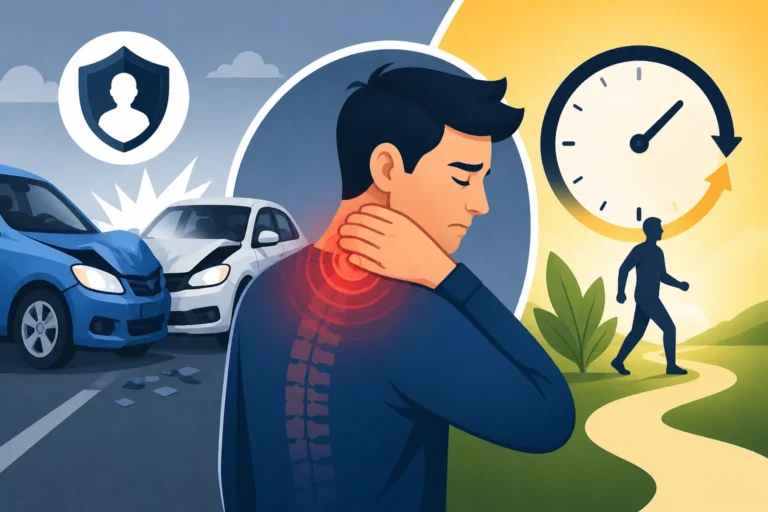
It's terrifying to be in a car accident, and often, the most frightening injuries aren't the ones you can immediately see. Many people walk away from a crash feeling shaken but otherwise "fine," only to discover serious internal injuries hours or even days later. This guide is here to walk you through understanding these hidden dangers, recognizing the critical signs, and knowing what steps to take to protect your health and your potential car accident claim.
The Hidden Dangers of Internal Injuries
Imagine the sheer force of two vehicles colliding – the sudden impact, the crunch of metal, the abrupt stop. Your body experiences this violent energy too, even if you’re securely belted. While external cuts and bruises are immediately obvious, what's happening inside can be far more insidious and, frankly, much more dangerous. Internal injuries are often the silent attackers after a crash, and understanding their nature is the first step in safeguarding yourself.
Why Internal Injuries Are Often Missed
One of the most frustrating and perilous aspects of internal injuries is their tendency to hide in plain sight. You might feel a surge of adrenaline immediately following an accident, a natural physiological response that can mask pain and discomfort. This can lead you to believe you're unharmed, especially if there are no visible wounds like cuts or broken bones. You might even decline immediate medical attention because you feel okay. However, this adrenaline rush is a temporary veil. Once it dissipates, the true extent of your injuries can begin to surface, sometimes with devastating speed. The lack of external evidence doesn't mean internal organs, blood vessels, or soft tissues haven't been severely impacted by the sudden forces of acceleration, deceleration, or direct blunt trauma.
Think about it: your organs are delicate, suspended within your body. A sudden jerk or a direct hit to the abdomen or chest can cause them to strike against your skeletal structure or each other. This kind of trauma doesn't always result in an immediate, screaming pain. Sometimes, it manifests as a dull ache that progressively worsens, or a symptom like dizziness that you might initially dismiss as shock. The danger here is that crucial time can be lost while you're unknowingly bleeding internally or suffering from a compromised organ function. This is why it's always critical to seek medical attention, regardless of how you feel, as outlined in any comprehensive guide on What to Do After a Car Accident: Step-by-Step (2027).
The Severity Spectrum of Internal Trauma
Internal trauma isn't a one-size-fits-all diagnosis; it covers a wide spectrum of severity, from relatively minor internal bruising that heals with rest, to catastrophic ruptures that can be life-threatening within minutes. The type and force of impact play a huge role. For instance, a head-on collision or a T-bone accident often involves more violent and widespread forces than a minor fender-bender in a parking lot.
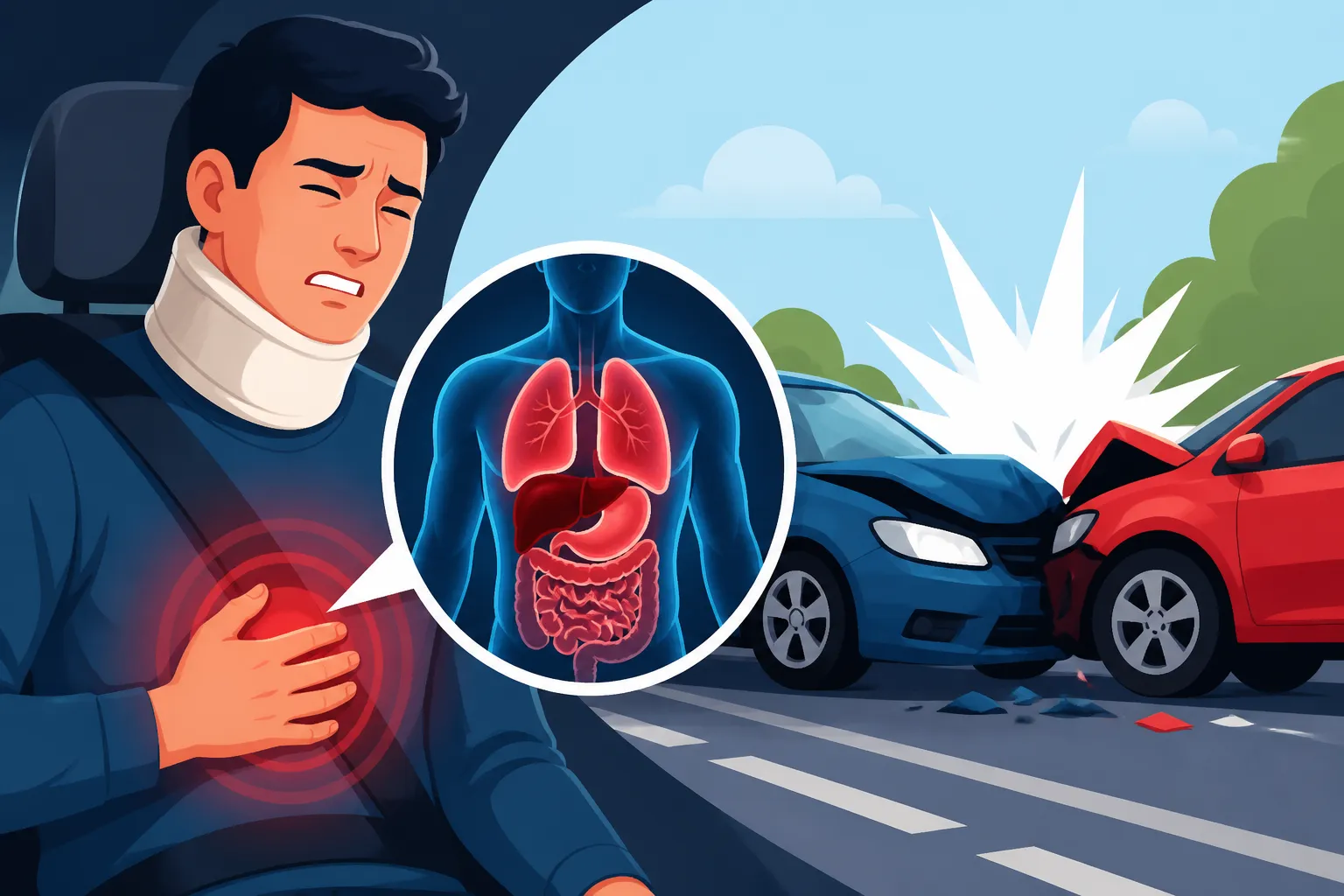
Consider a scenario where your seatbelt properly restrains you, preventing you from being ejected from the vehicle. While seatbelts are life-savers, the immense pressure exerted by the belt itself during a crash can sometimes cause internal injuries, particularly to the abdomen or chest. Rib fractures, for example, can puncture a lung, leading to a collapsed lung. A sudden impact to the abdomen can cause organs like the spleen or liver to tear, leading to significant internal bleeding. Even seemingly benign impacts can cause damage to the mesentery, the tissue that holds your intestines in place and contains vital blood vessels. The key takeaway here is that any significant force applied to your body in an accident has the potential to cause internal damage, and the consequences can range from a prolonged period of recovery to an immediate medical emergency.
Common Types of Internal Injuries After a Car Accident
The human body is an amazing machine, but it’s not invincible, especially when subjected to the violent forces of a car accident. Different parts of your internal anatomy are vulnerable to specific types of trauma. Understanding some of the most common internal injuries can help you be more aware of potential symptoms and the urgency of seeking help.
Organ Damage and Hemorrhage
When we talk about organ damage, we're discussing some of the most serious internal injuries a car accident can inflict. These often involve significant internal bleeding, or hemorrhage, which can rapidly become life-threatening if not diagnosed and treated promptly.
The liver and spleen are two organs particularly susceptible to lacerations or ruptures due to their position in the upper abdomen and their rich blood supply. A direct blow, or even the sheer force of deceleration, can cause these organs to tear. Symptoms might include severe abdominal pain, tenderness when touched, lightheadedness, dizziness, and signs of shock such as rapid heart rate, low blood pressure, and cold, clammy skin. Someone might initially feel a general ache, then find it worsening dramatically. Swift medical intervention, often involving surgery, is crucial to stop the bleeding and repair the damage.
Your kidneys, located in your mid-back on either side of the spine, can also suffer trauma from a car accident. Blunt force to the flank area (the side of your body between your ribs and hips) or even generalized impact can bruise or lacerate a kidney. The most common sign of kidney trauma is blood in your urine, which might be visible or only detectable through lab tests. Other symptoms include pain in the flank or abdomen, bruising around the back or side, and sometimes nausea or vomiting. While minor bruising might heal on its own with monitoring, severe lacerations can require surgical repair or, in extreme cases, removal of the damaged kidney.
The lungs, housed within the rib cage, are also vulnerable. A strong impact to the chest, or fractured ribs caused by the seatbelt or steering wheel, can lead to a lung contusion (bruise) or, more seriously, a pneumothorax (collapsed lung) if a sharp rib fragment punctures the lung. Symptoms include shortness of breath, chest pain that worsens with breathing or coughing, and sometimes coughing up blood. A collapsed lung is a serious condition that prevents the lung from properly inflating, hindering oxygen intake, and requires immediate medical attention to reinflate the lung.
Bowel and Abdominal Injuries
Beyond the major organs like the liver and spleen, the intestines and surrounding tissues in the abdominal cavity are also surprisingly vulnerable to crash forces. These injuries can be particularly insidious because their symptoms might take longer to appear but can lead to severe complications if overlooked.
One critical concern is intestinal perforation, where the small or large intestine tears. This can happen due to blunt force trauma that compresses the abdomen against the spine or from sudden deceleration that causes the intestines to shear against internal structures. When the intestine perforates, its contents (including bacteria) can leak into the abdominal cavity, leading to peritonitis – a severe and life-threatening infection. Symptoms include intense abdominal pain, tenderness, rigidity of the abdominal muscles, nausea, vomiting, fever, and a general feeling of being unwell. This is a surgical emergency, and delays in diagnosis can significantly worsen the prognosis.
Mesenteric tears are another serious type of abdominal injury. The mesentery is a fold of tissue that attaches your intestines to the back of the abdominal wall, holding them in place and containing crucial blood vessels that supply the intestines. A tear in the mesentery, often caused by rapid deceleration, can lead to significant internal bleeding because of damage to these blood vessels. Since the intestines might not be directly damaged, initial symptoms can be less obvious than with a perforation, primarily manifesting as abdominal pain and signs of blood loss. Like many internal injuries, prompt medical imaging such as a CT scan is often necessary to diagnose mesenteric tears and determine the need for surgical intervention.
Thoracic and Cardiovascular Injuries
The chest cavity, or thorax, contains some of the body's most vital organs: the heart and major blood vessels, along with the lungs. Injuries to these structures are often incredibly serious and require immediate, expert medical attention.
Among the most catastrophic injuries is an aortic dissection or rupture. The aorta is the body's largest artery, carrying oxygenated blood from the heart to the rest of the body. In a high-speed collision, particularly during sudden deceleration, the forces can cause the aorta to tear or rupture, most commonly where it's anchored near the heart. This is an extremely dangerous condition, often fatal within minutes, due to massive internal bleeding. Survivors typically experience sudden, excruciating chest pain that may radiate to the back, shortness of breath, and signs of shock. While rare, it's a stark reminder of the immense forces at play in serious accidents.
A cardiac contusion, essentially a bruise to the heart muscle, can occur when the chest strikes the steering wheel or dashboard, or from the force of the seatbelt. While it might sound less severe than a rupture, a bruised heart can lead to serious complications. The heart muscle might not pump blood effectively, or it could develop an irregular heartbeat (arrhythmia), which can be dangerous. Symptoms can include chest pain, shortness of breath, and a feeling of palpitations or a racing heart. Diagnosis often involves an EKG, blood tests for cardiac enzymes, and imaging scans. Monitoring and supportive care are typically required, and in some cases, medication to manage heart rhythm.
Internal Bleeding Beyond Major Organs
While we often focus on major organ damage, internal bleeding can occur in many forms throughout the body, even without direct organ laceration. These types of internal injuries, while potentially less immediately life-threatening than a ruptured spleen, can still cause significant pain, discomfort, and complications if not addressed.
One common manifestation is a hematoma, which is essentially a collection of blood outside of blood vessels, often forming a large, deep bruise within muscles or soft tissues. You might notice significant swelling and discoloration that develops slowly over hours or days, distinct from a superficial bruise. These can be particularly painful if they press on nerves or restrict movement. While many hematomas resolve on their own, large ones might require medical drainage to prevent further complications, such as compartment syndrome in the limbs, where swelling creates dangerous pressure on nerves and blood vessels.
Internal bruising, in a broader sense, refers to damage to tissues and small blood vessels beneath the skin or around organs, without a major bleed or laceration. This is incredibly common after car accidents, contributing to the generalized soreness and stiffness many people feel. While less severe, it can still be a source of considerable discomfort and can mask more serious underlying injuries. For instance, bruising around the abdomen could be superficial, or it could be an external indicator of deeper organ trauma. This highlights why a thorough medical examination is always important – to differentiate between minor bruising and something more critical. These injuries, along with conditions like whiplash, fall under the umbrella of common Soft Tissue Injuries Explained in accident claims.
Recognizing the Signs and Symptoms of Internal Injuries
The tricky thing about internal injuries is that they often don't scream for attention right away. You might feel a mix of shock, adrenaline, and general soreness after a crash, making it difficult to pinpoint specific problems. But knowing what to look for, both immediately and in the hours and days that follow, can make a crucial difference.
Immediate vs. Delayed Symptoms
It's a common story: someone gets into a car accident, exchanges information, and walks away feeling relatively fine, only for symptoms to crop up later. The body's immediate response to trauma, including the release of adrenaline, can effectively mask pain and discomfort. This means that serious internal injuries might not present with obvious symptoms for several hours, or even a few days, after the incident.
For example, a small tear in an organ or a blood vessel might bleed slowly at first, not causing acute distress. But as blood accumulates, it can begin to cause pressure, pain, and other systemic issues. A dull ache in your abdomen might gradually become sharp and localized, signaling a worsening internal bleed. Dizziness or lightheadedness, initially attributed to shock, could later become persistent and indicate blood loss. Similarly, breathing difficulties might start subtly and then progress to severe shortness of breath as a lung contusion worsens or a collapsed lung develops. This phenomenon of Delayed Injury Symptoms After a Car Accident is precisely why medical professionals consistently advise immediate evaluation, even if you feel no immediate pain.
Red Flags You Should Never Ignore
While symptoms can be delayed, there are specific "red flags" that should send you straight to the emergency room without hesitation. These are critical indicators that something serious might be amiss internally and often point to a need for urgent medical intervention.
Any sudden or worsening abdominal tenderness, swelling, or rigidity is a major concern. If your belly feels hard or you have sharp pain when touched, it could indicate internal bleeding or organ damage. Severe headaches, especially if accompanied by dizziness, confusion, nausea, or loss of consciousness, could signal a traumatic brain injury or internal head bleeding. The presence of blood in your urine (hematuria), stool (melena, which appears black and tarry), or vomit is an immediate alarm for internal bleeding somewhere in your digestive or urinary tracts. Shortness of breath, difficulty breathing, or persistent chest pain are critical signs of potential lung or heart trauma. Unexplained bruising patterns, especially large or rapidly expanding bruises, can also point to deeper issues. Finally, symptoms of shock – cold and clammy skin, a rapid weak pulse, rapid shallow breathing, or feeling lightheaded and faint – indicate significant internal blood loss and require emergency care. Do not wait for these symptoms to become unbearable; seek help at the first sign.
The Importance of Post-Accident Medical Evaluation
Given the potential for hidden and delayed internal injuries, a comprehensive medical evaluation immediately following a car accident isn't just a good idea; it's absolutely essential. Even if you feel perfectly fine, a visit to the emergency room or urgent care can be a lifesaver.
Medical professionals are trained to look beyond superficial symptoms. They will perform a thorough physical examination, ask detailed questions about the accident mechanism and any sensations you might be experiencing (or not experiencing). Crucially, they have access to diagnostic tools that can visualize your internal organs and structures. This includes imaging tests like CT scans, ultrasounds, and X-rays. A CT scan, for instance, is incredibly effective at detecting internal bleeding, organ lacerations, and bone fractures that might not be visible externally. An ultrasound can quickly check for free fluid (blood) in the abdominal cavity. These tests can provide an accurate picture of what's happening inside your body, allowing doctors to identify and address internal injuries before they escalate into life-threatening conditions. This initial medical visit also serves as crucial documentation for your future How to Prove Injuries in a Car Accident Claim.
The Urgent Need for Medical Attention
When it comes to internal injuries sustained in a car accident, time is not just money; it's often life itself. The window for effective intervention can be incredibly narrow, making immediate medical attention a non-negotiable step. Procrastinating or trying to "tough it out" can have devastating, irreversible consequences.
Why Rapid Diagnosis is Key
Internal bleeding, especially from a major organ or blood vessel, can quickly lead to hypovolemic shock – a condition where your body loses so much blood that it can't pump enough to your organs. Without prompt treatment, this can result in organ failure and even death. The insidious nature of internal bleeding means that you might not see any blood, yet be losing pints of it into your abdominal or chest cavity.
This is why a rapid and accurate diagnosis is absolutely paramount. Doctors need to quickly determine the source and extent of any internal bleeding or organ damage. Modern emergency medicine protocols are designed for speed, utilizing advanced imaging technologies and quick assessment techniques to get answers fast. Early diagnosis allows medical teams to stabilize the patient, control the bleeding, and repair any damaged structures through surgical intervention if necessary. Every minute counts when an organ is compromised or a major vessel is leaking. Ignoring even subtle symptoms like persistent abdominal discomfort, unexplained fatigue, or dizziness could allow a manageable injury to become a critical emergency.
What to Expect at the Emergency Room
If you decide to seek emergency medical attention – and you absolutely should if you suspect any internal injury – know what to anticipate. The process might seem overwhelming, but it's all designed to get you the care you need as quickly as possible.
Upon arrival, you'll undergo an initial assessment, often called triage, where medical staff will evaluate your vital signs, assess your pain levels, and ask about the accident details. Be as thorough as possible when recounting what happened and any symptoms you're experiencing, no matter how minor they seem. They'll want to know about the impact, where you felt pain, and if you lost consciousness. Following this, a doctor will perform a physical examination, checking for tenderness, swelling, and any abnormalities. They will likely order several diagnostic tests. For suspected internal injuries, common tests include blood tests to check for signs of blood loss or organ damage, and imaging scans such as a CT scan of your head, chest, abdomen, and pelvis, or an ultrasound specifically looking for internal fluid collections.
Depending on the findings, your treatment could range from observation and pain management to immediate surgery. If significant internal bleeding or organ damage is confirmed, you might receive intravenous fluids to stabilize your blood pressure, blood transfusions to replace lost blood, and then be prepped for an emergency operation. The goal is always to stop the bleeding, repair damage, and prevent infection. Remember that this initial hospital stay and subsequent follow-ups will generate critical medical records that are essential for any future How Car Accident Settlements Are Calculated.
| Internal Injury Type | Common Symptoms | Typical Diagnostic Methods | Urgency |
|---|---|---|---|
| Spleen/Liver Laceration | Abdominal pain, tenderness, swelling, lightheadedness, signs of shock (rapid heart rate, low blood pressure). | CT scan, Ultrasound, Blood tests (CBC). | High |
| Kidney Trauma | Blood in urine, flank pain, abdominal pain, bruising in the back/side. | Urinalysis, CT scan, Ultrasound. | Moderate-High |
| Lung Contusion/Puncture | Shortness of breath, chest pain, coughing blood, difficulty breathing. | Chest X-ray, CT scan, Pulse oximetry. | High |
| Intestinal Perforation | Severe abdominal pain, rigidity, tenderness, fever, nausea, vomiting. | CT scan, Abdominal X-ray (looking for free air), Blood tests. | Very High |
| Mesenteric Tear | Abdominal pain, signs of internal bleeding (pallor, dizziness, rapid pulse). | CT scan with contrast. | High |
| Aortic Dissection/Rupture | Sudden, severe chest/back pain, shortness of breath, signs of shock, loss of pulse in limbs. | CT angiogram, Transesophageal echocardiogram. | Extreme |
| Cardiac Contusion | Chest pain, irregular heartbeat (palpitations), shortness of breath, fatigue. | EKG, Cardiac enzyme blood tests, Echocardiogram. | Moderate-High |
| Large Hematoma | Deep, expanding bruise, swelling, localized pain, limited range of motion. | Ultrasound, MRI (for soft tissue), physical exam. | Moderate |
Navigating Your Recovery and Claim
Discovering you have internal injuries after a car accident is a terrifying experience, and the road to recovery can be long and challenging. Beyond the immediate medical crisis, you're faced with the complexities of physical healing, potential long-term health implications, and the daunting task of navigating an insurance claim. It's a lot to handle, and understanding these aspects can help you feel more prepared.
The Road to Healing from Internal Injuries
Healing from internal injuries isn't like recovering from a broken arm where you get a cast and know the timeline. Depending on the specific organs affected and the severity of the damage, recovery can be a multi-faceted and prolonged process. For some, it might involve significant surgery, followed by a lengthy hospital stay and weeks or months of recuperation at home. If you've had a spleen rupture and required its removal, your immune system might be permanently impacted, requiring vaccinations and preventative measures for the rest of your life. Kidney trauma might necessitate ongoing monitoring of kidney function. A cardiac contusion could lead to long-term heart rhythm issues, requiring medication and regular cardiology appointments.
Beyond the physical healing, many people grapple with the psychological aftermath. The trauma of the accident combined with the stress of a serious injury can lead to anxiety, depression, or even PTSD. Physical therapy might be needed to regain strength and mobility, particularly if abdominal surgeries were performed. The impact on your daily life—your ability to work, care for your family, or simply enjoy hobbies—can be profound. It's important to remember that this comprehensive healing process often involves a team of medical professionals, including surgeons, specialists, physical therapists, and mental health providers, and it's okay to ask for the support you need.
Documenting Your Internal Injuries for a Claim
When it comes to pursuing a car accident claim, meticulous documentation of your internal injuries is not just helpful; it's absolutely non-negotiable. Insurance companies are businesses, and they need concrete evidence to link your injuries directly to the accident and to justify any compensation. This is where your medical records become your most powerful tool.
Every single doctor's visit, emergency room record, surgical report, diagnostic imaging result (CT scans, ultrasounds, X-rays), prescription, and therapy note needs to be collected and organized. These documents paint a clear picture of your diagnosis, the severity of your internal injuries, the treatments you've undergone, and your prognosis. They directly demonstrate the economic damages you've incurred, such as medical bills and lost wages. But they also indirectly support your claim for non-economic damages, like pain and suffering, by illustrating the intensity of your medical journey. Remember to also keep records of any time off work due to your injuries or treatments, as these directly impact calculations for How Lost Wages Are Calculated in a Settlement. If the other driver tries to shift blame, thorough medical documentation is often the best way to contradict their claims and demonstrate the direct causal link.
How Internal Injuries Impact Your Car Accident Settlement
The presence and severity of internal injuries can significantly impact the value of your car accident settlement. Generally, more severe injuries that require extensive medical treatment, result in prolonged recovery times, or cause permanent impairment tend to lead to higher settlement amounts. This is because such injuries generate substantial economic damages and lead to significant non-economic damages.
For example, a victim who suffered a ruptured spleen requiring emergency surgery and a long recovery will incur massive medical bills (economic damages) compared to someone with minor bruising. Beyond that, the pain, suffering, emotional distress, and loss of enjoyment of life (non-economic damages) associated with a major internal injury are considerably greater. These elements are all factored into how much your claim is worth. Understanding the distinction between Economic vs Non-Economic Damages Explained is vital. Insurance adjusters will scrutinize your medical records to assess the necessity and cost of your treatments, and to evaluate the impact of your injuries on your daily life. They will also consider how your ability to work, both now and in the future, has been affected. This is why having a strong, well-documented case is paramount to help you pursue the How Much Is My Car Accident Settlement Worth? (2026) you truly deserve, ensuring all aspects of your recovery, both financial and personal, are addressed.
Disclaimer
Please remember that the information provided in this article is for general informational purposes only and does not constitute legal or medical advice. Every car accident and personal injury claim is unique. It is crucial to consult with a qualified medical professional for diagnosis and treatment of any injuries and a legal professional for advice regarding your specific situation and claim. Relying solely on this information without professional guidance is not recommended.