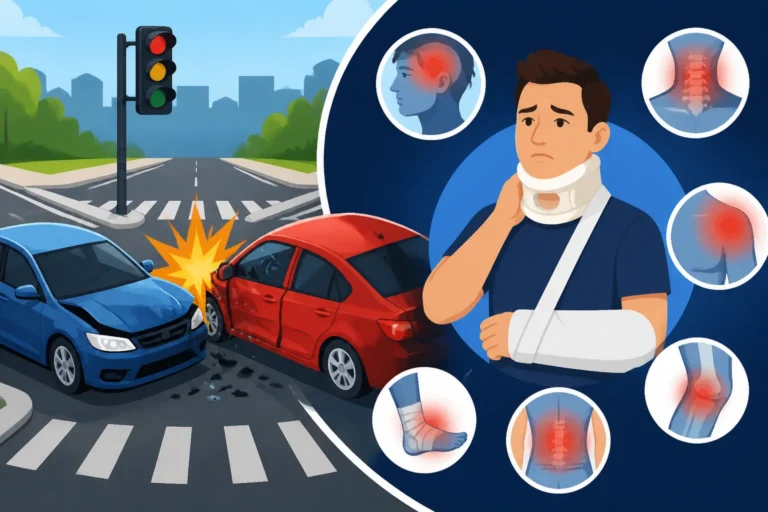
Pre-Existing Conditions and Car Accident Claims
Getting into a car accident is already a nightmare, but when you have a pre-existing health condition, the stress can feel multiplied by ten. You might worry that any injury you sustain, or even the worsening of an old one, will be blamed on your past medical history, making it impossible to get the compensation you deserve. This guide is here to shed light on how pre-existing conditions are handled in car accident claims, offering practical advice and strategies to protect your rights and ensure your valid injuries are recognized.
Understanding Pre-Existing Conditions in Car Accident Claims
It's a common fear: you've been in a crash, you're hurting, and the first thing that pops into your head is, "Will my old back injury ruin my claim?" The simple answer is, not necessarily. But it does complicate things, and it’s vital to understand the legal principles at play and how insurance companies often try to use your medical history against you.
What Exactly Counts as a Pre-Existing Condition?
A pre-existing condition, in the context of a car accident claim, is any injury, illness, or medical issue that you had before the accident occurred. This could be anything from a chronic bad back, a previous neck injury, degenerative disc disease, arthritis, a prior surgery, or even a psychological condition like anxiety or depression that an accident might exacerbate.
Insurance companies are notoriously vigilant about uncovering these details. They'll often request your entire medical history, looking for any mention of similar symptoms or conditions. Their goal, of course, is to argue that your current pain or injury isn't new but merely a continuation or unrelated flair-up of an old problem, thereby trying to minimize the value of your claim or deny it entirely. It feels deeply unfair when your new pain is clearly worse, but they act like it's "business as usual" for your body.
The "Eggshell Skull" Rule and Its Relevance
Here's where a fundamental legal principle called the "eggshell skull" rule comes into play, and it’s a game-changer for people with pre-existing conditions. This rule, sometimes called the "eggshell plaintiff" rule, essentially states that a negligent defendant "takes their victim as they find them." What this means is that if someone's negligence causes an injury, they are responsible for all the resulting damages, even if the victim had a pre-existing vulnerability that made their injuries worse than they would have been for an "average" person.
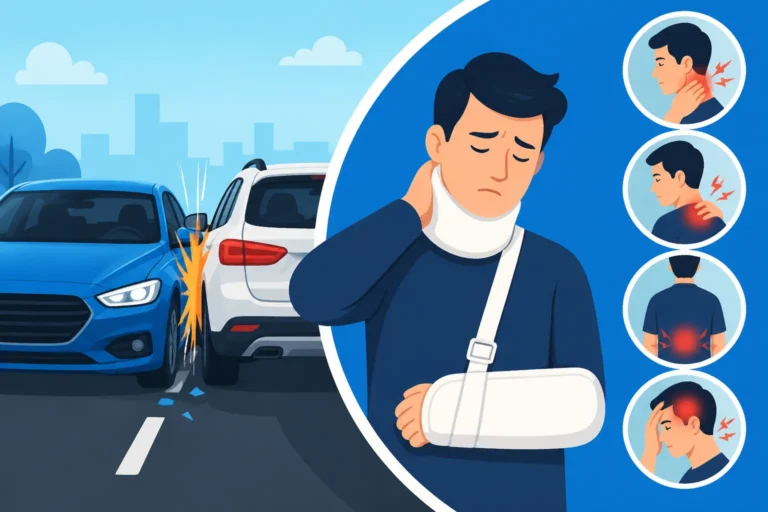
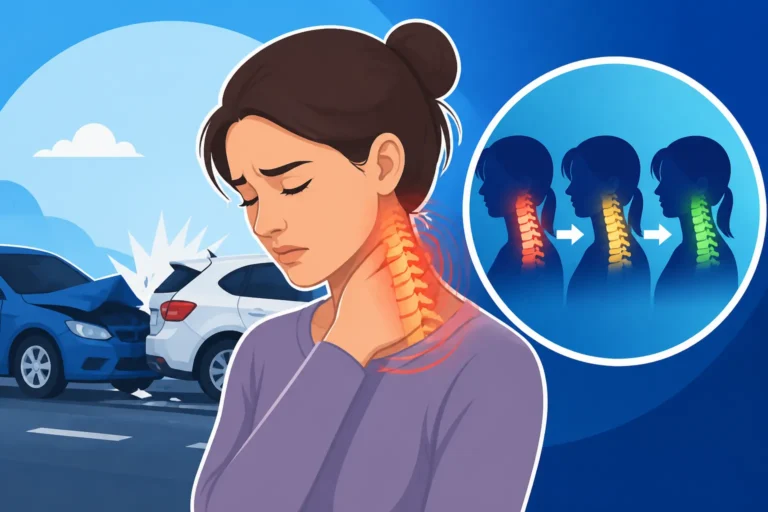
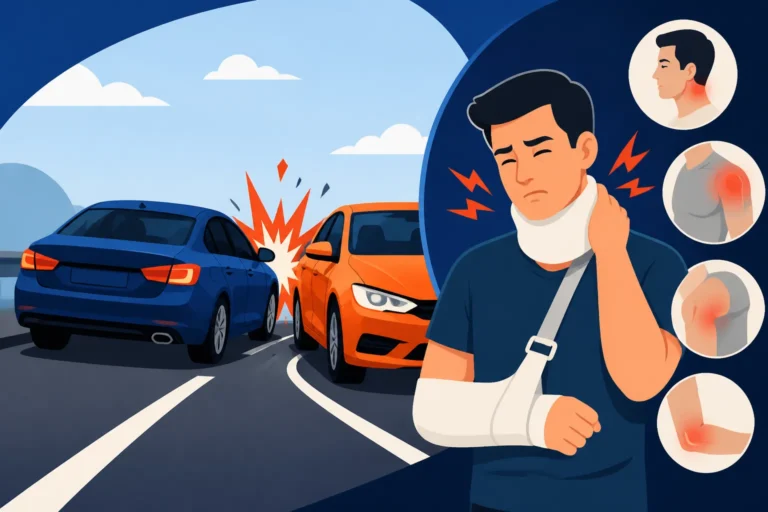
For example, imagine two people are involved in identical rear-end collisions. One person is perfectly healthy and suffers whiplash. The other person has a severe, but stable, pre-existing neck condition, and the same collision causes their condition to suddenly become debilitating. Under the eggshell skull rule, the at-fault driver is responsible for the full extent of the second person's exacerbated injuries, even if they couldn't have predicted such a severe outcome. This rule is crucial because it prevents negligent drivers from escaping liability just because their victim wasn't perfectly robust. Understanding this principle can be empowering when you're fighting for a fair settlement.
The Challenges of Proving New Injuries or Exacerbation
Even with the "eggshell skull" rule on your side, proving that a car accident caused new injuries or worsened a pre-existing one isn't always straightforward. Insurance adjusters are trained to poke holes in your story, and they have powerful tools at their disposal. This is often where many people feel the most frustration and despair, as it feels like they're fighting an uphill battle just to be believed.
The Insurance Company's Playbook: Minimizing Your Claim
Once an insurance company discovers you have a pre-existing condition, expect them to try and use it to their advantage. Their playbook often includes several common tactics. First, they might outright deny that the accident caused any new injury, claiming your pain is solely due to your pre-existing condition. They'll review your past medical records with a fine-tooth comb, highlighting any old complaints that sound similar to your current symptoms.
Another tactic is to argue that while the accident might have slightly aggravated your condition, it's not a significant change, and your medical treatment is excessive for the supposed minor "flare-up." They might send you to an "independent medical examination" (IME) doctor who is, in reality, often paid by the insurance company and incentivized to find nothing new or severe. This can feel incredibly invalidating, as if your genuine pain is being dismissed purely to save them money. It’s important to know that you don't have to accept their initial assessment.
Establishing Causation: The Critical Link
In any personal injury claim, you must prove "causation" – that the other driver's negligence directly caused your injuries or made your pre-existing condition worse. For someone without a prior medical history, proving causation is often simpler. You get hurt in a crash, you go to the doctor, and the timeline speaks for itself. But with a pre-existing condition, it becomes a nuanced medical and legal challenge.
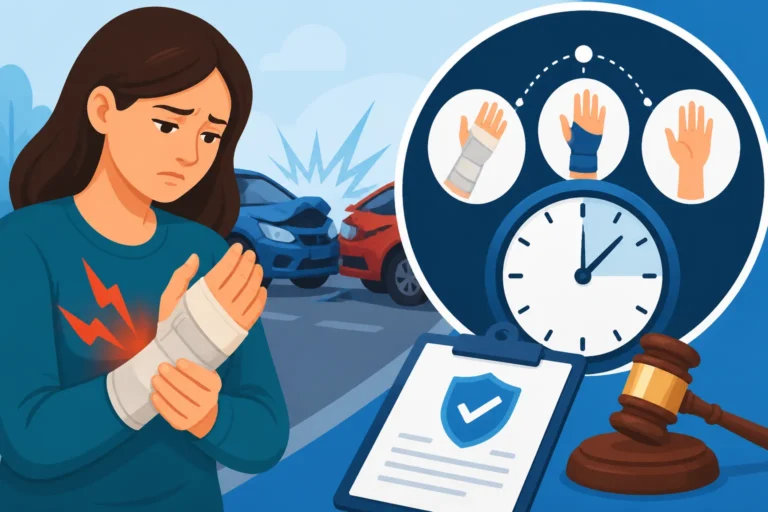
You need to demonstrate a clear link: your condition was stable or manageable before the accident, and after the accident, it significantly worsened, or new symptoms emerged directly attributable to the trauma. This often requires comparing your medical records from before and after the crash, showing a marked change in pain levels, function, or diagnostic findings. It's about drawing a clear "before and after" picture that leaves no room for doubt about the accident's impact. Without this clear line, insurance companies will often argue that your current issues would have developed anyway, independent of their policyholder's actions. This can be one of the trickiest parts of the entire process, and it's a major reason why many people wonder, "Do You Need a Lawyer for a Car Accident?"
Strategies for Strengthening Your Car Accident Claim with Pre-Existing Conditions
Successfully navigating a car accident claim with a pre-existing condition isn't impossible, but it demands diligence and proactive steps on your part. Think of it as building a robust case brick by brick, ensuring every detail supports your argument for fair compensation.
Documentation Is Your Best Friend
Seriously, if there’s one takeaway, it’s this: document everything. Your medical records are the backbone of your claim, especially when dealing with pre-existing conditions. Gather all medical records pertaining to your pre-existing condition before the accident. This includes doctor’s notes, diagnostic test results (X-rays, MRIs, CT scans), treatment plans, medication lists, and even physical therapy records. These records establish a "baseline" of your condition, showing its severity and stability prior to the crash.
After the accident, keep meticulous records of all new medical treatments, doctor's visits, prescribed medications, and therapy sessions. It's also incredibly helpful to keep a daily pain journal. Document your pain levels, how your injuries impact your daily life, changes in your pre-existing condition, and any new symptoms. Even seemingly minor details, like difficulty sleeping or struggling with simple chores you used to manage, can paint a clearer picture of your suffering. Gathering witness statements from friends or family who can attest to your previous health status and the visible changes after the accident can also be invaluable. This comprehensive approach helps to clearly illustrate How to Prove Injuries in a Car Accident Claim.
Immediate Medical Attention and Consistent Treatment
After any car accident, even if you feel okay at first, seeking immediate medical attention is non-negotiable, especially if you have a pre-existing condition. Some injuries, like whiplash or concussions, can have Delayed Injury Symptoms After a Car Accident, appearing days or even weeks later. When you have a pre-existing condition, any delay in seeking care creates an opening for the insurance company to argue that your injuries weren't serious or weren't caused by the accident.
Once you’ve seen a doctor, consistently follow their treatment plan. Missing appointments or failing to follow medical advice can severely weaken your claim. Insurance adjusters will use gaps in your treatment or non-compliance as evidence that your injuries aren't as severe as you claim, or that you're not doing your part to recover. Even if you're feeling frustrated or skeptical about a particular treatment, communicate your concerns with your doctor rather than just stopping. A continuous, well-documented record of treatment helps establish a clear timeline and directly links your current condition to the accident. This is why Why You Should See a Doctor After a Car Accident is always one of the first pieces of advice anyone gives.
How Medical Experts and Legal Professionals Can Help
When you have a pre-existing condition complicating a car accident claim, you're essentially dealing with a puzzle that has extra, tricky pieces. This is where specialized expertise becomes not just helpful, but often essential. You simply can't expect to navigate these waters alone and expect the best possible outcome.
The Role of Medical Professionals in Proving Exacerbation
Your treating physicians are your primary advocates when it comes to illustrating the impact of the accident on your pre-existing condition. They can provide detailed medical reports, comparing your pre-accident baseline to your post-accident symptoms and diagnostic findings. They can offer a professional opinion on how the trauma of the collision aggravated your condition, accelerated degenerative changes, or caused new symptoms to emerge.
In more complex cases, your legal team might bring in a medical expert witness. This could be a specialist like an orthopedist, neurologist, or pain management doctor, who can review all your medical records, conduct their own examination, and provide expert testimony on the causal link between the accident and your worsened condition. They can explain complex medical concepts to an insurance adjuster or jury, helping them understand that the accident truly made your existing health issues significantly worse, impacting your quality of life. Their objective medical opinion can often counteract the insurance company's arguments that your injuries are solely related to your past.
When to Bring in a Car Accident Lawyer
If you have a pre-existing condition, contacting a car accident lawyer early in the process is one of the smartest moves you can make. Trying to handle an insurance claim yourself while also dealing with medical appointments and the added complexity of a pre-existing condition is a recipe for overwhelming stress and potentially a significantly lower settlement. A skilled lawyer understands the "eggshell skull" rule inside and out and knows how to effectively counter the tactics insurance companies use to minimize claims.
They will gather and organize your extensive medical records, consult with your doctors, and, if necessary, arrange for expert medical opinions to establish causation. Furthermore, a lawyer can help you understand the full scope of damages you might be entitled to, including both Economic vs Non-Economic Damages Explained, and calculate how your pre-existing condition impacts the overall value of your claim. They handle all communication with the insurance companies, protecting you from inadvertently saying something that could harm your case. This allows you to focus on your recovery while they build the strongest possible argument for your compensation. Many people don't realize that Should You Talk to a Lawyer Before the Insurance Company? is a crucial decision that can heavily influence the outcome.
Common Types of Pre-Existing Conditions and Their Impact
While almost any pre-existing condition can be affected by a car accident, some are more commonly seen in accident claims and often present specific challenges. Understanding these can help you anticipate the arguments the insurance company might raise.
Back and Neck Issues
Pre-existing back and neck conditions, like degenerative disc disease, herniated discs from prior injuries, or chronic back pain, are incredibly common. When someone with these conditions is involved in a car accident, even a low-impact one, the sudden force can significantly exacerbate their pain, cause new herniations, or worsen existing ones. The problem is, insurance companies love to argue that these issues are simply "age-related degeneration" or the "natural progression" of your pre-existing condition, and not truly caused or worsened by the accident.
To counter this, it's vital to have clear documentation of your pre-accident condition. Was your disc herniation stable and asymptomatic before the crash, and now it's causing radiating pain and requiring surgery? Did you manage your chronic back pain with occasional physical therapy, and now you're constantly in agony? Highlighting this dramatic change in symptom severity, frequency, and functional impact is key. Your medical imaging (MRIs, X-rays) from before and after the accident become critical pieces of evidence, showing a new injury or a worsening of an old one. This is directly related to the complexities often seen with Back and Spinal Injuries From Car Accidents.
Arthritis and Degenerative Conditions
Arthritis, osteoarthritis, and other degenerative conditions affect millions of people, particularly as they age. These conditions involve the natural wear and tear of joints and can cause chronic pain and stiffness. A car accident can significantly accelerate the degeneration process or cause a severe flare-up of existing arthritic pain. For instance, a person with mild, manageable arthritis in their knee might experience excruciating, constant pain after a collision, requiring aggressive new treatments or even joint replacement surgery.
Again, the challenge here is that insurance companies will often claim these problems are simply part of "getting older" and not accident-related. However, the eggshell skull rule still applies. If the accident caused your arthritic condition to become symptomatic, or dramatically worsened an already symptomatic condition, the at-fault driver is responsible for those increased damages. Documentation proving the stability or milder nature of your arthritis before the crash, contrasted with the acute onset or severe exacerbation of symptoms after, is crucial. Expert medical testimony often becomes necessary to explain how the specific trauma of the accident directly contributed to the worsening of these conditions.
Navigating Settlement Negotiations with Pre-Existing Conditions
When it comes to settling your car accident claim, particularly with a pre-existing condition, you need to be prepared for a tough fight. Insurance companies aren't in the business of readily handing out large payouts, and they will use every piece of information, including your medical history, to reduce what they offer.
Preparing for Insurance Company Pushback
Expect the insurance adjuster to meticulously comb through your medical records, looking for any mention of your pre-existing condition. They will likely emphasize these prior issues, trying to attribute as much of your current pain and suffering as possible to your old ailments rather than the recent accident. They might even explicitly state, "We see you had X condition before the accident, so your current issues aren't really new." It can feel like they're trying to gaslight you into believing your own pain isn't valid.
To counter this, your thorough documentation and consistent medical treatment are indispensable. Your lawyer will build a case demonstrating the clear before-and-after picture, emphasizing how the accident exacerbated your condition and led to new limitations, increased pain, or required different treatments. They will use the "eggshell skull" rule as a shield against the insurance company's attempts to deflect responsibility. You'll need to clearly articulate the difference in your quality of life, work abilities, and daily functions before and after the crash. This preparation is key to knowing How to Negotiate a Car Accident Settlement effectively.
Understanding How a Settlement Changes If You're Partly at Fault
Another layer of complexity, especially when dealing with pre-existing conditions, arises if you are found to be partially at fault for the accident. Most states operate under some form of comparative negligence. This means that if you are partly responsible for the crash, the amount of compensation you can recover from the other driver is reduced by your percentage of fault. For example, if your damages are assessed at $100,000, but you're found to be 20% at fault, your settlement would be reduced by 20% to $80,000.
When a pre-existing condition is involved, the insurance company might try to argue that your pre-existing condition made you more susceptible to injury, and therefore your damages should be further reduced beyond just your comparative fault. This is generally an incorrect application of the "eggshell skull" rule. However, if they can successfully argue that your pre-existing condition, separate from the accident, contributes to your current overall damages, it adds another layer to the negotiation. This situation underscores why it’s critical to understand What Happens If You're Partially at Fault? and how it could impact the final payout when assessing How Much Is My Car Accident Settlement Worth?.
| Pre-Existing Condition Type | Common Challenges for Claims | Key Documentation Needed |
|---|---|---|
| Back/Neck Issues | Attributing new pain to prior disc degeneration; arguing "normal" progression. | Pre-accident MRIs/X-rays, chiropractor notes, physical therapy records, medication history. |
| Arthritis/Degenerative Disease | Claiming symptoms are "age-related" and not trauma-induced. | Baseline joint pain assessments, imaging reports, rheumatologist notes, functional limitations. |
| Previous Fractures/Surgeries | Suggesting current pain is residual from old injury/surgery, not new trauma. | Post-surgical reports, recovery notes, pre-accident pain levels/mobility assessments. |
| Chronic Pain Conditions | Dismissing increased pain as a "flare-up" or unrelated stress. | Pain management records, daily pain journals, functional capacity evaluations (pre-accident). |
| Psychological Conditions | Downplaying exacerbation of anxiety, depression, PTSD. | Pre-accident therapy notes, medication history, therapist's assessment of worsening symptoms. |
Disclaimer
Please remember that this article provides general information and is not a substitute for professional legal or medical advice. Every car accident claim is unique, and the specifics of your situation, including state laws, will greatly influence the outcome. If you have a pre-existing condition and have been involved in a car accident, it is highly recommended to consult with a qualified personal injury attorney and your medical doctor to discuss your specific circumstances.