Common Injuries From a Merging Accident
Merging onto a busy highway or changing lanes in heavy traffic can be one of the most stressful parts of driving. When another driver fails to yield or misjudges a distance, a merging accident can happen in an instant, often leaving you shaken and wondering what just hit you – literally. Even what seems like a minor "fender bender" in a merging scenario can lead to a surprising array of painful and sometimes long-lasting injuries. This guide will walk you through the most common injuries sustained in these types of collisions, helping you understand what to look out for and why seeking prompt medical attention is so vital.
Understanding the Dynamics of Merging Accidents and Common Injury Types
Merging accidents, while sometimes less severe than high-speed head-on collisions, can still exert significant forces on the human body. The unique angles and common speeds involved mean that certain types of injuries are particularly prevalent. It’s crucial to understand how these crashes unfold to better anticipate the potential physical aftermath.
The Mechanics of Merging Collisions
A merging accident typically occurs when one vehicle attempts to enter a traffic lane already occupied by another vehicle, or when two vehicles attempt to merge into the same lane simultaneously. These incidents are frequently seen on highway on-ramps, where drivers might misjudge the speed of oncoming traffic or the available gap. They also happen often during routine lane changes on multi-lane roads, especially in congested urban areas like Los Angeles or Dallas, where a driver might fail to check their blind spot or signal properly.
The speeds involved in merging accidents can vary dramatically. On a highway, a merging vehicle might be accelerating from a standstill to 60 mph, while the vehicle already in the lane is maintaining speed. In city traffic, merging might occur at much lower speeds, perhaps 20-30 mph. However, even these seemingly moderate speeds can generate substantial impact forces, especially if the angle of collision is direct rather than glancing. The sudden deceleration or abrupt change in direction transmits energy through the vehicle frame and directly to the occupants.
These dynamic factors—the combination of speed, angle of impact, and the sudden, often unexpected nature of the collision—play a critical role in the specific injury patterns observed. A sideswipe might cause one type of injury, while a more direct, T-bone-like impact during a merge could lead to completely different trauma. For instance, if a driver rapidly swerves to avoid a merging vehicle and then hits a concrete barrier or another car, the forces can be intensified.
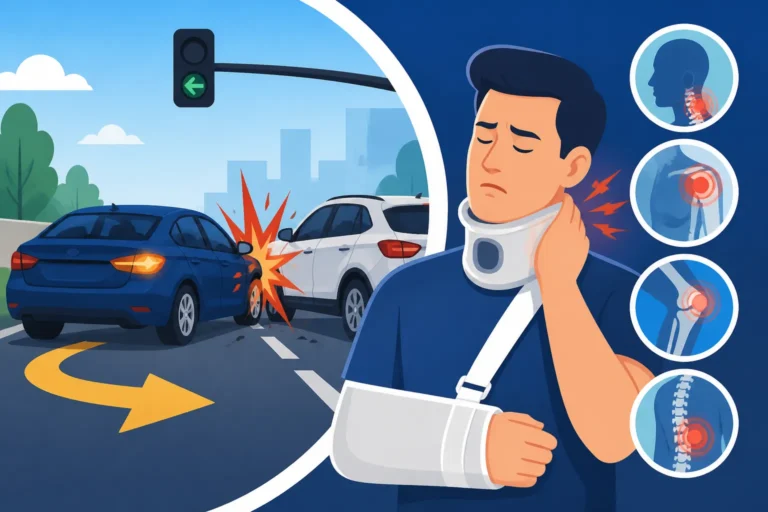
Consider a real-life scenario: you're driving on I-5 approaching downtown Seattle, trying to merge right into a busy lane. The car next to you, also trying to merge from the left, doesn't see you and clips your front fender. Even if the impact feels minor, the sudden jolt and twist of your body to brace for impact, or the sudden lurch as your car is pushed sideways, can cause more than just property damage. The rapid acceleration and deceleration can put immense strain on your neck and spine.
General Categories of Injuries
Given the mechanics of merging accidents, the injuries sustained can range from mild to severe, often falling into several broad categories. Understanding these general classifications helps in recognizing the diverse ways the body reacts to the trauma of a collision.
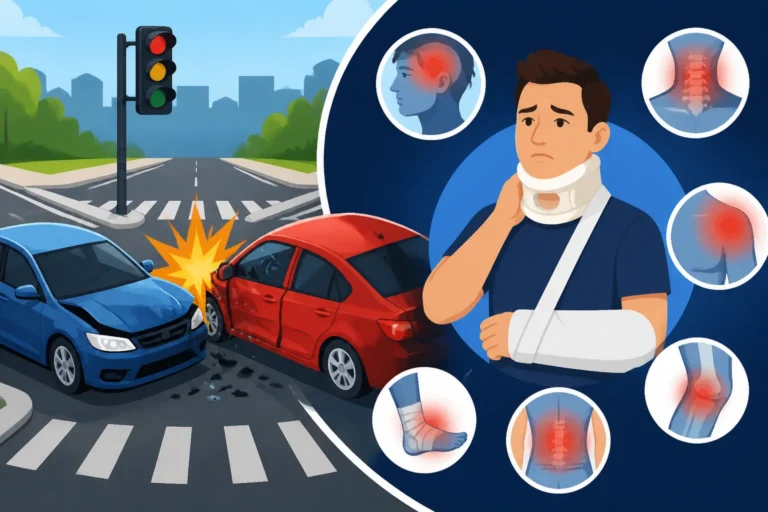
First, there are musculoskeletal injuries, which are perhaps the most common. These involve the body's bones, muscles, ligaments, and tendons. Think sprains, strains, fractures, and dislocations. The sudden, unnatural movements or direct impacts that occur during a merge can easily overstretch soft tissues or break bones, especially if a limb is braced against a hard surface like the dashboard or steering wheel.
Next, head and neck injuries are alarmingly frequent. Whiplash is almost synonymous with car accidents, and merging collisions are no exception. The rapid back-and-forth motion of the head can cause significant strain on the neck's delicate structures. Beyond whiplash, direct impacts to the head can lead to concussions or even more severe traumatic brain injuries, even if you don't lose consciousness.
Internal injuries, while less immediately obvious, are incredibly serious. The forces of impact can cause bruising, bleeding, or even rupture of internal organs. Seatbelts, while life-saving, can sometimes contribute to these injuries by exerting immense pressure on the chest and abdomen during a sudden stop. It’s a harsh reality that you might feel fine on the outside, but be suffering significant trauma internally.
Finally, and often overlooked, are the psychological impacts. The shock, fear, and stress of being involved in an accident, regardless of its physical severity, can lead to significant emotional distress. Anxiety, difficulty sleeping, or even the development of Post-Traumatic Stress Disorder (PTSD) are very real consequences that deserve just as much attention as physical injuries. These mental health challenges can affect a person's ability to drive, work, or engage in social activities long after their physical wounds have healed.
Specific Musculoskeletal and Soft Tissue Injuries
The human body is remarkably resilient, but it has its limits. The sudden, often violent forces exerted during a merging accident can easily push joints and soft tissues beyond their normal range of motion, leading to a variety of musculoskeletal and soft tissue injuries. These are frequently encountered in car accident claims and can significantly impact daily life.
Whiplash and Other Neck Injuries
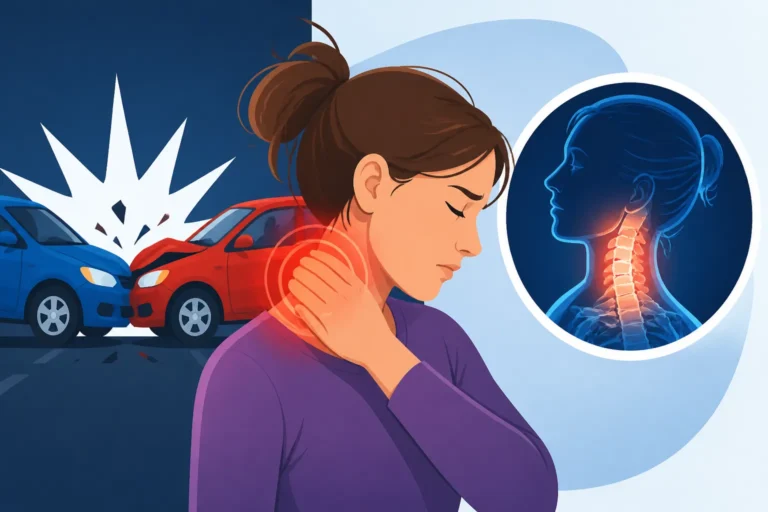
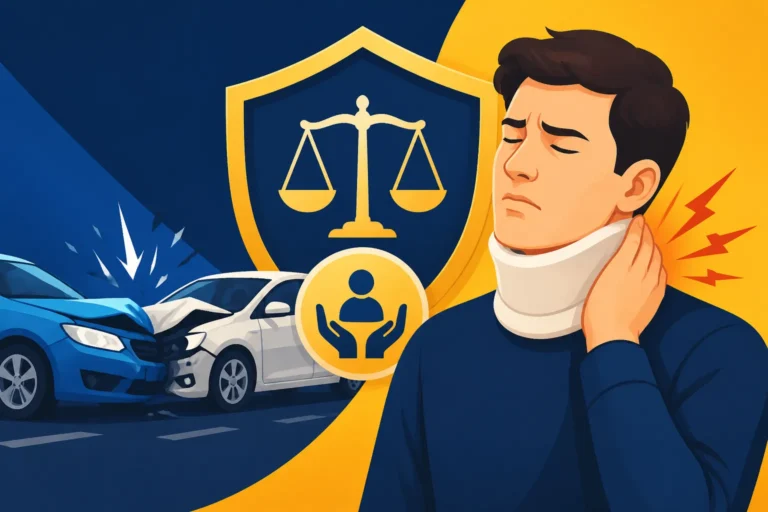
Whiplash is arguably the most common injury in any car accident, and merging collisions are no exception. It occurs when the head is suddenly jerked forward and backward (or side to side) with extreme force, similar to the crack of a whip. This rapid movement hyperextends and hyperflexes the neck, damaging the soft tissues—muscles, ligaments, and tendons—that support the cervical spine. The initial shock of the accident can often mask the immediate onset of symptoms, making it a classic example of Delayed Injury Symptoms After a Car Accident.
Symptoms of whiplash often manifest hours or even days after the accident. These can include neck pain and stiffness, headaches, dizziness, blurred vision, fatigue, and even tingling or numbness in the arms. The severity can range from mild discomfort to debilitating pain that limits head movement. Many victims find it incredibly difficult to turn their head, check blind spots, or even sleep comfortably due to the persistent ache. You can learn more about specific signs and symptoms by reading our guide on Whiplash Symptoms After a Car Accident.
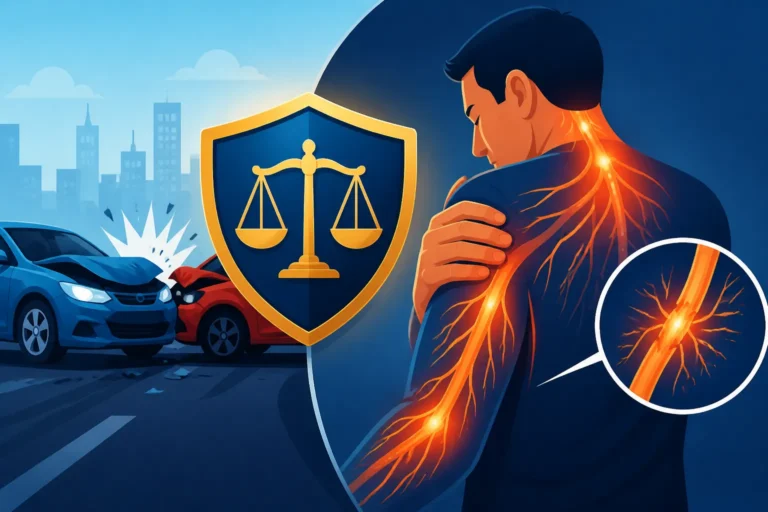
Beyond general whiplash, more severe neck injuries can occur. The force might lead to a herniated disc in the cervical spine, where the soft cushioning between vertebrae bulges or ruptures, pressing on nearby nerves. This can cause radiating pain down the arm, weakness, or tingling sensations. Nerve impingement, where nerves are compressed or irritated, can also be a painful consequence, affecting mobility and sensation.
Imagine you're driving on the I-880 in Oakland, California, during rush hour, and another driver merges directly into your lane, sideswiping your car. You brace for impact, but the sudden lateral jolt snaps your head to the side. Initially, you might just feel a little stiff, but by the next morning, turning your head becomes excruciating. Simple tasks like looking over your shoulder to change lanes or even nodding in agreement become painful reminders of the collision. Recovery from whiplash can take weeks or even months, depending on the severity, as discussed in our article, How Long Does Whiplash Last?.
Back Injuries and Spinal Trauma
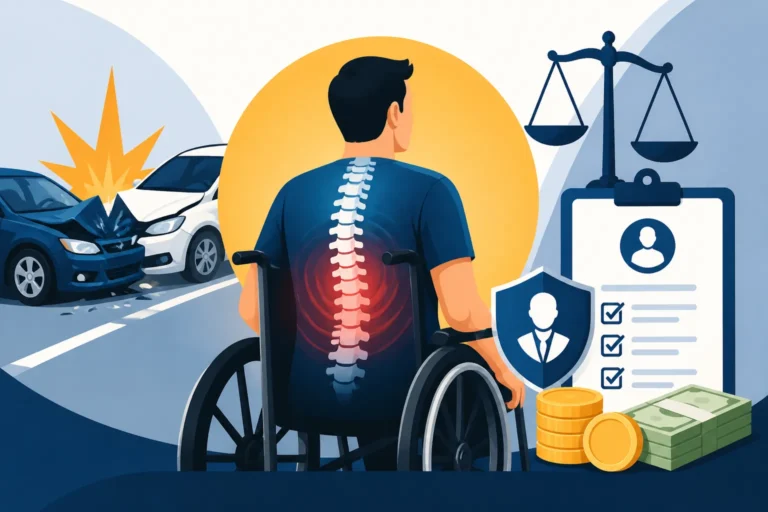
Back injuries are another frequent and often debilitating consequence of merging accidents. The spine is a complex structure, and the sudden twisting, compression, or stretching forces experienced during a collision can wreak havoc on it. Lower back pain, specifically, is a common complaint, resulting from sprains to the lumbar ligaments and strains to the muscles. The unexpected impact can cause the body to contort in unnatural ways, leading to immediate or delayed soreness and stiffness.
One of the most concerning back injuries is a herniated disc. This can occur when the force of impact causes one of the spinal discs—the soft, jelly-like cushions between your vertebrae—to rupture or bulge outward. When this happens, the disc material can press on the surrounding spinal nerves, leading to intense pain, numbness, tingling, or weakness in the back, buttocks, and even down the legs (sciatica). Healing from this type of injury can be a long road, often requiring physical therapy, medication, or in severe cases, surgery. For more detailed information, consider reading our post on Herniated Disc From a Car Accident.
While less common in typical merging incidents, severe spinal cord injuries are a catastrophic possibility, especially if the impact leads to a significant structural compromise of the spinal column, such as a fractured vertebra. Even seemingly minor impacts can contribute to or exacerbate pre-existing back conditions, leading to chronic pain.
Consider a driver merging onto a freeway in Phoenix, Arizona, who gets hit from the side by another vehicle that failed to yield. The driver's torso might twist violently against the seatbelt, causing a sudden rotation of the lower spine. Days later, they find themselves unable to sit comfortably, suffering from sharp, radiating pain that makes everything from driving to lifting a child a monumental challenge. These types of injuries often require extensive medical treatment and rehabilitation, severely impacting a person's quality of life. Understanding the full scope of Back and Spinal Injuries From Car Accidents is crucial for anyone involved in a collision.
Shoulder, Arm, and Leg Injuries
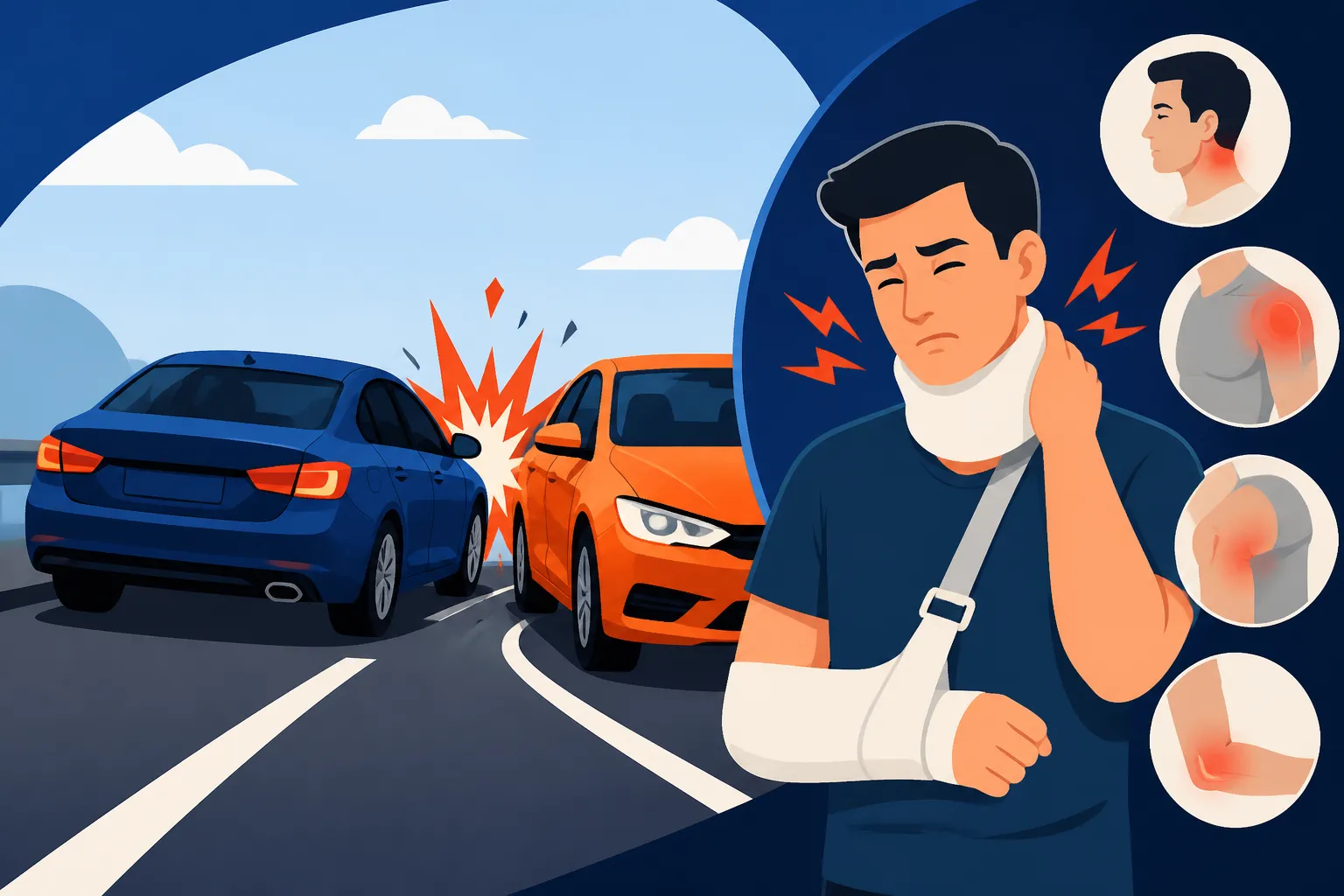
Beyond the neck and back, other extremities are highly susceptible to injury in merging accidents. The force of impact, combined with the body’s natural bracing mechanisms or contact with interior car components, can lead to various traumas in the shoulders, arms, and legs.
Seatbelts, while vital safety devices, can sometimes cause injuries themselves due to the immense pressure they exert during a sudden stop or impact. A common injury is a fractured clavicle (collarbone) or shoulder dislocation, often referred to as a Shoulder Injuries From a Seatbelt. The force of being restrained against the belt can also lead to bruising across the chest and shoulder, known as "seatbelt syndrome," which, in turn, can sometimes indicate underlying internal injuries.
Impact injuries to the arms and legs are also prevalent. Drivers instinctively brace themselves by gripping the steering wheel or extending an arm to push against the dashboard, which can result in wrist fractures, sprains, or even nerve damage. Passengers might extend their legs, leading to knees hitting the dashboard, causing knee injuries like a torn meniscus or patellar fractures. Foot and ankle injuries can also occur if the feet are braced against the floorboard during impact.
These injuries can range from simple contusions (bruises) to more complex fractures requiring surgical intervention. For instance, a driver merging on a busy street in Miami might be sideswiped, causing their car to lurch. In an effort to maintain control, their hands might grip the steering wheel so tightly that the sudden jerking motion sprains or even fractures a wrist. Similarly, a passenger might jam their knee against the glove compartment, resulting in painful swelling and limited mobility. It's not uncommon for individuals to suffer Broken Bones and Fractures in Car Accidents even in what appears to be a low-speed merging collision.
Head Trauma, Internal Injuries, and Psychological Impacts
While some injuries are immediately visible or acutely painful, others are insidious, developing over time or remaining hidden from plain sight. Head trauma, internal injuries, and psychological distress are particularly concerning in merging accidents because their full extent might not be apparent until days or even weeks after the incident.
Concussions and Traumatic Brain Injuries (TBIs)
Even in seemingly minor merging accidents, the head can sustain significant trauma. When a vehicle is abruptly stopped or swerves violently, the occupant's head can strike various surfaces inside the car—the window, dashboard, steering wheel, or even the headrest. The brain, a soft organ suspended in cerebrospinal fluid within the skull, can then slosh back and forth, hitting the inside of the skull. This motion causes a concussion, which is a mild form of traumatic brain injury (TBI).
Symptoms of a concussion can be diverse and may not appear immediately. They include headaches, dizziness, confusion, nausea, sensitivity to light or sound, mood changes, and difficulty concentrating. It's not uncommon for someone to feel "a little foggy" after an accident, only for these Concussion Symptoms After a Car Accident to worsen over the next 24 to 48 hours. Because symptoms can be delayed, it's critically important to seek medical evaluation if you suspect any head trauma, regardless of how minor the impact felt.
More severe impacts can lead to more serious Traumatic Brain Injury TBI From a Car Accident, which can have profound and long-lasting effects on cognitive function, memory, personality, and physical abilities. Even without direct impact, the sheer force of acceleration-deceleration can cause diffuse axonal injury, where nerve fibers in the brain are stretched and torn.
Consider a situation on the I-10 in Houston, where a driver attempts to merge but is suddenly cut off, causing them to brake hard and swerve. Their head might not hit anything directly, but the violent motion alone could be enough to cause a concussion. Initially, they might dismiss it as being "shaken up," but days later, persistent headaches, irritability, and trouble recalling details of the event could indicate a more serious underlying issue.
Internal Organ Damage and Bruising
Internal injuries are perhaps the most dangerous category because they are not always immediately apparent and can be life-threatening if left undiagnosed. The sudden, immense forces of a car accident, even a side impact or glancing blow during a merge, can cause internal organs to bruise, bleed, or even rupture.
The seatbelt, while essential for safety, can sometimes contribute to these injuries by compressing the body against the force of the impact. This can lead to what's often referred to as "seatbelt syndrome," characterized by bruising across the chest or abdomen. More seriously, it can cause internal bleeding, organ damage (such as to the spleen, liver, or kidneys), or even collapsed lungs. Symptoms might include abdominal pain, difficulty breathing, dizziness, lightheadedness, or unusual fatigue, but these can be subtle and easily attributed to the shock of the accident.
Another less common but severe internal injury involves the heart or major blood vessels, especially in more violent side impacts. These types of injuries require immediate medical intervention and are often discovered during a thorough post-accident medical examination. The insidious nature of internal injuries is why it is critical to seek medical attention after any car accident, even if you feel fine.
Imagine you're driving in Boston, and a vehicle merges into your side without warning, causing a jarring impact. You might have some chest bruising from the seatbelt, but otherwise feel okay. However, a few hours later, you start experiencing vague abdominal discomfort and shortness of breath. These could be subtle indicators of Internal Injuries After a Car Accident, such as a lacerated spleen or internal bleeding, which require urgent medical assessment. This highlights why it is so important to listen to your body and understand Why You Should See a Doctor After a Car Accident, even for what seems like a minor incident.
Emotional and Psychological Distress
Beyond the visible wounds and hidden internal traumas, merging accidents can inflict significant emotional and psychological distress. The experience of being in a crash, even one without severe physical injuries, is inherently traumatic. The suddenness, the loss of control, and the immediate fear for one's safety can leave lasting mental scars.
Many individuals report feelings of shock, anxiety, and heightened stress after a merging collision. They might experience flashbacks of the accident, difficulty sleeping, or constant worrying about driving again. This can escalate into a diagnosable condition such as General Anxiety Disorder or even PTSD and Emotional Distress After a Car Accident, where the individual relives the trauma, avoids driving, and experiences extreme emotional reactions to reminders of the crash.
These psychological impacts can be just as, if not more, debilitating than physical injuries. Someone might recover fully from a sprained wrist, but the persistent fear of driving on highways or merging into traffic can severely limit their independence and quality of life. Everyday routines, like commuting to work or taking children to school, become sources of immense stress and avoidance.
A driver involved in a merging accident on a congested stretch of the I-95 in Philadelphia might find themselves constantly replaying the moments leading up to the crash. They might develop a sudden aversion to driving in heavy traffic, or even experience panic attacks when they see other cars merging too closely. These mental health challenges often require professional therapy and support, underscoring the holistic impact of even a seemingly minor car accident. Addressing these issues is a crucial part of recovery and can significantly influence the overall healing process.
The Importance of Medical Evaluation and Documentation
After any car accident, especially a merging collision, your priority should always be your health and well-being. However, properly documenting your injuries is not only critical for your medical treatment but also essential if you need to pursue a car accident claim later on. Without clear medical records, it becomes incredibly challenging to link your injuries directly to the accident.
Why Immediate Medical Attention is Crucial
It's a common misconception that if you don't feel immediate pain, you're fine after an accident. This couldn't be further from the truth, especially with merging accidents where the forces involved might seem less violent than other types of collisions. Many car accident injuries, particularly whiplash, concussions, and various soft tissue injuries, have Delayed Injury Symptoms After a Car Accident. Adrenaline can mask pain for hours or even days, allowing serious conditions to worsen unnoticed.
A comprehensive check-up by a doctor can uncover hidden issues that you might not be aware of. For example, internal bleeding or a slow-developing herniated disc could be identified through diagnostic tests even before you experience severe symptoms. Early diagnosis can prevent conditions from deteriorating, leading to more effective and less invasive treatment options. Prompt medical attention creates an undeniable link between the accident and your injuries in your medical history.
Consider a scenario in Denver, Colorado. You're merging onto I-25, and another car clips your rear quarter panel. You feel a jolt but assume it's just a minor bump. You exchange information and drive away. A couple of days later, you start experiencing severe headaches and neck stiffness that weren't there before. Had you seen a doctor immediately, these symptoms could have been documented from day one, forming a clear timeline. Without that initial visit, it might be harder to prove the direct causation between the merging accident and your new symptoms.
The bottom line is that even a seemingly minor fender bender or glancing blow during a merge can lead to significant injuries. Always prioritize your health by seeking professional medical advice. A doctor can accurately assess your condition, recommend appropriate treatment, and create the necessary medical records that will be vital for any future claims.
Documenting Your Injuries for a Claim
If you've been injured in a merging accident, meticulous documentation of your injuries and their impact on your life is paramount. This isn't just about proving you were hurt; it's about substantiating the full extent of your damages, from medical bills to pain and suffering. Without solid evidence, proving How to Prove Injuries in a Car Accident Claim can become an uphill battle.
Your medical records are the cornerstone of your claim. This includes everything from initial diagnostic reports (X-rays, MRIs, CT scans) and your doctor's official diagnosis to treatment plans, physical therapy notes, medication prescriptions, and prognoses for recovery. Each visit, each recommendation, and each procedure must be clearly logged by your healthcare providers. It’s also important to follow all medical advice and complete any recommended treatments, as gaps in treatment can be used by insurance companies to suggest your injuries are not as severe as claimed.
Beyond official medical documentation, maintaining a personal journal of your pain, limitations, and how your injuries affect your daily life can be incredibly powerful. Describe your daily pain levels, what activities you can no longer do, how your sleep is impacted, and any emotional distress you're experiencing. This personal account adds a human element to your claim and helps illustrate your Pain and Suffering Damages: What They Cover. Also, gather and organize all medical bills, receipts for prescriptions, transportation costs to appointments, and any other out-of-pocket expenses related to your injuries.
For instance, if you were involved in a merging accident on the George Washington Bridge heading into New York City, and you sustained a shoulder injury from the seatbelt, your documentation might include: emergency room records detailing the initial assessment, orthopedist's notes diagnosing a rotator cuff tear, physical therapy attendance records, receipts for pain medication, and journal entries describing your inability to lift groceries or comb your hair. This comprehensive record paints a clear picture of your ordeal and helps in determining How Much Is My Car Accident Settlement Worth?.
Below is a table summarizing some common injuries from merging accidents and their typical symptoms, highlighting why documentation is so important:
| Injury Type | Common Symptoms | Why Documentation is Key |
|---|---|---|
| Whiplash | Neck pain, stiffness, headaches, dizziness, blurred vision | Delayed onset, subjective pain requires medical verification |
| Herniated Disc | Back/neck pain, radiating numbness/tingling, weakness | Imaging (MRI) and neurological exams confirm diagnosis |
| Concussion/TBI | Headaches, confusion, memory issues, sensitivity to light | Neurological exams, symptom tracking, cognitive assessments |
| Shoulder/Knee Injury | Pain, swelling, reduced range of motion, instability | X-rays, MRIs, physical therapy notes, orthopedic evaluations |
| Internal Bruising/Bleeding | Abdominal pain, dizziness, fatigue, shortness of breath | ER visits, diagnostic scans (CT, ultrasound), internal medicine notes |
| Psychological Trauma | Anxiety, PTSD, flashbacks, sleep disturbances, fear of driving | Therapy notes, psychiatric evaluations, personal journal entries |
This table serves as a quick reference, but remember, every injury and every individual's experience is unique. The more thoroughly you document, the better positioned you will be to receive the compensation you deserve for your pain and suffering.
Disclaimer
Please remember that this article provides general information and does not constitute legal or medical advice. Every car accident case is unique, and the information presented here may not apply to your specific situation. You should always consult with a qualified legal professional and medical doctor for advice tailored to your individual circumstances.