Claiming Compensation for Broken Arm in California
Getting into a car accident is bad enough, but discovering you've sustained a serious injury like a broken arm can turn your world upside down. The immediate pain is just the beginning; you’re suddenly faced with mounting medical bills, time off work, and the sheer frustration of everyday tasks becoming monumental challenges. This comprehensive guide is here to walk you through everything you need to know about claiming compensation for a broken arm in California, helping you understand your rights and the steps involved in recovering what you deserve.
Understanding Your Broken Arm Injury After a Car Accident
A broken arm isn't just a simple inconvenience; it's a significant injury that can dramatically impact your life, often requiring extensive medical intervention and a long recovery period. The force of a car accident can twist, crush, or impact your arm in ways that lead to various types of fractures, each with its own set of challenges.
Types of Broken Arm Injuries
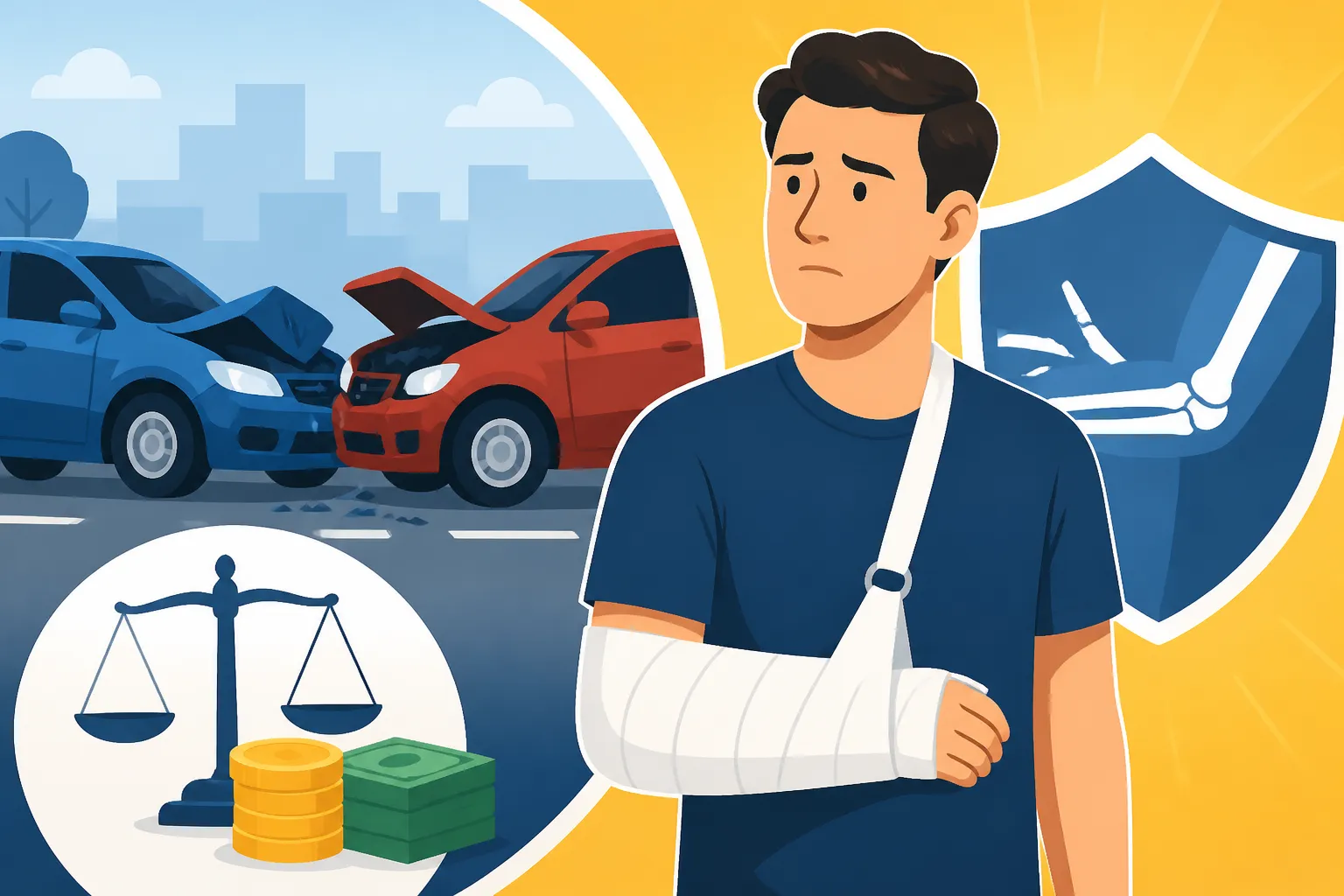
When we talk about a "broken arm," it's a pretty broad term that can encompass several different bones and types of fractures. In a car accident, your arm can get injured in numerous ways – perhaps you braced for impact against the dashboard, or maybe the steering wheel or airbag struck you directly. The most common breaks involve the humerus (upper arm), ulna (forearm, pinky side), and radius (forearm, thumb side), or even the intricate bones of the wrist.
For instance, a radial head fracture near the elbow often happens when you extend your arm to brace for impact, transmitting force up through your wrist and forearm. These can be particularly tricky because they affect joint movement and might require surgery to restore full function. Then there are shaft fractures of the humerus, radius, or ulna, which can be simple breaks or complex, comminuted fractures where the bone shatters into multiple pieces. A Colles' fracture of the wrist, where the end of the radius breaks, is also very common in falls or impacts where you try to break your fall with an outstretched hand, a natural reaction during a collision. Each type of fracture comes with its own specific treatment plan, recovery timeline, and potential for long-term complications, all of which heavily influence the compensation you might be able to claim.
Immediate and Long-Term Medical Care
The absolute first step after any car accident, even if you don't immediately feel pain, is to seek medical attention. With a broken arm, the signs might be obvious – severe pain, swelling, bruising, or a visible deformity. But sometimes, a fracture might not be immediately apparent, especially if adrenaline is masking the pain. A proper diagnosis from a doctor, usually involving X-rays, is crucial. Ignoring a potential injury can not only worsen your condition but also significantly weaken your claim, as insurance companies often look for gaps in treatment to argue that your injuries weren't serious or weren't caused by the accident. This is why seeing a doctor is critical, even after a minor accident.
Once diagnosed, your treatment might range from simple immobilization with a cast or splint to complex surgical procedures involving plates, screws, or pins to realign the bone. Following surgery, or even after a cast comes off, physical therapy is almost always a necessary component of recovery. This isn't just about regaining strength; it's about restoring range of motion, reducing stiffness, and preventing long-term disability. For some, a broken arm can lead to chronic pain, nerve damage, or even arthritis years down the line. These long-term effects, including the need for future medical expenses or additional surgeries, must be documented and considered when pursuing your compensation. Understanding these potential long-term impacts is a significant part of understanding the full scope of your damages.
The Financial Impact of a Broken Arm in California
A broken arm doesn't just hurt; it hits your wallet hard. From emergency room visits to ongoing therapy, the costs can pile up rapidly, not to mention the income you might lose while you're unable to work. It’s absolutely essential to account for every single one of these financial setbacks to ensure you receive fair compensation.
Documenting Medical Expenses
Medical bills for a broken arm can be astronomical, and they start accumulating from the moment you receive treatment. Think about it: there's the ambulance ride, the emergency room visit, X-rays, possibly an MRI or CT scan to get a detailed look at the fracture, consultations with orthopedic specialists, and potentially thousands of dollars for surgery itself. After surgery, you'll have follow-up appointments, medication for pain management, and likely weeks or months of physical therapy. Sometimes, you might even need adaptive equipment for your home, like special shower chairs or tools to help you dress.
Every single one of these expenses needs to be meticulously documented. Keep all your hospital bills, receipts from the pharmacy, statements from physical therapists, and records of every single doctor's visit. These aren't just pieces of paper; they are concrete evidence of the economic damages you've suffered due to the other driver's negligence. Insurance companies will scrutinize these records, so having them organized and complete is paramount. You'll want to gather all your medical records to prove your injuries, making your case much stronger.
Lost Wages and Future Earning Capacity
Beyond the medical bills, one of the most immediate financial stresses after breaking an arm is the loss of income. If your job requires the use of your hands or physical activity, a broken arm can put you out of commission for weeks or even months. For someone who works in construction, nursing, or even a desk job that requires extensive typing, a broken arm can mean significant lost wages. This isn't just your regular salary; it includes any lost bonuses, commissions, or even missed opportunities for overtime.
It's crucial to document your lost income through pay stubs, employment records, and a letter from your employer confirming your time off. But what if your injury is so severe that it affects your ability to perform your job in the long term, or even prevents you from returning to your previous profession? This is where the concept of "lost earning capacity" comes into play. If your broken arm leads to permanent weakness, limited mobility, or chronic pain, it could impact your ability to earn at the same level for years to come. This is a complex calculation that often requires expert testimony, and it's a significant component of many serious broken arm claims, especially for those in physically demanding careers or for self-employed individuals whose entire livelihood depends on their physical capabilities.
Non-Economic Damages: Pain and Suffering
While economic damages like medical bills and lost wages are easy to quantify, pain and suffering are a bit more abstract, yet incredibly real. A broken arm doesn't just cause physical pain from the fracture itself and the healing process; it brings a cascade of emotional distress. Imagine not being able to pick up your child, cook for yourself, drive, or pursue hobbies you love like playing guitar or gardening. The frustration, the dependence on others, the anxiety about your recovery, and the disruption to your daily life all fall under the umbrella of pain and suffering.
In California, these non-economic damages are a crucial part of your claim. There's no fixed formula, but factors like the severity of your injury, the length of your recovery, the impact on your quality of life, and any permanent disability or disfigurement will be considered. Often, a "multiplier" method is used, where your total economic damages are multiplied by a certain number (e.g., 1.5 to 5 times) to arrive at a value for your pain and suffering. Keeping a pain journal, documenting how your injury affects your daily activities, and even getting statements from friends and family about the changes they've observed can all help substantiate your claim for these vital damages. This component of your settlement aims to compensate you for the intangible hardships you've endured, making it an essential piece of your overall compensation.
Navigating the California Car Accident Claims Process
Dealing with a car accident is stressful enough, but when you're also recovering from a broken arm, the thought of tackling the insurance claims process can feel overwhelming. Understanding how things work specifically in California is key to protecting your rights and ensuring a smoother path to compensation.
Proving Fault in California
California operates under a "pure comparative negligence" system, which is a really important distinction. This means that even if you are found to be partially at fault for the accident, you can still recover damages from the other driver. However, your compensation will be reduced by your percentage of fault. For example, if your broken arm damages total $100,000, but you were found 20% at fault, you would only be able to recover $80,000. This is different from some other states where even a small percentage of fault could completely bar your recovery. If you're wondering what happens if you're partially at fault, California's system is generally more forgiving than some others.
Proving that the other driver was primarily, or entirely, at fault is crucial for maximizing your compensation. This involves gathering a lot of evidence at the scene, if possible, such as photographs of the vehicles and the accident scene, witness contact information, and details from the other driver. A police report can also be incredibly helpful in establishing initial fault, though it's important to remember that a police report doesn't always determine who pays. Your medical records and doctor's statements will directly link your broken arm to the accident, further solidifying the causation.
Dealing with Insurance Companies
After an accident, you'll inevitably be dealing with insurance companies – both your own and the at-fault driver's. This can be a tricky dance, and it's essential to proceed with caution. The other driver's insurance adjuster's main goal is often to minimize their payout, so they might try to get you to admit fault, downplay your injuries, or accept a quick, lowball offer before you fully understand the extent of your damages. It’s highly advisable to be careful about what you say; avoid giving a recorded statement to the other driver's insurance company without first consulting with legal counsel.
You should always report the accident to your own insurance company, even if you weren't at fault. This is generally required by your policy and can activate certain coverages you might have, like uninsured motorist coverage if the other driver lacks sufficient insurance. However, when it comes to the at-fault driver's insurer, remember they are not on your side. They might pressure you to settle quickly, especially if they know you're facing a long recovery with a broken arm and mounting bills. Don't feel rushed. Understanding how insurance companies determine who is at fault can give you an edge in these conversations.
The Role of a Car Accident Lawyer in California
While it might seem daunting to add another person to the mix, especially when you're managing a serious injury, deciding when to hire a car accident lawyer can be one of the best choices you make. For an injury as significant as a broken arm, especially one requiring surgery or causing substantial lost wages, a lawyer can be an invaluable asset. They understand California's specific laws, including its comparative negligence rules, and how they apply to your case.
A personal injury lawyer will handle all communications with the insurance companies, gather necessary evidence, work with your medical providers to ensure all your injuries are documented, and accurately calculate all your damages – both economic and non-economic. They know how to negotiate a car accident settlement effectively, pushing back against lowball offers and advocating for the true value of your claim. If a fair settlement cannot be reached, they are prepared to take your case to court. Most car accident lawyers work on a contingency fee basis, meaning you don't pay anything upfront, and they only get paid if they win your case, often a percentage of your final settlement or award. This arrangement makes quality legal representation accessible, regardless of your current financial situation, offering peace of mind when you're focusing on recovery.
What to Expect in a Broken Arm Settlement in California
After a car accident, especially one that leaves you with a broken arm, you're probably wondering what kind of compensation you can actually expect. The reality is, there's no magic number; every case is unique. However, understanding the factors that influence your settlement and what the process entails can help you set realistic expectations.
Factors Influencing Your Settlement Value
Several key elements come together to determine the potential value of your broken arm settlement in California. First and foremost, the severity of your injury is paramount. A clean, simple fracture that heals quickly with a cast will naturally yield a different settlement than a complex, comminuted fracture requiring multiple surgeries, extensive physical therapy, and leaving you with permanent mobility issues or chronic pain. The specific bone broken (humerus, ulna, radius, wrist bones) and the type of fracture (open, closed, comminuted) all play a role.
Beyond the injury itself, your medical costs are a huge factor. This includes everything from emergency room visits, surgeon fees, hospital stays, medication, and ongoing physical therapy. The more extensive and expensive your treatment, the higher this component of your claim. Next, lost wages and impact on future earning capacity are crucial. If your broken arm prevents you from working for an extended period, or permanently impairs your ability to perform your job, this will significantly increase your settlement value. Finally, pain and suffering (non-economic damages) play a massive role. The more intense your physical pain, emotional distress, and the greater the disruption to your daily life, the higher this component will be. Clear liability, meaning the other driver was clearly at fault, also strengthens your position, as does the available insurance policy limits of the at-fault driver. For a deeper dive, exploring how much is my car accident settlement worth can provide more context on the various contributing factors.
Settlement vs. Lawsuit
Most car accident claims, including those involving a broken arm, are resolved through a settlement rather than going to trial. A settlement is an agreement between you (and your lawyer) and the insurance company to resolve the claim outside of court. This often happens after a period of negotiation. The advantages of a settlement are usually speed and certainty; you get compensation much faster, and you avoid the risks and uncertainties of a jury trial. For instance, you could settle your case within months to a year.
However, sometimes a fair settlement offer isn't forthcoming, or the insurance company refuses to acknowledge the full extent of your damages. In such cases, your attorney might advise filing a personal injury lawsuit. While a lawsuit can be a longer and more complex process, sometimes taking years to resolve, it can be necessary to secure the full compensation you deserve. Going to court also carries the risk of losing or being awarded less than you hoped for, but it also opens the door to potentially higher awards, especially if your injuries are severe and permanent. Your lawyer will guide you on the best path forward, weighing the pros and cons of settling versus pursuing litigation based on the specifics of your broken arm injury and the insurance company's stance.
Average Settlement Ranges for a Broken Arm
It's natural to wonder about "average" settlement amounts, but it's important to approach these figures with caution. There's truly no one-size-fits-all answer for a broken arm settlement in California. The range can be incredibly broad, from a few thousand dollars for a minor, uncomplicated fracture with minimal impact on daily life, to hundreds of thousands or even millions for severe, debilitating fractures that result in permanent disability, multiple complex surgeries, significant lost earning capacity, and immense pain and suffering.
For example, a simple wrist fracture (distal radius fracture) that heals well might settle for $10,000-$50,000, covering medical bills, a few weeks of lost wages, and moderate pain. In contrast, a comminuted humerus fracture requiring surgery with plates and screws, leading to nerve damage, a year of physical therapy, and a permanent inability to return to a physically demanding job, could see a settlement upwards of $100,000 to several hundred thousand dollars, depending on the specifics and the defendant's insurance coverage. Factors like the age of the injured person (a younger person with permanent disability has a longer "future" impact), the clarity of fault, and the specific details of the injury (e.g., whether it's an open fracture, requires grafting) all play a significant role. Always remember that any "average" figure is merely a loose estimate and your specific outcome will depend entirely on the unique facts of your case.
| Type of Damage | Description | Examples for a Broken Arm | How It's Calculated |
|---|---|---|---|
| Economic Damages | Quantifiable financial losses directly resulting from the accident. | Medical bills (ER, surgery, physical therapy, medication), lost wages, future lost earning capacity, property damage. | Sum of all verifiable costs and income loss, often with expert projections for future losses. |
| Non-Economic Damages | Subjective, non-monetary losses that impact quality of life. | Physical pain, emotional distress, loss of enjoyment of life, inconvenience, disfigurement, mental anguish. | Often calculated using a "multiplier" method (multiplying economic damages by a factor of 1.5x-5x) or a "per diem" method, based on severity and duration. |
| Punitive Damages | Awarded to punish the at-fault party for egregious conduct and deter similar actions. | Drunk driving, extreme recklessness, intentional harm. | Determined by a court/jury based on the severity of misconduct and defendant's financial status; rare in typical car accidents. |
Disclaimer
Please remember that this information is intended for general guidance and informational purposes only, and does not constitute legal advice. Every car accident claim is unique, and the specific facts of your case will determine your rights and potential compensation. It is always recommended to consult with a qualified personal injury attorney in California to discuss your individual situation.