How Long Does Internal Injuries Take to Heal After a Car Accident?
Getting into a car accident is a terrifying experience, and often, the most dangerous injuries aren't immediately visible. Many people walk away feeling "fine" only to develop excruciating pain or alarming symptoms later, realizing they've sustained internal injuries. The silent nature of these hidden wounds can lead to immense anxiety, not just about your health, but also about how long your life will be put on hold while you recover. This comprehensive guide aims to shed light on the healing timelines for various internal injuries after a car accident, offering a realistic look at what to expect during your recovery journey.
Understanding the Silent Dangers of Internal Injuries
It's a frustrating reality that some of the most serious injuries sustained in a car accident aren't immediately obvious. You might feel a bit shaken up, perhaps a little sore, but then hours or even days later, symptoms start to emerge that indicate something far more critical is going on inside your body. This delay in symptoms can be incredibly misleading and dangerous, often preventing people from seeking the immediate medical attention they desperately need.
Why Internal Injuries Are So Concerning
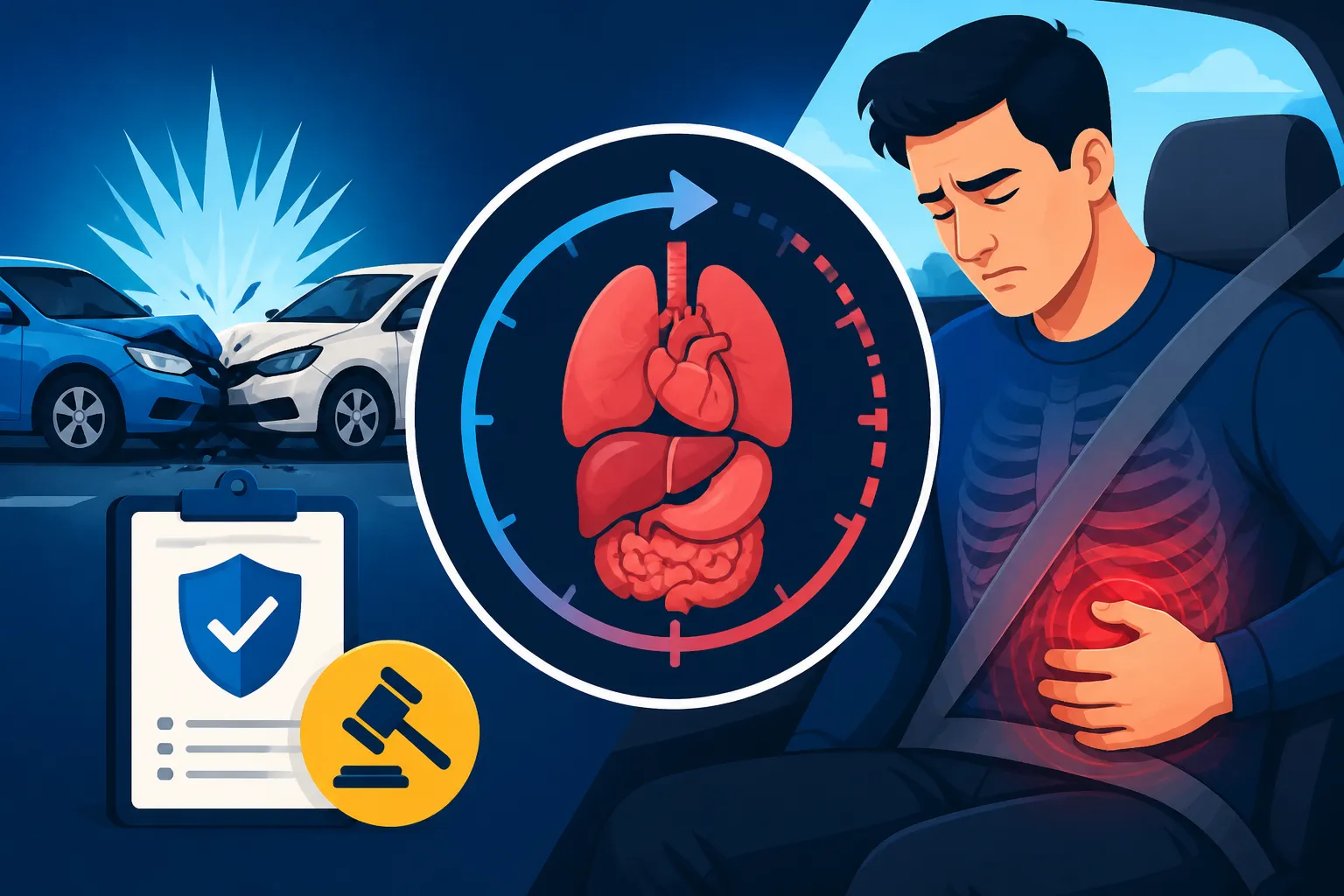
The primary concern with internal injuries is their hidden nature. Unlike a broken arm or a visible laceration, internal damage to organs, blood vessels, or soft tissues can manifest subtly at first, or even remain asymptomatic until a critical point. This makes them incredibly difficult to detect without proper medical evaluation, such as diagnostic imaging like CT scans or MRIs. The delayed onset of symptoms can trick both victims and sometimes even medical professionals into underestimating the severity of the trauma. For instance, a slow internal bleed might not cause noticeable issues until a significant amount of blood loss has occurred, leading to shock or organ failure. This uncertainty about what's truly going on inside can be incredibly stressful and prolong the healing process unnecessarily if not addressed promptly.
Types of Internal Injuries Often Seen in Car Accidents
Car accidents, especially high-impact collisions, can subject the body to immense forces, leading to a variety of internal injuries. Some common examples include:
- Internal Bleeding: This is perhaps one of the most dangerous, occurring when blood vessels rupture within the body, often without external signs. It can happen in the abdomen, chest, or around organs.
- Organ Damage: Vital organs like the spleen, liver, kidneys, lungs, heart, or intestines can be bruised, torn, or ruptured. A ruptured spleen, for example, is a life-threatening emergency.
- Fractured Ribs: While not strictly "internal" in the sense of organs, broken ribs can pierce lungs, leading to conditions like pneumothorax (collapsed lung) or hemothorax (blood in the chest cavity), which are very much internal concerns.
- Soft Tissue Damage to Internal Structures: This isn't just about whiplash in your neck. It can involve severe bruising or tearing of ligaments, tendons, and muscles within the torso, leading to deep internal pain and dysfunction.
- Diaphragmatic Rupture: A less common but severe injury where the diaphragm, the muscle separating the chest and abdomen, tears, potentially allowing abdominal organs to move into the chest cavity.
Understanding the potential for these silent dangers highlights why comprehensive medical evaluation is non-negotiable after any significant impact.
The Immediate Aftermath: Seeking Medical Attention
I cannot stress this enough: always, always seek medical attention immediately after a car accident, even if you feel fine. This isn't just about protecting your health; it's also about protecting any potential car accident claim you might need to make. Adrenaline can mask pain and symptoms, giving you a false sense of security. What seems like a minor ache could be the early sign of a life-threatening internal hemorrhage or organ damage.
When you get to the emergency room, be explicit about the accident. Don't downplay your symptoms. Describe the impact, your position in the car, and any discomfort, no matter how minor it seems. Doctors need this information to guide their diagnostic efforts. They might order X-rays, CT scans, ultrasounds, or blood tests specifically looking for internal injuries. Early diagnosis is absolutely critical, not only for your physical recovery but also for establishing a clear link between the accident and your injuries, which is vital for your How to Prove the Other Driver Was at Fault and subsequent settlement.
Factors Influencing Internal Injury Healing Timelines
Just like a bruise on your arm heals differently from a broken bone, the recovery time for internal injuries varies dramatically. There’s no one-size-fits-all answer, and many factors play a role in how long it will take for your body to mend. It's a complex interplay of your body's resilience, the nature of the trauma, and the care you receive.
Severity and Type of Injury
This is, understandably, the biggest factor. A minor bruise on an organ will heal far quicker than a complete rupture requiring extensive surgery. For example, a small liver laceration might simply be monitored, potentially healing within a few weeks to a couple of months with rest. In contrast, a severe splenic rupture that necessitates surgical removal (splenectomy) will involve a longer hospital stay, a recovery period of several months, and potentially lifelong considerations for your immune system.
The type of tissue involved also matters. Soft tissues like muscle or fat generally heal faster than highly vascular organs or complex structures like the diaphragm. Furthermore, the presence of internal bleeding, especially if it's ongoing, significantly complicates and prolongs the healing process, often requiring immediate surgical intervention to stop the bleed before the body can even begin to repair the damaged tissues.
Individual Health and Age
Your personal health profile is a major determinant in how quickly and effectively your body can heal from trauma. A young, healthy individual with no underlying conditions typically has a robust healing response. Their body is generally more efficient at repairing damaged tissues, fighting off infection, and recovering from surgical procedures.
Conversely, older individuals or those with pre-existing health issues may face a more challenging and prolonged recovery. Conditions like diabetes, heart disease, or compromised immune systems can impair the body's healing capabilities, increase the risk of complications, and slow down recovery times. For example, someone with chronic obstructive pulmonary disease (COPD) who suffers fractured ribs and lung bruising might face a much longer and more complicated recovery due to pre-existing respiratory challenges. Nutrition also plays a crucial role; a well-nourished body has the resources it needs for tissue repair.
Quality and Timeliness of Medical Treatment
The phrase "time is tissue" is especially true for internal injuries. The quicker you receive an accurate diagnosis and appropriate medical intervention, the better your chances for a faster and more complete recovery. For instance, if a ruptured appendix (rare in car accidents, but illustrative of organ damage) is identified and surgically addressed within hours, the recovery is generally straightforward. If left untreated for days, it can lead to peritonitis, a severe infection of the abdominal cavity, transforming a relatively simple recovery into a life-threatening ordeal with a much longer, more complex healing path.
The quality of care, from the emergency responders to the surgeons, nurses, and physical therapists, also significantly impacts outcomes. Access to specialized trauma centers, skilled surgeons, and comprehensive post-operative care can make a world of difference in your healing trajectory. This is why it's so important to properly document every step of your medical treatment, as outlined in guides like What to Do After a Car Accident: Step-by-Step (2027) and How to Prove Injuries in a Car Accident Claim.
Lifestyle and Adherence to Treatment
Once released from immediate hospital care, your active participation in your recovery becomes paramount. Adhering to your doctor's instructions—taking medications as prescribed, attending follow-up appointments, engaging in physical therapy, and avoiding activities that could re-injure you—is absolutely crucial.
Ignoring medical advice, pushing yourself too hard, or failing to attend rehabilitation sessions can significantly delay healing or even lead to complications. For example, a patient recovering from a lung contusion who ignores instructions to avoid strenuous activity might develop pneumonia or further lung complications. Smoking and excessive alcohol consumption are also known to impair healing. While it’s hard when you're dealing with the stress of an accident, maintaining a healthy diet, staying hydrated, and getting adequate rest all contribute to your body's ability to repair itself effectively.
Healing Timelines for Specific Internal Injuries
Because internal injuries vary so widely in nature and severity, their healing timelines are equally diverse. Let's break down some common types of internal injuries and what kind of recovery periods you might realistically expect.
Internal Bleeding and Organ Damage
Internal bleeding is often the most urgent concern following a car accident. If it's severe, it requires immediate surgical intervention to stop the hemorrhage. The recovery time then depends on the organ affected and the extent of the repair or removal.
- Spleen or Liver Lacerations/Ruptures:
- Minor (Grade I-II): Many minor lacerations can heal with conservative management (bed rest, close monitoring) over 4-8 weeks. Patients will likely be restricted from strenuous activity for several months to prevent re-bleeding.
- Moderate to Severe (Grade III-V) or Ruptures: If surgery is required (e.g., splenectomy, liver repair), immediate post-op recovery in the hospital could be 1-2 weeks. Full recovery, including regaining strength and returning to normal activities, can take anywhere from 3-6 months, sometimes longer, especially if there were complications or extensive damage. A splenectomy, for instance, requires lifelong precautions due to immune system changes.
- Kidney Trauma:
- Minor Bruising/Contusion: Typically heals with rest over 2-4 weeks.
- Lacerations/More Severe Trauma: May require several months for full recovery, with careful monitoring of kidney function. Surgical repair or, in rare severe cases, removal, would extend recovery significantly to 3-6 months or more, with ongoing medical management.
The key with organ damage is the potential for long-term functional impairment, even after the initial healing period. Regular follow-up with specialists will be essential to monitor organ function and address any lingering issues.
Fractured Ribs and Lung Trauma
Broken ribs are incredibly painful and common in car accidents due to seatbelt forces or impact with the steering wheel. While the bones themselves usually knit, the associated lung issues are the real internal concern.
- Simple Fractured Ribs (uncomplicated): The pain is often most intense for the first 2-3 weeks, gradually subsiding over 6-8 weeks. Full bone healing can take 3-6 months. During this time, deep breathing can be excruciating, increasing the risk of pneumonia.
- Pneumothorax (Collapsed Lung) or Hemothorax (Blood in Chest Cavity): If a fractured rib punctures a lung, air or blood can accumulate in the chest cavity, causing the lung to collapse. This often requires a chest tube insertion to re-inflate the lung and drain fluid. Hospital stays can range from a few days to a week. The lung itself can take several weeks to a few months to fully recover and regain function. Follow-up imaging will be needed to ensure complete resolution. Full recovery, including returning to physical activities, might take 3-6 months, with careful monitoring of respiratory function.
It’s a misconception that there's not much to do for broken ribs, but pain management and careful monitoring for lung complications are crucial for proper healing.
Abdominal and Pelvic Injuries
Injuries to the intestines, bladder, or major blood vessels in the abdomen and pelvis are extremely serious and almost always require immediate surgical intervention.
- Intestinal Rupture or Perforation: These are medical emergencies requiring urgent surgery to repair or remove damaged sections of the intestine. Hospital stays can be prolonged, often 1-3 weeks or more, depending on complications like infection (peritonitis). Full recovery, including diet modification and regaining normal bowel function, can take 3-6 months or longer. Some individuals may require a temporary or permanent colostomy/ileostomy.
- Bladder Rupture: Also a surgical emergency, typically repaired promptly. Hospitalization usually lasts a few days to a week. A catheter may be needed for several weeks. Full recovery for bladder function can take 2-4 months, but some individuals might experience long-term issues with bladder control.
- Vascular Injuries (e.g., Aorta, Iliac Arteries): Damage to major blood vessels in the abdomen or pelvis is extremely high-risk and requires immediate, complex vascular surgery. The survival rate can be low. For those who survive, the initial recovery is typically in intensive care, followed by a long hospital stay. Full recovery is often measured in many months to a year or more, with potential for lifelong medical management, blood thinners, and restricted activity.
These types of injuries carry a high risk of complications, including infection, adhesions, and long-term functional impairment, making the recovery journey particularly challenging.
Soft Tissue Damage to Internal Structures
Beyond organ damage, the sheer force of a collision can cause significant bruising, tearing, or stretching of the muscles, ligaments, and connective tissues deep within the torso. While not as immediately life-threatening as internal bleeding, these injuries can be incredibly painful and debilitating, leading to chronic issues if not properly addressed.
- Severe Muscle Contusions/Hematomas (deep bruising): Deep tissue bruising and collections of blood (hematomas) in the abdominal or chest wall muscles can take 4-8 weeks to resolve. Larger hematomas may require drainage, which can extend recovery. Physical therapy might be needed to restore full range of motion and strength.
- Ligament/Tendon Strains within the Torso: Similar to sprains in other parts of the body, severe strains of ligaments supporting the spine or internal organs can take 8-12 weeks or longer to heal. These often require a dedicated physical therapy regimen to strengthen surrounding muscles and improve stability. Chronic pain can sometimes persist if not managed effectively.
- Diaphragmatic Tears: A tear in the diaphragm muscle (which separates the chest and abdomen) is a severe injury usually requiring surgical repair. Post-surgery, recovery can be extensive, taking 3-6 months or more to fully regain respiratory and core strength. Complications like hernia of abdominal organs into the chest can occur if not repaired promptly.
These injuries, while not always visible on standard scans, can be a major source of ongoing pain and limited mobility, underscoring the importance of comprehensive diagnosis and tailored rehabilitation plans.
Here's a simplified table summarizing typical healing timelines for various internal injuries after a car accident:
| Type of Internal Injury | Initial Acute Phase | Primary Healing Phase | Full Recovery (approx.) | Potential Complications |
|---|---|---|---|---|
| Minor Organ Laceration (e.g., Liver, Spleen) | Days – 1 week | 4-8 weeks | 2-4 months | Re-bleeding, infection, chronic pain |
| Severe Organ Rupture (Surgical Repair) | 1-3 weeks (hospital) | 2-4 months | 6-12 months | Organ dysfunction, lifelong management (e.g., splenectomy) |
| Simple Fractured Ribs | 2-3 weeks (most painful) | 6-8 weeks (bone knitting) | 3-6 months | Pneumonia, chronic pain, non-union |
| Collapsed Lung (Pneumothorax/Hemothorax) | 1-2 weeks (hospital/drain) | 1-3 months | 3-6 months | Residual lung scarring, recurrent collapse |
| Intestinal/Bladder Rupture (Surgical) | 1-3 weeks (hospital) | 3-6 months | 6-12+ months | Infection, adhesions, bowel obstruction, bladder dysfunction |
| Deep Muscle Contusion/Hematoma | 1-2 weeks | 4-8 weeks | 2-4 months | Chronic pain, calcification, nerve entrapment |
| Diaphragmatic Tear (Surgical) | 1-2 weeks (hospital) | 3-6 months | 6-12 months | Herniation of organs, respiratory issues, chronic pain |
Note: These timelines are general estimates and can vary significantly based on individual factors and the exact nature of the injury.
Navigating the Recovery Process and Potential Complications
The path to recovery from internal injuries after a car accident is rarely a straight line. It's often a complex journey involving various medical professionals, ongoing therapy, and a lot of patience. Understanding what to expect and how to advocate for your own health is vital. This can be one of the most frustrating aspects of recovering from a car accident, especially when dealing with the claims process, as explored in Car Accident Claim Timeline: What to Expect.
Rehabilitation and Long-Term Care
Once the immediate, life-threatening aspects of your internal injuries are addressed, the focus shifts to rehabilitation. This can be a long and arduous process, but it's essential for regaining function and preventing long-term disability.
- Physical Therapy: For many internal injuries, especially those involving the chest wall, abdomen, or spine, physical therapy is crucial. Therapists help you regain strength, flexibility, and range of motion. They also teach you how to move safely to prevent re-injury and manage pain. Depending on the injury, this could last for several weeks to many months, or even a year for very severe cases.
- Occupational Therapy: If your injuries impact your ability to perform daily tasks like dressing, cooking, or working, occupational therapy can provide strategies and tools to help you adapt and regain independence.
- Pain Management: Chronic pain is a very real possibility after severe internal trauma. You might work with pain specialists who can offer various treatments, from medication and injections to nerve blocks or alternative therapies, to help manage discomfort during and after healing.
- Specialist Follow-Ups: Expect regular check-ups with surgeons, internal medicine specialists, or specific organ specialists (e.g., nephrologists for kidney injury, pulmonologists for lung trauma) to monitor your healing progress and long-term organ function. This could involve repeat imaging or blood tests.
These long-term care needs can significantly impact your life, and it’s important to understand how they contribute to the overall How Much Is My Car Accident Settlement Worth? calculation.
Recognizing Delayed or Lingering Symptoms
It's a common misconception that once you're discharged from the hospital, you're "cured." The reality is, many internal injuries can have delayed symptoms or lead to lingering issues that persist long after the initial trauma. Things like persistent abdominal pain, changes in bowel habits, difficulty breathing, chronic fatigue, or even psychological symptoms like anxiety and PTSD are not uncommon. For example, some individuals who suffer from a diaphragm injury might experience chronic digestive issues or shortness of breath.
Never dismiss new or worsening symptoms as "just part of healing." Always report them to your doctor. It could indicate a complication like an infection, an adhesion forming from surgery, or a functional issue with an injured organ that requires further investigation. Being proactive about your health and maintaining open communication with your medical team is paramount. The guide on Delayed Injury Symptoms After a Car Accident offers more insight into this often-overlooked aspect of recovery.
The Importance of Documenting Your Recovery Journey
Throughout your recovery, from the immediate aftermath of the crash to your long-term rehabilitation, meticulous documentation is your best friend. This is not just for your medical care, but also for any potential legal or insurance claims.
Keep a detailed record of:
- All medical appointments, diagnoses, and treatments.
- Prescriptions, over-the-counter medications, and supplements you take.
- Physical therapy sessions and your progress.
- Any symptoms you experience, their severity, and how they impact your daily life.
- Days missed from work or school.
- Receipts for medical bills, transportation to appointments, and any other related expenses.
This comprehensive record provides a clear, chronological history of your injuries and recovery, which is invaluable when dealing with insurance adjusters or pursuing compensation for your damages. It helps to illustrate the full extent of your pain and suffering, as well as your economic losses. If the other driver's insurance company tries to blame you, having detailed documentation will be crucial in proving your case. Remember, information is power, especially when navigating something as complex as a car accident claim.
Disclaimer
This article is for general informational purposes only and does not constitute professional advice. Laws and regulations vary by location and change over time. Consult a qualified professional for guidance on your specific situation.