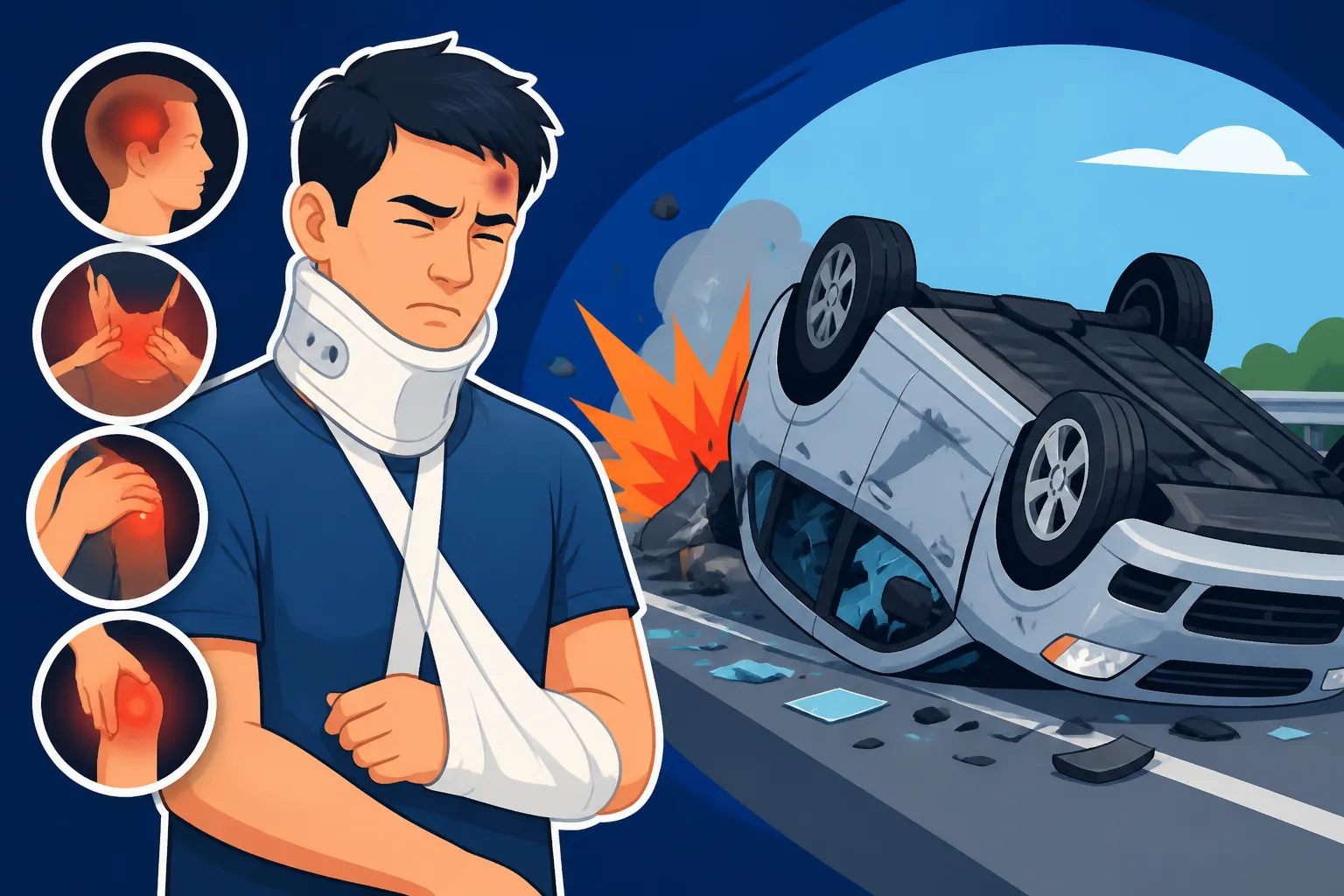
Common Injuries From a Rollover Accident
The moment your vehicle loses control and begins to roll, a cascade of terrifying events unfolds. The world turns upside down, glass shatters, metal shrieks, and your body is violently tossed and slammed against the interior, experiencing forces it was never designed to withstand. This disorientation and brutal impact can lead to a host of complex, often severe, and sometimes hidden injuries. This guide will walk you through the most common injuries sustained in a rollover accident, helping you understand what to look for and why immediate medical attention is so critical.
Understanding the Violent Nature of Rollover Accidents
Rollover accidents are inherently different from other types of collisions. Instead of a single impact point, victims experience multiple impacts as the vehicle tumbles, spins, and crushes. This unique dynamic dramatically increases the risk and severity of injuries compared to a standard fender bender or even a head-on crash. It’s not just about a sudden stop; it’s about being thrown around inside a rapidly deforming metal box.
The Dynamics of Vehicle Tumbles
When a vehicle rolls over, whether it's a sudden trip caused by hitting a curb, a soft-shoulder rollover from overcorrecting, or a high-speed maneuver, the forces at play are immense and unpredictable. Think about a vehicle like an SUV or truck with a higher center of gravity; these can be particularly susceptible to rolling over, especially if they swerve sharply or are hit on the side. The vehicle might roll once, or it might tumble several times, each rotation introducing new points of impact and fresh trauma to its occupants.
During these tumbles, your body is subjected to a terrifying combination of centrifugal force, direct impact, and crushing weight. You might be thrown against the roof, the side pillars, the dashboard, or even other occupants. Seatbelts are vital, of course, but even with them, your body can still be jolted violently within the confines of the vehicle, leading to significant strain and contusions. The sheer G-forces involved can be disorienting and cause internal structures to shift or tear.
Why Rollovers Are So Dangerous
The danger in a rollover isn't just the initial impact that causes the roll; it's the continuous, chaotic motion that follows. Unlike a stationary object collision, where forces are largely directed along one axis, a rollover involves multi-directional impacts, crushing forces, and even partial ejection in some cases if restraints fail or are not worn properly. This leads to a wider array of injury types affecting multiple body systems simultaneously. The roof of the vehicle might collapse, side windows shatter, and objects inside the car become dangerous projectiles.
Another critical factor is that the human body isn't designed to withstand these types of forces. Our skeletal structure and soft tissues are generally strong when subjected to force along their natural lines of support, but sudden, twisting, shearing, and compressive forces from every direction can cause widespread damage. It’s why even seemingly minor aches after a rollover should never be dismissed; the complexity of the impact means underlying issues could be far more serious than they appear.
Critical Head, Neck, and Spinal Injuries
Given the violent, multi-directional forces at play, the head, neck, and spine are incredibly vulnerable in rollover accidents. These are often the areas that absorb the brunt of impacts, leading to some of the most severe and life-altering injuries. Recognizing these promptly is paramount.
Traumatic Brain Injuries and Concussions
The head is particularly susceptible in a rollover. When your head strikes the roof, side pillar, or dashboard repeatedly, or even if your brain sloshes violently within your skull, the potential for a Traumatic Brain Injury TBI From a Car Accident is very high. Concussions, a mild form of TBI, are incredibly common. You might not even lose consciousness, making it easy to underestimate the severity. Symptoms can range from immediate headaches, dizziness, and confusion to delayed issues like memory problems, mood swings, and light sensitivity that appear days or even weeks later. It's crucial to seek medical evaluation for any head impact, even if you feel mostly okay initially.
More severe TBIs involve actual structural damage to the brain, such as bruising, bleeding, or tearing of brain tissue. These can lead to long-term cognitive, physical, and emotional impairments. The sheer violence of a rollover can cause diffuse axonal injury (DAI), where the brain's nerve fibers are sheared as the brain rotates and shifts inside the skull. This type of injury can be particularly insidious and difficult to diagnose immediately, yet it often carries profound consequences.
| TBI Severity | Symptoms & Characteristics | Potential Outcomes |
|---|---|---|
| Mild (Concussion) | Brief loss of consciousness (seconds to minutes), confusion, headache, dizziness, nausea, memory problems, light/noise sensitivity. | Most recover fully within weeks/months, but some experience persistent post-concussion syndrome. |
| Moderate | Loss of consciousness (minutes to hours), prolonged confusion, neurological deficits (weakness, speech issues), imaging may show structural changes. | Significant recovery possible, but often with residual cognitive, physical, or emotional challenges. |
| Severe | Prolonged loss of consciousness (coma), extensive structural brain damage, significant neurological deficits. | Often results in permanent disabilities, requiring extensive rehabilitation and lifelong care. |
Whiplash and Other Neck Injuries
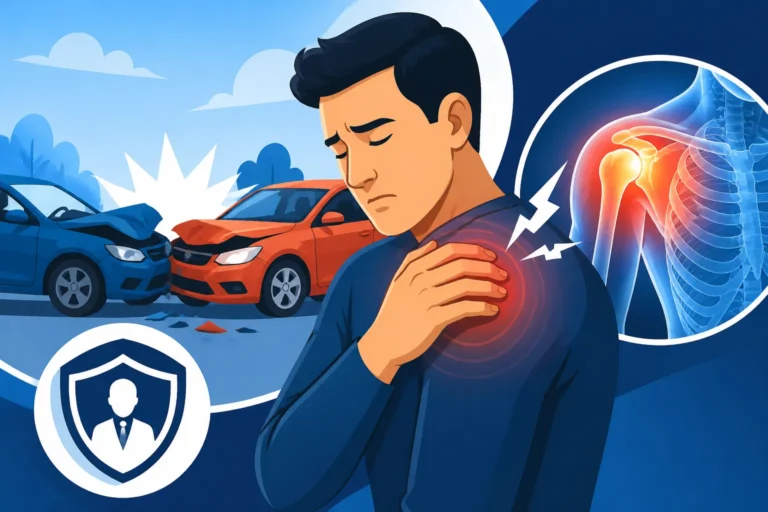
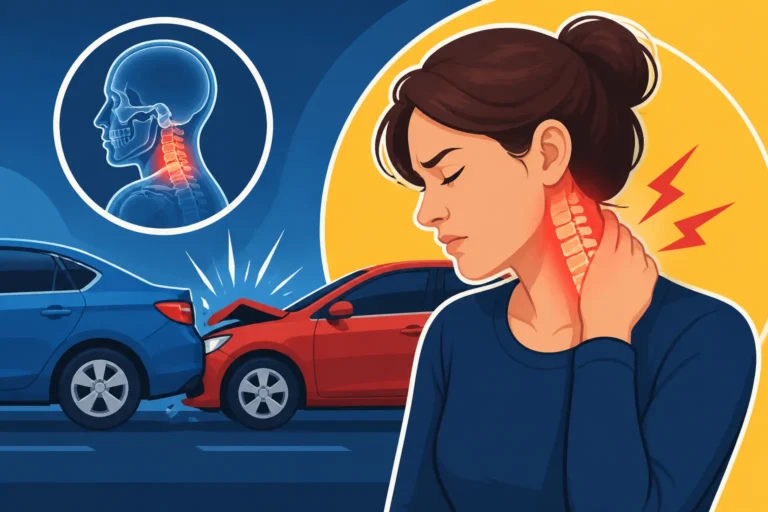
The neck is often violently whipped back and forth, and from side to side, during the chaotic motion of a rollover. This hyperextension and hyperflexion can cause a classic What Is Whiplash? Symptoms, Treatment & Claims injury. Whiplash isn't just a minor neck strain; it can involve damage to the muscles, ligaments, tendons, and even the discs in your cervical spine. The symptoms, like neck pain, stiffness, headaches, shoulder pain, and limited range of motion, might not appear until hours or even days after the accident.
Beyond whiplash, the neck can sustain more serious injuries such as fractures of the cervical vertebrae or severe disc damage. Imagine your body being held by the seatbelt while your head is thrown against the roof or window; the stress on the neck is immense. Such injuries can lead to chronic pain, nerve compression, and in the most severe cases, partial or complete paralysis. Doctors will often order X-rays, CT scans, or MRI scans to thoroughly evaluate the extent of these injuries, which is vital for proper diagnosis and treatment.
Spinal Cord and Back Injuries
The entire spinal column is at risk in a rollover. The sudden, rotational, and compressive forces can lead to serious Spinal Cord Injury From a Car Accident or other significant back injuries. Fractured vertebrae, herniated discs, or even dislocations in the thoracic (mid-back) or lumbar (lower back) regions are all too common. A Herniated Disc From a Car Accident, for instance, occurs when the soft cushioning discs between your vertebrae rupture or bulge, putting pressure on nearby nerves. This can result in excruciating pain, numbness, tingling, and weakness radiating down your arms or legs.
A spinal cord injury, however, is a catastrophic event. If the spinal cord itself is damaged, it can disrupt communication between the brain and the body, leading to varying degrees of paralysis, loss of sensation, and organ dysfunction. The immediate symptoms of a severe spinal injury might include intense back pain, muscle weakness, numbness, or difficulty moving limbs. Even if you can move immediately after the crash, internal bleeding or swelling can put delayed pressure on the spinal cord, leading to symptoms that worsen over time. This underscores the importance of a comprehensive medical evaluation after a rollover, ensuring that every part of your spine is checked.
Internal, Chest, and Abdominal Injuries
While external cuts and bruises are immediately visible, some of the most life-threatening injuries from a rollover accident are hidden inside the body. The forces involved can cause significant trauma to internal organs, often without obvious external signs until it's too late.
Organ Damage and Internal Bleeding
The sudden deceleration and violent impacts in a rollover can cause organs to collide with the inside of the body cavity or even rupture. Organs like the liver, spleen, kidneys, and lungs are particularly vulnerable. For example, a severe impact to the abdomen can cause a splenic rupture or liver laceration, leading to rapid and dangerous internal bleeding. Similarly, a blow to the chest could lead to a collapsed lung (pneumothorax) or cardiac contusion. These conditions can be incredibly serious and require immediate surgical intervention.
The insidious nature of internal bleeding is that it often presents with subtle symptoms that are easy to overlook in the chaos following an accident. You might feel a dull ache, experience unusual fatigue, or simply feel "off." Yet, without prompt medical attention, internal bleeding can lead to shock and be fatal. This is why paramedics and emergency room doctors are trained to look for these often-silent killers in accident victims, especially after high-impact events like rollovers.
Broken Ribs and Chest Trauma
The chest is highly exposed to impact from the steering wheel, dashboard, or side panels during a rollover. Broken Bones and Fractures in Car Accidents, especially of the ribs, are common. While a single broken rib can be excruciatingly painful and limit breathing, multiple broken ribs (a "flail chest") are far more dangerous, as they can impair lung function and even puncture the lungs. The sternum (breastbone) can also fracture from seatbelt impact or direct force.
Beyond fractures, chest trauma can include contusions to the heart or lungs. A pulmonary contusion (bruised lung) can lead to difficulty breathing and pneumonia. A cardiac contusion (bruised heart) can disrupt the heart's rhythm and pumping ability, a condition that might not manifest with severe symptoms until hours after the crash. Anyone experiencing chest pain, shortness of breath, or coughing up blood after a rollover needs urgent medical evaluation. These injuries can sometimes be more serious than they initially appear, evolving rapidly from uncomfortable to critical.
Extremity Injuries and Other Concerns
Beyond the immediate life-threatening injuries to the head, spine, and internal organs, rollover accidents can also cause a range of other debilitating injuries to the limbs and mental well-being. These can significantly impact a victim's quality of life and require extensive recovery.
Fractures, Lacerations, and Burns
The extremities – arms, legs, hands, and feet – are often violently twisted, crushed, or slammed during a rollover. This makes Broken Bones and Fractures in Car Accidents very common. Simple fractures, where the bone is broken but the skin is intact, can occur, but complex or compound fractures (where the bone breaks through the skin) are also possible, especially with the vehicle's deformation. Limbs can be trapped, leading to crush injuries that damage muscle, nerves, and blood vessels.
Lacerations, or deep cuts, are almost inevitable from shattering glass, sharp metal edges, and debris. These cuts can range from minor to severe, sometimes requiring stitches, skin grafts, or carrying a risk of infection. Burns can also occur from hot fluids, deployed airbags, or friction against surfaces during the vehicle's motion. While seemingly less severe than internal injuries, these can still lead to long-term scarring, pain, and functional limitations, often requiring plastic surgery and rehabilitation.
Post-Traumatic Stress Disorder and Emotional Distress
The physical injuries from a rollover accident are often accompanied by profound psychological trauma. The sheer terror, disorientation, and feeling of helplessness during a rollover can leave deep emotional scars. Many victims experience PTSD and Emotional Distress After a Car Accident, a debilitating condition that can manifest as flashbacks, nightmares, anxiety, avoidance behaviors, and hyper-vigilance. Even those who don't develop full-blown PTSD might struggle with anxiety when driving, fear of being in a car, or general emotional distress.
These invisible wounds are just as real and impactful as physical injuries and require professional intervention. A person might find themselves unable to work, socialize, or even sleep properly due to the emotional aftermath. It’s important to remember that seeking psychological support is a sign of strength, not weakness, and is an integral part of the healing process after such a traumatic event. Always remember that both your physical and mental well-being are valid concerns that deserve thorough evaluation and treatment.
The Importance of Prompt Medical Attention and Documentation
After a rollover accident, the immediate aftermath is often a blur of adrenaline and shock. You might not feel the full extent of your injuries right away, and that's perfectly normal. Many severe symptoms, particularly those related to head, neck, and internal injuries, can be delayed. This is precisely why seeking immediate medical attention, even if you feel "fine," is not just recommended, but absolutely crucial.
Why See a Doctor Immediately
Adrenaline is a powerful pain masker. In the moments and hours following a traumatic event like a rollover, your body's fight-or-flight response kicks in, dulling pain and making you feel more resilient than you actually are. What feels like a minor ache in your neck could be the early sign of Delayed Injury Symptoms After a Car Accident, such as a herniated disc, or a mild headache could be a growing hematoma in your brain. Internal bleeding or organ damage can progress silently, becoming life-threatening before you even realize the severity.
A medical professional can perform a thorough examination, including diagnostic imaging like X-rays, CT scans, or MRIs, to identify hidden injuries that you can't see or feel. For instance, a doctor can detect a hairline fracture in your spine or a subtle tear in a ligament that might not cause intense pain until days later. Ignoring these early signs can lead to long-term complications, prolonged recovery, or even permanent disability. Furthermore, establishing a direct link between the accident and your injuries starts with your first medical visit. This immediate medical record is vital not just for your health, but also for any potential car accident claim. As we've discussed, injuries can be complex and expensive to treat, so documenting their origin is key.
Documenting Your Injuries for Your Claim
Beyond immediate treatment, consistent and thorough medical documentation is paramount for any car accident claim. When you're trying to How to Prove Injuries in a Car Accident Claim, your medical records become your strongest evidence. Every visit, every diagnosis, every prescribed medication, and every therapy session needs to be meticulously recorded. This creates a clear timeline of your injuries, their treatment, and their impact on your life.
Remember, insurance companies often look for gaps in treatment or inconsistencies in your reporting to try and minimize the value of your claim. By diligently following your doctor's recommendations, attending all appointments, and being open and honest about your symptoms, you build a robust record. Keep a pain journal, detailing your daily symptoms, limitations, and how your injuries affect your daily activities. This personal account, combined with detailed How Medical Records Prove Your Injuries, provides a comprehensive picture of your suffering and losses. This documentation is essential whether you're dealing with a mild whiplash case, for which you might be curious about an Average Settlement for Whiplash, or a more severe issue like a Average Settlement for a Herniated Disc, which can require extensive and costly long-term care.
Disclaimer
Please remember that this article is intended for informational purposes only and does not constitute legal or medical advice. Every car accident and injury is unique. You should always consult with qualified medical professionals for diagnosis and treatment of any injuries, and with an experienced legal professional for advice regarding your specific car accident claim.