Common Injuries From a Highway Accident
Being involved in a highway accident is a terrifying, sudden event that can leave you shaken, confused, and often, seriously injured. Unlike fender benders in a parking lot, the high speeds involved in freeway collisions mean the forces impacting your body are immense, leading to a host of potentially life-altering physical and psychological traumas. This guide aims to thoroughly explore the most common injuries you might face after a highway accident, helping you understand what to look for and why immediate medical attention is absolutely crucial.
Why Highway Accidents Are So Dangerous for Your Body
Highway accidents stand apart from other types of collisions primarily due to the speed at which they occur. When vehicles collide at 55, 65, or even 80 miles per hour, the kinetic energy involved is staggering. This energy has to go somewhere, and unfortunately, a significant portion of it is absorbed by the vehicle's occupants, leading to far more severe and complex injuries than a low-speed impact.
High Speed, High Impact
Imagine the force of suddenly stopping your car from 70 mph in less than a second. That's essentially what happens in a highway crash. Your body continues to move forward at the original speed until it's violently stopped by the seatbelt, airbag, or interior components of the car. This sudden, brutal deceleration causes internal organs to strike against bones and tissues, and your head and limbs can be flung around with incredible force. Even with modern safety features like airbags and robust vehicle structures, the sheer physics of high-speed impacts make serious injury highly probable. The crumple zones in a car are designed to absorb energy, but they can only do so much when the impact is massive. The difference between a 20 mph crash and a 60 mph crash isn't just three times the speed; it's many times the kinetic energy, leading to exponential increases in injury potential.
Multi-Vehicle Collisions and Chain Reactions
Another terrifying aspect of highway accidents is the increased likelihood of multi-vehicle collisions and chain reactions. One initial impact, often involving just two vehicles, can quickly escalate. Other drivers, traveling at high speeds behind the initial crash, may not have enough time or space to react, leading to successive collisions. This means you might suffer an initial impact, only to be hit again from the side or behind moments later. Each subsequent impact introduces new forces and directions of trauma, complicating the types of injuries sustained and often exacerbating existing ones. For instance, a vehicle rear-ended at high speed might then be pushed into the path of oncoming traffic, resulting in a secondary side-impact or even a head-on collision. Trying to determine Who Is at Fault in a Multi-Car Pileup? can become incredibly complex under these circumstances, as multiple parties and impacts are involved. The chaos of a multi-car pileup also makes it harder for emergency services to reach victims quickly, potentially worsening outcomes for those with critical injuries.
Common Physical Injuries Sustained in Highway Crashes
The human body simply isn't designed to withstand the forces generated in high-speed collisions. As a result, highway accidents frequently lead to a range of severe and often life-threatening injuries across various parts of the body.
Head, Neck, and Spinal Cord Injuries
These are among the most critical injuries, given their potential for long-term disability and impact on quality of life.
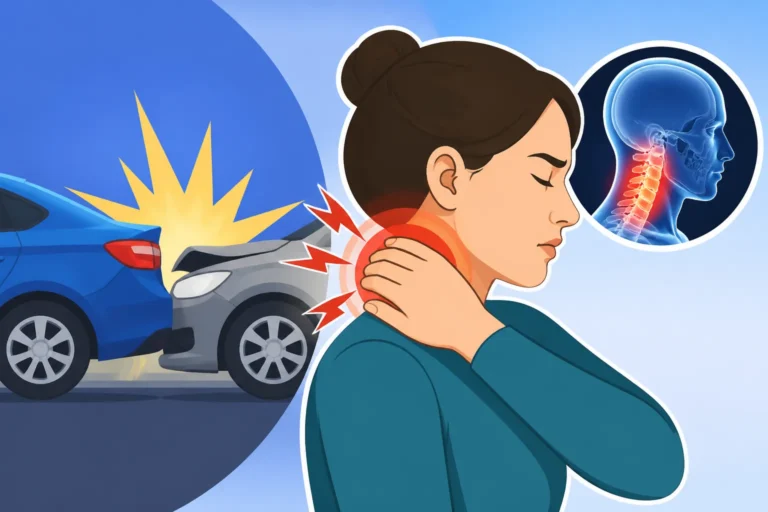
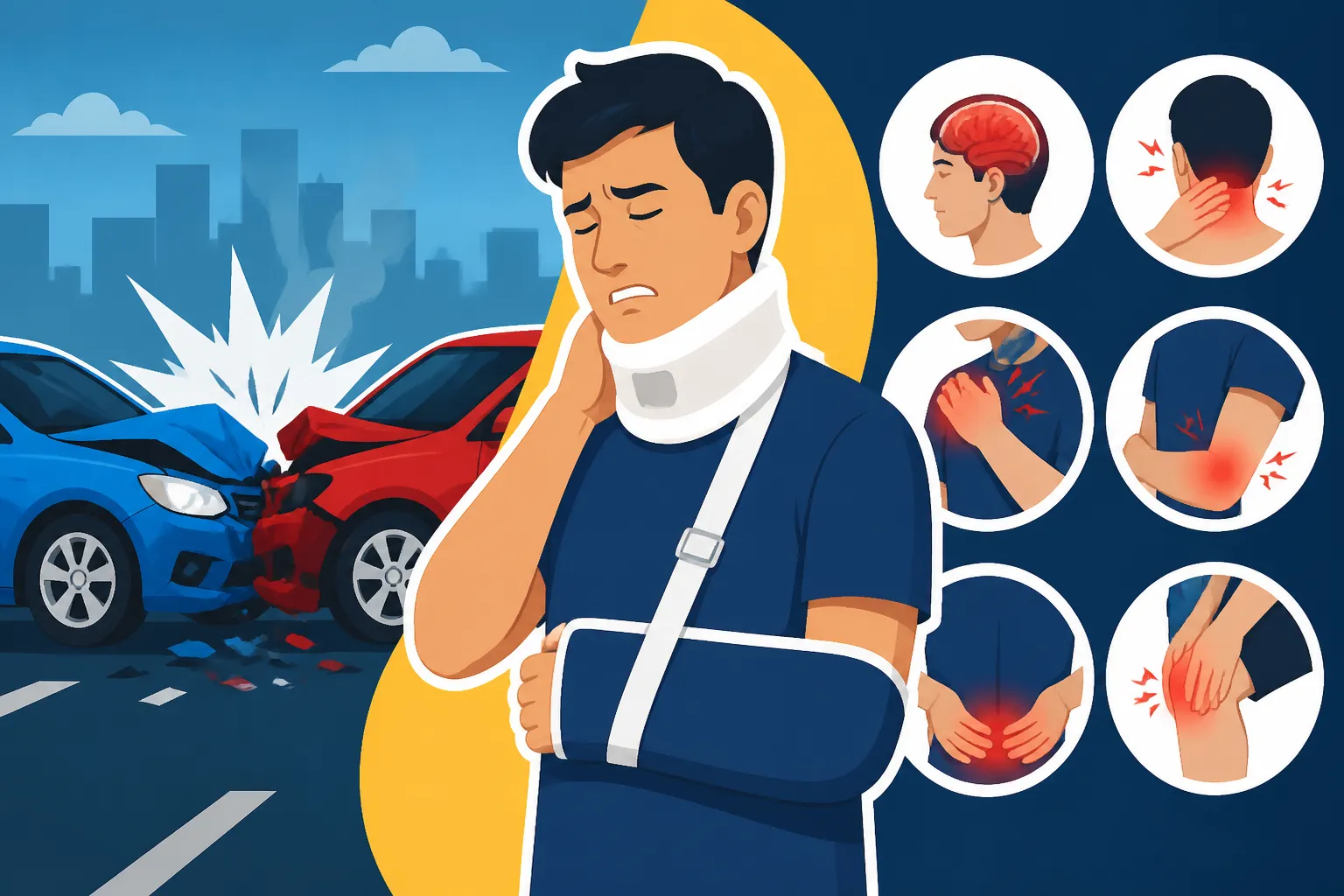
- Whiplash: Even if your head doesn't directly hit anything, the violent back-and-forth motion of your neck during an impact can cause severe soft tissue damage, known as whiplash. This isn't just a "minor neck strain"; it can involve torn ligaments, muscle damage, and nerve impingement. Symptoms often include neck pain, stiffness, headaches, dizziness, and even vision problems. You can learn more about Whiplash Symptoms After a Car Accident to understand the full spectrum of what to expect. This injury often develops over hours or days, making it tricky to diagnose immediately after the crash.
- Concussions and Traumatic Brain Injuries (TBI): Your brain, a soft organ, can slosh around inside your skull during a high-speed impact, even without direct head trauma. This can lead to a concussion, a mild form of TBI. More severe impacts, where your head hits the steering wheel, dashboard, or window, can result in moderate to severe Traumatic Brain Injury TBI From a Car Accident. Symptoms range from headaches, dizziness, and confusion to loss of consciousness, memory problems, and personality changes. TBIs can have devastating long-term consequences, affecting cognitive function, motor skills, and emotional regulation.
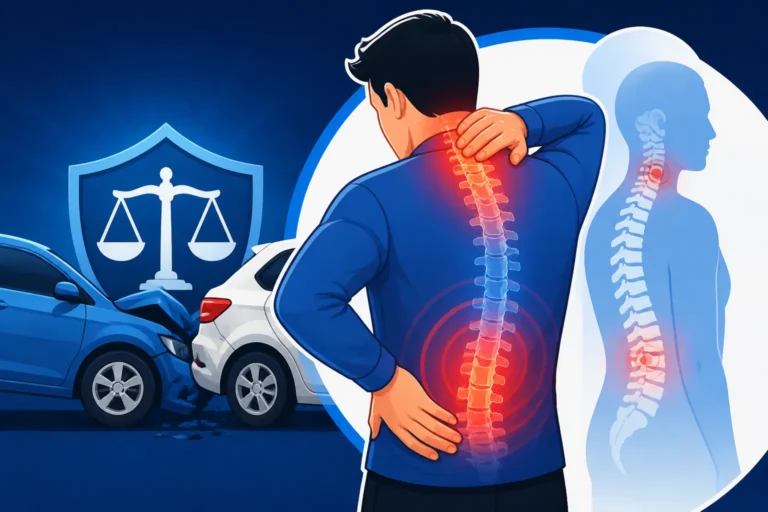
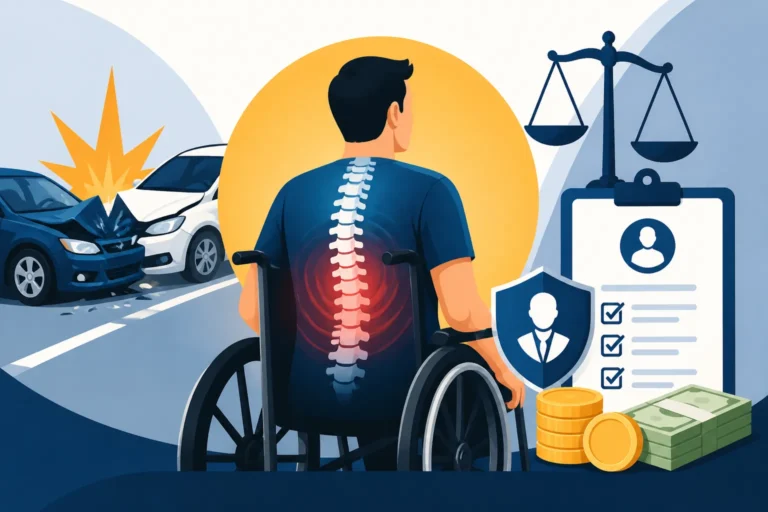
- Herniated Discs and Spinal Cord Damage: The spine, a complex structure of bones (vertebrae), discs, and nerves, is highly vulnerable in high-impact collisions. The intense compression and twisting forces can cause discs to rupture or herniate, leading to excruciating pain, numbness, and weakness in the limbs. In the worst-case scenarios, the spinal cord itself can be damaged, resulting in partial or complete paralysis. A Spinal Cord Injury From a Car Accident is one of the most catastrophic outcomes, often requiring lifelong care and dramatically altering a person's life.
Bone Fractures and Internal Trauma
Beyond the head and neck, other parts of the body are also highly susceptible to severe injury in a highway crash.
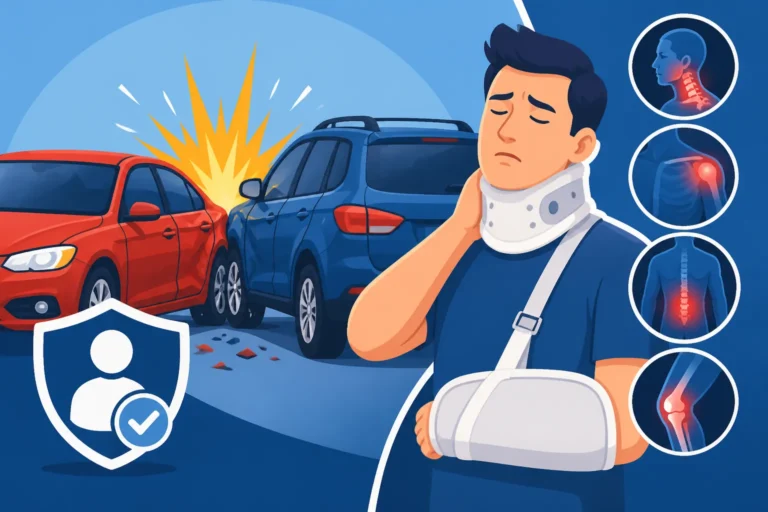
- Broken Bones: Fractures are incredibly common, especially in the extremities. Your arms and legs might be braced against the dashboard or steering wheel, leading to breaks in femurs, tibias, fibulas, arms, wrists, or ankles. Rib fractures are also frequent, often caused by the seatbelt's pressure or impact with the steering wheel. These can be simple breaks, or compound fractures where the bone pierces the skin, requiring extensive surgery and rehabilitation.
- Internal Injuries: These are particularly dangerous because they might not be immediately obvious. The sudden deceleration can cause organs like the spleen, liver, kidneys, or lungs to tear, rupture, or bruise. This can lead to severe internal bleeding, which, if not detected and treated quickly, can be fatal. Internal Injuries After a Car Accident can manifest as abdominal pain, swelling, dizziness, or shortness of breath, but often the signs are subtle until the situation becomes critical. Always remember that what feels like just a "bruise" could be a sign of something much more serious happening beneath the surface.
Soft Tissue and Joint Damage
While perhaps not as immediately life-threatening as a TBI or internal bleeding, significant soft tissue and joint damage can still result in chronic pain and long-term disability.
- Sprains, Strains, and Tears: Ligaments, tendons, and muscles throughout the body can be severely stretched, torn, or otherwise damaged. This can happen in the neck (as part of whiplash), shoulders, knees, or ankles. These injuries, while not involving broken bones, can be incredibly painful and limit mobility for extended periods, sometimes requiring surgery or intensive physical therapy.
- Knee and Shoulder Injuries: The impact of your knees against the dashboard or other interior parts of the car is a common cause of knee damage. Ligament tears, such as ACL or PCL tears, are unfortunately frequent. Similarly, the force of the seatbelt or direct impact can lead to Shoulder Injuries From a Seatbelt, including rotator cuff tears, dislocations, or labral tears. These joint injuries often require extensive treatment and rehabilitation to regain full function. Understanding the nuances of Knee Injuries in Car Accidents is crucial, as they can significantly impair your ability to walk and perform daily activities.
The Insidious Nature of Delayed Symptoms and Psychological Impact
One of the most frustrating and often overlooked aspects of highway accident injuries is that they don't always appear immediately. The body's incredible ability to cope with trauma can mask serious issues, and the mental toll can linger long after the physical wounds begin to heal.
Why Injuries Might Not Appear Immediately
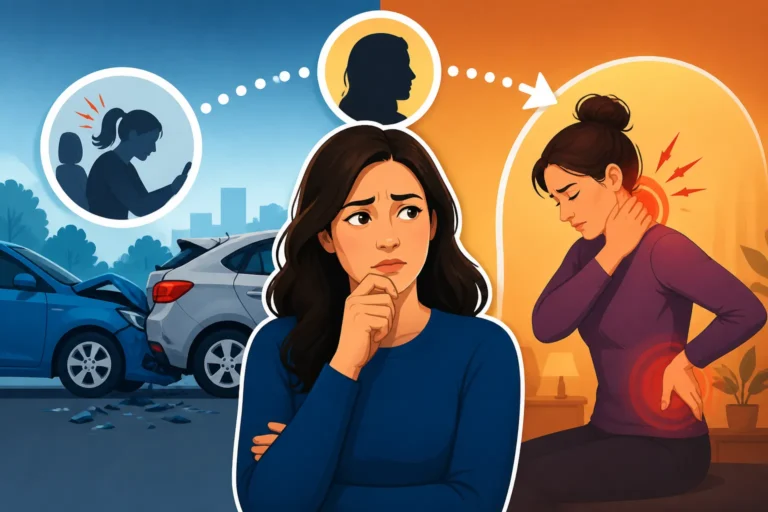
It’s a common story: someone walks away from a highway accident feeling shaken but seemingly fine, only to wake up the next morning in excruciating pain. There are several physiological reasons for this.
- Adrenaline Surge: Immediately after a traumatic event, your body floods with adrenaline, a powerful hormone that acts as a natural painkiller. This surge can temporarily numb pain receptors, allowing you to function and even move normally without realizing the extent of your injuries. Once the adrenaline wears off, hours or even days later, the pain and stiffness can become overwhelming.
- Inflammation and Swelling: Many injuries, especially soft tissue damage or minor fractures, involve a delayed inflammatory response. It takes time for swelling to build up and for nerves to become irritated, leading to pain that wasn't present at the scene. Neurological symptoms, such as those related to a concussion or nerve damage, can also take time to manifest clearly as the brain and nervous system react to the trauma. This is why paying attention to Delayed Injury Symptoms After a Car Accident is so vital; don't assume you're fine just because you feel okay right away.
Recognizing Subtle Signs and Seeking Prompt Care
Because of delayed symptoms, it's absolutely paramount to monitor your body closely in the days and weeks following a highway accident. Any new pain, numbness, tingling, headache, dizziness, or changes in mood should be taken seriously.
It can be difficult to discern what’s a normal reaction to stress and what’s a symptom of a serious underlying injury. Therefore, the most realistic and empathetic advice is to always err on the side of caution. Even if you feel "fine," seeking a thorough medical evaluation immediately after the accident is non-negotiable. A doctor can perform diagnostic tests that might reveal hidden injuries, such as X-rays for fractures, CT scans for internal bleeding, or an MRI for soft tissue and spinal damage. Early diagnosis often leads to better outcomes and can prevent minor issues from becoming chronic problems. This is precisely Why You Should See a Doctor After a Car Accident, even if it seems minor at the time.
Psychological and Emotional Trauma
Beyond the physical wounds, highway accidents leave deep psychological scars. The sheer terror of a high-speed impact, the sound of screeching tires and shattering glass, and the sight of damaged vehicles can be incredibly traumatizing.
- Post-Traumatic Stress Disorder (PTSD): Many accident victims develop PTSD and Emotional Distress After a Car Accident. This can manifest as flashbacks, nightmares, severe anxiety when driving or riding in a car, avoidance of driving on highways, irritability, and difficulty sleeping. These symptoms can be debilitating, affecting personal relationships, work, and overall quality of life.
- Anxiety and Depression: It's also common to experience generalized anxiety, depression, or a new fear of everyday activities after a traumatic crash. The loss of a sense of safety and control can be profound, leading to a lingering sense of vulnerability. These emotional injuries are just as real as physical ones and often require professional counseling or therapy to overcome.
Navigating the Aftermath and Protecting Your Health
A highway accident is a chaotic and frightening experience, but how you react in the immediate aftermath and the steps you take in the following days and weeks can significantly impact your recovery and any potential car accident claim.
Immediate Steps After a Highway Accident
Your priority at the scene should always be safety and calling for help. If you're able, move to a safe location away from traffic. Always call 911 to report the accident and request medical assistance if anyone is injured. Even if you feel okay, having paramedics check you out on-site is a good idea. Take photos of the scene, vehicles, and any visible injuries. Exchange information with other drivers, but avoid admitting fault, even if you think you might be partly responsible. Remember, your perceptions in the heat of the moment might not be accurate. For a detailed roadmap, refer to What to Do After a Car Accident: Step-by-Step (2027). This will cover crucial actions from securing the scene to contacting your insurance company.
The Role of Medical Professionals and Documentation
After seeking immediate medical attention at the scene or emergency room, it’s critical to follow up with your primary care physician or a specialist as recommended. Consistent and ongoing medical care is not just vital for your physical recovery; it's also essential for documenting your injuries. Keep every appointment, follow all treatment plans, and openly communicate all symptoms and pain levels to your doctors. Detailed medical records are the backbone of any car accident claim, providing irrefutable evidence of your injuries, their severity, and the treatment required. How Medical Records Prove Your Injuries cannot be overstated; these documents will link your health issues directly to the accident. Without this consistent documentation, an insurance company might argue that your injuries were pre-existing or unrelated to the collision.
Understanding Your Car Accident Claim
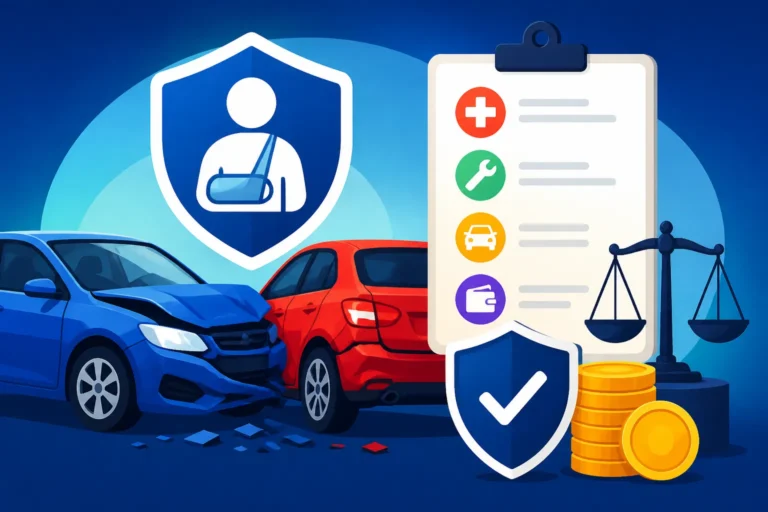
If you've suffered injuries in a highway accident, you're likely facing medical bills, lost wages, and pain and suffering. Understanding how to navigate the car accident claim process is crucial for recovering financially and getting the care you need. Your injuries directly impact the potential value of your claim, as compensation is typically sought for all economic damages (medical expenses, lost income, property damage) and non-economic damages (pain and suffering, emotional distress). The more severe and long-lasting your injuries, the higher the potential settlement. For instance, a permanent spinal cord injury will naturally yield a much higher settlement value than a minor case of whiplash. Factors like your state's fault laws (e.g., pure comparative negligence, modified comparative negligence) also play a significant role if you are found to be partially responsible. To gain a comprehensive understanding of what you might be entitled to, exploring resources like How Much Is My Car Accident Settlement Worth? (2026) is highly recommended. It’s also often beneficial to consult with a personal injury attorney, especially with severe injuries, as they can help ensure all damages are properly accounted for and negotiated with the insurance company.
| Injury Type | Common Symptoms | Potential Long-Term Effects |
|---|---|---|
| Whiplash | Neck pain, stiffness, headaches, dizziness, blurred vision | Chronic neck pain, reduced range of motion, nerve pain |
| Concussion/TBI | Headaches, confusion, memory issues, dizziness, fatigue | Post-concussion syndrome, cognitive impairment, mood changes |
| Herniated Disc | Radiating pain, numbness, weakness in limbs | Chronic back/neck pain, sciatica, limited mobility, nerve damage |
| Spinal Cord Injury | Paralysis, loss of sensation, bladder/bowel dysfunction | Permanent disability, requiring extensive care, secondary health issues |
| Fractures (Bones) | Severe pain, swelling, deformity, inability to bear weight | Chronic pain, arthritis, limited mobility, nerve damage |
| Internal Bleeding | Abdominal pain, swelling, dizziness, bruising, fainting | Organ damage, anemia, sepsis (if infection occurs) |
| Soft Tissue Tears (e.g., Rotator Cuff) | Shoulder/knee pain, limited range of motion, weakness | Chronic pain, recurrent instability, need for surgery |
| PTSD/Emotional Distress | Anxiety, flashbacks, nightmares, difficulty sleeping | Depression, social isolation, impaired daily functioning |
No matter how minor you perceive your injuries to be after a highway accident, the stakes are simply too high to take chances. Your health, well-being, and future financial stability depend on taking every possible step to identify and treat any injuries sustained.
Disclaimer
Please remember that this article provides general information and is not a substitute for professional legal or medical advice. Every car accident and injury is unique. It is crucial to consult with qualified medical professionals for diagnosis and treatment of any injuries, and with an experienced personal injury attorney for advice regarding your specific legal situation and potential claim.