Long-Term Effects of Shoulder Injury From a Car Accident
It's incredibly frustrating when you've been in a car accident, you thought the immediate pain would fade, but months or even years later, that nagging shoulder ache is still dictating how you live your life. You might feel alone in this, wondering if this constant discomfort is just your new normal. This guide is here to shed light on the reality of lingering shoulder injuries after a car crash, helping you understand their long-term effects and how to navigate the complex journey toward recovery and management.
Understanding Shoulder Injuries in Car Accidents
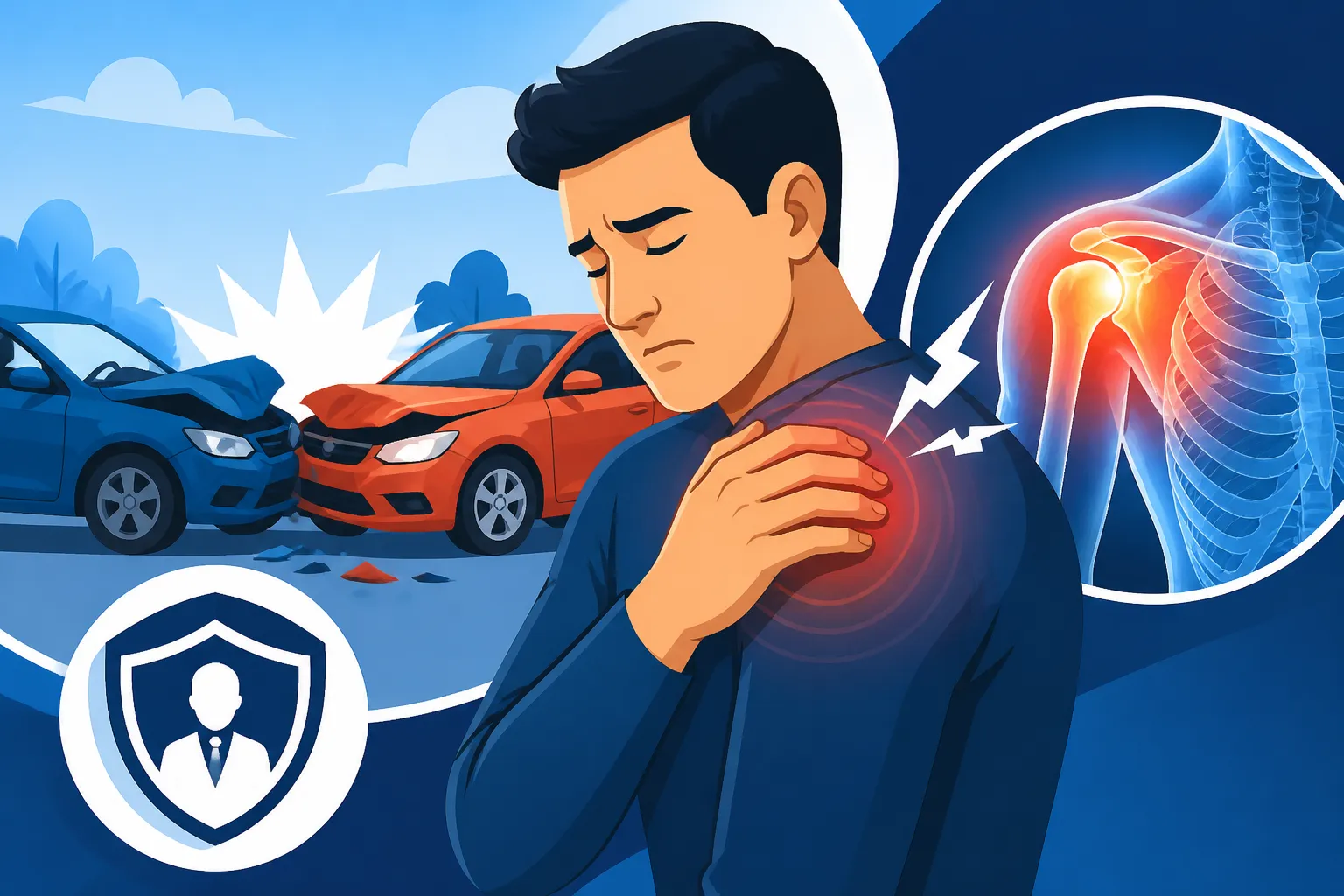
When you’re involved in a car accident, especially one where there’s a sudden impact or jarring motion, your shoulder is incredibly vulnerable. It’s a complex joint, designed for a wide range of motion, but that flexibility also makes it prone to significant injury. Many people focus on immediate, visible injuries, but the true scope of shoulder damage can often be much deeper and more insidious.
Common Types of Acute Shoulder Injuries
There’s a whole spectrum of injuries that can impact your shoulder in an accident, from the relatively mild to the severely debilitating. Understanding what might have happened in the initial moments of impact is the first step toward addressing the long-term consequences.
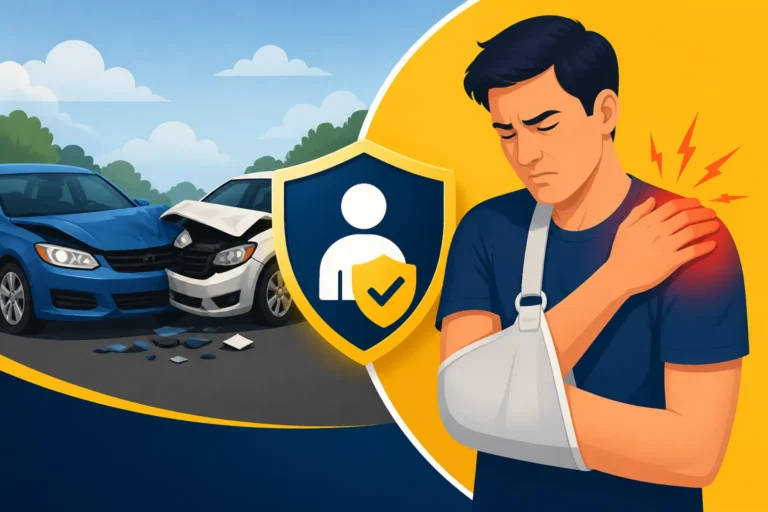
- Rotator Cuff Tears: This is probably one of the most common and often misunderstood shoulder injuries. Your rotator cuff is made up of four muscles and their tendons that surround the shoulder joint, keeping your upper arm bone centered in the shoulder socket. In a car accident, especially with the sudden jerk of the steering wheel or seatbelt strain, these tendons can be stretched, frayed, or even completely torn. A partial tear might heal with rest and therapy, but a full tear often requires surgery and a lengthy recovery process. The long-term implications of these tears can include persistent weakness, limited range of motion, and chronic pain.
- Fractures (Clavicle, Humerus, Scapula): A direct impact, like hitting the dashboard or door, can lead to broken bones. The clavicle (collarbone) is particularly susceptible, as is the humerus (upper arm bone) near the shoulder joint, and less commonly, the scapula (shoulder blade). These fractures can be incredibly painful and often require immobilization, sometimes surgery, and a long period of healing. The alignment and complete recovery of these bones are crucial; any improper healing can lead to chronic pain, nerve impingement, and a permanent reduction in arm function.
- Dislocations and Separations: A shoulder dislocation occurs when the head of your upper arm bone pops out of its socket. It's an incredibly painful event, often leaving the arm immobile. A shoulder separation, on the other hand, involves injuries to the ligaments connecting your collarbone to your shoulder blade (the AC joint). Both can happen with blunt force or extreme twisting motions during a crash. While often reset in an emergency room, the ligaments and tissues surrounding the joint can be severely damaged, increasing the risk of future instability and repeated dislocations. If you're wondering how the impact of your seatbelt might contribute to these, you can learn more about Shoulder Injuries From a Seatbelt.
- Soft Tissue Injuries like Sprains and Strains: Beyond tears and fractures, car accidents frequently cause less visible soft tissue injuries. A sprain involves damage to ligaments (which connect bones), while a strain affects muscles or tendons (which connect muscle to bone). These can range from mild stretching to severe tearing. While they might seem less serious initially, if not properly treated, chronic inflammation, scar tissue formation, and persistent discomfort can develop, severely impacting your daily life years down the line.
The Immediate Impact and Initial Treatment
Right after a car accident, your body goes into overdrive, often masking the true extent of your injuries with adrenaline. You might feel a dull ache, or sharp pain, experience swelling, or notice a limited range of motion. It’s crucial not to dismiss these initial symptoms, no matter how minor they seem.
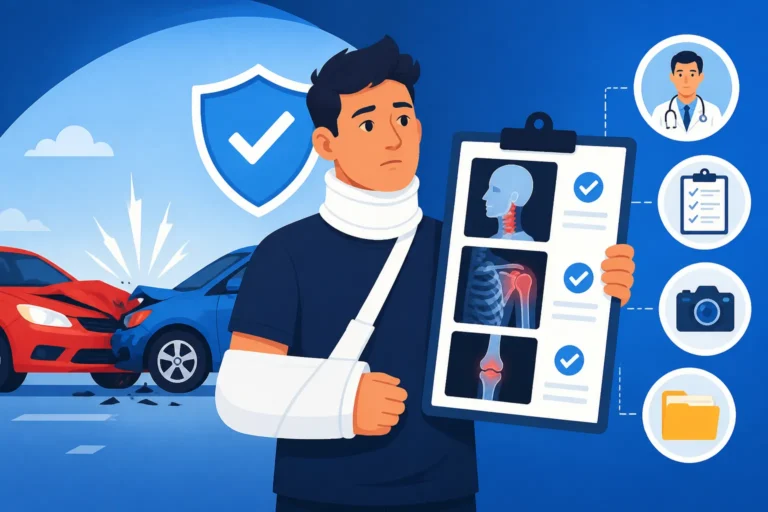
Visiting the emergency room or urgent care immediately after a crash is paramount. Even if you don't feel "that bad," a professional medical evaluation can identify acute injuries and start the documentation process. Doctors will perform physical exams, and often order X-rays, MRIs, or CT scans to get a clear picture of the damage. This initial diagnosis is critical for your health and for any potential car accident claim. Delaying treatment can not only worsen your condition but also make it harder to prove that your injuries were directly caused by the accident. Always remember, early medical attention isn't just about feeling better sooner; it's about setting the stage for a comprehensive recovery and protecting your future well-being. This is a fundamental step in being able to How to Prove Injuries in a Car Accident Claim.
The Hidden Truth of Long-Term Shoulder Problems
Many people assume that once an injury "heals," the problem is over. But with shoulder injuries from car accidents, the reality is often far more complex. The initial trauma can set off a chain reaction, leading to chronic issues that profoundly affect your life long after the immediate pain subsides. This isn't just about lingering discomfort; it's about a fundamental shift in how your body functions.
Persistent Pain and Chronic Conditions
That nagging ache that just won't quit, or the sharp twinge every time you reach overhead, can evolve into a chronic condition, altering your daily existence in ways you never anticipated.
- Chronic Pain Syndrome: This isn't just "pain for a long time." Chronic pain syndrome is a complex condition where pain persists beyond the expected healing time, often for six months or more. It can affect your sleep, mood, energy levels, and overall ability to function. The constant discomfort can lead to a cycle of reduced activity, muscle deconditioning, and increased pain sensitivity. It's a debilitating condition that can make even simple tasks feel impossible, and it's a very real long-term effect of an improperly healed or severe shoulder injury.
- Post-Traumatic Arthritis: Trauma to a joint, like a car accident impact, can damage the cartilage that cushions your bones. Over time, this damage can lead to the development of arthritis in that joint, known as post-traumatic arthritis. Even years after the accident, you might start to experience stiffness, swelling, and pain that worsens with activity. This type of arthritis can significantly limit your shoulder's range of motion and strength, often requiring ongoing management, medication, or even joint replacement surgery in severe cases.
- Frozen Shoulder (Adhesive Capsulitis): This perplexing condition can sometimes develop weeks or months after a shoulder injury or surgery, especially if the arm has been immobilized. It's characterized by severe pain and progressive stiffness that makes it incredibly difficult to move your shoulder in any direction. The capsule surrounding the shoulder joint thickens and tightens, restricting movement. The condition often progresses through stages – freezing, frozen, and thawing – and can last for months or even years, significantly impairing your ability to perform daily tasks and participate in activities you once enjoyed.
- Nerve Damage (Brachial Plexus Injuries): The brachial plexus is a network of nerves that extends from your spinal cord in your neck down to your arm, controlling movement and sensation in the shoulder, arm, and hand. A violent stretch or compression during a car accident can injure these delicate nerves. Depending on the severity, nerve damage can result in persistent numbness, tingling, weakness, or even paralysis in parts of the arm or hand. These injuries can be incredibly complex to treat and often lead to long-term disability, requiring extensive physical therapy, and sometimes even surgery, with no guarantee of full recovery. This is a severe form of Nerve Damage From a Car Accident that can truly change your life.
Functional Limitations and Quality of Life
Beyond the pain itself, the long-term impact of a shoulder injury often manifests as a significant reduction in your ability to live life as you once did. This isn't just physical; it touches every aspect of your existence.
- Difficulty with Daily Activities: Imagine struggling to reach for a coffee cup in the morning, having trouble getting dressed, or being unable to lift groceries. For many with chronic shoulder issues, these seemingly simple daily activities become monumental challenges. Driving can become painful, cooking can be arduous, and even sleeping comfortably can feel impossible. This constant struggle can chip away at your independence and sense of normalcy.
- Impact on Work and Hobbies: If your job requires any kind of physical activity, lifting, or repetitive arm movements – from construction work to typing at a desk – a chronic shoulder injury can make it impossible to perform your duties. This can lead to job loss, career changes, or a significant reduction in earning capacity. Similarly, hobbies like gardening, playing sports, painting, or even cuddling a pet can become too painful or difficult, leading to a profound sense of loss and isolation. Your ability to enjoy life and feel fulfilled can be severely compromised.
- Mental and Emotional Toll: Living with constant pain and functional limitations is not just a physical burden; it's a heavy mental and emotional one. The frustration of being unable to do things you once took for granted, the anxiety about your future, and the fear of re-injury can all contribute to depression, mood swings, and feelings of helplessness. Many people with long-term injuries experience significant emotional distress, and it's important to recognize this as a legitimate and impactful consequence of the accident. You might find yourself withdrawing from social activities or feeling isolated, leading to issues like PTSD and Emotional Distress After a Car Accident.
Navigating Recovery and Seeking Support
Dealing with the long-term effects of a shoulder injury can feel like a marathon, not a sprint. It requires patience, persistence, and a multi-faceted approach to both your physical and emotional well-being. You’re not just treating an injury; you’re managing a new way of living, and that means being proactive about your care and understanding your options.
Long-Term Medical Management and Rehabilitation
Your recovery isn't a straight line; it's a journey that often involves various forms of medical intervention and ongoing commitment to rehabilitation. The goal is to maximize function and minimize pain, allowing you to regain as much of your pre-accident life as possible.
- Physical Therapy (Types of Exercises): Physical therapy is almost universally recommended for shoulder injuries, both acutely and long-term. A skilled physical therapist will design a personalized program to improve your range of motion, strengthen the muscles surrounding your shoulder, and correct any compensatory movements that might be causing additional strain. This can include gentle stretching, resistance band exercises, weight training, and manual therapy techniques. Consistency is key, and adhering to your exercises even after formal therapy ends is crucial for maintaining strength and flexibility. They often provide valuable insights into managing Chronic Pain After a Car Accident.
- Pain Management (Medications, Injections, Alternative Therapies): For many, pain management becomes an ongoing necessity. This can involve over-the-counter anti-inflammatory medications, prescription pain relievers, or muscle relaxers. When pain is more severe or localized, injections like corticosteroids can provide temporary relief by reducing inflammation directly in the joint. Beyond conventional medicine, many people explore alternative therapies such as acupuncture, massage therapy, chiropractic care, or TENS (transcutaneous electrical nerve stimulation) units to help manage their symptoms. Finding the right combination of treatments is often a process of trial and error, working closely with your medical team.
- Potential for Surgery (When It's Considered): While non-surgical approaches are always preferred, sometimes surgery becomes a necessary step, especially for severe tears, complex fractures, or persistent instability. Common surgical procedures include rotator cuff repair, labral repair, fracture fixation, or even shoulder replacement for advanced arthritis. Surgery is a significant undertaking, involving recovery periods ranging from several weeks to many months, followed by extensive rehabilitation. It's a decision made after careful consideration of your specific injury, symptoms, and the potential benefits versus risks. This is often pursued when conservative treatments have failed to bring you to What Is Maximum Medical Improvement (MMI)?.
Documenting Your Journey and Seeking Compensation
The impact of a long-term shoulder injury goes beyond physical pain – it affects your finances, your ability to work, and your overall peace of mind. Thorough documentation is essential, not only for your medical treatment but also if you need to seek compensation for your losses.
- Importance of Medical Records: Every single doctor's visit, physical therapy session, diagnostic test (X-rays, MRIs), medication prescribed, and procedure performed should be meticulously documented. These medical records are the backbone of your injury claim. They provide objective evidence of your injury, its severity, the treatment you've received, and the prognosis for your long-term recovery. Without clear, consistent documentation, it becomes incredibly difficult to connect your current suffering directly to the car accident. This is critical for any Car Accident Claim Timeline: What to Expect.
- Tracking Lost Wages and Out-of-Pocket Expenses: The financial burden of a long-term injury can be staggering. Keep detailed records of all lost income due to time off work, reduced hours, or job changes. This includes past lost wages and any projections for future lost earning capacity. Additionally, meticulously track all out-of-pocket expenses related to your injury: co-pays, deductibles, prescription costs, assistive devices (like slings or braces), travel expenses to appointments, and even household services you had to hire because you couldn't perform them yourself. These "economic damages" are a vital component of your overall claim.
- Considering Legal Options If the Injury Is Severe: If your shoulder injury has led to significant long-term pain, functional limitations, and financial strain, it's wise to consider discussing your situation with an experienced car accident attorney. They can help you understand your rights, assess the full value of your damages, and navigate the complex process of dealing with insurance companies. A lawyer can advocate on your behalf to ensure you receive fair compensation for medical bills, lost wages, pain and suffering, and other long-term impacts. They can also help explain the difference between Economic vs Non-Economic Damages in Injury Claims and how they apply to your specific situation.
Preventative Measures and Future Outlook
While you can't undo the accident, understanding how to manage your recovery and mitigate further issues is crucial for your long-term well-being. Taking an active role in your care, both physically and emotionally, can significantly improve your future outlook.
Lifestyle Adjustments and Ergonomics
Adapting your environment and daily habits can make a substantial difference in managing chronic shoulder pain and preventing re-injury.
- Adapting Home and Work Environments: Think about your most frequent activities. Do you spend hours at a computer? Invest in an ergonomic keyboard, mouse, and chair to support proper posture and minimize shoulder strain. If lifting is part of your routine, learn proper lifting techniques and don't hesitate to ask for help. Rearranging items in your home to be within easy reach can also reduce the need for awkward movements. Small changes can prevent exacerbating your injury and promote healing.
- Importance of Ongoing Self-Care: Your formal physical therapy might end, but your commitment to self-care should not. Continue with the exercises your therapist recommended, maintain a healthy weight to reduce stress on your joints, and explore low-impact activities like swimming or cycling that keep you active without overtaxing your shoulder. Listen to your body and don't push through sharp pain. Regular stretching and mindful movement can help maintain flexibility and strength, preventing stiffness and reducing the likelihood of future flare-ups.
The Emotional and Psychological Impact
Living with chronic pain and physical limitations takes a toll on your mental health. Acknowledging this and actively seeking support is just as important as addressing the physical injury.
- Addressing PTSD and Emotional Distress: Car accidents are traumatic events, and the lasting physical pain can prolong that trauma. It’s not uncommon to experience symptoms of PTSD, anxiety, depression, or difficulty sleeping after an accident, especially when chronic pain is involved. These emotional challenges can significantly impede your recovery and quality of life. Don't dismiss feelings of sadness, anger, or hopelessness.
- Seeking Mental Health Support: Just as you wouldn't ignore a broken bone, you shouldn't ignore your mental health. Speaking with a therapist or counselor can provide you with coping strategies, help you process the trauma of the accident, and manage the emotional burden of chronic pain. Support groups can also be invaluable, connecting you with others who understand what you're going through. Addressing your emotional well-being is a critical component of holistic recovery and allows you to build resilience in the face of long-term challenges.
Here’s a quick overview of some common long-term effects of shoulder injuries from car accidents:
| Long-Term Effect | Description | Common Symptoms | Potential Treatments |
|---|---|---|---|
| Chronic Pain Syndrome | Persistent pain beyond normal healing time (6+ months). | Constant ache, sharp pains, burning sensations, hypersensitivity. | Medications, injections, nerve blocks, physical therapy, psychological support. |
| Post-Traumatic Arthritis | Degradation of joint cartilage due to accident trauma. | Stiffness, swelling, grinding sensations, pain worsening with activity. | Anti-inflammatories, joint injections, physical therapy, surgery (joint replacement). |
| Frozen Shoulder | Thickening and tightening of shoulder capsule, restricting movement. | Severe pain, progressive loss of motion in all directions. | Physical therapy, pain medications, corticosteroid injections, manipulation under anesthesia. |
| Rotator Cuff Degeneration | Continued wear and tear or improper healing of rotator cuff tendons. | Persistent weakness, clicking/popping, pain with overhead activities, reduced range of motion. | Physical therapy, injections, surgery (repair or debridement). |
| Nerve Damage | Injury to nerves (e.g., brachial plexus) affecting shoulder, arm, hand. | Numbness, tingling, weakness, burning pain, loss of sensation or function. | Physical therapy, nerve medication, surgery (nerve repair or transfer). |
| Shoulder Instability | Ligament damage causing the joint to feel loose or repeatedly dislocate. | Feeling of shoulder "giving out," recurrent dislocations, apprehension with movement. | Physical therapy, bracing, surgery (ligament repair). |
Disclaimer
The information provided in this article is intended for general informational purposes only and does not constitute medical or legal advice. Always consult with a qualified healthcare professional for diagnosis and treatment of any medical condition, and with an experienced attorney for advice regarding your specific legal situation.