Long-Term Effects of Internal Injuries From a Car Accident
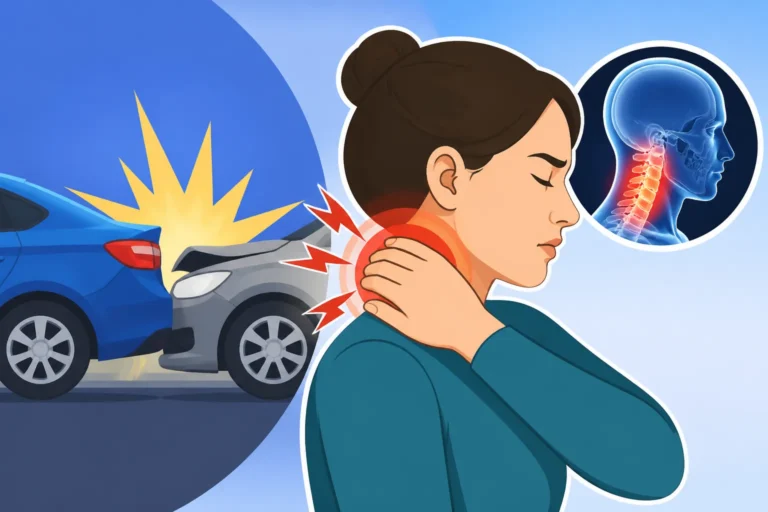
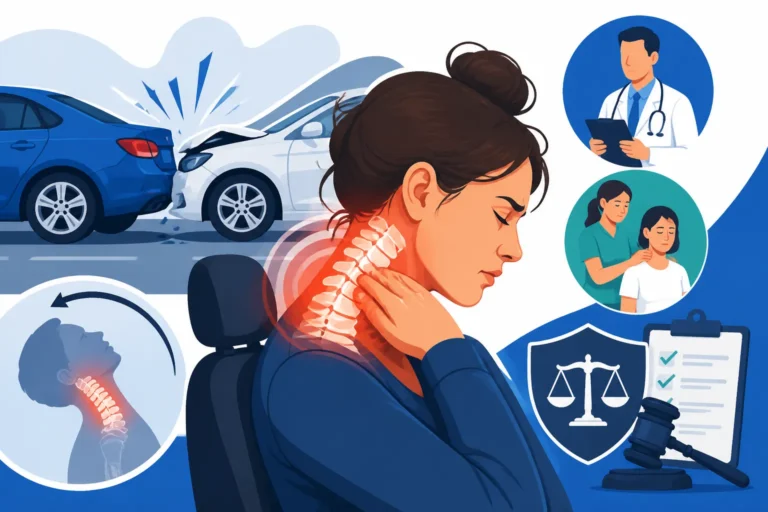
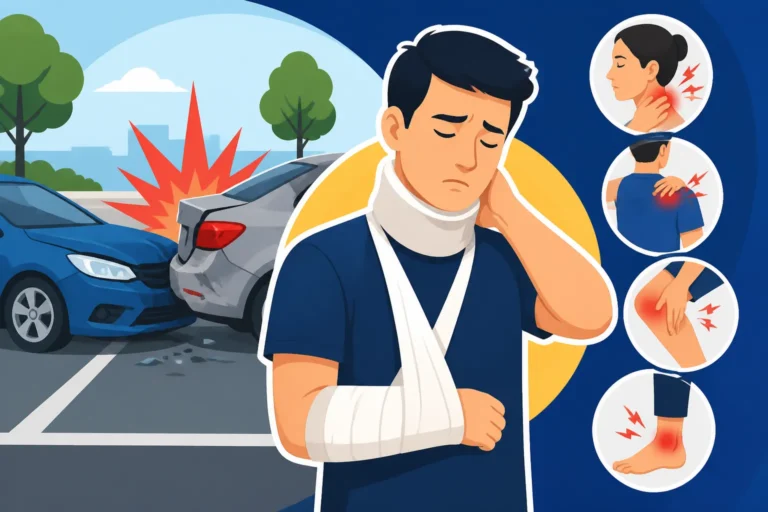
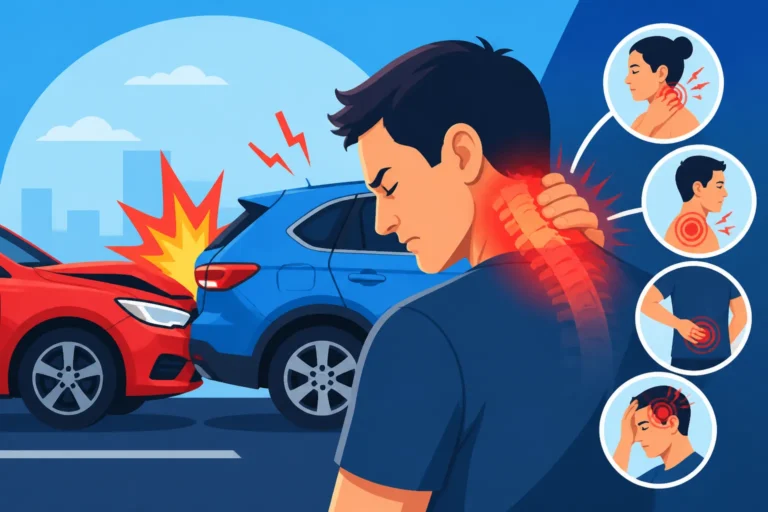
Getting into a car accident is a jarring, terrifying experience, and often, the immediate aftermath can feel like a blur of pain, adrenaline, and confusion. But what many people don't realize is that the true impact of a collision, especially concerning internal injuries, might not manifest for days, weeks, or even months down the line. This guide is here to shed light on those often-overlooked long-term effects of internal injuries sustained in a car accident, helping you understand the silent battles many survivors face and how to navigate the road to recovery.
Understanding Internal Injuries After a Car Accident
When you think of car accident injuries, you might picture broken bones, lacerations, or whiplash. However, some of the most insidious and potentially life-altering damages occur beneath the surface, hidden from plain sight. These internal injuries can range from mild bruising to severe organ damage, and their delayed symptoms often catch people off guard.
The Silent Threat of Internal Trauma
One of the most frightening aspects of internal injuries is their deceptive nature. Unlike a visible cut or a clearly fractured limb, internal trauma might not present obvious symptoms immediately after an accident. The body's adrenaline response can mask pain, and some conditions, like internal bleeding or organ swelling, develop gradually. Imagine being in a fender bender where you feel a bit shaken but otherwise "fine" at the scene. You exchange information, drive home, and go about your day. Then, a few days later, you start experiencing unexplained abdominal pain, dizziness, or unusual fatigue. This scenario is far more common than many realize, underscoring why it's crucial to seek medical attention even after what seems like a minor collision. The internal forces at play during a sudden impact, even at lower speeds, can cause significant damage to delicate organs, blood vessels, and soft tissues.
Common Types of Internal Injuries
The human body is incredibly resilient, but it has its limits, especially when subjected to the violent forces of a car accident. Internal injuries can affect various systems, each with its own set of potential long-term complications.
- Organ Damage: The blunt force trauma from an airbag, steering wheel, or seatbelt can lead to injuries to organs such as the spleen, liver, kidneys, or lungs. A ruptured spleen, for example, can cause life-threatening internal bleeding. A bruised lung might lead to pneumonia or persistent breathing issues.
- Internal Bleeding: This is perhaps the most dangerous type of internal injury, as it can be difficult to detect without medical imaging. Blood vessels can tear or rupture, leading to a build-up of blood in body cavities, which can put pressure on organs and lead to shock if not treated promptly.
- Traumatic Brain Injuries (TBIs): While often categorized separately, TBIs are internal injuries to the brain. Even a mild concussion, if not properly managed, can lead to long-term cognitive issues, chronic headaches, and emotional disturbances. More severe TBIs can result in permanent neurological deficits. You can learn more about Traumatic Brain Injury TBI From a Car Accident.
- Abdominal Aortic Aneurysm (AAA): In rare but severe cases, the force of a car accident can cause damage to the aorta, the body's main artery. This can lead to an aneurysm, a weakening and bulging of the artery wall, which can rupture over time with catastrophic consequences.
- Diaphragm Rupture: The diaphragm, the muscle separating the chest and abdomen, can tear during a high-impact crash. This allows abdominal organs to move into the chest cavity, affecting lung function and potentially causing strangulation of the organs.
- Soft Tissue Damage: Beyond the obvious, severe internal soft tissue damage to ligaments, tendons, and muscles can lead to chronic pain, reduced mobility, and degenerative issues in the long run.
These are just a few examples, but they highlight the diverse and serious nature of internal trauma. For a broader understanding of various physical harms, exploring Common Car Accident Injuries: Complete Guide (2027) can be very insightful.
Unveiling Delayed and Lingering Symptoms
It's a common misconception that if you don't feel pain immediately after an accident, you're in the clear. Unfortunately, the reality is far more complex, especially with internal injuries. The body has a remarkable capacity to compensate and mask damage, leading to a delayed onset of symptoms that can make diagnosis and treatment challenging. This is why understanding Delayed Injury Symptoms After a Car Accident is so vital.
Why Symptoms Don't Always Appear Immediately
There are several physiological reasons why internal injury symptoms might not be immediately apparent.
- Adrenaline Surge: In the moments following a crash, your body floods with adrenaline, a powerful hormone that acts as a natural painkiller. This can temporarily numb discomfort, allowing you to move and function without realizing the extent of your injuries. Once the adrenaline wears off, hours or days later, the pain can set in with a vengeance.
- Inflammation and Swelling: Many internal injuries involve inflammation and swelling. This process takes time to develop. As tissues swell, they can press on nerves or restrict blood flow, leading to pain and dysfunction that weren't present at the scene of the accident.
- Gradual Damage: Some internal issues, like a slow internal bleed or a tear that gradually worsens with normal movement, might not produce noticeable symptoms until they reach a critical point. A small bruise on an organ might not cause much discomfort, but as it grows or affects function, the symptoms become impossible to ignore.
- Masking by Other Injuries: If you have more obvious external injuries or severe pain from a broken bone, the subtle signs of an internal injury might be completely overshadowed and overlooked.
Because of these factors, it's not unusual for someone to feel relatively okay at the accident scene only to wake up the next morning or several days later feeling significantly worse. This is precisely why medical professionals consistently advise getting checked out as soon as possible after any motor vehicle collision, regardless of how minor it seems.
Recognizing Persistent Warning Signs
While every internal injury is unique, there are some common warning signs that should prompt immediate medical attention if they appear days or weeks after an accident. These symptoms indicate that something serious might be amiss and should never be ignored.
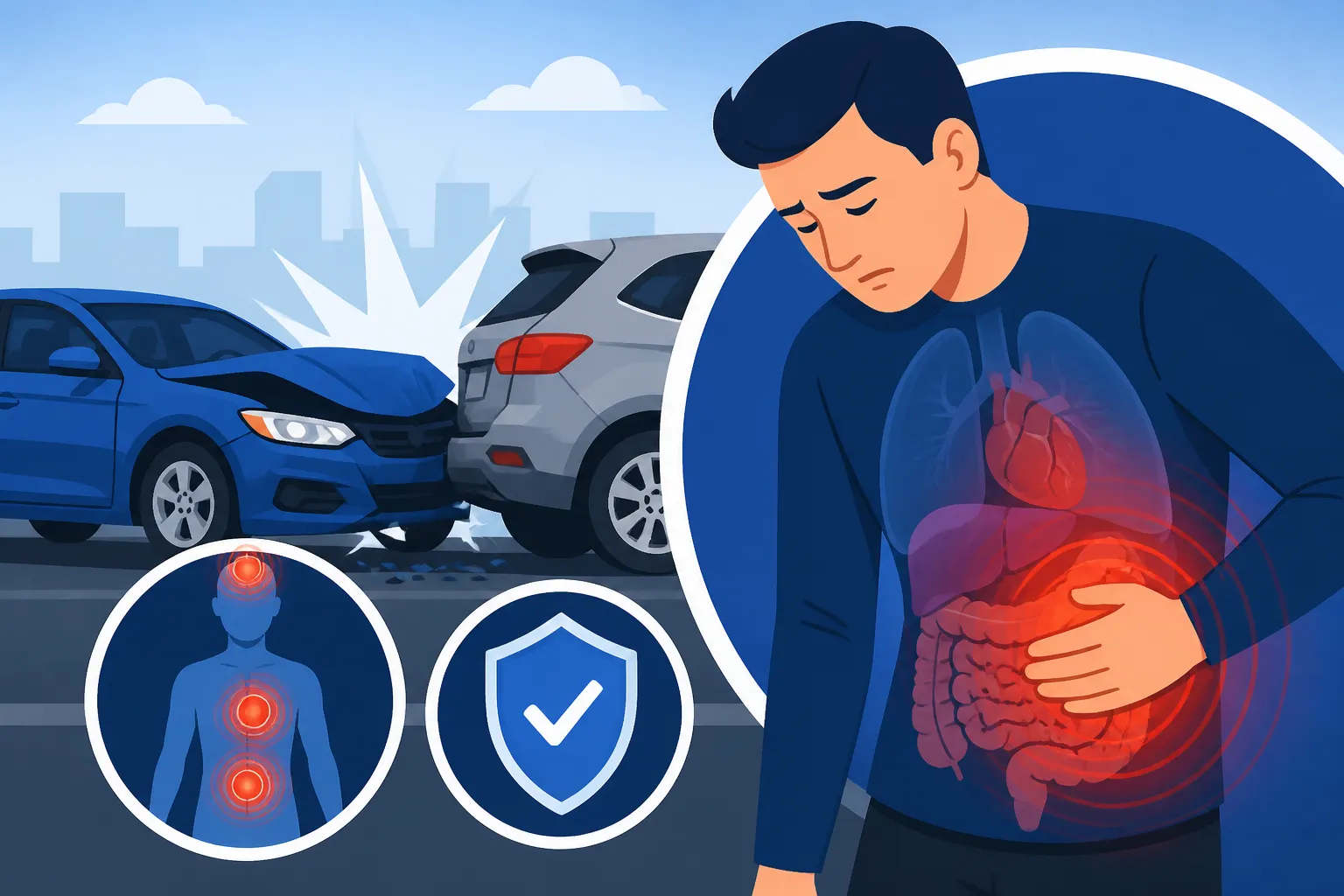
- Persistent or Worsening Abdominal Pain: If you experience pain in your abdomen that doesn't go away, or gets sharper, duller, or more widespread, especially accompanied by tenderness when touched, it could signal damage to organs like the liver, spleen, or kidneys, or internal bleeding.
- Unexplained Dizziness or Lightheadedness: This can be a sign of internal bleeding causing a significant drop in blood pressure, or it could indicate a serious brain injury affecting your balance and equilibrium.
- Nausea, Vomiting, or Changes in Bowel Habits: These digestive symptoms, especially if new and persistent, could point to injuries to the digestive tract, liver, or spleen. Blood in vomit or stool is an emergency.
- Difficulty Breathing or Shortness of Breath: This might indicate lung damage, a ruptured diaphragm, or even significant internal bleeding affecting your chest cavity.
- Unusual Swelling or Bruising: While superficial bruising is common, deep, spreading bruising, especially around the abdomen or chest, can be a sign of severe underlying trauma or internal hematomas.
- Extreme Fatigue or Weakness: If you find yourself unusually exhausted or weak without clear reason, it could be your body struggling to cope with an internal injury, such as anemia from blood loss.
- Cognitive Changes: Confusion, memory problems, difficulty concentrating, mood swings, or persistent headaches could all be signs of a TBI that is impacting your brain function long after the initial impact.
If you experience any of these symptoms after a car accident, even if it was weeks ago, please don't delay. Seek prompt medical care. Your health is paramount, and addressing these issues early can prevent more severe long-term consequences. Getting timely medical help is a critical step in What to Do After a Car Accident: Step-by-Step (2027).
Documenting and Proving Long-Term Internal Injuries
When you're dealing with internal injuries that manifest over time, one of the biggest challenges isn't just the physical recovery, but also the process of proving these injuries are directly linked to your car accident. Insurance companies are notorious for being skeptical of claims where symptoms aren't immediate, making thorough documentation absolutely essential.
The Critical Role of Medical Documentation
From the moment you realize something is wrong, your medical records become your most powerful tool. Every single visit, test, diagnosis, and treatment recommendation builds a comprehensive narrative of your injury and its progression.
- Initial Medical Assessment: Even if you feel "fine" at the scene, getting an immediate medical evaluation is crucial. This establishes a baseline and documents any immediate, even subtle, findings. This initial record can connect subsequent delayed symptoms to the accident. This is why Why You Should See a Doctor After a Car Accident is so important.
- Consistent Follow-Up Care: If symptoms appear or worsen later, ensure you are consistently seeing doctors, specialists, and therapists. Document every symptom, every complaint, and every limitation you experience. The consistency of your medical care demonstrates the ongoing nature and severity of your injuries.
- Diagnostic Imaging and Tests: Internal injuries often require advanced diagnostic tools like CT scans, MRIs, ultrasounds, and blood tests to confirm their presence and extent. Ensure all these test results are part of your medical file. These objective findings are incredibly persuasive when it comes to demonstrating actual physical harm.
- Detailed Doctor's Notes: Your physician's notes should clearly articulate their observations, your reported symptoms, their diagnosis, and their opinion on the causation of your injuries (i.e., that they are a direct result of the car accident). These expert opinions are invaluable. Learning How Medical Records Prove Your Injuries can make a huge difference in your claim.
- Prescription Records and Treatment Plans: Keep track of all medications prescribed and all treatments received, whether it's physical therapy, surgery, or specialist consultations. This shows the active management and financial burden of your long-term internal injuries.
Without this meticulous medical trail, it becomes incredibly difficult to establish a clear link between your car accident and the long-term internal issues you are facing, leaving you vulnerable to claims denials.
Navigating Insurance Company Skepticism
Insurance companies operate on a profit model, and that often means minimizing payouts. When it comes to delayed internal injuries, they frequently look for reasons to deny or undervalue claims. You might encounter arguments such as:
- "You didn't report these symptoms at the scene."
- "There's no objective evidence linking these issues to the accident."
- "Your injuries could be due to a pre-existing condition or something unrelated."
This is where your detailed medical documentation, combined with expert medical opinions, becomes your shield. It helps How to Prove Injuries in a Car Accident Claim. An experienced car accident attorney can also be a crucial ally in this battle. They understand the tactics insurance companies use and can help you gather the necessary evidence, articulate your case, and negotiate on your behalf. They can also ensure you don't inadvertently say or do anything that could jeopardize your claim. For deeper insights, you might consider reading Do You Need a Lawyer for a Car Accident? (2026).
A well-supported claim with a clear medical history directly linking your long-term internal injuries to the accident is much harder for an insurance company to dispute.
Living with Chronic Internal Injury Complications
The initial shock of an internal injury diagnosis is one thing, but living with its long-term complications is an entirely different battle. These conditions can profoundly alter daily life, impacting everything from your ability to work to your personal relationships and overall sense of well-being.
Impact on Daily Life and Quality of Living
Chronic internal injuries often come with a cascade of effects that extend far beyond physical pain.
- Persistent Pain and Discomfort: Many individuals experience ongoing pain, which can range from a dull ache to sharp, debilitating episodes. This constant companion can make even simple tasks, like sitting, standing, or lifting groceries, excruciating.
- Reduced Mobility and Physical Limitations: Depending on the injury, you might face restrictions in movement, strength, or endurance. Organ damage can lead to chronic fatigue, digestive issues, or breathing difficulties, severely limiting your ability to participate in hobbies, exercise, or even daily chores. Imagine someone who loved hiking in the California redwoods suddenly being unable to walk more than a block without significant discomfort or shortness of breath due to chronic lung issues from a crash.
- Emotional and Psychological Toll: Dealing with chronic pain, uncertainty about recovery, and the loss of your former lifestyle can lead to significant emotional distress. It's not uncommon for individuals to develop anxiety, depression, or even PTSD and Emotional Distress After a Car Accident after experiencing such a traumatic event and its lasting physical consequences. These emotional scars are as real and debilitating as the physical ones.
- Loss of Independence: Needing assistance with tasks you once handled effortlessly can be incredibly frustrating and isolating. Relying on family or friends for transportation, meal preparation, or personal care can chip away at your sense of self-reliance.
- Work and Financial Strain: Long-term internal injuries often mean extended periods off work, reduced earning capacity, or even permanent disability. The financial strain of lost wages combined with mounting medical bills can add immense stress, leading to a vicious cycle of physical and economic hardship. Understanding How Much Is My Car Accident Settlement Worth? (2026) can help you account for these losses.
Managing Ongoing Medical Needs and Costs
Living with a chronic internal injury means a continuous need for medical care, which unfortunately, comes with substantial costs.
- Ongoing Treatments: This could include regular appointments with specialists (gastroenterologists, pulmonologists, neurologists), physical therapy, occupational therapy, pain management clinics, or even future surgeries. For example, a person with a severe liver injury might require ongoing monitoring for liver function and potential complications for years.
- Medication Management: Chronic conditions often necessitate long-term medication, which can range from pain relievers and anti-inflammatories to specialized drugs for organ support or neurological symptoms. These prescriptions can become a significant recurring expense.
- Rehabilitation Services: Recovering functionality might require extensive rehabilitation. This isn't just about initial healing; it's about adapting to new limitations, regaining strength, and improving quality of life over the long haul.
- Adaptive Equipment: In some cases, individuals may need special equipment, such as mobility aids, home modifications, or even specialized diets, to manage their condition.
- Mental Health Support: Recognizing the psychological impact, ongoing therapy or counseling for depression, anxiety, or PTSD becomes another crucial component of comprehensive care.
These ongoing medical needs translate into significant financial burdens. It's vital to meticulously track all expenses related to your care, as these form a critical part of your claim for Economic vs Non-Economic Damages in Injury Claims. Navigating this complex landscape requires patience, resilience, and often, professional guidance to ensure you receive the care and compensation you deserve.
Here's a table summarizing common long-term effects and their potential impacts:
| Type of Internal Injury (Example) | Common Long-Term Effects | Impact on Daily Life |
|---|---|---|
| Ruptured Spleen | Increased infection risk, chronic abdominal pain | Restricted activities, frequent illness |
| Liver Laceration | Impaired liver function, digestive issues | Dietary restrictions, fatigue, medication adherence |
| Lung Contusion | Chronic shortness of breath, increased respiratory infections | Reduced exercise tolerance, difficulty with physical tasks |
| Traumatic Brain Injury (TBI) | Cognitive deficits, chronic headaches, mood changes | Memory issues, difficulty concentrating, social challenges |
| Diaphragm Rupture | Chronic pain, acid reflux, breathing difficulties | Discomfort with eating, limited mobility, ongoing discomfort |
| Internal Soft Tissue Damage | Chronic pain, reduced range of motion, nerve damage | Persistent discomfort, limitations in movement, reliance on pain management |
Disclaimer
Please remember that the information provided in this article is for general informational purposes only and does not constitute legal or medical advice. Every car accident case and personal injury is unique. You should consult with a qualified medical professional for any health concerns and an experienced legal professional for advice regarding your specific situation and potential car accident claim. Relying solely on information from the internet is not a substitute for professional guidance.