Claiming Compensation for Torn Rotator Cuff in Texas
Experiencing a car accident is jarring enough, but discovering you've sustained a serious injury like a torn rotator cuff afterward can feel like a devastating blow, especially when you're facing mounting medical bills and pain in the Lone Star State. The physical pain is just the beginning; the thought of navigating a complex car accident claim in Texas while dealing with recovery can be incredibly overwhelming. This comprehensive guide is here to walk you through the process of claiming the compensation you rightfully deserve for your torn rotator cuff injury after a car crash in Texas.
Understanding Torn Rotator Cuff Injuries from Car Accidents
A torn rotator cuff isn't just a minor ache; it's a significant injury that can severely impact your daily life, making simple tasks like lifting, reaching, or even sleeping comfortably a challenge. When this injury results from the sudden, violent forces of a car accident, the path to recovery and compensation can be particularly complex. It’s crucial to understand how these injuries occur and why they require prompt medical attention.
Common Ways Rotator Cuffs Get Injured in a Crash
The human body is not designed to withstand the abrupt forces generated during a car accident. Even in seemingly minor fender-benders, the physics involved can cause severe damage. For your shoulder, specifically the rotator cuff, there are several common scenarios in a car crash that can lead to a tear:
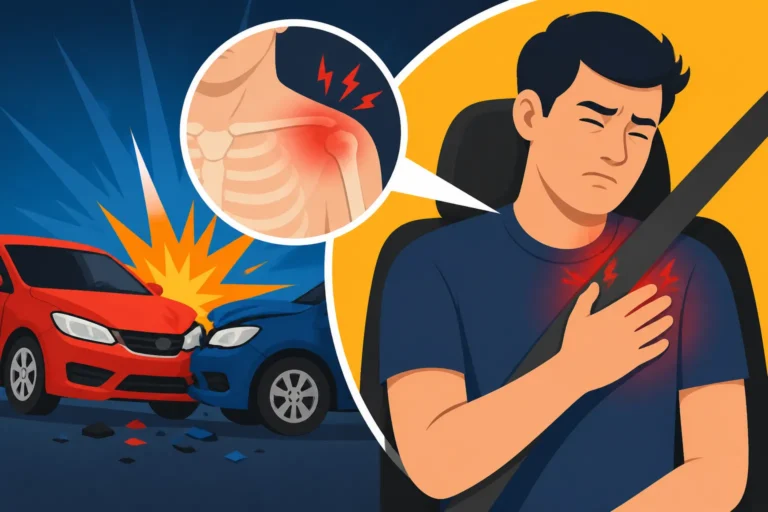
Imagine you’re driving along I-35 in Austin, and another driver suddenly veers into your lane. Your immediate, instinctual reaction might be to brace yourself against the steering wheel or dashboard, or your body could be violently thrown against the seatbelt. This sudden, forceful movement, particularly with an outstretched arm or when your shoulder is twisted against the seatbelt's restraint, can put immense strain on the tendons and muscles of your rotator cuff. The shoulder joint, while incredibly mobile, is also quite vulnerable to these types of shearing and rotational forces. A direct impact to the side of the vehicle, like in a T-bone accident, can also drive the arm and shoulder directly into the door frame or window, causing a direct crush injury or dislocation that results in a torn rotator cuff. Similarly, if your arm is extended to brace for impact, the force can travel up your arm, concentrating stress on the shoulder joint and tearing the delicate rotator cuff tendons. The seatbelt, while vital for safety, can also contribute to these injuries by holding the body back while the arm is thrown forward, creating an unnatural pulling force on the shoulder.
Recognizing the Symptoms and Getting a Diagnosis
One of the most insidious aspects of a car accident injury, including a torn rotator cuff, is that symptoms don't always appear immediately. You might feel a bit sore or stiff in the moments, hours, or even days following the crash, dismissing it as general muscle strain. However, a torn rotator cuff typically presents with more specific and persistent symptoms that worsen over time if left untreated. These can include a dull ache deep in the shoulder, difficulty reaching behind your back, weakness when lifting or rotating your arm, and disturbed sleep, especially if you lie on the affected side. You might also hear a clicking or popping sound when moving your shoulder.
It's critical to seek medical attention as soon as possible after any car accident, even if you feel fine. A doctor can properly evaluate your condition and order diagnostic tests. For a suspected torn rotator cuff, this usually involves a thorough physical examination where the doctor assesses your range of motion and strength. If a tear is suspected, they will likely order imaging tests. While X-rays can rule out fractures, an MRI (Magnetic Resonance Imaging) is typically required to visualize soft tissue injuries like torn tendons and confirm a rotator cuff tear. Early diagnosis is paramount not only for your physical recovery, but also for building a strong foundation for your car accident claim. Insurance companies often look for gaps in medical treatment, and delaying care can unfortunately give them an opportunity to argue that your injuries weren't directly caused by the accident. This is a common tactic to reduce or deny compensation, so don't let it happen to you.
Navigating Your Car Accident Claim in Texas
Dealing with the aftermath of a car accident, especially when you're trying to heal from a painful injury like a torn rotator cuff, is stressful. Understanding the specific laws and procedures in Texas is essential to successfully claim the compensation you need. Texas is an "at-fault" state, meaning the person responsible for causing the accident is financially liable for the damages.
Texas Fault Laws and How They Affect Your Claim
Texas operates under a modified comparative negligence system, often referred to as the 51% bar rule. This means that if you are found to be 51% or more at fault for the accident, you cannot recover any compensation from the other driver. However, if you are found to be less than 51% at fault, you can still recover damages, but your compensation will be reduced by your percentage of fault. For example, if your torn rotator cuff claim is valued at $100,000, but you are found to be 20% at fault, you would only be able to recover $80,000.
This aspect of Texas law makes determining fault incredibly important. Insurance companies will often try to shift blame, even partially, onto you to reduce their payout. This is why thorough documentation and understanding how fault is determined in a car accident are absolutely critical. Evidence like police reports, eyewitness statements, photos of the accident scene, and even traffic camera footage can be vital in proving the other driver's negligence and minimizing any fault attributed to you. It's not uncommon for the other driver's insurance company to try and convince you to admit fault, but it's crucial to avoid doing so, as any admission of fault can significantly jeopardize your claim.
Key Steps to Filing a Claim for a Rotator Cuff Injury
Filing a claim for a torn rotator cuff injury in Texas involves several crucial steps, each designed to protect your rights and ensure you receive fair compensation. Missing any of these steps or making a misstep could seriously impact your ability to recover damages.
First and foremost, after an accident, the priority is always safety and then immediate medical attention. As we discussed, even if you feel okay, seeing a doctor promptly is vital for your health and your claim. Once safety is secured and you've seen a doctor, you need to report the accident. In Texas, if an accident results in injury, death, or property damage exceeding $1,000, you are legally required to report it to the police. The resulting police report and car accident fault documentation will be a critical piece of evidence. Next, you'll need to gather as much evidence as possible from the scene: photos of vehicle damage, road conditions, traffic signs, and any visible injuries. Collect contact information from all parties involved and any witnesses.
Once you have documented the scene and received initial medical care, you will need to notify your own insurance company, even if the accident wasn't your fault. This initial notification is standard procedure. Then, you'll likely file a claim with the at-fault driver's insurance company. This is where things can get tricky. Dealing with insurance adjusters after a car accident can be a daunting process. They are trained to settle claims for the lowest possible amount, and they might try to get you to provide a recorded statement or sign documents that could compromise your claim. It's often advisable to speak with a legal professional before giving any statements to the other driver's insurance company. They can help you understand your rights and guide you through the claims process. Remember, in Texas, you generally have two years from the date of the accident to file a personal injury lawsuit, which is your statute of limitations for car accidents. However, it's always best to initiate the claim process much sooner than that to ensure all evidence is fresh and available.
Calculating Compensation for Your Torn Rotator Cuff
When you're facing a torn rotator cuff, it's not just the immediate medical bills that pile up. It's the lost wages, the inability to participate in hobbies, and the constant throbbing pain that truly impact your life. Calculating fair compensation for such an injury requires a thorough evaluation of all the ways the accident has affected you, both financially and personally.
Economic Damages: Medical Bills and Lost Wages
Economic damages are the quantifiable financial losses you've incurred or will incur as a direct result of your torn rotator cuff injury. These are generally easier to calculate because they come with receipts, bills, or clear wage statements.
The most significant portion of economic damages for a torn rotator cuff often comes from medical bills. This isn't just the initial emergency room visit or the diagnostic MRI. It includes everything from consultations with orthopedic specialists, physical therapy sessions (which can be extensive for rotator cuff recovery), prescription medications for pain and inflammation, and potentially even surgery. A full rotator cuff repair can be a major surgical procedure, followed by months of rehabilitation, and the costs associated with that can quickly escalate into tens of thousands of dollars, if not more. You'll need to keep meticulous records of all your medical expenses, including co-pays, deductibles, and transportation costs to and from appointments. Beyond medical treatment, many individuals with a torn rotator cuff find themselves unable to work, especially if their job involves physical labor or extensive use of their arm and shoulder. This leads to lost wages. You can claim compensation for the income you've lost while recovering, as well as any future lost earning capacity if your injury permanently limits your ability to perform your job or pursue your career. This includes not just your base salary, but also any bonuses, commissions, or benefits you would have received. For instance, a construction worker in Houston who can no longer lift heavy materials due to a rotator cuff tear would have a significant claim for lost earning capacity.
Non-Economic Damages: Pain and Suffering
While economic damages are about concrete financial losses, non-economic damages address the less tangible, yet equally impactful, ways your life has changed. For a torn rotator cuff, pain and suffering and the loss of enjoyment of life are major components. These are often much harder to quantify, but they are absolutely critical to a fair settlement.
Pain and suffering encompass the physical pain you've endured, the emotional distress, anxiety, and discomfort associated with your injury. Imagine the constant ache in your shoulder, the sharp pain when you inadvertently move your arm the wrong way, and the frustration of not being able to sleep soundly. This also includes the mental anguish of facing a lengthy recovery, the fear of re-injury, or the depression that can set in when your life is put on hold. Loss of enjoyment of life refers to your inability to participate in activities you once loved. If you're an avid golfer in Dallas, a dedicated gardener, or simply enjoyed playing with your kids, a torn rotator cuff can take all of that away, at least temporarily, if not permanently. The inability to pursue these passions significantly diminishes your quality of life, and that deserves compensation. In Texas, there are no caps on pain and suffering damages for most personal injury claims, though a jury will consider the severity and permanence of your injury when awarding these amounts. It’s important to document your pain and emotional state, perhaps through a daily journal, as this can help illustrate the true impact of your injury.
Factors Influencing Your Settlement Amount
The final settlement amount for a torn rotator cuff in Texas can vary widely depending on a multitude of factors. No two cases are exactly alike, and what one person receives might be very different from another, even with similar injuries.
One of the most significant factors is the severity of the tear and the required medical treatment. A partial tear that can heal with physical therapy might yield a different settlement than a complete tear requiring complex surgery, extensive rehabilitation, and potentially long-term medication. The amount of medical bills and lost wages directly impacts the economic damages portion, and typically, higher economic damages lead to higher overall settlements. Your age and occupation also play a role; a younger individual with a long career ahead, whose job heavily relies on their shoulder, might receive more for lost earning capacity than an older, retired individual. The presence of any pre-existing conditions in your shoulder can also complicate your claim. Insurance companies will often try to argue that your pain was pre-existing or exacerbated by something other than the accident. However, if the accident clearly aggravated a prior condition, you can still claim compensation for the aggravation. The clarity of fault also profoundly affects the settlement. If the other driver is 100% clearly at fault, your case is stronger. If there's any question of shared fault, as per Texas's comparative negligence rules, your potential compensation will be reduced accordingly. Finally, the skill and experience of your legal representation can make a substantial difference. An attorney who knows how to effectively negotiate with insurance companies and, if necessary, take a case to trial, can significantly maximize your car accident settlement.
Here's a general overview of factors that influence compensation for a torn rotator cuff:
| Factor | Description | Impact on Settlement |
|---|---|---|
| Injury Severity | Partial vs. complete tear; need for surgery; long-term impairment. | Higher settlement for more severe injuries, surgery, and lasting impact. |
| Medical Expenses | Costs of diagnosis, treatment (PT, surgery, medication), future medical care needs. | Directly increases economic damages portion. |
| Lost Wages | Income lost due to time off work, reduced earning capacity due to permanent limitations. | Directly increases economic damages, especially for high earners or physical jobs. |
| Pain & Suffering | Physical pain, emotional distress, mental anguish, loss of enjoyment of life. | Significant portion of non-economic damages, highly subjective. |
| Fault Determination | Percentage of fault attributed to each driver (Texas 51% bar rule). | Reduced compensation if you are partially at fault. |
| Pre-Existing Conditions | Prior shoulder injuries or conditions that the accident may have aggravated. | Can complicate claims, but aggravation is compensable. |
| Insurance Policy Limits | Maximum coverage available from the at-fault driver's insurance. | Hard cap on what can be recovered from that specific policy. |
| Legal Representation | Skill and experience of your attorney in negotiation and litigation. | Can significantly maximize your final compensation. |
Remember, every case is unique. The best way to get an accurate assessment of your potential claim value is to consult with an experienced professional who understands the nuances of Texas personal injury law and how comparative negligence laws in Texas might affect your claim. They can help you understand how much is a car accident settlement worth generally, and specifically for your circumstances. They can also provide guidance on how to prove the other driver was at fault and what steps to take if the other driver blames you, ensuring you don't inadvertently jeopardize your recovery.
The Role of Medical Records and Expert Testimony
To successfully claim compensation for a torn rotator cuff, your medical records are your most powerful allies. These documents serve as objective proof of your injury, the treatments you've received, and the impact the injury has had on your life. Without a clear paper trail from healthcare providers, it becomes incredibly difficult to substantiate your claims. This is why you should always see a doctor after a car accident, even if you don't think your injuries are serious at first.
Your medical records will detail your initial diagnosis, the severity of the tear, the course of treatment (whether it's physical therapy, injections, or surgery), your recovery progress, and any ongoing limitations or chronic pain you experience. The records will show the progression from initial symptoms, perhaps mild soreness, to a definitive diagnosis of a torn rotator cuff. This helps to counter any arguments from the insurance company that your injury was pre-existing or unrelated to the accident. In some complex cases, or if your case proceeds to a lawsuit, expert medical testimony might be necessary. This involves your treating physician or another medical specialist providing a professional opinion on the extent of your injuries, the necessity of your treatment, your prognosis, and the long-term impact on your life and ability to work. This expert opinion can be invaluable in establishing the full scope of your damages, including future medical expenses and lost earning capacity, especially in cases where a permanent impairment is expected.
Pursuing Your Claim and Maximizing Compensation
The journey to claiming compensation for a torn rotator cuff after a Texas car accident can be a long and challenging one. It requires diligence, patience, and a clear strategy to ensure you receive fair treatment from insurance companies and secure the funds necessary for your recovery.
Dealing with Insurance Adjusters and Settlement Offers
After you've filed your claim, you'll inevitably be in communication with insurance adjusters, both from your own company and the at-fault driver's. It's crucial to approach these interactions with caution and an understanding of their objectives. Insurance adjusters work for the insurance company, and their primary goal is to minimize the payout on claims. They might seem friendly and empathetic, but remember their underlying directive. They will scrutinize your medical records, look for inconsistencies, and may even question the severity or cause of your torn rotator cuff injury.
You might receive an early settlement offer, especially if your initial medical bills are not too high. Should you accept the first settlement offer? Generally, no. Initial offers are almost always lowball offers, designed to resolve the claim quickly and cheaply before the full extent of your injuries and their long-term impact are known. For a serious injury like a torn rotator cuff, the full scope of treatment and recovery might take months or even over a year to become clear. Accepting an early offer means you forfeit your right to seek additional compensation later, even if your condition worsens or you require more extensive treatment than initially anticipated. It’s always best to wait until you have reached maximum medical improvement (MMI), meaning your medical condition has stabilized and further recovery is not expected, before seriously considering a settlement. This way, all your past and projected future medical expenses, lost wages, and pain and suffering can be accurately calculated.
When to Consider Legal Representation
Given the complexities of Texas fault laws, the significant impact of a torn rotator cuff injury, and the tactics employed by insurance companies, deciding whether to hire a car accident lawyer is a critical step. While minor accidents with minimal damage might be handled on your own, a serious injury like a torn rotator cuff almost always warrants legal representation.
A lawyer specializing in car accident claims in Texas can be an invaluable advocate. They understand the nuances of personal injury law, the local court system, and how to effectively negotiate with insurance companies. They can help you investigate the accident, gather crucial evidence, establish fault, calculate the full extent of your damages (including future medical costs and lost earning capacity), and communicate with all parties on your behalf. They can protect you from making statements that could harm your case and ensure all deadlines, like the statute of limitations for car accidents in Texas, are met. Furthermore, a lawyer can navigate the often-complicated process of how medical bills are paid from a settlement and deal with any medical liens. They know how to accurately value your pain and suffering, which is often the largest component of compensation for a serious injury, and will fight to maximize your car accident settlement. Most personal injury lawyers work on a contingency fee basis, meaning you don't pay any upfront legal fees; they only get paid if they win your case. This makes quality legal representation accessible to everyone, regardless of their current financial situation.
Disclaimer
Please remember that this article provides general information and guidance regarding claiming compensation for a torn rotator cuff after a car accident in Texas. It is not a substitute for professional legal advice. Every car accident case is unique, and the information presented here may not apply to your specific situation. For personalized advice regarding your car accident claim and torn rotator cuff injury, it is strongly recommended that you consult with a qualified personal injury attorney in Texas.