Who Is at Fault in a Drunk Driving Accident in Texas?
Texas law establishes fault in drunk driving accidents through negligence per se and police reports, impacting damage recovery.
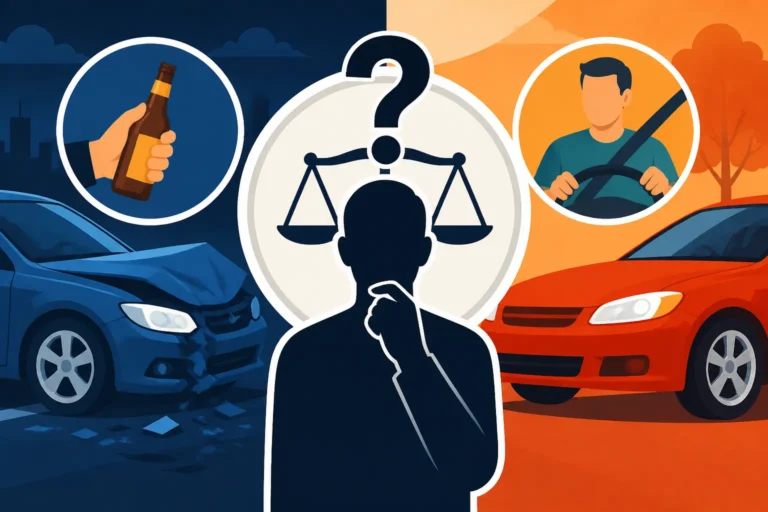
Texas law establishes fault in drunk driving accidents through negligence per se and police reports, impacting damage recovery.
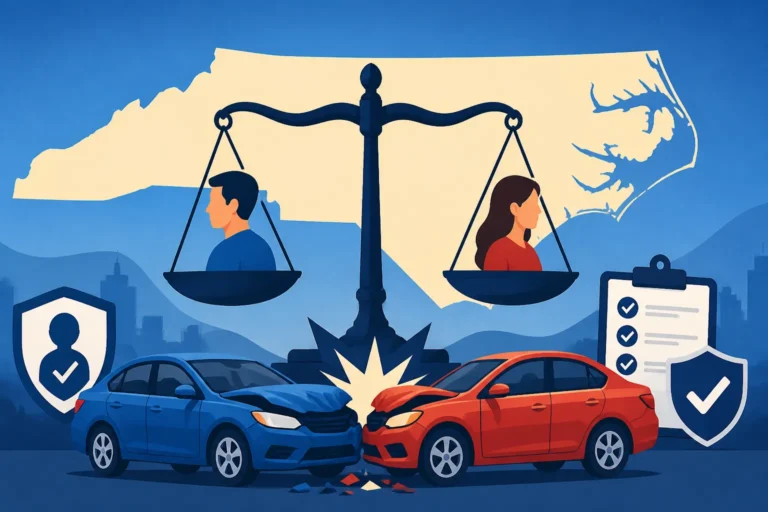
North Carolina contributory negligence laws bar car accident victims from recovering damages if they share one percent fault.
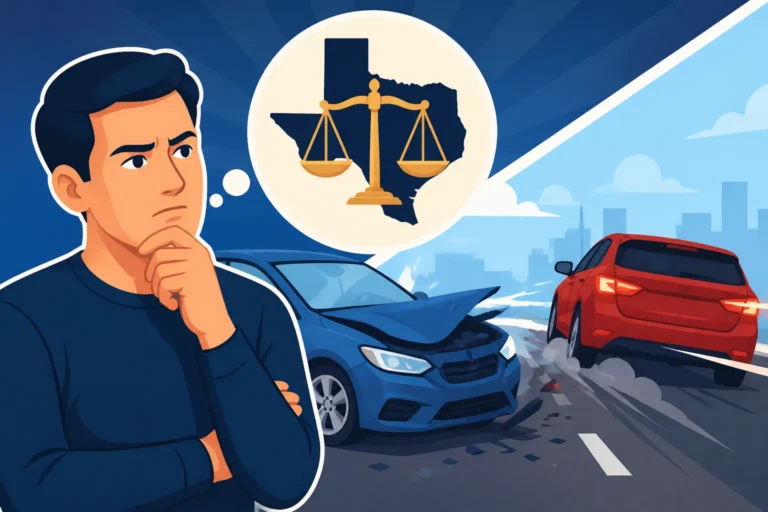
Fault determination and insurance claims in Texas hit-and-run accidents depend on evidence collection and police investigations.

New York comparative negligence rules let car accident victims recover damages even when partially at fault for the crash.

Texas multi-car accident fault rules determine liability percentages and insurance claim payouts for drivers involved in pileups.

New Mexico pure comparative negligence laws allow injured drivers to recover compensation reduced by their fault percentage.
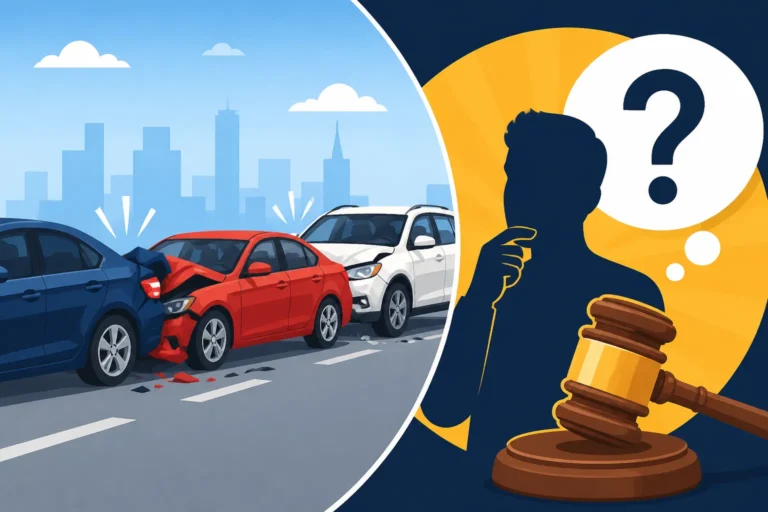
Fault determination in Texas chain-reaction car accidents involves modified comparative negligence and identifying the initial striking driver.
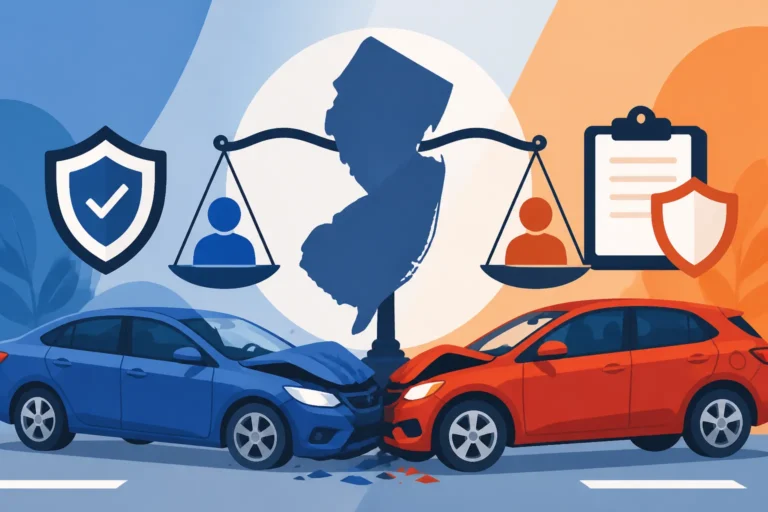
New Jersey comparative negligence laws explain how shared fault impacts car accident compensation and damage recovery limits.

Texas backing-up accident fault rules, modified comparative negligence principles, and insurance claim liability guidelines explained clearly.
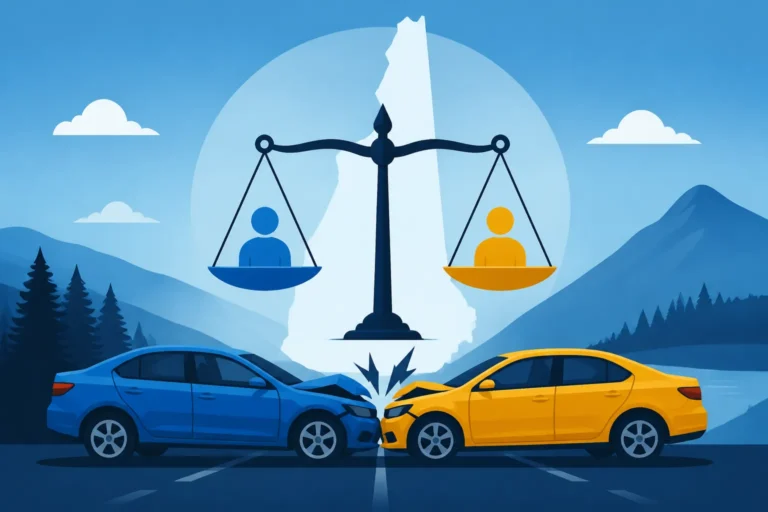
New Hampshire comparative negligence laws dictate how shared fault reduces car accident compensation and affects damage recovery.