Is New Jersey a No-Fault State?
Getting into a car accident is jarring, confusing, and often leaves you with more questions than answers. One of the biggest head-scratchers for drivers, especially those new to the state or unfamiliar with insurance jargon, is whether New Jersey operates under a "no-fault" system. This can profoundly impact how you seek medical treatment and compensation. This comprehensive guide is here to unravel the complexities of New Jersey's unique auto insurance laws, so you understand your rights and responsibilities when a crash occurs.
Understanding the Landscape of Car Accident Insurance
Before we dive into the specifics of New Jersey, it's really helpful to get a grasp on the two main types of car insurance systems that states typically use: "no-fault" and "at-fault." The difference between them isn't just a legal technicality; it directly affects how you get your medical bills paid and whether you can sue the other driver for your injuries.
The Foundational Ideas Behind No-Fault Systems
In a pure "no-fault" system, the idea is that after an accident, each driver turns to their own insurance company to cover their medical expenses and lost wages, regardless of who was actually responsible for the crash. This system aims to streamline the claims process, reduce litigation, and ensure that injured parties receive prompt medical care without waiting for fault to be determined. The primary coverage in these states is called Personal Injury Protection, or PIP, which pays for your medical treatment and, in some cases, lost wages and essential services. This means less finger-pointing immediately after a fender bender, but it also often comes with limitations on when you can sue the at-fault driver for pain and suffering. If you're wondering, "What Is a No-Fault State? (And Which States Are No-Fault)", you're certainly not alone in seeking clarity on this often-misunderstood aspect of insurance.
How Traditional "At-Fault" Systems Operate
On the flip side, most states operate under an "at-fault" or "tort" system. In these states, the person who caused the accident is financially responsible for all damages and injuries sustained by the other parties. This means if another driver runs a red light and hits you, their insurance company would typically pay for your medical bills, lost wages, and property damage. To recover these costs, you (or your attorney) would need to prove that the other driver was negligent. This system often leads to more extensive investigations into liability and can result in lawsuits for both economic damages (like medical bills and lost wages) and non-economic damages (like pain and suffering). Determining who is at fault in a car accident can be a lengthy process in these states.
The Rationales for Implementing No-Fault Laws
States didn't just pick no-fault laws out of thin air; there were genuine motivations behind their adoption. One of the biggest drivers was the desire to reduce the burden on the court system. In at-fault states, even minor accidents can lead to drawn-out legal battles over who was responsible and how much their injuries are "worth." No-fault laws were designed to cut through that, ensuring quicker access to medical benefits and reducing the need for lawsuits for minor injuries. The hope was also to lower insurance premiums by reducing litigation costs, though whether this has consistently happened is a subject of ongoing debate among policymakers and insurance experts. It's a system that tries to prioritize immediate care over immediate blame.
Unpacking New Jersey's No-Fault Status
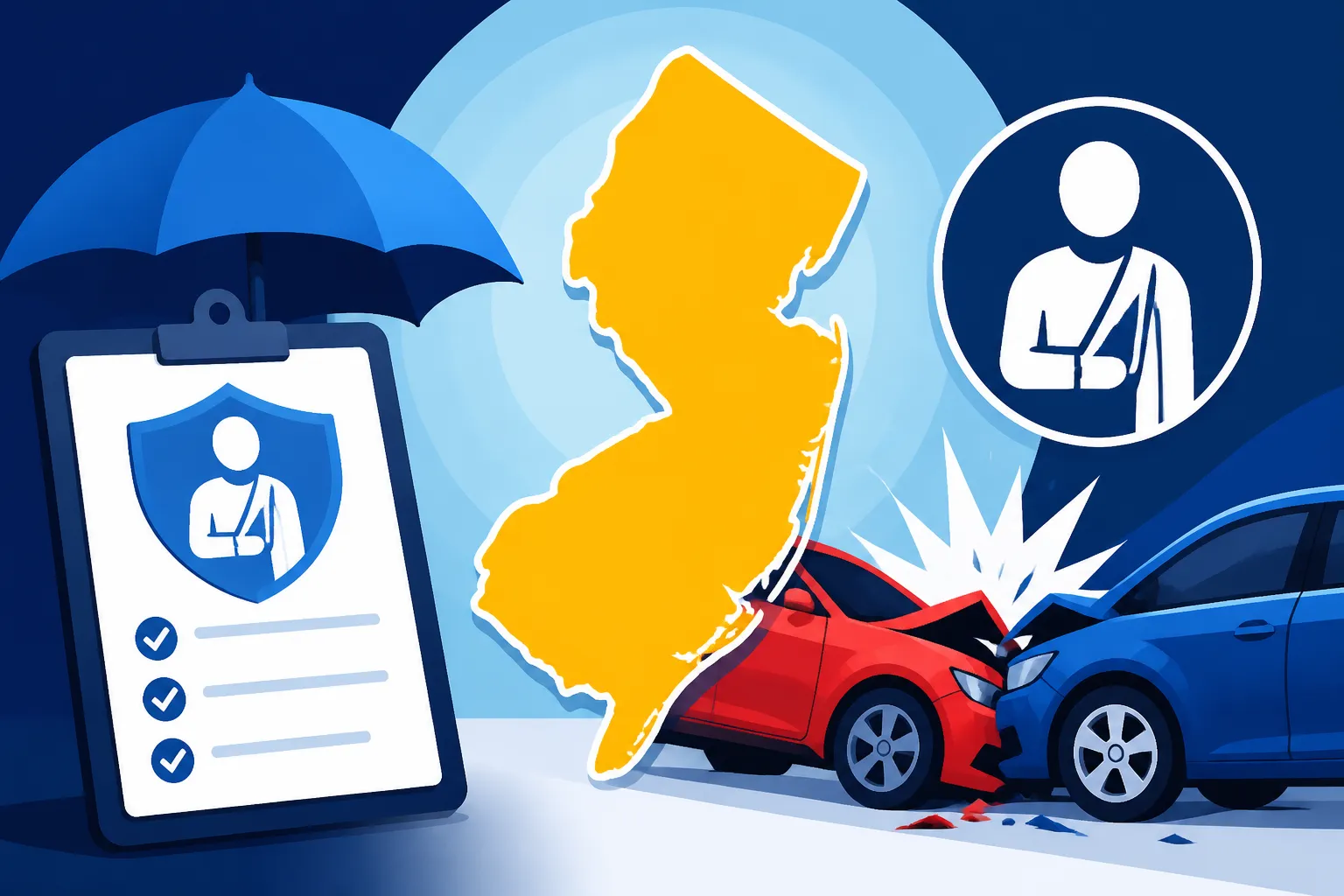
Now, let's get down to the brass tacks: Is New Jersey a no-fault state? The definitive answer is yes, but with some crucial nuances that make it a bit of a hybrid system. New Jersey drivers are required to carry Personal Injury Protection (PIP) coverage, but they also have options regarding their right to sue the at-fault driver. This blend of no-fault and tort principles can be confusing, making it essential for every driver in the Garden State to understand their policy choices.
The Mandatory Personal Injury Protection PIP Component
Every single driver in New Jersey is required to carry Personal Injury Protection (PIP) insurance. This is the cornerstone of the state's no-fault system. If you're involved in an accident, your PIP coverage is generally responsible for paying your medical bills, regardless of who caused the crash. Think of it as your own personal safety net for immediate medical costs and certain other expenses like lost wages or essential services if you're unable to perform daily tasks.
For example, let's say you're driving down Route 1 and someone rear-ends you. Even if it's crystal clear that the other driver was 100% at fault, your initial medical bills for doctor visits, physical therapy, or even surgery will typically be paid by your own PIP coverage. This ensures that you don't have to wait for an investigation into fault to begin receiving necessary treatment. It's a critical benefit for ensuring prompt care, but it also means that, generally, you cannot sue the at-fault driver for these same medical expenses, as they are covered by your own policy. This simplifies the initial phase of handling your claim.
Deciphering the "Verbal Threshold" or "Limitation on Lawsuit"
Here's where New Jersey's "no-fault" gets its unique flavor. When you purchase auto insurance in New Jersey, you'll be presented with a choice:
- The Limitation on Lawsuit Option (often called the "verbal threshold"): This is the more common and generally cheaper option. If you choose this, you agree to limit your right to sue the at-fault driver for pain and suffering, unless your injuries meet certain serious criteria defined by law. These criteria are usually specific types of injuries like significant disfigurement, a fracture, loss of a body part, permanent injury, or death. For many common soft tissue injuries, this threshold makes it difficult, if not impossible, to sue for non-economic damages.
- The No Limitation on Lawsuit Option (sometimes called the "zero threshold"): This option costs more, but it preserves your full right to sue an at-fault driver for pain and suffering, no matter the severity of your injury, much like in a traditional "at-fault" state.
This choice is incredibly important because it dictates your ability to recover non-economic damages after an accident. Many people opt for the verbal threshold to save money on premiums without fully understanding the implications. If you're injured in a car accident and chose the verbal threshold, you might find yourself unable to pursue a claim for pain and suffering unless your injuries are quite severe and meet the specific statutory definitions.
Specific Scenarios Where You Can Pursue a Fault-Based Claim
Despite New Jersey's no-fault aspects, there are specific circumstances where you can step outside the no-fault system and pursue a traditional fault-based claim against the at-fault driver. Understanding these exceptions is key:
- Meeting the Verbal Threshold: As mentioned, if you have the Limitation on Lawsuit option but your injuries meet one of the statutorily defined categories (e.g., a fracture, permanent injury, significant scarring), you can then sue the at-fault driver for pain and suffering. Proving that your injury meets this threshold often requires extensive medical documentation and expert testimony.
- The Other Driver is Uninsured or Out-of-State: If the at-fault driver is uninsured, you would typically pursue a claim under your own uninsured motorist coverage. If the at-fault driver is from out-of-state and their policy isn't subject to New Jersey's no-fault rules, you might be able to pursue a traditional fault claim against them.
- Property Damage: New Jersey's no-fault system primarily applies to bodily injury claims. Your property damage claim (for repairs to your vehicle) is always handled under an at-fault system. If someone else caused the damage to your car, their property damage liability insurance is responsible for paying for your repairs or total loss.
- Exceeding PIP Limits: While your PIP covers medical expenses, there are limits. If your medical bills far exceed your PIP coverage limits (which can range from $15,000 to $250,000 depending on your policy), you might then be able to pursue the excess medical expenses from the at-fault driver, especially if you have the "no limitation on lawsuit" option or meet the verbal threshold.
It's a lot to process, but knowing when you can and can't sue is paramount. If you've been injured and believe your case falls into one of these exceptions, understanding who is at fault in a car accident becomes crucial, as you'll need to prove the other driver's negligence.
Navigating the Aftermath of a Crash in the Garden State
A car accident is a chaotic event, and knowing what to do in the immediate aftermath can significantly impact your ability to recover both physically and financially. In New Jersey, with its unique no-fault structure, the steps you take are especially important.
Immediate Actions to Take Following a Collision
First and foremost, your safety and the safety of others are paramount. After ensuring everyone is safe and moving to a secure location if possible, there are several critical steps you should take. Just like any accident, regardless of where it happens, documenting the scene is vital. You should exchange information with the other driver, including names, contact details, insurance information, and vehicle details. Photograph the scene, damage to both vehicles, and any visible injuries.
For instance, if you're involved in a collision on the Garden State Parkway, even a minor one, take photos of the vehicles' positions before they are moved, if it's safe to do so. Get pictures of skid marks, road conditions, and any relevant traffic signs. This immediate documentation can be incredibly valuable later, especially if there's a dispute about how the accident occurred or How Fault Is Determined in a Car Accident. Always call the police, even for what seems like a minor fender bender, so they can create an official Police Reports and Car Accident Fault. This report provides an objective account of the incident and can be an invaluable piece of evidence. Remember, What to Do After a Car Accident: Step-by-Step (2027) is a crucial checklist for any driver.
Making Sense of Your PIP Benefits and Medical Treatment
After addressing the immediate aftermath, your next priority is your health. In New Jersey, remember your PIP coverage is primary for your medical expenses. This means you should seek medical attention as soon as possible after an accident, even if you feel fine initially, as some injuries, like whiplash or concussions, might have Delayed Injury Symptoms After a Car Accident.
When you go to the doctor, make it clear that your injuries are related to a car accident. Your medical providers will bill your own PIP insurance directly. It's essential to follow your doctor's recommendations for treatment. If you fail to get proper medical care or skip appointments, it could negatively impact your claim, especially if you later try to argue that your injuries meet the verbal threshold. Keep meticulous records of all your medical appointments, treatments, medications, and any out-of-pocket expenses. This paper trail is invaluable for proving your injuries and ensuring your PIP benefits are properly disbursed. Many people wonder, Should You Call Your Insurance If It Wasn't Your Fault?, and in New Jersey, the answer is generally yes for your PIP benefits.
Addressing Vehicle Damage and Property Claims Separately
While your PIP coverage handles your personal injuries, your vehicle's damage is a different story altogether. Property damage claims in New Jersey follow the traditional at-fault system. If another driver caused the accident, their property damage liability insurance is responsible for paying for the repairs to your car or its actual cash value if it's deemed a total loss.
You can file a claim directly with the at-fault driver's insurance company for property damage, or you can use your own collision coverage if you have it. If you use your own collision coverage, your insurer will typically pay for the repairs (minus your deductible) and then seek reimbursement from the at-fault driver's insurance in a process called subrogation. This separation is important to remember: your physical recovery is handled by your PIP, but your vehicle's recovery falls under traditional fault rules. Understanding How Car Accident Insurance Claims Work is beneficial for this part of the process.
Important Choices for New Jersey Drivers and Accident Victims
The decisions you make before an accident, particularly regarding your insurance policy, and the steps you take after an accident can significantly impact your recovery. New Jersey's unique insurance landscape places a lot of power and responsibility in the hands of the policyholder.
Selecting the Right Insurance Options for Your Needs
Choosing your auto insurance policy in New Jersey isn't just about finding the cheapest premium; it's about making informed decisions that protect you and your family. When you're presented with the choice between the "Limitation on Lawsuit" (verbal threshold) and "No Limitation on Lawsuit" options, carefully consider your priorities. While the verbal threshold often comes with lower premiums, it significantly restricts your ability to sue for pain and suffering. If you're concerned about preserving your right to seek full compensation for any injury, the no limitation option might be worth the extra cost.
Furthermore, consider your PIP limits. While state minimums are in place, opting for higher PIP coverage can provide a greater safety net for extensive medical bills. Many drivers also choose to add uninsured/underinsured motorist (UM/UIM) coverage, which protects you if the at-fault driver has no insurance or insufficient insurance to cover your damages beyond your PIP limits. This can be critical, as it ensures you have recourse even if the other party can't pay.
The Critical Role of Medical Documentation
In a no-fault state like New Jersey, especially if you've chosen the verbal threshold, thorough medical documentation is not just important; it's absolutely critical. Every doctor's visit, every physical therapy session, every prescription, and every diagnostic test (X-rays, MRIs) creates a paper trail that proves the extent and nature of your injuries. This documentation is what your medical providers will use to bill your PIP, and it's what an attorney will rely on to argue that your injuries meet the serious injury threshold if you pursue a lawsuit for pain and suffering.
For example, if you sustain a disc herniation, detailed medical records showing objective findings (like an MRI confirming the herniation) and consistent treatment are far more powerful than just verbally stating you have back pain. Without objective evidence and a clear link between the accident and your injuries, even a seemingly serious injury might not meet the verbal threshold's strict requirements. Keep a journal of your pain levels, limitations, and how your injuries affect your daily life. This personal account, combined with professional medical records, strengthens your position.
When Professional Legal Guidance Becomes Essential
Given the complexities of New Jersey's no-fault laws and the often-aggressive tactics of insurance companies, seeking professional legal guidance can be incredibly beneficial. An experienced New Jersey car accident attorney can help you understand your rights, navigate the PIP claim process, and determine if your injuries meet the verbal threshold, allowing you to pursue a claim for pain and suffering. They can also deal with the insurance adjusters, who often try to minimize payouts or deny claims.
If you're dealing with serious injuries, if liability is disputed, or if you're struggling to get your medical bills paid, consulting an attorney is highly recommended. They can explain What Happens If the Other Driver Blames You? and help you gather the necessary evidence. Many people hesitate, thinking Do You Need a Lawyer for a Car Accident? (2026), but for New Jersey's system, having an expert on your side can make all the difference, especially when deciding When to Hire a Car Accident Lawyer.
Here's a quick summary of key differences and considerations in New Jersey's system:
| Feature | Traditional At-Fault State | New Jersey No-Fault System (with verbal threshold) |
|---|---|---|
| Medical Bills (Injuries) | At-fault driver's insurance | Your own PIP insurance (regardless of fault) |
| Lost Wages | At-fault driver's insurance | Your own PIP insurance (up to policy limits) |
| Property Damage | At-fault driver's insurance | At-fault driver's insurance (standard tort claim) |
| Right to Sue for Pain & Suffering | Generally unrestricted | Restricted to "serious injury" (verbal threshold) or if "No Limitation on Lawsuit" option chosen |
| Initial Claims Process | Focus on proving fault | Focus on getting immediate medical care via PIP |
| Litigation Likelihood | Higher for all injuries | Lower for minor injuries (due to threshold) |
Understanding these differences is crucial for any driver in New Jersey. The system is designed to provide quick access to medical care, but it also places a significant burden on the injured party to prove severe injuries if they wish to seek compensation for pain and suffering.
Disclaimer
Please remember that this article provides general informational guidance and is not a substitute for professional legal advice. Car accident laws are complex and can change. For specific advice regarding your individual situation, always consult with a qualified attorney in your jurisdiction.