Knee Injuries in Car Accidents
Experiencing a car accident is disorienting enough, but discovering you've sustained a painful knee injury in the aftermath can truly throw your life into a tailspin. The sharp pain, swelling, and sudden difficulty with basic movements like walking or standing can feel overwhelming, leaving you wondering how you'll ever recover, let alone navigate the complex world of insurance claims. This comprehensive guide is here to walk you through everything you need to know about knee injuries from car accidents, from understanding the types of injuries to securing the compensation you deserve for your recovery.
Understanding Common Knee Injuries from Car Accidents
Knee injuries are unfortunately very common in car accidents, largely because of the mechanics of impact and how our bodies are positioned in a vehicle. Whether your knee makes direct contact with the dashboard or console, or your body twists unnaturally, the delicate structures of the knee are incredibly vulnerable. It's not just about immediate pain; these injuries can have long-lasting effects on your mobility and quality of life.
Direct Impact Injuries
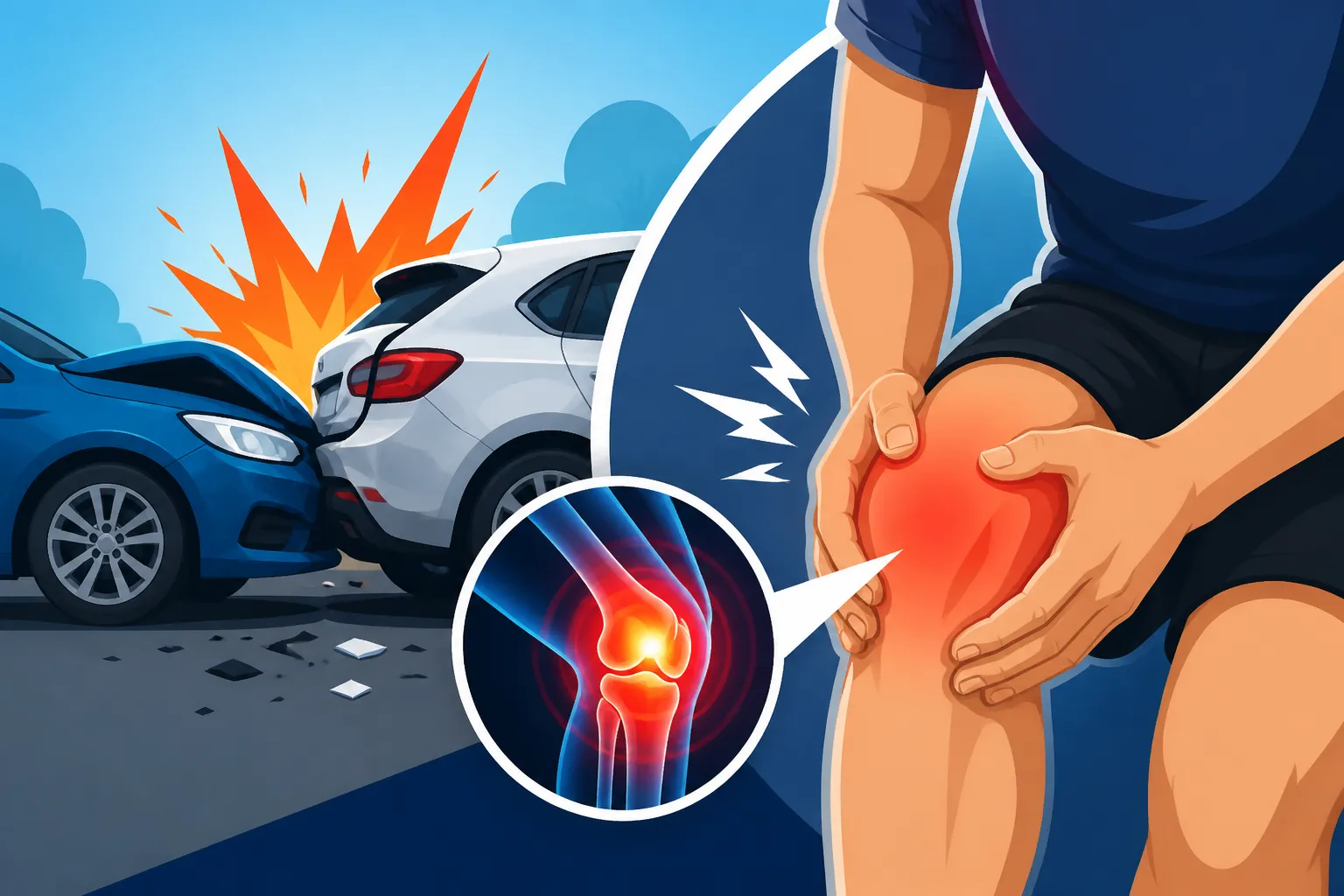
Imagine the sudden force of a collision. In many front-end or even side-impact crashes, your knees can slam directly into the dashboard, steering column, or door panel. This direct force can cause a range of painful issues, from deep bruising to serious fractures.
For example, a dashboard knee injury, often called "dashboard knee," occurs when your knee impacts the dashboard, driving your femur (thigh bone) forcefully into the hip socket. This can lead to tears in the ligaments, cartilage damage, or even patellar (kneecap) fractures. Similarly, the force of a steering wheel impact can cause damage to the front of the knee. These types of impacts often result in visible swelling, immediate and intense pain, and difficulty bending or straightening the leg. It's a jarring experience that can leave you with more than just a bruise; the underlying structures can be severely compromised.
Twisting and Hyperextension Injuries
Beyond direct impact, the sudden, violent movements during a car accident can cause your knee to twist or hyperextend beyond its normal range of motion. This is where the crucial ligaments that stabilize your knee often get damaged.
Think about a sudden stop or a sideswipe collision: your body might be thrown forward or to the side, but your feet remain planted, causing your upper leg to twist unnaturally on your lower leg. This kind of motion frequently leads to tears in the anterior cruciate ligament (ACL), medial collateral ligament (MCL), or lateral collateral ligament (LCL). A "pop" sound at the time of injury is a classic sign of an ACL tear, followed by instability and swelling. Similarly, a hyperextension injury, where the knee is forced backward past its normal limit, can also tear ligaments or damage the meniscus, the C-shaped cartilage that cushions your knee joint. These are significant injuries that often require extensive recovery and can truly impact your ability to walk, run, and even perform daily tasks. These are often discussed when looking at Common Car Accident Injuries: Complete Guide (2027).
Patellofemoral Pain Syndrome and Fractures
Sometimes, the injury isn't an obvious break or tear but a more insidious problem. Patellofemoral Pain Syndrome (PFPS), also known as "runner's knee," can develop or be exacerbated after a car accident due to trauma to the kneecap or the surrounding soft tissues. This condition involves pain around or behind your kneecap, often worse when walking up or down stairs, squatting, or sitting with bent knees for long periods. The impact might not be severe enough to cause a fracture, but it can still disrupt the kneecap's normal movement within its groove.
On the more severe end, direct trauma or extreme twisting forces can lead to various types of knee fractures. This includes a patellar fracture (a break in the kneecap), tibial plateau fractures (a break in the top part of your shin bone near the knee), or even fractures of the lower end of the femur. These are typically excruciating injuries that almost always require surgical intervention to realign and stabilize the bone fragments. Recovery can be very lengthy, often involving non-weight-bearing periods and extensive physical therapy.
Symptoms and Diagnosis of Knee Injuries
The immediate aftermath of a car accident is chaotic, and it can be hard to focus on what hurts. However, paying close attention to any knee discomfort, no matter how minor it seems, is crucial. The symptoms of knee injuries can manifest in various ways, and a proper diagnosis is the first step toward effective treatment and a successful claim.
Immediate vs. Delayed Symptoms
It's a common misconception that if you're not in excruciating pain right after a car accident, you're fine. This couldn't be further from the truth, especially with knee injuries. Sometimes, the adrenaline rush from the accident can mask pain, or the injury itself might take a day or two to fully "flare up." You might experience a slight ache initially, which then escalates into throbbing pain, swelling, and stiffness over the next 24 to 72 hours. This phenomenon of Delayed Injury Symptoms After a Car Accident is something many accident victims face, leading to confusion and frustration.
Keep an eye out for any of these signs in the days following a crash: pain (sharp, dull, throbbing), swelling, tenderness to touch, warmth around the knee, bruising, difficulty bearing weight, instability (feeling like your knee might "give out"), inability to fully straighten or bend your leg, or a "clicking," "popping," or "catching" sensation in the joint. Even subtle changes should be noted and discussed with a medical professional. Don't assume it's just a minor tweak that will resolve on its own.
The Importance of Professional Medical Evaluation
Seriously, folks, don't play hero and tough it out. If you suspect any knee injury, seeing a doctor as soon as possible is paramount. This isn't just about your health; it's also about protecting your potential car accident claim. A medical evaluation establishes a clear, documented link between the accident and your injury, which is vital when dealing with insurance companies. They love to dispute claims if there's a gap between the accident and when you first sought medical attention.
Your primary care physician might be a good first stop, but they will likely refer you to an orthopedic specialist. Orthopedic surgeons specialize in musculoskeletal injuries and have the expertise to accurately diagnose and treat complex knee conditions. They can assess the full extent of the damage, differentiate between various types of ligament tears, cartilage damage, and fractures, and recommend the most appropriate course of action. This professional opinion is a cornerstone of your medical recovery and your claim.
Diagnostic Tools and Procedures
To get to the bottom of your knee pain, doctors rely on a combination of physical examination and advanced imaging. During a physical exam, the doctor will check for swelling, tenderness, range of motion, and stability of the knee. They might perform specific tests, like the Lachman test for ACL tears or McMurray's test for meniscal tears, by manipulating your leg to check for ligament integrity and joint mechanics.
Beyond the hands-on assessment, imaging studies are crucial. X-rays are usually the first step to rule out fractures. However, for soft tissue injuries like ligament tears (ACL, MCL, PCL, LCL) or meniscal damage, a magnetic resonance imaging (MRI) scan is the gold standard. MRI provides detailed images of ligaments, tendons, cartilage, and other soft tissues that don't show up on X-rays. In some cases, a CT scan might be used for more detailed bone imaging or to assess complex fractures. These diagnostic procedures provide concrete evidence of your injury, which is incredibly important for your treatment plan and for How Medical Records Prove Your Injuries in the eyes of an insurance adjuster.
Treatment Options and Recovery for Knee Injuries
Once a knee injury is diagnosed, the focus shifts to treatment and recovery. This journey can be long and challenging, requiring patience and dedication. The specific treatment path will depend heavily on the type and severity of your injury.
Non-Surgical Approaches and Rehabilitation
For many less severe knee injuries, or as a preparatory step for surgery, non-surgical approaches are the first line of defense. The R.I.C.E. method (Rest, Ice, Compression, Elevation) is often recommended initially to reduce swelling and pain. Over-the-counter pain relievers or prescription anti-inflammatory medications can also help manage discomfort.
Physical therapy is a cornerstone of non-surgical treatment and rehabilitation. A skilled physical therapist will design a personalized exercise program to strengthen the muscles supporting your knee, improve range of motion, and restore stability. This might include exercises like quad sets, hamstring curls, leg raises, and balance exercises. They can also use modalities such as ultrasound, electrical stimulation, or manual therapy techniques. Consistency with your physical therapy is crucial; skipping sessions or not doing your home exercises can significantly prolong your recovery or lead to poorer outcomes. This dedicated rehabilitation is not just about healing; it's about regaining function and preventing future complications.
Surgical Interventions and Post-Op Care
Unfortunately, some knee injuries, especially complete ligament tears (like a fully torn ACL) or complex fractures, simply won't heal properly without surgical intervention. ACL reconstruction, meniscal repair, and surgical stabilization of fractures are common procedures following car accidents. These surgeries typically involve arthroscopic techniques, using small incisions and a camera to repair or reconstruct damaged tissues.
After surgery, your journey truly begins. Post-operative care is extensive and demanding. It usually involves a period of immobilization, often with a brace, followed by a rigorous physical therapy regimen that can last for many months. The initial phase focuses on reducing swelling, protecting the repair, and regaining basic range of motion. Gradually, you'll progress to strengthening exercises, balance training, and eventually sport-specific drills if applicable. Pain management is also a critical part of post-op care. It's essential to follow your surgeon's and physical therapist's instructions precisely to ensure the best possible outcome and minimize the risk of re-injury.
Managing Long-Term Pain and Disability
Even with the best treatment and rehabilitation, some knee injuries can lead to long-term pain, stiffness, or even permanent disability. This is a tough reality for many accident victims. Chronic pain can develop due to ongoing inflammation, nerve damage, or changes in the joint mechanics. In some cases, post-traumatic arthritis can set in years down the line, as the initial injury accelerates wear and tear on the joint cartilage.
Managing these long-term issues often involves a multidisciplinary approach. This might include ongoing physical therapy, pain management specialists who can offer injections or other interventions, or even mental health support to cope with the emotional toll of chronic pain and limited mobility. It's crucial to continue documenting any ongoing symptoms and treatments, as these long-term impacts can significantly affect the overall value of your car accident settlement. Your medical team needs to understand the full scope of your challenges.
Navigating Your Car Accident Claim with a Knee Injury
Dealing with a knee injury is difficult enough, but trying to navigate the complex world of insurance claims simultaneously can feel like a second accident. It's vital to understand how to properly document your injuries and prove your case to ensure you receive fair compensation. Many people wonder How Much Is My Car Accident Settlement Worth? (2026) when facing such significant injuries.
Documenting Your Injuries and Medical Expenses
Thorough documentation is the bedrock of any successful car accident claim, especially when dealing with something as serious as a knee injury. From the moment you seek medical attention, every doctor's visit, every diagnostic test, every physical therapy session, and every prescription needs to be meticulously recorded. Keep a detailed log of all medical appointments, including the date, the doctor seen, the purpose of the visit, and any recommendations or prescriptions.
Collect all bills, receipts, and invoices related to your medical care, including ambulance rides, emergency room visits, specialist consultations, MRI scans, surgical procedures, physical therapy, crutches, braces, and medications. Don't forget to track your mileage for medical appointments, as this can also be part of your claim. A clear, unbroken chain of medical records and expenses directly links your injury to the accident and substantiates the financial impact it has had on your life.
Proving the Link Between the Accident and Your Injury
Insurance companies are notorious for trying to minimize payouts, and one common tactic is to argue that your knee injury wasn't caused by the car accident or that it's a pre-existing condition. This is where the immediacy of seeking medical attention and the thoroughness of your documentation become invaluable. Your medical records should clearly state the mechanism of injury (e.g., "patient presented after a motor vehicle accident, reporting left knee pain after impact with dashboard").
Your doctor's detailed notes, diagnostic imaging reports (MRI showing a new tear, for example), and physical therapy records demonstrating the progression of your injury and rehabilitation efforts all serve as powerful evidence. If you had a pre-existing knee condition, it's essential for your medical professionals to highlight how the accident aggravated or worsened that condition. This is a critical step in How to Prove Injuries in a Car Accident Claim and ensuring the insurance company can't dismiss your legitimate damages.
Factors Affecting Your Settlement for a Knee Injury
Several factors play a significant role in determining the potential settlement amount for a knee injury. The severity of the injury is paramount: a minor sprain will command a much lower settlement than a complete ACL tear requiring surgery or a tibial plateau fracture. The type of injury, such as a Average Settlement for a Broken Bone versus Average Settlement for Soft Tissue Injuries, also plays a huge part.
Beyond the injury itself, your total economic damages – quantifiable losses like medical bills, lost wages, and future medical expenses – are a major component. Non-economic damages, such as pain and suffering, loss of enjoyment of life, and emotional distress, are also calculated and can form a substantial part of your settlement. The extent of your recovery, whether you achieve maximum medical improvement (MMI), and if you have any permanent impairment or ongoing limitations will heavily influence the non-economic portion. Furthermore, the at-fault driver's insurance policy limits and the strength of the evidence you provide will also affect the final settlement figure. Understanding How Car Accident Settlements Are Calculated can help set realistic expectations.
| Type of Knee Injury | Typical Severity | Common Treatment | Potential Long-Term Impact |
|---|---|---|---|
| Knee Contusion | Mild | RICE, Pain Meds | Rarely long-term |
| Meniscus Tear | Moderate-Severe | PT, Surgery | Possible arthritis |
| ACL Tear | Severe | Surgery, PT | Instability, arthritis |
| MCL Tear | Mild-Moderate | RICE, PT | Rarely long-term |
| Patellar Fracture | Severe | Surgery, PT | Chronic pain, stiffness |
| Tibial Plateau Fx | Severe | Surgery, PT | Arthritis, alignment issues |
Dealing with Insurance Companies and Legal Considerations
The aftermath of a car accident, especially with a significant injury like one to your knee, can leave you feeling vulnerable and overwhelmed. Insurance companies, despite their friendly commercials, are businesses focused on their bottom line. Understanding how to communicate with them and when to seek legal help is essential.
Communicating with Adjusters
Soon after an accident, you'll likely hear from the at-fault driver's insurance adjuster. They might sound sympathetic and helpful, but remember, their job is to settle your claim for the least amount possible. Be extremely cautious about what you say. Never admit fault, even partially. Avoid giving recorded statements without first consulting an attorney. Stick to the facts: provide details about the accident, but refrain from speculating about your injuries or making definitive statements about your recovery. You might think you're "fine" a few days after the crash, but a knee injury can have delayed symptoms or unforeseen complications.
It's okay to inform them that you are seeking medical treatment for your knee and will provide updates as you have more information from your doctors. Do not sign any medical releases that give them unrestricted access to your entire medical history, as they will use this to dig for pre-existing conditions unrelated to the accident. A limited medical release for only the relevant injuries is appropriate. Always remember, anything you say can and will be used to devalue your claim.
Understanding Comparative Fault
One of the first things an insurance company might try to do is assign some blame for the accident to you. This is where the concept of comparative fault comes into play. Depending on the state where the accident occurred, if you are found to be partially at fault, your recoverable damages could be reduced or even eliminated. For example, in states with modified comparative negligence laws, if you are found 50% or 51% or more at fault, you might not be able to recover any damages from the other party.
Let's say you had a severe knee injury, and your total damages are calculated at $100,000. If the insurance company successfully argues that you were 20% at fault for the accident, your settlement could be reduced by 20% to $80,000. This is a common tactic to lower payouts, and it underscores why having strong evidence that places fault squarely on the other driver is crucial. For more details on this, you might want to read about How Fault Affects Your Insurance Claim and What Happens If You're Partially at Fault?.
When to Seek Legal Counsel
Given the complexity of serious knee injuries, the detailed medical documentation required, the nuances of comparative fault, and the tactics employed by insurance companies, it's often in your best interest to consult with an experienced car accident attorney. An attorney specializing in personal injury cases understands the intricacies of knee injuries and how they impact a claim. They can help you with How to File a Car Accident Insurance Claim, navigate communication with adjusters, ensure all medical evidence is gathered, and negotiate a fair settlement on your behalf.
They can also help you understand and claim all types of damages, including Economic vs Non-Economic Damages Explained, making sure you're not leaving any money on the table. If negotiations fail, they can prepare your case for litigation. While it might seem daunting, most car accident attorneys work on a contingency fee basis, meaning you don't pay anything upfront, and they only get paid if you win your case. This makes legal representation accessible when you need it most, helping you focus on your recovery. Understanding When to Hire a Car Accident Lawyer can save you a lot of stress and potential financial loss.
Protecting Your Health and Your Claim After a Knee Injury
After a car accident involving a knee injury, your primary focus should be on your physical recovery, but simultaneously, you must be strategic to protect your legal claim. These two aspects are deeply intertwined, and missteps in one can negatively impact the other.
Following Medical Advice Diligently
This cannot be stressed enough: follow every piece of medical advice you receive. This means attending all doctor's appointments, physical therapy sessions, and specialist consultations. Take your prescribed medications as directed, and adhere to any restrictions on activity or weight-bearing. If your doctor recommends surgery, seriously consider it and follow through with all pre- and post-operative instructions.
From a health perspective, diligent adherence to your treatment plan gives you the best chance for a full recovery and minimizes the risk of complications or long-term issues. From a legal perspective, consistently following medical advice demonstrates to the insurance company and, if necessary, to a court, that you are taking your injury seriously and are genuinely committed to your recovery. Gaps in treatment, missed appointments, or a failure to follow through can be used by the defense to argue that your injuries aren't as severe as you claim or that you failed to mitigate your damages. This could directly impact your settlement.
The Role of Physical Therapy and Specialists
Physical therapy is often a long-term commitment for knee injuries, critical for restoring strength, flexibility, and range of motion. Think of your physical therapist as a coach guiding you through the rehabilitation process. They'll monitor your progress, adjust exercises as needed, and document your functional improvements or ongoing limitations. This documentation is invaluable for your claim, painting a clear picture of your recovery journey and any permanent restrictions you may face.
Beyond your primary physician and physical therapist, you might also need to see other specialists. An orthopedic surgeon, as mentioned, is often crucial for diagnosis and surgical planning. A pain management specialist might be needed for chronic pain issues, or even a vocational rehabilitation specialist if your knee injury impacts your ability to return to your previous job. All these specialists contribute to your comprehensive care plan and provide expert opinions that bolster your claim by detailing the medical necessity of all treatments. Each specialist's assessment adds weight to your case.
Avoiding Actions That Can Harm Your Claim
While recovering from a knee injury, it's natural to want to share updates with friends and family, but be very cautious about social media. Posts, photos, or even check-ins that show you engaging in activities inconsistent with your claimed injuries can be used by insurance companies to undermine your credibility. Even seemingly innocuous posts about having a "good day" can be twisted to suggest you're not as injured as you claim. It's best to keep your social media private or, even better, refrain from posting about your accident or injuries at all.
Similarly, avoid discussing your case with anyone other than your attorney and medical team. This includes the at-fault driver, their insurance company (unless directed by your attorney), or even well-meaning friends who might offer advice. Stay off the internet searching for "average settlement amounts," as every case is unique. Focus on your recovery, let your medical team guide your health, and let your attorney guide your claim. This focused approach will significantly improve your chances of both a successful recovery and a fair settlement.
Disclaimer
Please remember that this article provides general information and insights into knee injuries from car accidents and the associated claim process. It is not intended as legal or medical advice. Every car accident and personal injury claim is unique. For personalized guidance regarding your specific situation, it is always recommended to consult with a qualified legal professional and your healthcare provider.