How Soon After an Accident Do Injuries Appear?
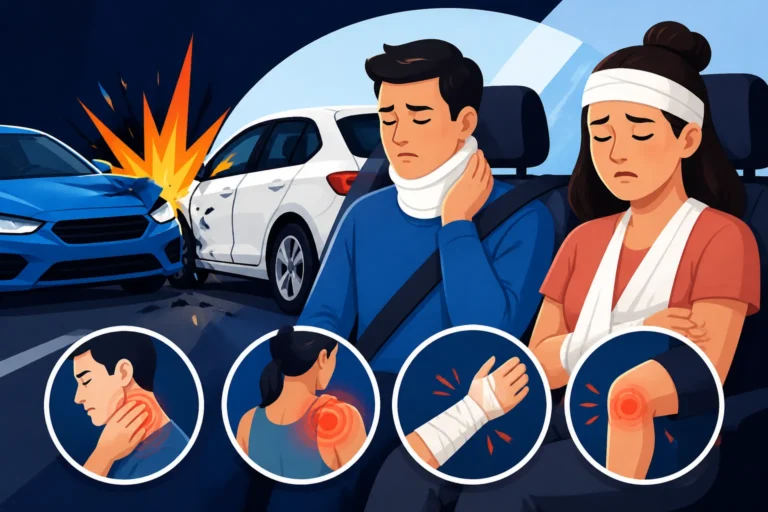
It’s a scenario far too many of us have faced: you’ve just been in a car accident, the initial shock wears off, and miraculously, you feel… okay. Maybe a little shaken, but no immediate pain, no visible injuries. You breathe a sigh of relief, exchange information, and head home, thinking you dodged a bullet. Then, a day or two later, or even a week, a nagging ache starts, followed by stiffness, shooting pains, or a constant headache that wasn’t there before. This guide will walk you through why injuries often don't show up immediately after a crash and what you absolutely need to know to protect your health and your potential car accident claim.
The Adrenaline Rush: Why You Might Feel "Fine" at First
That initial feeling of being "fine" after a car accident is incredibly common, and it’s usually due to a powerful cocktail of hormones flooding your system. Our bodies are amazing machines, and in moments of acute stress or trauma, they kick into survival mode. This is often misunderstood, leading people to believe they aren't truly hurt.
The Body's Natural Defense Mechanism
When you experience a sudden, traumatic event like a car crash, your adrenal glands go into overdrive, releasing adrenaline, cortisol, and other stress hormones. This is a primal "fight or flight" response designed to help you react quickly and survive. Adrenaline, in particular, acts as a natural painkiller. It increases your heart rate, dilates your pupils, and dulls your perception of pain, allowing you to focus on the immediate danger rather than any injuries you might have sustained. Think about a time you’ve cut yourself but only noticed the pain later after the initial surprise wore off—it’s a similar principle, just on a much larger scale. This surge of adrenaline can mask symptoms of serious injuries for hours, days, or sometimes even longer. It’s not that you’re imagining it; your body is literally suppressing the pain signals.
Post-Accident Shock and Numbness
Beyond the chemical effects of adrenaline, many people also experience a form of psychological shock after a collision. The emotional impact of the event can lead to a sense of numbness or dissociation. You might be focused on the chaos of the scene, dealing with the other driver, talking to police, or simply trying to process what just happened. Your mind is so preoccupied that it doesn't fully register any physical discomfort. This mental fog can prevent you from noticing pain, soreness, or even more obvious physical limitations until you're in a calmer, safer environment. This is why many people report feeling fine at the scene, only to wake up the next morning stiff, sore, and realizing something is definitely wrong. It's a completely normal human response to trauma.
Common Delayed Car Accident Injuries and Their Symptoms
It’s crucial to understand that many significant injuries don't present symptoms immediately. Knowing what to look for and how long after an accident injuries can appear is vital for your health and for making sure you can properly pursue a car accident claim.
Whiplash and Soft Tissue Injuries
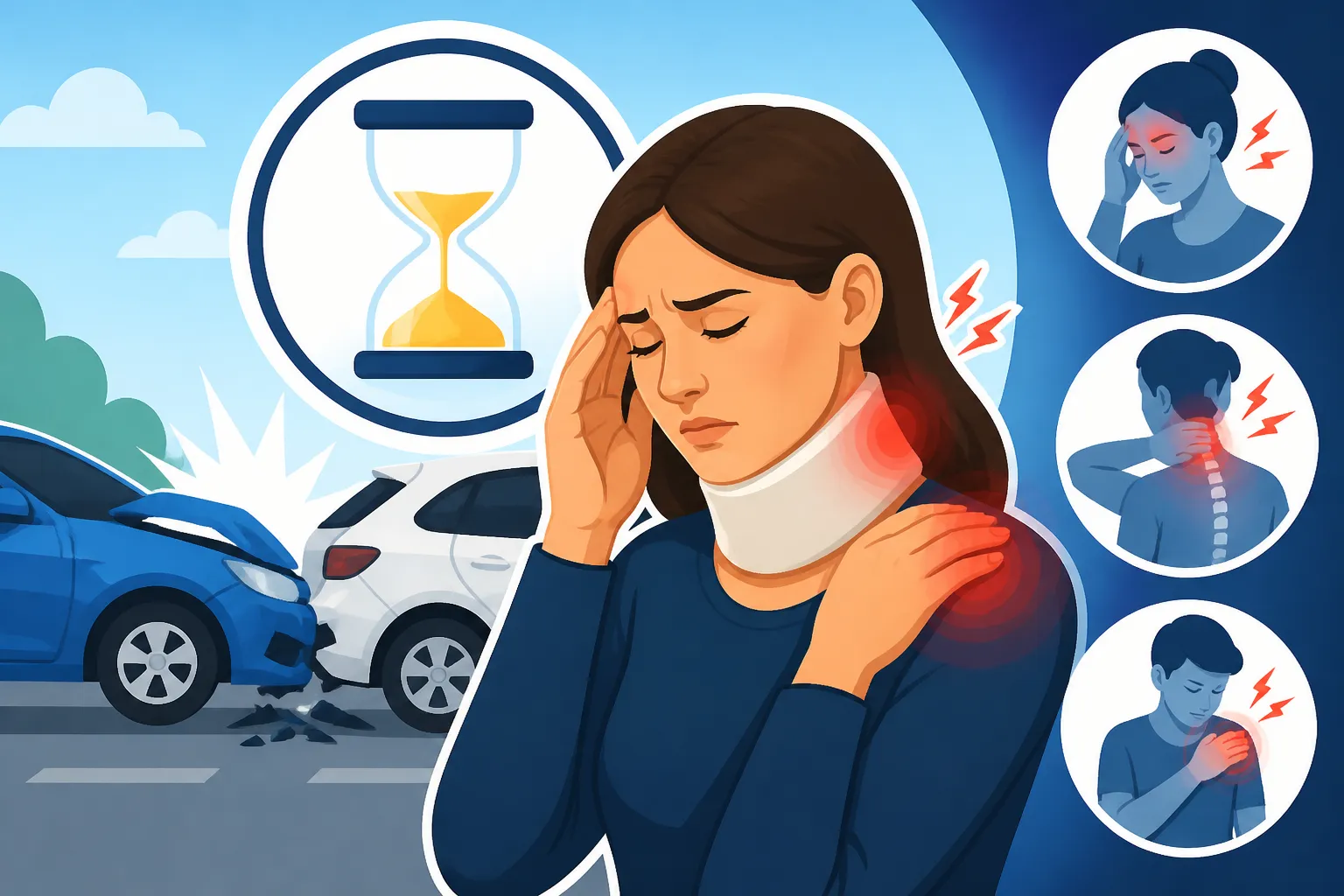
Perhaps the most notorious delayed injury is whiplash, a type of neck injury caused by the forceful, rapid back-and-forth movement of the neck. While some people feel immediate neck pain, stiffness, or headaches, for many others, these symptoms can take 24 to 48 hours, or even several days, to fully manifest. This delay happens as inflammation builds up in the soft tissues (muscles, ligaments, tendons) of the neck and upper back.
Common symptoms include neck pain and stiffness, pain that worsens with movement, loss of range of motion in the neck, headaches (often starting at the base of the skull), tenderness or pain in the shoulder, upper back or arms, tingling or numbness in the arms, fatigue, and even dizziness. If you're experiencing any of these, even minor ones, after a crash, don't dismiss them. They could be signs of a serious whiplash injury that requires medical attention. You can read more about Whiplash Symptoms After a Car Accident.
Head and Brain Injuries
Concussions and other traumatic brain injuries (TBIs) are incredibly deceptive. Sometimes, the symptoms are immediate and obvious, like loss of consciousness. But often, especially with milder concussions, symptoms can be subtle and appear hours, days, or even weeks after the accident. The brain is complex, and the effects of trauma can take time to ripple through its systems.
Symptoms of a delayed head injury might include persistent headaches, dizziness, nausea or vomiting, sensitivity to light or sound, confusion, difficulty concentrating, memory problems, irritability, changes in mood or personality, sleep disturbances, or a general feeling of "fogginess." It’s terrifying to think about, but a seemingly minor bump to the head could lead to a concussion, and because the symptoms are delayed, many people don't connect them to the accident until much later. Given the potential severity of brain injuries, any head trauma warrants immediate medical evaluation, even if you feel fine initially. Explore Concussion Symptoms After a Car Accident for more detailed information.
Back and Spinal Cord Issues
Impacts from car accidents, even seemingly minor ones, can put immense stress on the spine. Vertebrae can shift, discs can herniate or bulge, and nerves can become compressed. However, the pain from these injuries doesn't always show up right away. Inflammation might build over time, or the initial pain might be masked by adrenaline, only to surface later when the body is at rest or performing certain movements.
Delayed symptoms of back and spinal cord injuries can range from localized pain and stiffness in the neck or back to radiating pain down the arms or legs, numbness, tingling, weakness, or even difficulty with balance or coordination. A herniated disc, for example, might not cause significant pain until the disc material begins to press on a nerve root, which can take time. These types of injuries can have long-term consequences, so if you experience any new back or limb pain after an accident, it's crucial to get it checked out by a medical professional. Learn more about Herniated Disc From a Car Accident and Back and Spinal Injuries From Car Accidents.
Psychological and Emotional Trauma
While not physical in the traditional sense, the emotional and psychological aftermath of a car accident can also be significantly delayed. You might be so focused on physical recovery and dealing with the logistics of your car accident claim that you don't realize the toll the trauma is taking on your mental health.
Symptoms like anxiety, fear of driving, flashbacks, nightmares, irritability, difficulty sleeping, or changes in appetite can appear weeks or even months after the crash. This is often a sign of post-traumatic stress disorder (PTSD) or other anxiety disorders. It's important to recognize that these are legitimate injuries resulting from the accident and can be just as debilitating as physical pain. Seeking mental health support is just as important as physical therapy. Understanding PTSD and Emotional Distress After a Car Accident can help you identify these crucial symptoms.
Here's a quick overview of common delayed car accident injuries:
| Injury Type | Typical Onset Time | Common Symptoms | Why It's Delayed |
|---|---|---|---|
| Whiplash (Neck Sprain/Strain) | 24-48 hours, sometimes up to a week | Neck pain, stiffness, reduced range of motion, headaches (often at base of skull), shoulder pain, arm tingling/numbness, fatigue, dizziness. | Inflammation and muscle spasms build over time after initial trauma. Adrenaline masks pain. |
| Concussion/TBI | Hours, days, or even weeks | Headaches, dizziness, nausea, sensitivity to light/sound, confusion, memory issues, mood changes, "fogginess," sleep disturbances. | Brain swelling or chemical changes manifest slowly. Initial focus on physical injuries or adrenaline masks cognitive symptoms. |
| Herniated/Bulging Discs | Days to weeks, sometimes months | Localized back/neck pain, radiating pain (sciatica, nerve pain), numbness, tingling, weakness in arms/legs, muscle spasms. | Disc material may slowly put pressure on nerves as swelling develops or due to movement. Initial pain overshadowed by other injuries. |
| Soft Tissue Injuries | 24-72 hours, sometimes longer | Muscle soreness, stiffness, bruising, sprains (ligaments), strains (muscles/tendons), swelling, limited movement in affected areas. | Micro-tears in muscles/ligaments become inflamed over time. Initial adrenaline response dulls pain. |
| Psychological Trauma (PTSD) | Weeks to months | Anxiety, fear of driving, flashbacks, nightmares, irritability, depression, sleep disturbances, changes in appetite, withdrawal. | Processing the traumatic event takes time. Initial coping mechanisms or focus on physical recovery can delay emotional symptoms. |
Why Symptoms Don't Always Show Up Immediately
Understanding the physiological and psychological reasons behind delayed symptoms can help you take the necessary proactive steps after an accident, regardless of how you feel in the immediate aftermath. It's not just about adrenaline; several other factors contribute to this phenomenon.
Inflammatory Response and Swelling
Our bodies respond to injury with an inflammatory process. When tissues are damaged—whether it's muscle fibers, ligaments, or even nerve endings—the body sends increased blood flow, immune cells, and fluids to the affected area. This is a natural healing response, but it also causes swelling and pressure. In the immediate aftermath of an accident, this swelling might be minimal or internal, not causing noticeable pain. However, over the next 24 to 72 hours, as inflammation builds, it can start to press on nerves and surrounding tissues, leading to pain, stiffness, and reduced range of motion. This is particularly true for injuries deep within the body, such as internal organ bruising or even fractures that aren't immediately visible or weight-bearing.
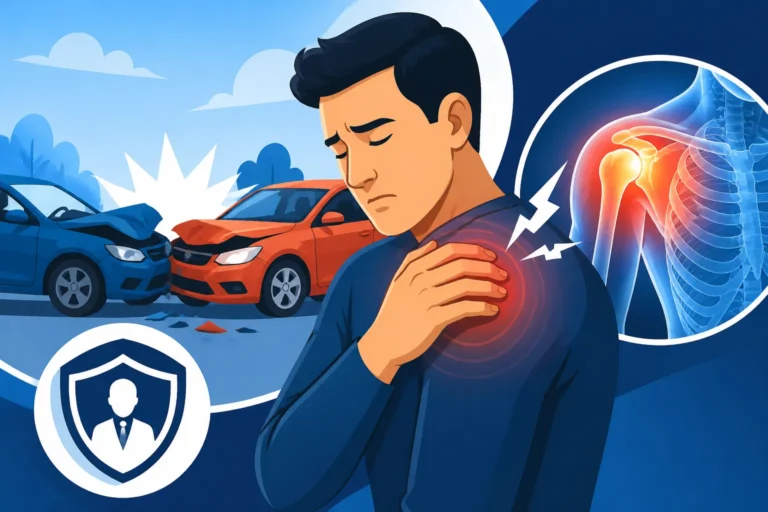
For example, a low-speed fender-bender might seem insignificant, but the sudden jolt can cause microscopic tears in your shoulder's rotator cuff. Initially, you might just feel a slight ache. But as inflammation increases and the body tries to repair those tiny tears, the pain can become debilitating, making it hard to lift your arm a few days later. This is why it’s so critical to get thoroughly checked out, even if you don't feel much right away.
Nerve Damage and Compression
Nerves are complex and can be injured in various ways during a car accident. Sometimes, nerves are stretched or pinched directly by the force of impact. Other times, swelling from surrounding damaged tissues can put pressure on nerves, leading to delayed onset of symptoms. Unlike a cut, which causes immediate sharp pain, nerve damage might manifest as numbness, tingling, weakness, or a burning sensation that develops gradually.
Consider a situation where you sustain a disc injury in your lower back. The initial impact might cause a disc to bulge slightly. Over the next few days, as the area swells or as you move and put pressure on that compromised disc, it might fully herniate and compress a nerve root. This nerve compression is what often leads to the shooting pain, numbness, or tingling down your leg, known as sciatica. It's a classic example of how a structural issue can take time to irritate a nerve enough to cause noticeable, debilitating symptoms. Detecting nerve damage can be complex, often requiring specialized tests like an electromyography (EMG) or nerve conduction study (NCS).
Masking by Other, More Obvious Injuries
Sometimes, you might have multiple injuries, but one is so immediately painful or alarming that it masks the others. For instance, if you break your arm in a collision, the excruciating pain and visible deformity of the arm might completely overshadow a less severe, but still significant, whiplash injury in your neck. Your focus, and that of the emergency medical personnel, will naturally be on the most acute and obvious trauma.
Once the more pressing injury is stabilized and the initial pain is managed (perhaps with medication), the symptoms of the secondary injury can then become apparent. This is why follow-up care and a comprehensive medical evaluation are so important. After your broken arm is casted and you're no longer in immediate shock, that nagging headache or stiff neck might suddenly become much more noticeable. It’s a common situation where victims think one injury is their only problem, only to discover several others later.
The Importance of Medical Evaluation (Even for Minor Accidents)
This is perhaps the single most important takeaway from our discussion. Because of the factors we’ve just explored, waiting to see if symptoms develop is a gamble you absolutely should not take.
Why You Should See a Doctor Promptly
Even if you walk away from a "minor" fender-bender feeling completely fine, scheduling a medical check-up within 24-72 hours is non-negotiable. There are several critical reasons for this. First and foremost, it's for your health. Early diagnosis of injuries like concussions, whiplash, or internal bleeding can prevent them from worsening and lead to more effective treatment. A doctor can perform a thorough examination, order imaging tests like X-rays, CT scans, or MRIs if necessary, and identify underlying issues that might not be causing pain yet. Catching problems early can make a significant difference in your recovery time and long-term well-being.
Secondly, prompt medical attention is paramount for your car accident claim. Insurance companies are notorious for scrutinizing claims where there's a delay in seeking medical care. They might argue that your injuries weren't serious enough to warrant immediate attention, or even worse, that they weren't caused by the accident at all, but by something that happened afterward. This is a common tactic to minimize or deny payouts. Having a medical record that clearly links your injuries to the accident date, even if the symptoms develop later, is incredibly powerful evidence. The guide Why You Should See a Doctor After a Car Accident goes into more detail on this critical step.
Documenting Delayed Symptoms for Your Claim
When injuries manifest days or weeks after an accident, meticulous documentation becomes even more crucial. It's not enough to simply tell your doctor you're experiencing new pain; you need to keep detailed records that connect these symptoms directly to the collision.
Start by maintaining a daily journal where you record all symptoms you experience, noting their intensity, location, and how they affect your daily life. Include the date and time each symptom first appeared. For example, "Day 3 post-accident: Woke up with severe stiffness in neck, difficulty turning head. Headaches started behind left eye." Keep track of all medical appointments, including the names of doctors, dates, and what was discussed. Save all medical bills, prescription receipts, and records of any treatments, such as physical therapy or chiropractic care. Also, document any lost wages if your delayed injuries prevent you from working. This comprehensive record-keeping creates a clear timeline that shows the progression of your injuries from the accident date, making it harder for insurance companies to dispute the causation. Remember, How Medical Records Prove Your Injuries is key here.
How Delayed Symptoms Impact Your Car Accident Claim
Navigating a car accident claim is complicated enough when injuries are immediate. When symptoms are delayed, it adds another layer of complexity that can make the process even more frustrating.
The Insurance Company's Skepticism
This is where the rubber meets the road, unfortunately. Insurance adjusters are trained to minimize payouts, and delayed symptoms are a prime target for their skepticism. They will often argue that because you didn't seek immediate medical attention or report injuries at the scene, your subsequent pain or discomfort isn't directly related to the accident. They might suggest that you hurt yourself doing something else, or that your injuries are exaggerated. This can feel incredibly unfair, especially when you know exactly why you didn't feel the pain right away.
This skepticism can lead to a reduced settlement offer or even an outright denial of your claim. It’s a harsh reality that many accident victims face, and it's precisely why proactive medical evaluation and thorough documentation are so important. Without clear medical evidence linking your delayed symptoms to the crash, you might find yourself fighting an uphill battle to prove your case. This is also why understanding What Happens If the Other Driver Blames You? can be beneficial.
The Importance of a Solid Medical Nexus
To counter insurance company skepticism, you need what's called a "medical nexus" – a clear, professionally documented link between your accident and your injuries. This is why seeing a doctor who understands accident-related injuries and can provide a detailed diagnosis is crucial. Your medical records should clearly state that your symptoms are consistent with the forces involved in the accident, even if they appeared later. Doctors often use terms like "delayed onset" or "consistent with trauma" to describe such cases.
For example, if you develop a herniated disc two weeks after a rear-end collision, your doctor's report should not only diagnose the herniation but also explain that this type of injury can have a delayed presentation due to inflammation or progressive disc damage from the initial impact. Without this direct medical connection, proving your case becomes significantly more challenging. This documentation is crucial for showing How Insurance Companies Determine Who Is at Fault and how your injuries are linked.
Legal Deadlines and Statute of Limitations
Even with delayed symptoms, there are strict legal deadlines for filing a car accident claim and personal injury lawsuits. These are known as the statute of limitations, and they vary significantly by state. For example, in California, you generally have two years from the date of the accident to file a personal injury lawsuit. If you wait too long to seek medical treatment, or to even realize you're injured, you might run out of time to file a claim, regardless of how legitimate your delayed injuries are.
This is another reason why early action is vital. By seeking medical attention promptly after the accident, you establish a record of the incident and any potential injuries, even if symptoms haven't fully surfaced. This protects your right to pursue a claim if those delayed symptoms eventually become debilitating. Familiarize yourself with the Statute of Limitations for Car Accidents by State to ensure you don't miss any critical deadlines.
Proactive Steps You Should Take After an Accident
Regardless of how you feel in the immediate aftermath, there are essential steps you can take to protect your health and any potential car accident claim. Being proactive can make all the difference.
Seek Immediate Medical Attention
We've covered this, but it bears repeating: see a doctor as soon as possible after a car accident, ideally within 24-72 hours, even if you don't feel injured. Go to an urgent care clinic, your primary care physician, or even the emergency room if you have any concerns. Explain thoroughly that you were in a car accident, detailing how it happened and any discomfort, no matter how minor, you might be feeling. Let them know you are concerned about potential delayed symptoms. This establishes an official medical record of the incident and your initial physical state, which is invaluable later on.
During your visit, be honest about everything you're experiencing, but avoid speculating about your injuries or making definitive statements like "I'm fine" if you're not absolutely sure. Just describe your physical sensations. A complete medical evaluation will look for subtle signs of injury that you might not notice yourself. This initial visit will serve as the baseline for any future medical care related to the accident. The overall guide of What to Do After a Car Accident: Step-by-Step (2027) provides a comprehensive checklist.
Follow All Medical Advice and Keep Records
Once you've seen a doctor, it's critical to follow their instructions to the letter. If they recommend follow-up appointments, physical therapy, imaging tests, or specific medications, make sure you comply. Not only is this crucial for your recovery, but it also demonstrates to insurance companies that you are taking your injuries seriously and actively seeking treatment. Any deviation from prescribed care could be used to argue that you weren't truly injured or that you contributed to your own prolonged recovery.
As discussed earlier, meticulously document everything. Keep a detailed log of your symptoms, pain levels, and how your injuries affect your daily activities. Store all medical records, bills, receipts for prescriptions, and any other out-of-pocket expenses related to your treatment. This includes transportation costs to appointments or assistive devices you might need. Comprehensive record-keeping is your best friend when it comes to substantiating your car accident claim.
Consult with a Car Accident Lawyer
Even if your injuries are initially minor or delayed, speaking with an experienced car accident lawyer can be incredibly beneficial. A lawyer can provide guidance on your legal rights, help you understand the claims process, and advise you on how to handle communication with insurance companies. They can also explain the specific comparative negligence laws in your state, which might affect your claim if you are found partially at fault.
If your symptoms do worsen or new injuries appear, a lawyer can help ensure that these delayed injuries are properly documented and included in your claim. They can also negotiate with insurance adjusters on your behalf, protecting you from common tactics used to devalue or deny claims. Don't wait until you're overwhelmed or facing a lowball offer; an initial consultation can give you peace of mind and set you on the right path. Consider exploring When to Hire a Car Accident Lawyer for more insights on this.
Disclaimer
The information provided in this article is for general informational purposes only and does not constitute legal, medical, or other professional advice. You should consult with a qualified legal professional for advice regarding your specific situation and with a medical professional for any health concerns.