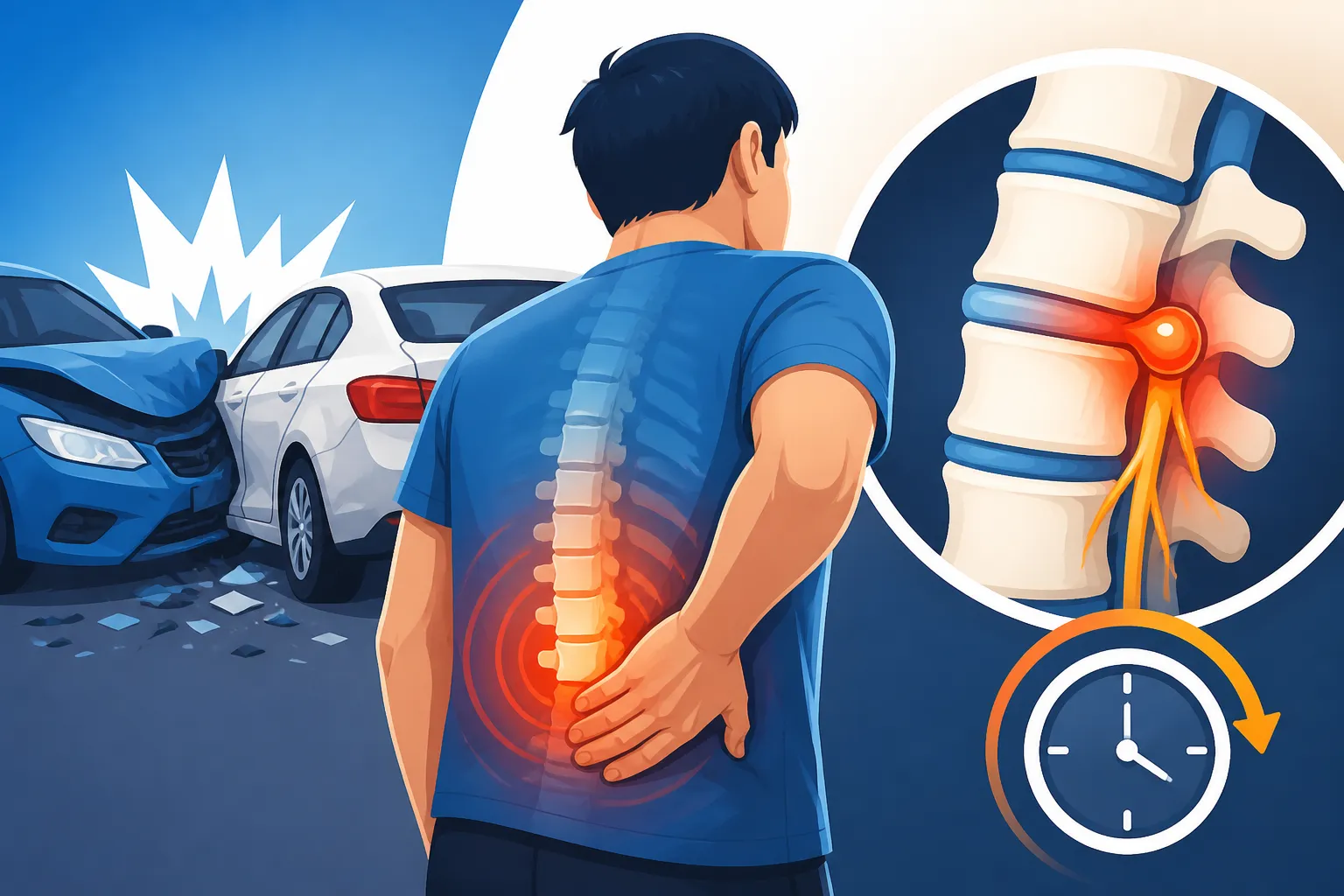
How Long Does Herniated Disc Take to Heal After a Car Accident?
Getting into a car accident is jarring enough, but discovering you've sustained a herniated disc on top of everything else can feel like a punch to the gut. The immediate pain is often excruciating, and then comes the anxiety: "How long is this going to take to heal? Will I ever feel normal again?" It's a completely valid worry, and frankly, it's one of the most common and frustrating aspects of these kinds of injuries. This guide is here to walk you through the typical healing journey for a herniated disc caused by a car accident, exploring the factors that influence recovery and what you can realistically expect.
Understanding a Herniated Disc After a Car Accident
When you're dealing with the aftermath of an accident, especially one that impacts your back or neck, the term "herniated disc" gets thrown around a lot. But what does it truly mean for your body, and why are car accidents such a common culprit?
What Exactly Is a Herniated Disc?
Imagine your spine as a stack of bony vertebrae, and between each of these bones, you have a soft, rubbery cushion – that's your spinal disc. These discs act like shock absorbers, protecting your vertebrae and allowing your spine to bend and twist. Each disc has two main parts: a tough outer ring called the annulus fibrosus and a soft, gel-like center called the nucleus pulposus.
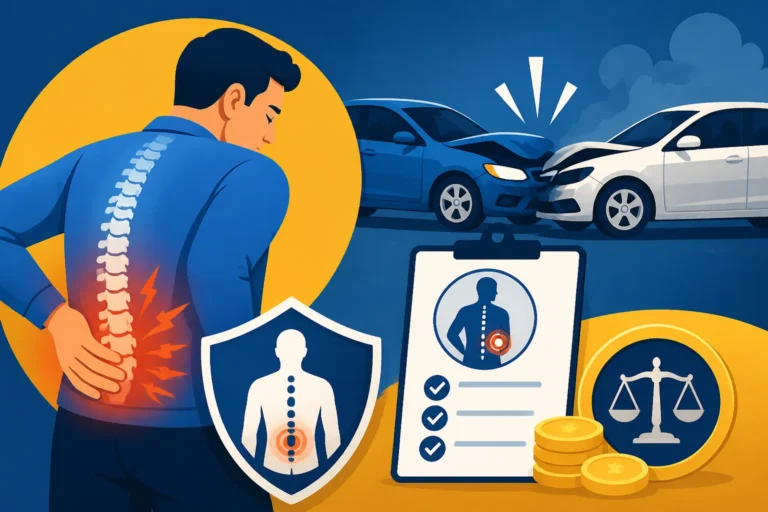
A herniated disc, sometimes referred to as a slipped or ruptured disc, occurs when some of that soft inner material pushes out through a tear in the tougher outer ring. Think of it like a jelly donut that's squeezed too hard, and the jelly starts to ooze out. When this inner material pushes out, it can press on nearby spinal nerves, leading to a whole host of painful and uncomfortable symptoms. This is why you might experience not just back or neck pain, but also shooting pain down your leg (sciatica) or arm, numbness, tingling, or even muscle weakness. It's a tricky injury because the pain isn't always at the site of the disc itself but can radiate far away.
Why Car Accidents Cause Herniated Discs
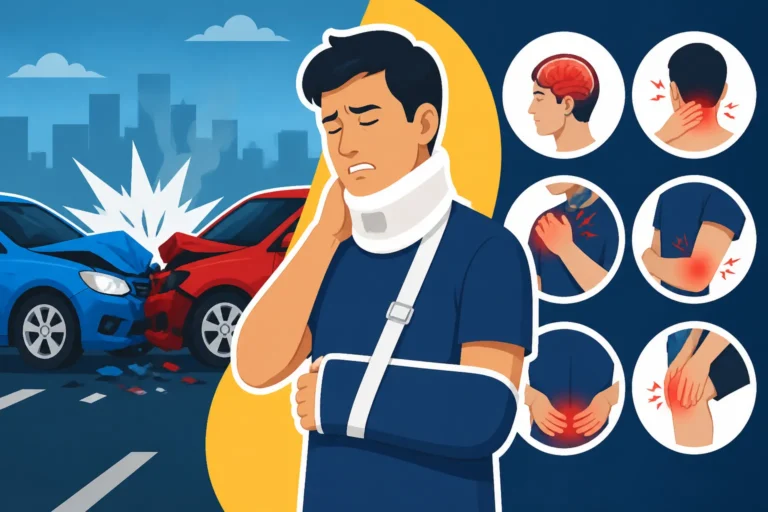
Car accidents, even seemingly minor ones, often involve sudden, forceful impacts that can put immense strain on your spine. The rapid acceleration and deceleration that happen in a collision, like being rear-ended or involved in a T-bone accident, can whip your body in unnatural ways. This sudden movement can exert significant shearing or compressive forces on your spinal discs.
For example, a sudden jerk forward or backward, common in a Rear-End Collision Fault: Who Is Responsible?, can cause the vertebrae to compress or rotate violently. This can literally squeeze a disc, forcing the inner gel to bulge or rupture through the outer casing. Whiplash, which many people associate only with neck pain, can easily lead to a cervical (neck) herniated disc because of the extreme hyperextension and hyperflexion of the neck. Similarly, a direct impact to the torso or even a violent twisting motion during a side-impact collision can damage discs in the lumbar (lower back) region. These forces are often far beyond what your spine is designed to handle, making herniated discs one of the Common Car Accident Injuries: Complete Guide (2027).
Factors Influencing Herniated Disc Recovery Time
There's no single, universally applicable answer to "how long does a herniated disc take to heal?" It's not like a broken bone where you can generally give a cast removal date. Recovery is a journey, and several individual factors play a significant role in how quickly—and how completely—you might recover.
Severity of the Herniation and Symptoms
Not all herniated discs are created equal. The extent of the disc damage and the symptoms you experience are major indicators of your potential recovery timeline.
- Bulging vs. Herniated vs. Extruded: A bulging disc is like the early warning sign where the disc's outer wall weakens, and it pushes out slightly, but the inner material hasn't fully escaped. This might cause some discomfort. A true herniation involves a tear in the outer ring, allowing some of the inner material to protrude. An extruded disc is when that material completely breaks free from the disc and might even detach. Generally, the more severe the protrusion or extrusion, the longer and more complex the recovery tends to be due to increased nerve compression and inflammation.
- Nerve Impingement: The real trouble often starts when the herniated disc presses on a nearby nerve. This nerve compression can lead to intense pain, numbness, tingling (paresthesia), and muscle weakness in the areas supplied by that nerve. If you're experiencing significant neurological symptoms like foot drop (difficulty lifting the front part of your foot) or severe weakness, it indicates more substantial nerve involvement, which can prolong recovery and sometimes necessitates more aggressive treatments, including surgery.
- Pain Level and Functional Limitation: Someone with mild discomfort who can still perform most daily activities will likely recover faster than someone whose pain is so severe they can barely walk, sit, or sleep. The degree to which your injury impacts your daily function is a key factor in determining treatment intensity and, by extension, healing time. Documenting these limitations is also crucial for your Car Accident Claim Timeline: What to Expect and potential settlement.
Individual Health and Lifestyle Factors
Your personal health profile before the accident can significantly impact how your body heals.
- Age: Generally, younger individuals tend to heal faster and more completely than older individuals. As we age, our discs naturally degenerate, becoming less hydrated and more prone to injury. Recovery from a herniated disc in a 25-year-old might be quicker and more straightforward than in a 65-year-old with pre-existing degenerative disc disease.
- Pre-Existing Conditions: If you had any pre-existing spinal conditions, such as arthritis, spinal stenosis, or even prior disc bulges, these can complicate your recovery. The accident might have aggravated an already vulnerable area. While insurance companies often try to pin all issues on pre-existing conditions, it's vital to remember that an accident can make a stable, asymptomatic condition suddenly symptomatic and debilitating. Learning Pre-Existing Conditions and Car Accident Claims is important here.
- Overall Health and Lifestyle: Your general health, including your weight, diet, smoking habits, and activity level, all play a role. Smokers, for instance, often have reduced blood flow, which can hinder the healing process. Obesity puts more strain on the spine, potentially slowing recovery. Conversely, maintaining a healthy weight and a reasonably active lifestyle (within your doctor's recommendations) can aid in faster healing and better long-term outcomes. Good nutrition and adequate rest are also fundamental building blocks for your body's repair mechanisms.
The Role of Medical Treatment
The type and consistency of medical treatment you receive are paramount to your recovery. Ignoring symptoms or delaying treatment can prolong healing and lead to chronic issues.
- Conservative Treatments: Most herniated discs are initially treated conservatively. This typically involves a combination of rest (often limited to a few days for acute pain), over-the-counter or prescription pain medications (NSAIDs, muscle relaxers, nerve pain medications), physical therapy, and sometimes corticosteroid injections (epidural injections) to reduce inflammation around the nerve. Physical therapy is often a cornerstone, focusing on strengthening core muscles, improving posture, and restoring mobility. A dedicated physical therapy regimen can significantly improve outcomes and prevent recurrence.
- Surgical Intervention: When conservative treatments fail to provide relief after a reasonable period (typically 6-12 weeks), or if there are severe or worsening neurological deficits (like progressive weakness or loss of bowel/bladder control), surgery might be considered. The most common surgical procedure for a herniated disc is a microdiscectomy, where a small portion of the disc is removed to relieve pressure on the nerve. While surgery can provide rapid relief from nerve pain, it's a significant intervention with its own recovery period and risks. It's often a last resort for severe cases.
- Consistency and Adherence: Regardless of the treatment path, consistency is key. Skipping physical therapy appointments, not taking prescribed medications as directed, or pushing yourself too hard too soon can set back your recovery. Your doctor and physical therapist will provide a roadmap; sticking to it diligently is crucial. Remember that Why You Should See a Doctor After a Car Accident immediately and consistently is important not just for your health, but for How Medical Records Prove Your Injuries for your claim.
Typical Healing Timelines and What to Expect
While every individual's experience is unique, we can outline some general timelines for herniated disc recovery after a car accident. It's important to view these as estimates, not strict deadlines.
Initial Acute Phase
This phase typically covers the first few days to weeks immediately following the accident.
- Duration: Approximately 1-3 weeks.
- What to Expect: This is usually when the pain is most intense, especially if there's significant nerve compression. You might experience sharp, shooting pain, numbness, or tingling. Movement can be severely restricted, and simple tasks like sitting, standing, or lying down can be agonizing. Sleep is often disrupted. Doctors will typically recommend a short period of relative rest, avoiding activities that aggravate the pain, and managing pain with medication. Ice and heat therapy are often useful during this time. You'll likely be getting initial diagnostic imaging, like an MRI, to confirm the herniation and its location. During this phase, it's common to experience Delayed Injury Symptoms After a Car Accident, so vigilance and prompt medical attention are crucial.
Subacute and Recovery Phase
This is where the real work of healing and rehabilitation begins.
- Duration: Approximately 4 weeks to 6 months (and sometimes longer).
- What to Expect: As the initial acute pain subsides, often with the help of anti-inflammatory medications and possibly epidural injections, you'll likely transition into a structured physical therapy program. This is a critical stage.
- Physical Therapy: Your physical therapist will guide you through exercises designed to reduce pain, improve flexibility, strengthen core and back muscles, and restore normal movement patterns. This might include gentle stretching, McKenzie exercises, core stabilization exercises, and eventually, light aerobic activity. Consistency here is paramount.
- Gradual Return to Activity: You'll be encouraged to gradually increase your activity level, but always listening to your body and avoiding movements that cause a flare-up. This means slowly returning to work (if applicable, potentially with modifications), resuming light household chores, and re-engaging in hobbies.
- Pain Management: While intense pain may lessen, you might still experience intermittent discomfort, stiffness, or dull aches. Over-the-counter pain relievers or continued low-dose prescription medication might be needed.
- Milestones: Significant improvement is often seen within 6-8 weeks of consistent physical therapy. For many, major symptoms resolve or are significantly managed within 3-4 months. However, complete resolution of all symptoms and full strength return can take up to 6 months, particularly for more severe herniations or those involving significant nerve damage.
Long-Term Management and Potential Complications
Even after the initial recovery, a herniated disc can have long-lasting implications.
- Duration: 6 months to several years, or even lifelong.
- What to Expect:
- Chronic Pain: While most people recover well, a percentage of individuals may experience some degree of chronic pain or discomfort, especially with certain activities or prolonged postures. This might require ongoing management strategies, including specialized exercises, lifestyle modifications, or occasional pain interventions.
- Recurrence: Re-herniation is a possibility, especially if you don't maintain good posture, core strength, and proper lifting techniques. This is why the habits learned in physical therapy are so important for the long haul.
- Lifestyle Adjustments: You might need to make permanent adjustments to how you sit, lift, exercise, or even what types of activities you engage in to protect your spine. This could involve ergonomic adjustments at work or choosing low-impact exercises over high-impact ones.
- Post-Surgical Recovery: If surgery was necessary, the initial recovery from the procedure itself might take 4-6 weeks, with full recovery and return to normal activities (including driving, as in What to Do After a Car Accident: Step-by-Step (2027)) taking 3-6 months. Physical therapy is often crucial post-surgery to regain strength and flexibility.
Here's a simplified table summarizing the typical healing stages and timelines for a herniated disc after a car accident:
| Phase of Recovery | Typical Duration | Key Characteristics | Common Treatments |
|---|---|---|---|
| Acute Pain | 1-3 weeks | Intense, sharp pain; significant functional limitation; numbness/tingling likely. | Rest (brief), ice/heat, OTC/prescription pain meds, muscle relaxants, diagnostics (MRI). |
| Subacute/Rehabilitation | 4 weeks – 6 months | Pain gradually lessens; focus on restoring function; improving strength/flexibility. | Physical therapy, epidural injections, nerve pain meds, gradual return to activity. |
| Long-Term Management | 6 months + (ongoing) | Maintenance of gains; prevention of recurrence; lifestyle adjustments; potential for residual discomfort. | Home exercise program, ergonomic modifications, posture awareness, occasional follow-ups. |
Remember, this table provides general guidelines. Your specific experience may vary significantly based on the factors discussed above.
Navigating Your Recovery and Claim Process
Dealing with a herniated disc is challenging enough, but when it's the result of someone else's negligence in a car accident, you also have the complexities of an insurance claim to manage. These two aspects of your life become intertwined, and it's essential to handle both diligently.
The Importance of Consistent Medical Documentation
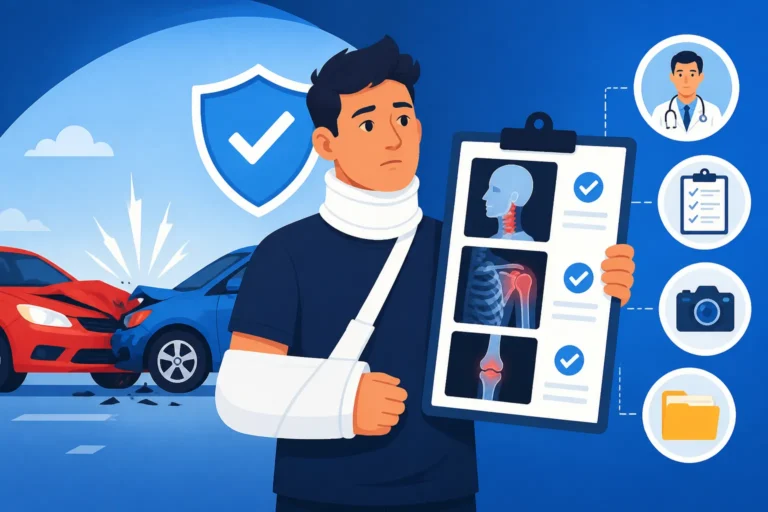
Every doctor's visit, every physical therapy session, every prescription you fill, and every symptom you report is a piece of evidence. This meticulous record-keeping serves two crucial purposes. First and foremost, it ensures you receive the best possible care for your injury by providing your medical team with a complete picture of your progress and challenges. They can track what treatments are working and what needs to be adjusted.
Secondly, this documentation is absolutely vital for your personal injury claim. Insurance companies, frankly, are always looking for reasons to minimize payouts. Gaps in your treatment, delays in seeking care, or inconsistent reporting of symptoms can be used against you. They might argue that your injuries weren't severe, or that something else caused your pain. Having clear, consistent medical records that demonstrate the progression of your injury, the treatments you've undergone, and their impact on your daily life is How to Prove Injuries in a Car Accident Claim and secure fair compensation. This includes everything from initial doctor visits to imaging results and therapist notes. These records are the backbone of any What Are Damages in a Car Accident Claim? you pursue, showing the direct link between the accident and your suffering, including Pain and Suffering Damages: What They Cover.
Advocating for Your Recovery and Rights
Your body's recovery should always be your top priority. Don't let the pressure of an insurance claim or the desire to "get back to normal" too quickly compromise your healing process. Listen to your doctors and physical therapists, and don't rush through recommended treatment plans. It can be incredibly frustrating when healing takes longer than you expect, but pushing yourself beyond your body's limits can lead to re-injury or chronic pain, ultimately prolonging your recovery even further.
Beyond your physical recovery, you also need to advocate for your rights regarding the car accident claim. Insurance adjusters are trained negotiators, and they often try to settle cases quickly and for the lowest possible amount. They may offer a "lowball" settlement that doesn't adequately cover your current and future medical expenses, lost wages, or your pain and suffering. If you're dealing with a serious injury like a herniated disc, which can have long-term consequences and significant medical bills, it's often in your best interest to consult with a personal injury lawyer. A lawyer can help you understand your rights, negotiate with the insurance company on your behalf, and ensure all your damages are properly accounted for. They can help navigate the complexities of liability and fault, especially if it's not clear who is at fault in a car accident. Understanding whether you need a lawyer for a car accident is a critical step in protecting your future.
Remember, you are not alone in this. Dealing with a herniated disc after a car accident is a marathon, not a sprint, both physically and legally. Be patient with your body, diligent with your treatment, and proactive in protecting your rights.
Disclaimer
Please remember that this article is intended for informational purposes only and does not constitute medical or legal advice. Every car accident injury and insurance claim is unique. You should always consult with a qualified medical professional for diagnosis and treatment of any injury, and with a personal injury attorney for advice regarding your specific legal situation.