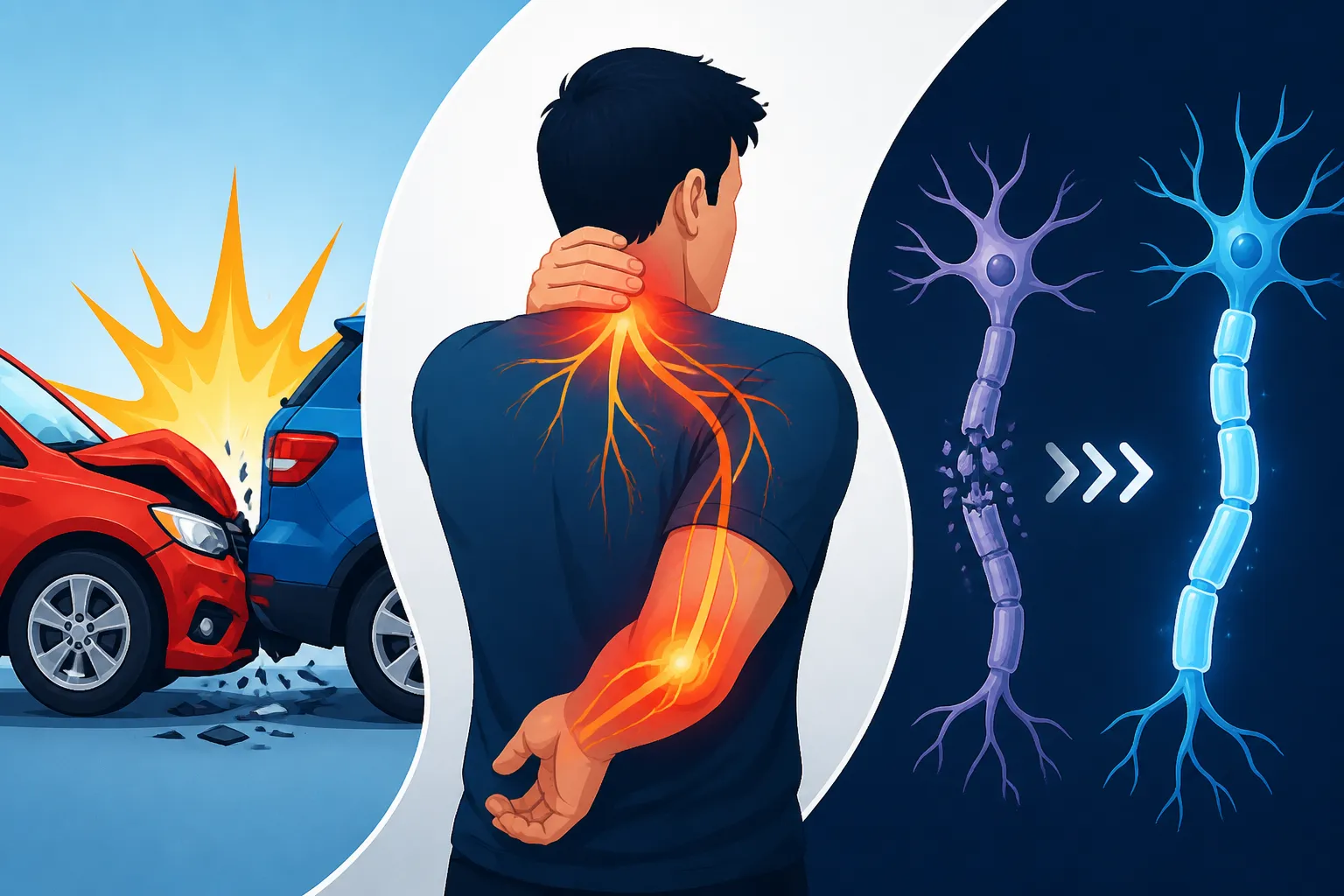
How Long Does Nerve Damage Take to Heal After a Car Accident?
Experiencing nerve damage after a car accident can be incredibly frightening and confusing. The sudden jolt and impact can wreak havoc on your body, and when nerves are involved, the path to recovery often feels shrouded in uncertainty, leaving you wondering how long it will take to feel like yourself again, or if you ever truly will. This guide aims to shed some light on the complexities of nerve damage, what influences healing times, and what you can expect on your journey back to health.
Understanding Nerve Damage After a Car Accident
When you're involved in a car accident, your body undergoes immense forces – sudden deceleration, twisting, compression, and impacts. These forces don't just affect bones and muscles; they can have a profound and often debilitating effect on your nervous system. Understanding the different kinds of nerve damage and how they occur is the first step toward grasping the recovery process.
Types of Nerve Damage
Nerve damage isn't a one-size-fits-all diagnosis; it comes in various forms, each with its own characteristics and healing potential. Generally, doctors categorize nerve injuries based on their severity.
- Neuropraxia: This is the mildest form, essentially a bruise or temporary interruption of nerve function. The nerve itself isn't cut or torn, but the signal transmission is disrupted. Think of it like a kink in a garden hose – the water isn't completely stopped, but it's not flowing freely. Symptoms might include temporary numbness, tingling, or weakness. Thankfully, these types of injuries often heal relatively quickly, sometimes within weeks.
- Axonotmesis: This is a more severe injury where the nerve fibers (axons) are damaged, but the protective sheath around the nerve remains intact. While the nerve's internal structure is compromised, the intact sheath provides a pathway for regeneration. This type of injury can lead to more significant loss of function, and recovery takes much longer, often months, as the nerve has to regrow along its existing pathway.
- Neurotmesis: This is the most severe form, involving a complete severing or tearing of the nerve and its protective sheath. In these cases, spontaneous recovery is unlikely because the nerve ends are completely separated. This often requires surgical intervention to reconnect the nerve, and even then, full recovery isn't guaranteed and can take a year or more, if it happens at all.
Beyond these classifications, specific conditions like radiculopathy, where a nerve root in the spine (often in the neck or lower back) is pinched or irritated, are very common after car accidents. This can lead to pain, numbness, tingling, or weakness radiating along the nerve's path, such as down an arm or leg. Injuries like a Herniated Disc From a Car Accident can directly cause radiculopathy.
How Car Accidents Cause Nerve Injuries
The mechanics of a car accident are ripe for causing nerve damage. The sudden, violent movements place incredible stress on your spinal column and peripheral nerves.
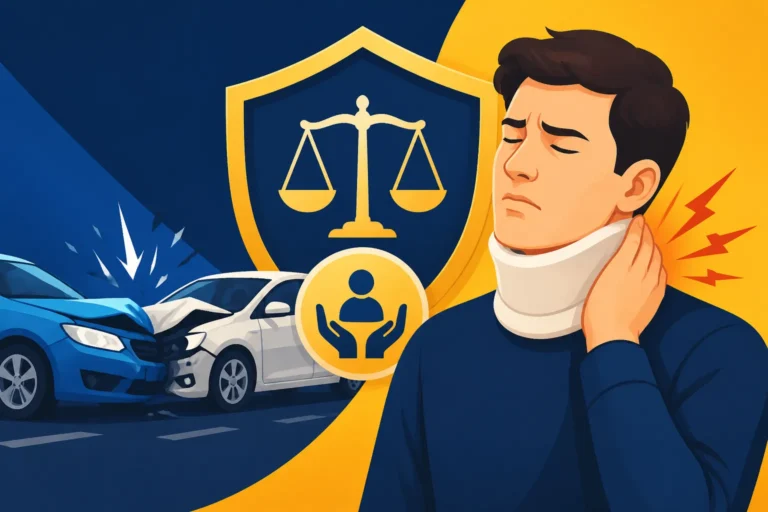
- Whiplash-Associated Disorders: A common consequence of rear-end collisions, whiplash can violently snap your head and neck forward and backward. This motion can stretch or compress the delicate nerves in your cervical spine, leading to neck pain, stiffness, headaches, and radiating symptoms into the arms and hands. This falls under the umbrella of common car accident injuries.
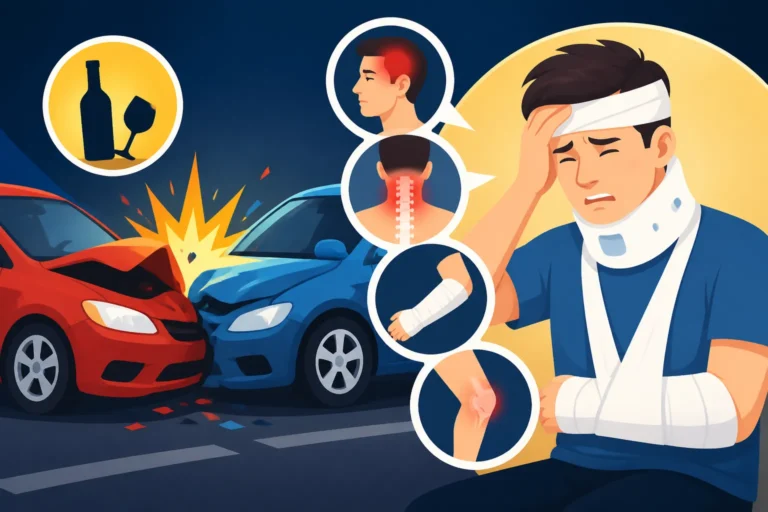
- Direct Impact/Compression: If a part of your body directly impacts the dashboard, steering wheel, or doorframe, the force can crush or sever nerves. For instance, a broken bone can also inadvertently damage nearby nerves. The body's natural response to trauma, like swelling, can also compress nerves, leading to symptoms even if the nerve wasn't directly hit.
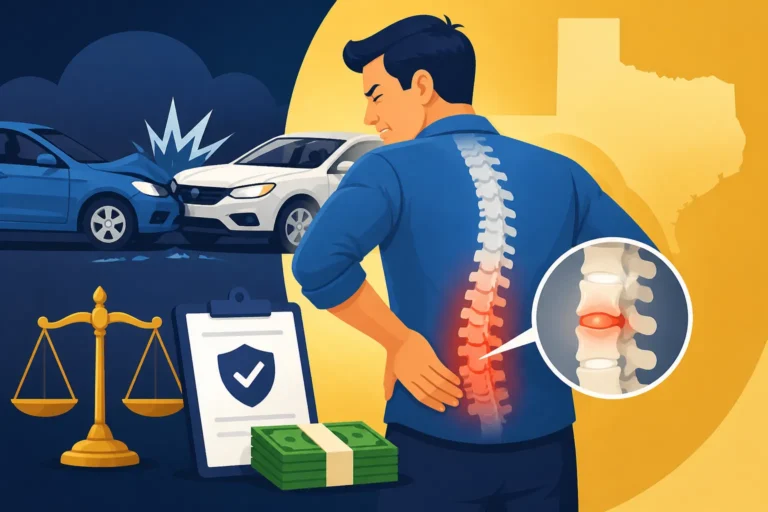
- Pinching or Trapping: The spine, being the central conduit for many major nerves, is particularly vulnerable. Disc herniations, fractures, or displaced vertebrae can pinch or trap nerve roots as they exit the spinal cord, leading to profound sensory and motor deficits. These are often categorized as Back and Spinal Injuries From Car Accidents.
- Stretching: Nerves have a certain degree of elasticity, but a sudden, forceful stretch beyond their capacity can tear nerve fibers. This is common in shoulder or arm injuries where the limb is pulled violently.
Recognizing the Symptoms of Nerve Damage
Identifying nerve damage isn't always immediate. Sometimes, symptoms can be delayed, making it even more crucial to be vigilant. This phenomenon of Delayed Injury Symptoms After a Car Accident means you might not feel the full extent of the problem until days or even weeks later.
Common symptoms that point to potential nerve damage include:
- Numbness or Tingling: Often described as a "pins and needles" sensation, this can indicate nerve compression or irritation. It might occur in hands, feet, fingers, toes, or along specific pathways on your limbs.
- Weakness or Loss of Muscle Control: If you suddenly find it difficult to lift an arm, grasp objects, or have trouble with your balance, it could be a sign that a nerve controlling those muscles is compromised.
- Sharp, Shooting, or Burning Pain: Unlike a dull muscle ache, nerve pain often has a distinct, intense quality. It might shoot down a limb or feel like an electrical shock. Sciatica, for example, is a classic presentation of nerve pain radiating from the lower back down the leg. This type of symptom is a clear indicator for Pain and Suffering Damages What They Cover in a claim.
- Increased Sensitivity: Sometimes, even a light touch can feel incredibly painful in the affected area (allodynia).
- Loss of Reflexes: A medical professional can test your reflexes to see if nerve pathways are intact.
- Muscle Wasting (Atrophy): In more severe or prolonged cases, the muscles supplied by the damaged nerve may begin to shrink due to lack of stimulation.
It's vital to remember that these symptoms warrant immediate medical attention. Never try to self-diagnose or wait to see if things improve. Getting an accurate diagnosis early on is critical for proper treatment and can significantly impact your long-term prognosis.
The Complexities of Nerve Healing
Unlike many other tissues in the body, nerves have a very specific, and often slow, way of healing. The process is intricate and can be easily disrupted, leading to prolonged recovery times or even permanent issues.
Factors Affecting Recovery Timeline
The question of "how long" is influenced by a multitude of factors, making a precise timeline nearly impossible to give without a thorough medical evaluation.
- Severity of the Injury: As we discussed, a mild neuropraxia might resolve in weeks, while neurotmesis, a complete severing, could take over a year with surgery, or never fully recover. The extent of the damage to the nerve fiber itself is the primary determinant.
- Type of Nerve Damaged: Peripheral nerves (those outside the brain and spinal cord) have a greater capacity for regeneration than central nervous system nerves (brain and spinal cord). Damage to the spinal cord, for example, often leads to permanent impairment.
- Location of the Injury: Nerves heal from the point of injury outwards. A nerve injured close to the spinal cord has a longer distance to regrow to reach its target muscle or sensory organ, thus taking more time. For instance, an injury high up in the arm will take longer to heal than one in the finger.
- Your Age and Overall Health: Younger individuals generally have a more robust healing response. Underlying health conditions like diabetes can significantly impair nerve regeneration and recovery, making the process much slower and less complete.
- Timeliness and Quality of Treatment: Prompt diagnosis and appropriate intervention, whether it's physical therapy, medication, or surgery, are crucial. Delaying treatment can lead to worse outcomes and longer recovery periods. This highlights Why You Should See a Doctor After a Car Accident without delay.
- Presence of Scar Tissue: As nerves attempt to heal, scar tissue can form around the injury site, potentially impeding regeneration and leading to ongoing pain or compression.
The Nature of Nerve Regeneration
Nerve regeneration is a fascinating, yet painstakingly slow, biological process. When a nerve fiber is damaged, the part of the nerve separated from the cell body (the axon) degenerates. The body then attempts to regrow this axon.
- Slow Growth Rate: Nerve fibers typically regrow at a rate of about 1 millimeter per day, or roughly an inch per month. This means that if a nerve is injured in your shoulder and needs to regenerate all the way to your fingertips, it could easily take many months, if not over a year, for the fibers to reach their destination.
- Guidance and Misdirection: The intact nerve sheath (in cases of axonotmesis) acts as a guide tube for the regenerating fibers. Without this guide (in neurotmesis), the new fibers can grow chaotically, forming neuromas (painful lumps of nerve tissue) or failing to connect correctly, leading to incomplete recovery or persistent pain.
- Functional Recovery Lags Behind: Even when nerve fibers successfully regrow, regaining full function—both sensory and motor—takes additional time. The brain needs to "relearn" how to interpret the new signals or send commands through the regenerated pathways. This re-education process through physical and occupational therapy is vital.
When Full Recovery Might Not Be Possible
It's a harsh reality that not all nerve damage fully recovers. In some severe cases, especially with neurotmesis or extensive spinal cord damage, permanent deficits can occur. This might mean:
- Permanent Numbness or Weakness: The nerve may never fully transmit signals, leaving areas of the body without sensation or with weakened muscles.
- Chronic Nerve Pain (Neuropathic Pain): Even if the nerve technically "heals," it can become hypersensitive or send incorrect pain signals to the brain, leading to long-lasting, often debilitating pain. This chronic pain can be a major component of What Are Damages in a Car Accident Claim?.
- Loss of Function: In the most severe cases, significant or complete loss of movement or sensation can occur, impacting a person's ability to perform daily activities, work, and maintain their independence. These outcomes are often why understanding What Is Maximum Medical Improvement MMI? is crucial, as it marks the point where further significant improvement is unlikely.
Navigating the Road to Recovery: Timelines and Treatment
The journey to recover from nerve damage is rarely linear. It involves several stages, each requiring specific medical attention and personal commitment.
Immediate Post-Accident Care and Diagnosis
The most critical step after a car accident, regardless of how minor you think your injuries are, is to seek immediate medical attention. Even if you don't feel pain right away, symptoms of nerve damage, like those associated with Soft Tissue Injuries Explained or even a concussion, can be delayed.
- Emergency Room/Urgent Care: Get checked out for acute injuries. Describe all your symptoms, no matter how minor they seem.
- Detailed Medical Evaluation: A doctor will perform a thorough physical and neurological exam. They'll test your reflexes, sensation, and muscle strength.
- Diagnostic Imaging: X-rays can rule out fractures. More advanced imaging like MRI or CT scans are often necessary to visualize soft tissues, nerve compression, disc herniations, and spinal cord damage. Electromyography (EMG) and nerve conduction studies (NCS) are specialized tests that measure nerve function and can pinpoint the location and severity of nerve damage. How Medical Records Prove Your Injuries is heavily reliant on these initial diagnostic steps.
Short-Term Recovery: Weeks to Months
Once nerve damage is diagnosed, the short-term focus is on alleviating symptoms, protecting the injured nerve, and initiating the healing process.
- Pain Management: This might include over-the-counter pain relievers, prescription medications (e.g., anti-inflammatories, nerve pain medications like gabapentin or pregabalin), or even steroid injections to reduce inflammation around a pinched nerve.
- Immobilization: In some cases, a neck brace or other orthopedic device might be used to stabilize the injured area and prevent further damage, allowing the nerve to rest and begin healing.
- Physical Therapy (PT): A physical therapist can guide you through exercises to maintain range of motion, strengthen surrounding muscles to support the injured area, and improve circulation. Early, gentle movement can sometimes prevent stiffness and scar tissue formation, but it must be carefully managed to avoid exacerbating the injury. For issues like Neck Injuries After a Car Accident, PT is often a cornerstone of recovery.
- Occupational Therapy (OT): If your nerve damage affects your ability to perform daily tasks, an occupational therapist can help you adapt and regain functional independence.
During this phase, it's crucial to follow your doctor's orders diligently. Attending all appointments and adhering to your medication and therapy schedules is paramount. If you fail to get proper care, it could impact How Delayed Symptoms Affect Your Claim later on.
Long-Term Recovery and Management: Months to Years
For more significant nerve damage, recovery can be a marathon, not a sprint. This phase often involves ongoing rehabilitation and, in some cases, surgical intervention.
- Continued Physical and Occupational Therapy: As the nerve slowly regenerates, therapy progresses to more challenging exercises aimed at restoring strength, coordination, and fine motor skills. This might include specific nerve gliding exercises to prevent adhesion.
- Surgery: If a nerve is completely severed (neurotmesis), or if conservative treatments fail to relieve significant compression, surgery may be necessary. Procedures can range from releasing a pinched nerve (decompression surgery) to nerve grafts where a section of a less critical nerve is used to bridge a gap in a damaged nerve. Post-surgical recovery itself can add months to the overall timeline.
- Lifestyle Adjustments: Depending on the extent of permanent damage, you might need to make long-term adjustments to your work, hobbies, or daily routines. This could involve ergonomic changes, assistive devices, or even retraining for a different profession if your old one is no longer feasible.
- Psychological Support: Living with chronic pain, numbness, or loss of function can take a significant toll on mental health. Depression, anxiety, and frustration are common. Seeking support from therapists or support groups can be a vital part of long-term recovery.
Here’s a simplified table illustrating general recovery outlooks for different nerve injury types:
| Nerve Injury Type | Severity | Typical Recovery Time | Prognosis |
|---|---|---|---|
| Neuropraxia | Mild | Days to 6-8 weeks | Excellent, full recovery expected |
| Axonotmesis | Moderate | 3-12 months | Good, often substantial recovery, but can be incomplete |
| Neurotmesis | Severe | 1-2+ years (often with surgery) | Variable, full recovery rare; some permanent deficits common |
| Radiculopathy | Variable | Weeks to many months | Good with treatment, but recurrence is possible |
Note: These are general timelines and individual experiences may vary significantly based on the factors discussed above.
Supporting Your Healing Journey and Protecting Your Future
Navigating life after a car accident with nerve damage is challenging, but proactive steps can make a real difference in your healing journey and in protecting your rights.
Proactive Steps for Effective Recovery
Your active participation in your recovery is just as important as the medical care you receive.
- Adhere to Medical Advice: This cannot be stressed enough. Take your medications as prescribed, attend all therapy sessions, and follow any restrictions given by your doctor. Deviating from your treatment plan can not only hinder your recovery but also potentially impact any future insurance claims.
- Manage Pain Effectively: Work with your medical team to find a pain management strategy that works for you. Uncontrolled pain can impede participation in therapy and severely impact your quality of life.
- Stay Active Within Limits: While rest is important, complete immobility can lead to stiffness and muscle atrophy. Engage in gentle exercises recommended by your physical therapist to promote blood flow and maintain flexibility.
- Maintain a Healthy Lifestyle: A balanced diet, adequate sleep, and avoiding smoking (which impairs healing) can all contribute to your body's ability to repair itself.
- Listen to Your Body: Don't push through intense pain. It's a signal that something isn't right. Communicate any new or worsening symptoms to your doctor immediately.
The Role of Medical Professionals and Therapy
A multidisciplinary team is often best equipped to handle nerve damage recovery.
- Neurologists: Specialists in the nervous system, they can diagnose complex nerve issues and guide treatment.
- Orthopedic Surgeons/Neurosurgeons: May be needed for surgical interventions, especially for spinal injuries or severe nerve lacerations.
- Physical and Occupational Therapists: Essential for rehabilitation, helping you regain strength, flexibility, and function. They'll design a personalized program tailored to your specific nerve injury.
- Pain Management Specialists: Can offer advanced treatments for chronic neuropathic pain, including injections, nerve blocks, or alternative therapies.
Each of these professionals plays a crucial role in your recovery. Regularly communicating with your entire care team ensures everyone is on the same page regarding your progress and challenges.
Addressing Long-Term Challenges and Legal Considerations
Even with the best medical care, some nerve damage can lead to lasting impairments. This is where legal considerations become important. If your nerve damage was caused by another driver's negligence, you may be entitled to compensation for your medical bills, lost wages, and pain and suffering.
- Document Everything: Keep meticulous records of all medical appointments, diagnoses, treatments, medications, and expenses. Document how your nerve damage impacts your daily life, work, and relationships. This detailed record-keeping is vital for How to Prove Injuries in a Car Accident Claim and for building a strong case.
- Understand Your Rights: Car accident claims involving nerve damage can be complex. You might be dealing with extensive medical bills, the inability to work, and ongoing pain. An insurance company might try to downplay your injuries or offer a low settlement.
- Consider Legal Counsel: Because of the potential for significant long-term impact and the complexities of proving damages, especially non-economic ones like Pain and Suffering Damages What They Cover, many individuals find it beneficial to consult with a personal injury attorney. An attorney can help you navigate the insurance claims process, understand your state's laws, and ensure you're seeking full and fair compensation for your current and future needs. They can also help determine How Long Does a Car Accident Settlement Take?. They understand how to deal with insurance companies and how to calculate the true cost of your injury. If you're wondering Do You Need a Lawyer for a Car Accident?, particularly for severe injuries like nerve damage, the answer is often yes.
Dealing with nerve damage after a car accident is a journey that demands patience, persistence, and proper care. While healing times vary greatly, understanding the process and actively participating in your recovery offers the best chance for a positive outcome.
Disclaimer
Please remember that this article provides general information and should not be considered medical or legal advice. Every car accident and subsequent injury is unique. It is crucial to consult with qualified medical professionals for diagnosis and treatment of any injuries and to seek advice from an experienced attorney for legal guidance regarding your specific situation.