Common Injuries From a Multi-Car Accident
Being involved in any car accident is jarring, but a multi-car pile-up? That’s an entirely different level of chaos and fear. The sheer unpredictability of multiple vehicles colliding, often at varying speeds and from different directions, can leave you feeling overwhelmed, disoriented, and, unfortunately, often with a complex array of injuries. It’s not just a simple impact; it’s a series of violent events that can inflict significant physical and emotional trauma. This guide aims to shed light on the common injuries that arise from these devastating multi-car accidents, helping you understand what to look for and how to navigate the aftermath.
What Makes Multi-Car Accidents So Complex and Dangerous?
Multi-car accidents, often unfolding on highways or busy interstates, are inherently more dangerous and complex than a typical two-vehicle collision. The dynamics involved dramatically increase the risk and severity of injuries for everyone involved.
Unpredictable Impact Sequences
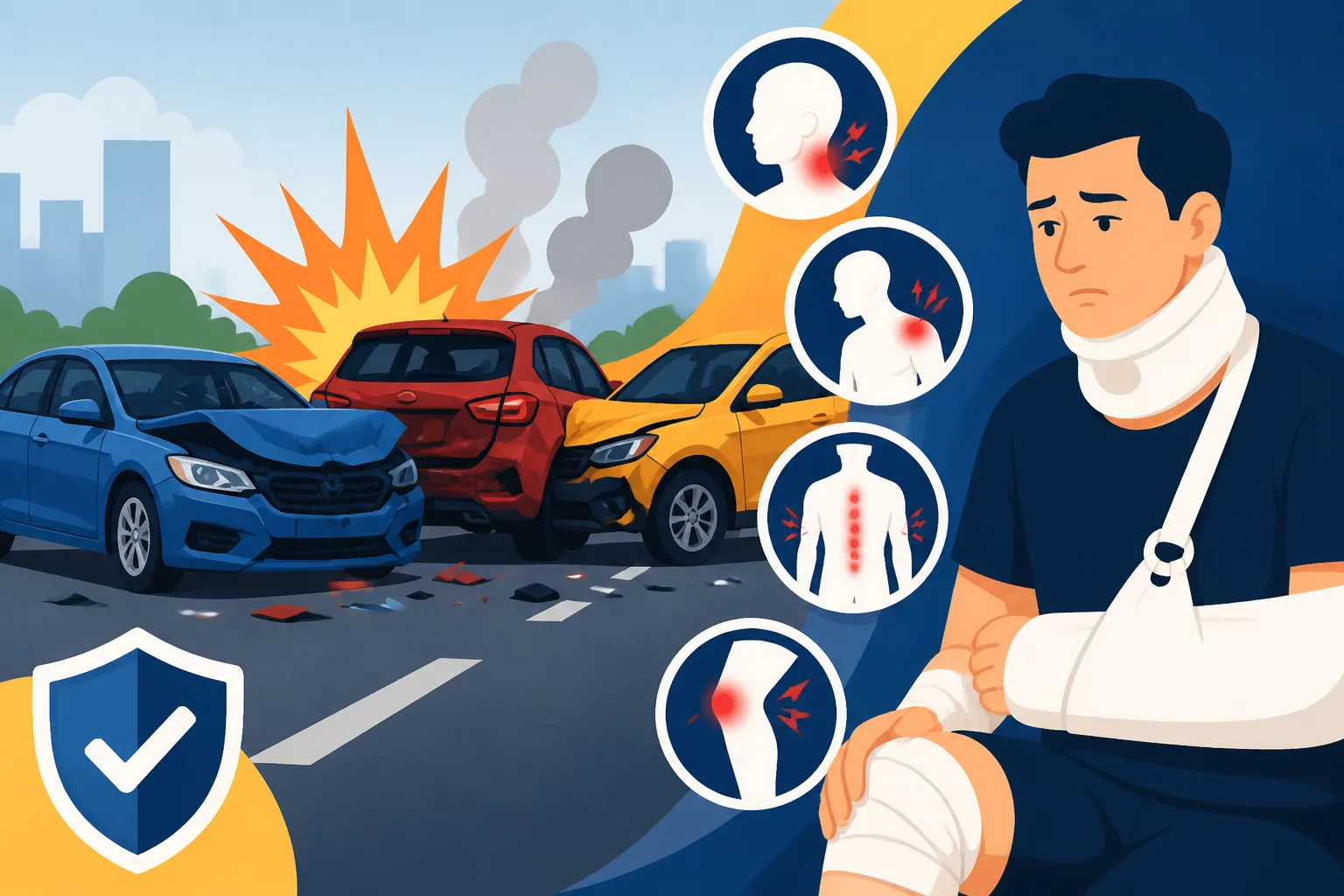
In a standard two-car crash, you usually brace for one impact. But in a multi-car pile-up, you might be hit from behind, pushed into the car in front of you, and then struck again by another vehicle from the side or behind. This creates a series of jarring, unpredictable impacts. Your body endures rapid changes in direction and force, twisting and turning in ways it’s not designed to, leading to a wider range of injuries. Imagine being thrown forward, then immediately backward, then slammed sideways—it’s a recipe for comprehensive trauma. This chain reaction makes it incredibly difficult to anticipate where the next impact will come from, leaving your body no time to prepare.
Varied Speeds and Crushing Forces
The cars involved in a pile-up are rarely moving at the same speed when they collide. One car might be virtually stopped, another traveling at highway speed, and a third braking hard. These speed differentials mean the forces involved can be immense and inconsistent. When vehicles are crushed between others, occupants can suffer severe compression injuries. For instance, if your car is sandwiched between a large truck and another sedan, the sheer force can distort the passenger compartment, leading to catastrophic injuries from being pinned or crushed. This is a far cry from the more controlled forces in a simple rear-end collision. Understanding Who Is at Fault in a Multi-Car Pileup? can be incredibly complicated due to these varied impacts and speeds.
Increased Risk of Secondary Incidents
The initial collisions in a multi-car accident often create new dangers. Debris scattered across the road can lead to tire blowouts for oncoming traffic or further impacts. Leaking fuel can ignite, causing fires that escalate the danger to those trapped in their vehicles. And sadly, there's always the risk of other drivers, not realizing the extent of the accident, plowing into the scene, creating further impacts and complicating rescue efforts. The sheer volume of damaged vehicles and injured individuals also strains emergency services, meaning it might take longer for help to reach everyone, especially in a large-scale incident.
Common Physical Injuries Sustained in Pile-Ups
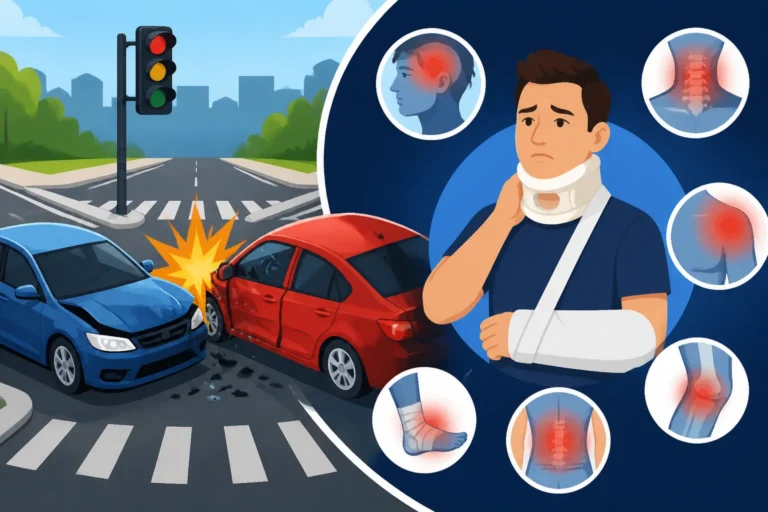
When several cars collide, the human body is subjected to extraordinary forces from multiple directions, often leading to a complex array of injuries. It’s crucial to understand these common injuries so you know what symptoms to watch for and when to seek immediate medical care.
Whiplash and Other Neck Injuries
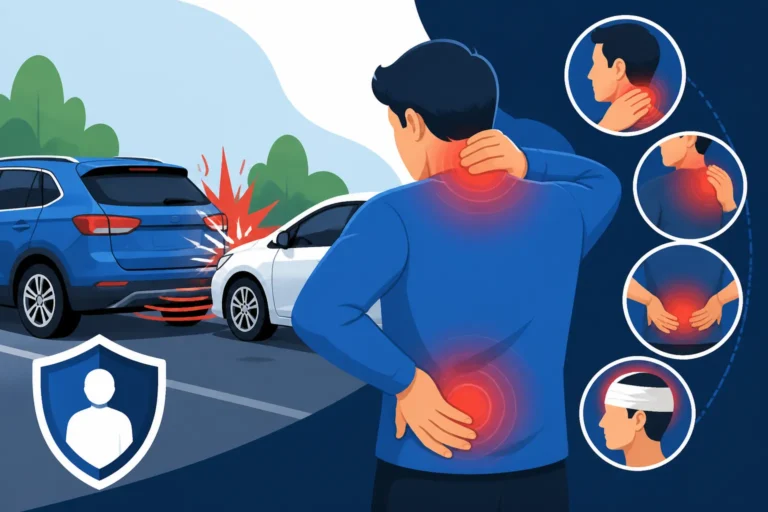
Whiplash is almost synonymous with car accidents, but in a multi-car pile-up, its severity can be amplified. Your head and neck can be violently thrown forward, backward, and even side-to-side with each impact. This rapid, uncontrolled movement strains the muscles, tendons, and ligaments in your neck, often leading to a painful condition that can manifest as stiffness, headaches, dizziness, and even radiating pain down your arms. Some people also experience blurred vision or ringing in their ears. It’s not just a minor ache; severe whiplash can be debilitating for weeks or even months, affecting your ability to work, sleep, and perform daily tasks. For a deeper dive into this common injury, our article on What Is Whiplash? Symptoms, Treatment & Claims is an excellent resource.
Back and Spinal Injuries
The spine is a complex and delicate structure, and the intense forces generated in a multi-car crash can cause significant damage. You might suffer from herniated or bulging discs, where the soft, jelly-like cushions between your vertebrae are displaced or rupture, pressing on nerves and causing excruciating pain, numbness, or weakness in your back, legs, or arms. Spinal fractures are also a serious concern, and in the most severe cases, a spinal cord injury can lead to partial or complete paralysis. Even without fractures or herniations, the muscles and ligaments supporting your spine can be severely strained, leading to chronic back pain. These injuries can profoundly impact your mobility and quality of life. Learn more about the specific types of damage in Back and Spinal Injuries From Car Accidents.
Head Injuries and Traumatic Brain Injuries (TBIs)
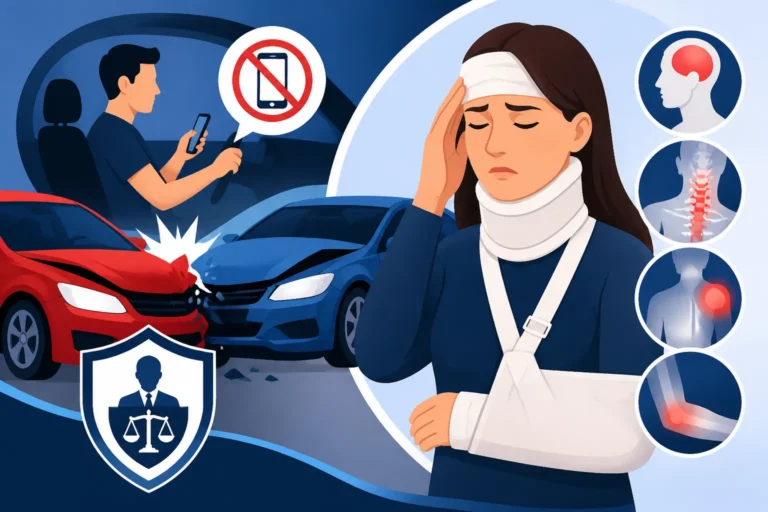
The head is particularly vulnerable in multi-impact collisions. Your head can strike the steering wheel, dashboard, side windows, or even the vehicle's roof, especially if your car rolls or is severely distorted. Even without a direct strike, the sheer force of acceleration and deceleration can cause your brain to impact the inside of your skull. This can lead to concussions, which are mild forms of Traumatic Brain Injury (TBI), characterized by symptoms like headaches, dizziness, confusion, nausea, and memory problems. More severe TBIs can result in loss of consciousness, long-term cognitive impairment, personality changes, and physical disabilities. It's critical to seek medical attention for any head injury, as symptoms can be delayed. Our detailed guide on Traumatic Brain Injury (TBI) From a Car Accident provides crucial information on this serious condition.
Broken Bones and Fractures
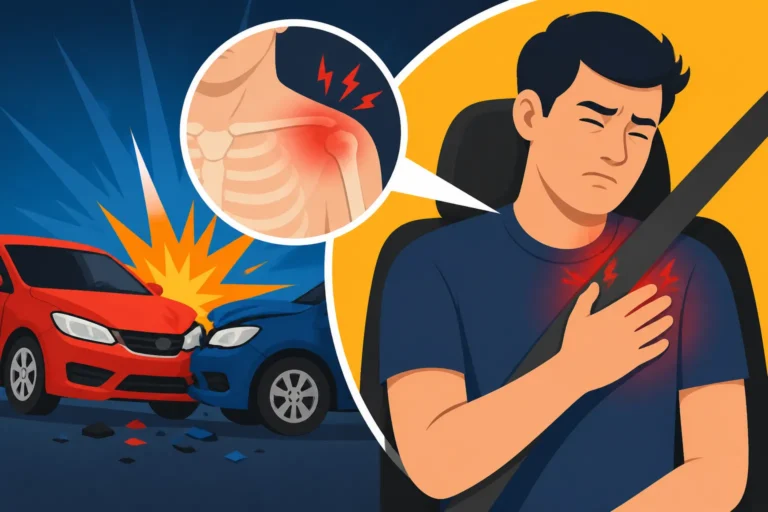
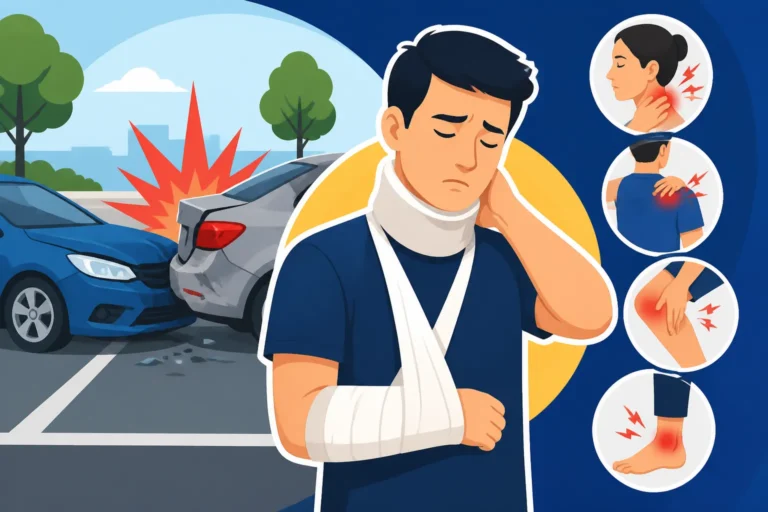
The crushing and twisting forces of a pile-up can easily result in broken bones. Common fractures include those of the arms, wrists, and hands as drivers instinctively brace for impact or grip the steering wheel. Legs, ankles, and feet can also be fractured from being jammed against pedals, the floorboard, or if the vehicle's structure deforms. Rib fractures are common from seatbelt restraint or impact with the dashboard, which can be particularly dangerous if they puncture a lung. The severity of these breaks can range from simple hairline fractures to complex, comminuted fractures requiring extensive surgery and long recovery periods.
Internal Injuries
Internal injuries are particularly insidious because they might not be immediately apparent, yet they can be life-threatening. The violent impact and rapid deceleration can cause internal organs like the spleen, liver, kidneys, or lungs to be bruised, torn, or rupture. Internal bleeding can occur silently, leading to shock and organ failure if not diagnosed and treated promptly. A collapsed lung (pneumothorax) can also occur, making breathing difficult. This is precisely why it is paramount to seek immediate medical attention after a multi-car accident, even if you feel okay.
Lacerations, Abrasions, and Burns
Shattered glass from windows and windshields, sharp edges of twisted metal, and other flying debris inside the vehicle can cause deep cuts (lacerations) and scrapes (abrasions). While some cuts may be minor, others can be severe enough to require stitches, leave permanent scarring, or even cause nerve damage. In cases where fuel ignites, occupants can sustain serious burns, adding another layer of complex injury and recovery.
The Hidden Wounds: Psychological and Emotional Trauma
Beyond the visible and internal physical injuries, multi-car accidents often leave deep, invisible scars. The psychological and emotional toll can be just as debilitating, if not more so, than the physical wounds. Ignoring these aspects of your recovery can significantly hinder your overall healing process.
Post-Traumatic Stress Disorder (PTSD)
The sheer terror and chaos of being involved in a multi-car pile-up can be incredibly traumatizing. Many survivors find themselves reliving the event through flashbacks, vivid nightmares, and intrusive thoughts. This can lead to Post-Traumatic Stress Disorder (PTSD), a serious condition that goes far beyond simply being "shaken up." Symptoms include severe anxiety, panic attacks, an exaggerated startle response, difficulty concentrating, irritability, and an avoidance of anything that reminds them of the accident, including driving. PTSD requires professional mental health support, and acknowledging its presence is the first step toward healing.
Anxiety, Depression, and Mood Disorders
The aftermath of a severe car accident can trigger a cascade of mental health challenges. Constant pain, disrupted routines, financial worries due to medical bills and lost income, and the struggle to regain normalcy can easily lead to significant anxiety and depression. You might find yourself withdrawing from social activities, losing interest in hobbies you once enjoyed, or feeling persistently sad and hopeless. Mood swings, heightened irritability, and difficulty managing stress are also common. These emotional responses are valid and need to be addressed, often with the help of therapists or counselors who specialize in accident-related trauma.
Amaxophobia (Fear of Driving)
For many who experience a multi-car accident, the once mundane act of driving can become a source of intense fear. This specific phobia, known as amaxophobia, can make it nearly impossible to get behind the wheel again, or even to ride as a passenger. The thought of being in another accident, especially in similar circumstances, can trigger severe panic. This fear can severely impact your independence, making commutes, errands, and social activities incredibly challenging. Overcoming amaxophobia often requires gradual exposure therapy and psychological support.
Sleep Disturbances
The combination of physical pain, anxiety, and the psychological replay of the accident can wreak havoc on your sleep patterns. Insomnia, difficulty falling asleep, frequent waking, and nightmares are common complaints. Lack of restorative sleep not only exacerbates physical pain and fatigue but also hinders your mental and emotional recovery, creating a vicious cycle. Addressing sleep disturbances is a crucial part of holistic recovery from a multi-car accident.
Taking Action: Documenting and Treating Your Injuries
When you're dealing with the aftermath of a multi-car accident, the road to recovery can feel daunting. However, taking proactive steps in documenting and treating your injuries is crucial for both your health and any potential car accident claim.
Seek Immediate Medical Attention
This cannot be stressed enough: even if you feel fine immediately after the crash, you must seek medical evaluation. Adrenaline can mask pain, and many serious injuries, such as concussions or internal bleeding, have Delayed Injury Symptoms After a Car Accident. Waiting days or weeks to see a doctor can not only worsen your condition but also make it harder to prove that your injuries were directly caused by the accident. Go to the nearest emergency room or urgent care facility. A comprehensive check-up will ensure any hidden injuries are identified and treated promptly. Our article Why You Should See a Doctor After a Car Accident provides more reasons why this step is non-negotiable.
Meticulous Documentation is Your Best Ally
From the moment you seek medical attention, keep an organized, detailed record of everything. This includes:
- Medical Records: All doctor's visits, diagnoses, treatment plans, medications, referrals to specialists (like physical therapists, chiropractors, or mental health professionals), and progress reports.
- Expenses: Keep receipts for all medical bills, prescription costs, over-the-counter pain relievers, transportation to appointments, and any other out-of-pocket costs related to your injuries.
- Pain Journal: Regularly document your pain levels, symptoms, limitations, and how your injuries affect your daily life. This can be invaluable for demonstrating the impact of your injuries, especially when considering non-economic damages like pain and suffering.
- Lost Wages: Track any time you miss from work due to your injuries, appointments, or recovery. Obtain documentation from your employer verifying lost income.
Thorough documentation is the bedrock of proving your injuries and will be instrumental in determining How Much Is My Car Accident Settlement Worth? (2026). It provides concrete evidence for your claim, detailing How to Prove Injuries in a Car Accident Claim.
Adhere to Your Treatment Plan Diligently
Once you've received a diagnosis and a treatment plan, follow it precisely. This includes attending all physical therapy sessions, taking prescribed medications, following specialist recommendations, and undergoing any recommended surgeries or procedures. Gaps in treatment can be problematic when dealing with insurance companies. They might argue that your injuries weren't severe enough to warrant continuous care, or that you exacerbated them by not following medical advice. Consistent treatment not only aids your physical recovery but also strengthens the link between the accident and your injuries, crucial for your claim.
Understanding and Claiming All Damages
Injuries from a multi-car accident can lead to significant financial burdens and profound personal losses. It's important to understand the different types of damages you can claim:
- Economic Damages: These are quantifiable financial losses, including past and future medical expenses, lost wages (both current and future earning capacity), property damage to your vehicle, and out-of-pocket costs.
- Non-Economic Damages: These are more subjective losses that don't have a direct monetary value, such as pain and suffering, emotional distress, loss of enjoyment of life, and disfigurement. These are often calculated using methods like the multiplier method based on your economic damages.
For a comprehensive understanding, our article on Economic vs Non-Economic Damages in Injury Claims breaks down these concepts in detail. Ensuring you account for all these impacts is vital for a fair recovery.
| Injury Type | Common Symptoms | Potential Severity | Typical Recovery Time |
|---|---|---|---|
| Whiplash | Neck pain, stiffness, headaches, dizziness | Mild to Moderate, can become chronic | Weeks to several months |
| Herniated Disc | Sharp pain, numbness, tingling, weakness in limbs | Moderate to Severe, may require surgery | Months to over a year, potential lifelong issues |
| Concussion | Headaches, confusion, fatigue, light/sound sensitivity | Mild to Moderate, with possible long-term effects | Days to weeks, sometimes months |
| Fractures (Broken Bones) | Severe localized pain, swelling, bruising, immobility | Moderate to Severe, requires casting/surgery | Weeks to many months, depending on location and type |
| Internal Bleeding/Organ Damage | Abdominal pain, bruising, dizziness, faintness, shock | Severe, life-threatening, requires emergency surgery | Varies greatly, can involve extensive recovery |
| PTSD | Flashbacks, nightmares, severe anxiety, avoidance | Moderate to Severe, requires professional therapy | Months to years, or ongoing management |
| Severe Lacerations | Deep cuts, heavy bleeding, visible tissue damage | Moderate to Severe, may require stitches/skin grafts | Weeks to months, potential for permanent scarring |
Seek Legal Guidance
Navigating the aftermath of a multi-car accident can be incredibly complex. There might be multiple at-fault drivers, different insurance companies involved, and intricate legal processes. Dealing with this while recovering from injuries is incredibly overwhelming. A seasoned car accident attorney can be an invaluable advocate. They can help investigate the accident, gather evidence, handle communications with insurance adjusters, and ensure you pursue all available compensation for your physical and emotional trauma. They understand the nuances of personal injury law and can protect your rights, allowing you to focus on healing.
Disclaimer
Please remember that the information provided in this article is for general informational purposes only and does not constitute legal or medical advice. Every car accident case is unique, and the specific injuries and legal implications can vary significantly. It is crucial to consult with a qualified medical professional for any health concerns and a legal professional for advice tailored to your specific situation.