Claiming Compensation for Soft Tissue Injuries in California
You've been in a car accident, and while you might not have a broken bone, the constant ache, stiffness, and throbbing pain from what doctors call "soft tissue injuries" can be just as debilitating, if not more so. It’s a frustrating reality that these injuries, though often invisible on an X-ray, can completely upend your daily life. This guide is here to walk you through how to navigate claiming compensation for these types of injuries specifically in California, offering practical, empathetic advice.
Understanding Soft Tissue Injuries After a California Car Accident
When you think of car accident injuries, you might picture broken bones or deep lacerations. But the truth is, a vast number of crash victims, especially in the fender-benders or sudden stops common on California’s busy freeways like the 405 or the I-5, suffer from what's known as soft tissue injuries. These aren't just minor aches; they can be serious, long-lasting, and incredibly painful.
What Exactly Are Soft Tissue Injuries?
Soft tissue injuries refer to damage to the body's connective tissues: muscles, tendons, and ligaments. Unlike bones, which show up clearly on an X-ray when fractured, these tissues are designed for flexibility and support. When they're overstretched, twisted, or torn in the violent forces of a car accident, the resulting damage can be agonizing. Think of it this way: your body isn't meant to withstand the sudden jolt of a collision, and your soft tissues often bear the brunt of that impact.
Common examples include sprains (damage to ligaments that connect bones), strains (damage to muscles or tendons that connect muscles to bones), and contusions (bruises). The tricky part is that because they don't always appear on standard imaging like X-rays, insurance companies sometimes try to downplay their severity. This is why understanding them, and how to document them, is absolutely crucial for your claim. These injuries can sometimes be more complex than people realize, leading to chronic pain if not treated properly.
Common Soft Tissue Injuries from Car Collisions in California
The types of soft tissue injuries you might sustain in a car accident vary greatly depending on the impact, your position in the vehicle, and even how your body tensed up before impact. However, some are particularly common following motor vehicle accidents throughout California:
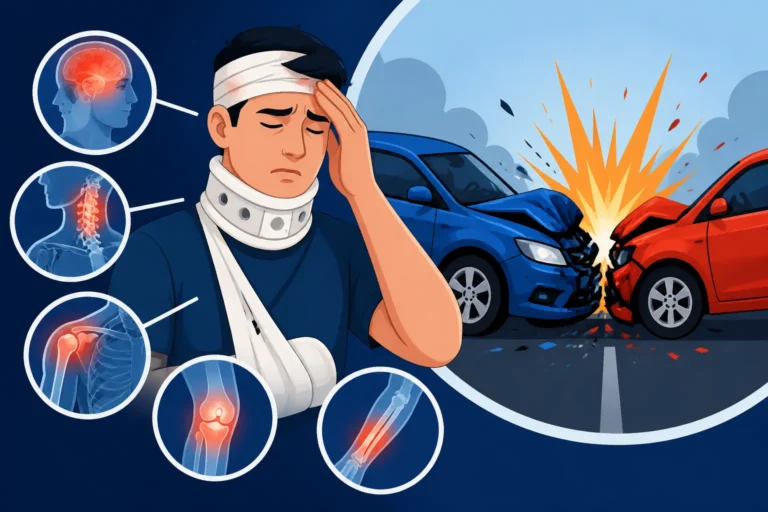
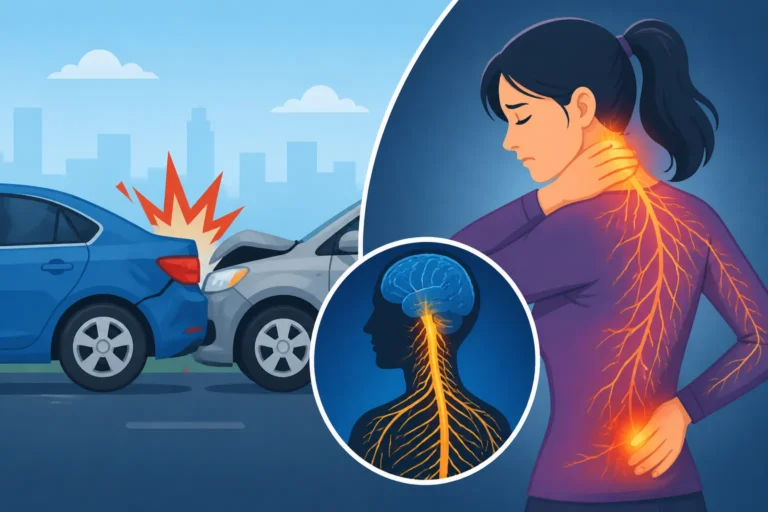
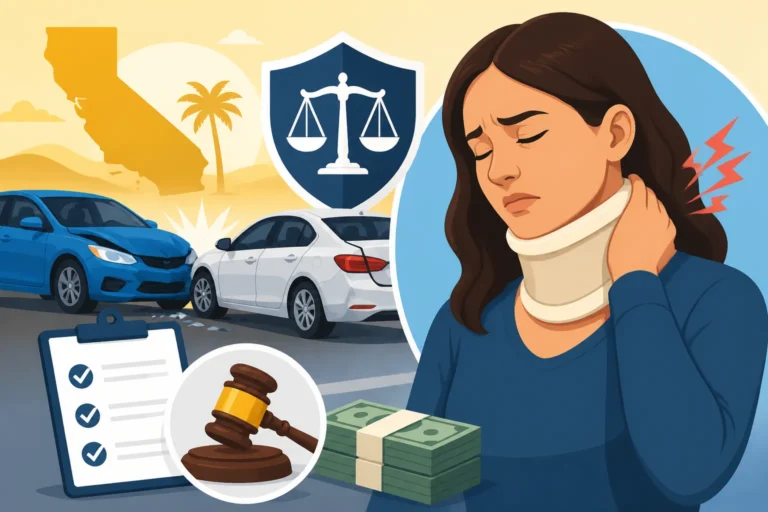
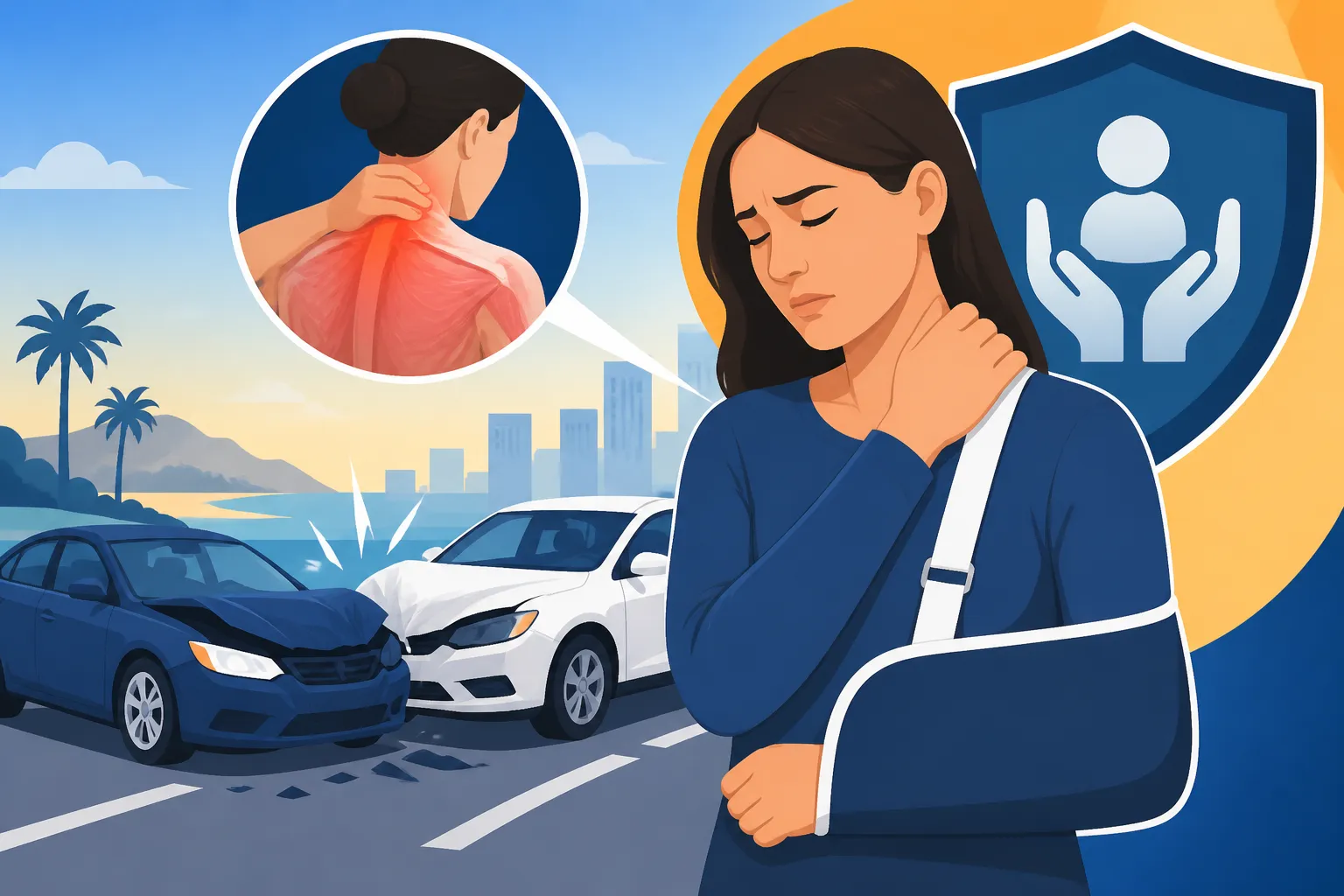
- Whiplash (Cervical Sprain/Strain): This is perhaps the most notorious soft tissue injury. It occurs when your head is suddenly jolted backward and then forward, like the cracking of a whip. This rapid movement overstretches and tears the muscles, tendons, and ligaments in your neck. Symptoms can include neck pain, stiffness, headaches, dizziness, and even radiating pain into the shoulders or arms. A rear-end collision, for instance, is a classic cause of whiplash, even at low speeds. For a deeper dive, you might find our guide on Whiplash Symptoms After a Car Accident helpful.
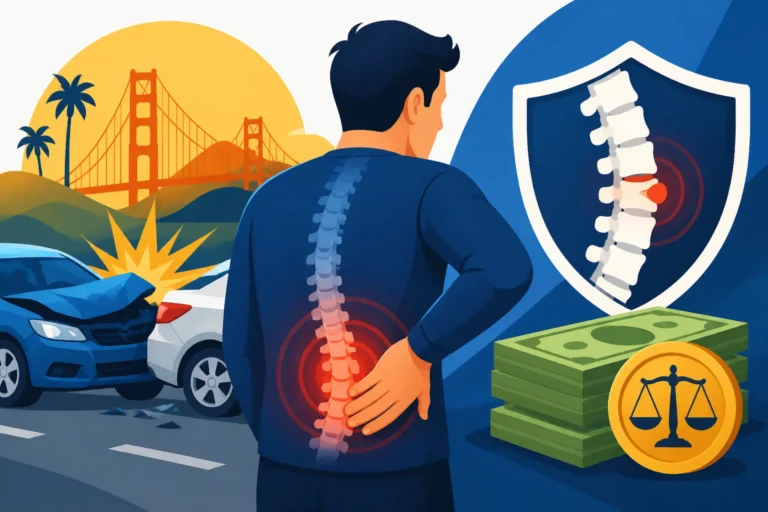
- Lumbar and Thoracic Sprains/Strains: Similar to whiplash in the neck, your lower (lumbar) and mid (thoracic) back can suffer sprains and strains from the sudden twisting or jarring movements of a crash. This can lead to persistent back pain, muscle spasms, and difficulty with movement.
- Shoulder Injuries: The seatbelt, while life-saving, can sometimes contribute to shoulder injuries. The sudden force of being restrained can strain or tear the ligaments and tendons around the shoulder joint, including the rotator cuff or labrum. Direct impact from the side or striking something inside the vehicle can also lead to these painful issues.
- Knee Injuries: Your knees can be injured if they impact the dashboard or steering column, or if the force of the collision twists your leg. This can result in sprains to ligaments like the ACL, PCL, or MCL, leading to pain, swelling, and instability.
- Wrist and Hand Sprains: Instinctively bracing for impact can cause wrist and hand injuries. The sudden force can sprain ligaments in the wrist or lead to strains in the hand muscles.
Even seemingly minor accidents, like a bump in a crowded parking lot or a sudden stop on a surface street in San Diego, can exert enough force to cause significant soft tissue damage. The adrenaline rush immediately after a crash can mask symptoms, leading to Delayed Injury Symptoms After a Car Accident, which is why medical evaluation is always recommended.
Documenting Your Soft Tissue Injuries for a California Claim
When you're dealing with the aftermath of a car accident, especially with injuries that aren't always visible, documentation is your best friend. In California, the success of your compensation claim for soft tissue injuries hinges almost entirely on how thoroughly you document everything, from the moment of impact to your last doctor's visit.
The Critical Importance of Seeking Immediate Medical Attention
I cannot stress this enough: seek medical attention immediately after a car accident, even if you feel okay. This isn't just about your physical health, which is paramount; it's also about protecting your legal rights. Insurance companies are notorious for scrutinizing gaps in treatment. If you wait days or weeks to see a doctor, they might argue that your injuries weren't caused by the accident, or that you exacerbated them by delaying care.
Here’s why it’s so crucial:
- Establishing Causation: A medical professional can diagnose your injuries and link them directly to the car accident. This critical connection is what insurance adjusters look for. They need to see a clear line from the incident to your diagnosis.
- Comprehensive Diagnosis: Soft tissue injuries can be complex. An emergency room physician, your primary care doctor, or specialists like chiropractors or physical therapists can properly diagnose your condition. They might order imaging like an MRI or CT scan, which can often reveal soft tissue damage that a standard X-ray misses.
- Treatment Plan: Immediate medical attention leads to an immediate treatment plan. This plan, including follow-up appointments, physical therapy, medication, or specialist referrals, becomes part of your medical record and directly supports the extent of your injuries and the costs associated with your recovery.
- Preventing Aggravation: Sometimes, what feels like a minor tweak can worsen over time without proper care. Getting checked out right away can prevent more severe, long-term issues.
Remember, if you start feeling pain a day or two after the crash, don't dismiss it. Many injuries, especially soft tissue ones, don't manifest immediately due to adrenaline. Go to an urgent care or your doctor. The sooner you get it documented, the stronger your claim will be.
Gathering Evidence for Your Soft Tissue Injury Claim
Once you've sought medical care, the next step is to diligently gather and organize all evidence related to your injuries and their impact on your life. This goes beyond just your doctor's notes. A robust collection of evidence makes it much harder for insurance companies to deny or devalue your claim.
Here’s a detailed list of what you should collect:
- Medical Records: This is the cornerstone of your claim. Request all records from every medical provider you see – emergency room, urgent care, primary care physician, specialists, chiropractors, physical therapists, etc. These records should include:
- Diagnosis: The specific names of your soft tissue injuries (e.g., "cervical sprain," "lumbar strain," "rotator cuff tendinitis").
- Treatment Plan: Details of all treatments received, including medications, physical therapy sessions, injections, and any recommended future treatments.
- Prognosis: Your doctor’s opinion on your expected recovery, including any long-term limitations or potential for chronic pain.
- Imaging Results: While X-rays often don't show soft tissue, MRIs and CT scans can. If your doctor orders these, ensure you have copies of the reports and, if possible, the actual images. Explain to your doctor that you were in an accident and need thorough documentation of your injuries.
- Physical Therapy Notes: If you undergo physical therapy, the notes from each session are invaluable. They document your progress (or lack thereof), the specific exercises performed, and how your injuries are affecting your function and pain levels.
- Medication Receipts: Keep track of all prescriptions and over-the-counter medications you purchase to manage your pain and symptoms.
- Personal Pain Journal: This is often overlooked but incredibly powerful. Keep a daily journal detailing:
- Your pain levels (on a scale of 1-10).
- How your injuries restrict your daily activities (e.g., can't lift groceries, difficulty sleeping, unable to play with your kids, can't sit for long periods at work).
- Your emotional state (frustration, anxiety, sadness).
- Any specific incidents where your pain flared up.
This helps document your Pain and Suffering: How It's Calculated, which is a significant component of your non-economic damages.
- Lost Wage Documentation: If your injuries caused you to miss work, gather:
- Pay stubs showing your regular earnings.
- Letters from your employer confirming missed workdays and lost income.
- Doctor's notes advising you to take time off work or restricting your activities.
- Other Receipts: Keep receipts for any out-of-pocket expenses directly related to your injuries, such as transportation to medical appointments, assistive devices (braces, crutches), or even ergonomic adjustments you had to make at home or work.
Consistency in reporting your symptoms to all medical providers is key. Don't exaggerate, but don't downplay your pain either. Be honest and thorough. Every detail helps build a comprehensive picture of your soft tissue injuries and their impact on your life.
Here's a quick overview of how different types of soft tissue injuries manifest:
| Injury Type | Common Causes | Typical Symptoms | Diagnostic Methods (Beyond Exam) |
|---|---|---|---|
| Whiplash | Rear-end collisions, sudden stops | Neck pain, stiffness, headaches, dizziness, shoulder pain, restricted range of motion | MRI, CT Scan |
| Lumbar Strain | Sudden twisting, impact, heavy lifting (post-crash) | Lower back pain, muscle spasms, stiffness, difficulty bending or lifting | MRI, CT Scan |
| Shoulder Sprain/Tear | Seatbelt impact, direct impact, bracing | Shoulder pain, limited range of motion, weakness, popping/clicking sound | MRI |
| Knee Ligament Sprain | Dashboard impact, twisting force, side impact | Knee pain, swelling, instability, difficulty walking, "giving way" sensation | MRI |
| Wrist Sprain | Bracing for impact, sudden hyperextension | Wrist pain, swelling, tenderness, bruising, limited wrist movement | X-ray (to rule out fracture), MRI |
Navigating Compensation for Soft Tissue Injuries in California
Claiming compensation for soft tissue injuries in California means understanding the types of damages you can pursue and how the state's specific laws on fault can impact your eventual settlement. It's not just about proving you're hurt; it's about proving the value of that hurt.
Economic and Non-Economic Damages You Can Claim
In California, if you've been injured in a car accident due to someone else's negligence, you are generally entitled to recover both economic and non-economic damages. These two categories cover different aspects of your losses and suffering.
-
Economic Damages: These are the tangible, quantifiable financial losses directly resulting from your soft tissue injuries. They are relatively straightforward to calculate because they come with invoices, bills, and pay stubs.
- Medical Bills (Past and Future): This includes everything from your emergency room visit, doctor consultations, physical therapy sessions, chiropractic care, prescription medications, specialist visits, and any necessary medical equipment. For soft tissue injuries, ongoing physical therapy can be extensive. You can claim for bills you've already incurred and reasonably anticipated future medical expenses if your doctor indicates long-term treatment is needed.
- Lost Wages (Past and Future): If your soft tissue injuries prevented you from working, or forced you to reduce your hours, you can claim for the income you've lost. This also extends to future lost earning capacity if your injuries are expected to have a long-term impact on your ability to work or earn at your previous level. Our guide on How Lost Wages Are Calculated in a Settlement can offer more insights here.
- Property Damage: While this isn't directly related to your soft tissue injuries, it's part of your overall accident claim and covers repairs to your vehicle or its replacement value.
- Out-of-Pocket Expenses: Don't forget smaller costs like transportation to medical appointments, over-the-counter pain relievers, or even childcare costs incurred because you were unable to care for your children due to your injuries. Keep every single receipt!
-
Non-Economic Damages: These are the intangible losses that are harder to put a specific dollar amount on, but they often represent a significant portion of your settlement, especially with persistent soft tissue pain.
- Pain and Suffering: This is the most common non-economic damage for soft tissue injuries. It encompasses the physical pain you've endured, the discomfort, and the limitations your injuries have placed on your daily life. This can be calculated using various methods, often a multiplier of your economic damages, which varies based on the severity of your injuries.
- Emotional Distress: Car accidents are traumatic. Even without severe physical injury, the emotional toll from soft tissue injuries (e.g., anxiety about driving, depression due to chronic pain, frustration over limited activities) is compensable.
- Loss of Enjoyment of Life: If your injuries prevent you from participating in hobbies, sports, or recreational activities you once enjoyed, this is a legitimate claim. Perhaps you can no longer play golf, hike the trails near Santa Monica, or even simply enjoy gardening because of your back or neck pain.
- Inconvenience: The hassle of medical appointments, dealing with insurance companies, and managing household tasks while injured.
It’s crucial to understand that even if your soft tissue injuries don't look as "serious" as a broken bone on an X-ray, their impact on your daily life, quality of life, and emotional well-being can be profound and absolutely warrant compensation. These damages are designed to make you whole again, as much as money can.
How Fault and California's Laws Affect Your Claim
California operates under a "fault" system for car accidents, meaning that the driver who caused the accident (the at-fault driver) is responsible for the damages incurred by the other parties. This also means that their insurance company is typically the one you'll be filing a claim against. If you're wondering How Insurance Companies Determine Who Is at Fault, it involves reviewing police reports, witness statements, and accident reconstruction details.
However, California also follows a pure comparative negligence rule, which is incredibly important for soft tissue injury claims. Here’s what that means for you:
-
Pure Comparative Negligence Explained: In California, you can still recover damages even if you were partially at fault for the accident. Your compensation amount will simply be reduced by your percentage of fault. For example, if your total damages (economic + non-economic) are determined to be $50,000, but you were found 20% at fault for the accident (perhaps you were speeding slightly, even if the other driver ran a red light), your recoverable compensation would be reduced by 20% ($10,000), leaving you with $40,000. This is a vital distinction from some other states where even a small percentage of fault could completely bar your recovery. Our article Pure Comparative Negligence States Explained delves deeper into this system.
-
Insurance Adjusters and Soft Tissue Injuries: Insurance adjusters often try to minimize payouts, and soft tissue injuries are a common target. They might argue that your injuries are not severe, are pre-existing, or that your treatment was excessive. They will look for any inconsistencies in your statements or gaps in your medical treatment to reduce their liability. It's a common tactic to suggest that a "minor impact" couldn't have caused significant whiplash, despite scientific evidence proving otherwise.
-
Statute of Limitations: In California, you generally have two years from the date of the car accident to file a personal injury lawsuit. If you're only claiming property damage, it's typically three years. However, waiting too long can harm your case, as evidence can disappear and memories fade. You can learn more about this crucial deadline in our piece on the Statute of Limitations for Car Accidents in California.
Understanding California’s fault and comparative negligence laws is crucial because it empowers you to anticipate how insurance companies might approach your claim and strengthens your ability to advocate for fair compensation for your soft tissue injuries.
Strategies for Maximizing Your Soft Tissue Injury Claim
Navigating a car accident claim with soft tissue injuries can feel like a labyrinth, especially when dealing with insurance companies whose primary goal is to save money. But with the right strategies, you can significantly improve your chances of receiving fair compensation in California.
Dealing with Insurance Companies and Their Tactics
Insurance companies are businesses, and like any business, they aim to minimize costs. When it comes to soft tissue injuries, which can be harder to objectively "prove" than a broken bone, they often employ specific tactics to reduce their payout. Being aware of these can help you protect your claim:
- Downplaying Severity: A common tactic is to argue that because your car sustained minimal damage, your injuries must also be minor. This "low impact, no injury" argument is often used, despite medical science demonstrating that vehicle damage doesn't always correlate with occupant injury severity. They might also suggest that your whiplash isn't as bad as you claim or that your back strain is just a common ache.
- Questioning Causation and Pre-Existing Conditions: Adjusters will search for any reason to claim your injuries aren't from this accident. They might ask about past injuries or medical conditions, implying that your current soft tissue pain is a pre-existing issue rather than a new one caused by the crash. It's important to be honest about your medical history, but also to assert that the accident either caused new injuries or significantly exacerbated a prior condition.
- Highlighting Gaps in Treatment: As mentioned, any delay in seeking medical attention or gaps in your ongoing treatment (e.g., missing physical therapy appointments) will be used against you. The adjuster will argue that if your injuries were truly severe, you would have sought continuous care.
- Requesting Recorded Statements: The at-fault driver's insurance company will likely ask you to give a recorded statement. While you must cooperate with your own insurance company, you are generally not obligated to give a recorded statement to the other driver's insurer. It's always best to consult with an attorney before doing so, as anything you say can be used to undermine your claim. What you say can be an What Is an Admission of Fault and How to Avoid It.
- Offering a Quick, Lowball Settlement: They might offer a fast settlement, especially if you haven't completed your medical treatment. This offer is almost always less than your claim is worth, and accepting it means you waive your right to seek further compensation, even if your soft tissue injuries worsen. Knowing How to Deal With a Lowball Insurance Offer is critical to avoid leaving money on the table.
To counter these tactics, maintain meticulous records, be consistent in your medical care, and never rush into a settlement agreement. Always let your doctor be the guide regarding your treatment and recovery timeline.
The Role of a Car Accident Lawyer in California
For many people, especially those with soft tissue injuries, the idea of hiring a lawyer seems daunting. However, a skilled car accident lawyer can be an invaluable asset in maximizing your claim in California. They bring expertise and resources that most individuals simply don't have.
Here's how a car accident lawyer can help:
- Expertise in California Law: Lawyers understand California's specific personal injury laws, including comparative negligence, the statute of limitations, and the nuances of proving non-economic damages like pain and suffering. They know how to apply these laws to the specifics of your soft tissue injury case.
- Evidence Gathering and Management: Your attorney will assist in gathering all necessary medical records, police reports, witness statements, and even expert testimony (if needed) to build a strong case. They know precisely what evidence is needed to prove your injuries and their direct link to the accident. This includes understanding How to Prove the Other Driver Was at Fault.
- Dealing with Insurance Companies: Lawyers act as a buffer between you and the insurance company. They handle all communications, negotiations, and deflect the tactics adjusters often use to minimize claims. This means you can focus on your recovery without the added stress of legal battles.
- Accurate Valuation of Your Claim: An experienced lawyer can accurately assess the full value of your soft tissue injury claim, including both current and future economic and non-economic damages. They consider factors like your medical prognosis, potential long-term limitations, and the impact on your quality of life. This ensures you don't accept a settlement that is far less than what you deserve.
- Negotiation Skills: Lawyers are seasoned negotiators. They know how to present your case effectively and argue for maximum compensation. If the insurance company refuses to offer a fair settlement, they can advise you on the next steps, including filing a lawsuit.
- Contingency Fees: Most car accident lawyers in California work on a contingency fee basis. This means you don't pay any upfront legal fees. Instead, their payment is a percentage of the final settlement or award. If they don't win, you generally don't pay. This arrangement makes quality legal representation accessible to everyone, regardless of their current financial situation. Understanding How Car Accident Lawyer Contingency Fees Work can alleviate concerns about upfront costs.
While you can try to handle a minor car accident claim with very minimal injuries on your own, soft tissue injuries, given their often subjective nature and potential for long-term complications, almost always benefit from legal representation. A lawyer can truly level the playing field against large insurance corporations and ensure your rights are protected.
Disclaimer
Please remember that this guide provides general information about claiming compensation for soft tissue injuries in California and does not constitute legal advice. Every car accident claim is unique, and the outcome depends on specific facts and circumstances. For personalized advice regarding your situation, it is always recommended to consult with a qualified personal injury attorney in California.