Is Neck Injury Common After a Rear-End Collision?
You’ve just been rear-ended. Maybe it was a fender bender at a stop sign, or perhaps a more jarring impact on the highway. In the immediate aftermath, your mind races: Is everyone okay? Is my car totaled? But beneath the surface, a more insidious worry often starts to creep in – that nagging ache in your neck. Many people wonder if neck pain is just a common, minor inconvenience after such an event, or if it signals something more serious. This guide will thoroughly explore the reality of neck injuries following a rear-end collision, helping you understand their prevalence, types, and the crucial steps you should take.
The Startling Frequency of Neck Injuries in Rear-End Collisions
It might feel like you're the only one experiencing that unsettling stiffness or pain in your neck after a seemingly minor bump, but the truth is, neck injuries are incredibly common after rear-end accidents. In fact, they are arguably the most frequently reported type of injury from these kinds of crashes, often leaving drivers and passengers reeling, sometimes days or even weeks after the initial impact.
The Peculiar Mechanics of a Rear-End Impact
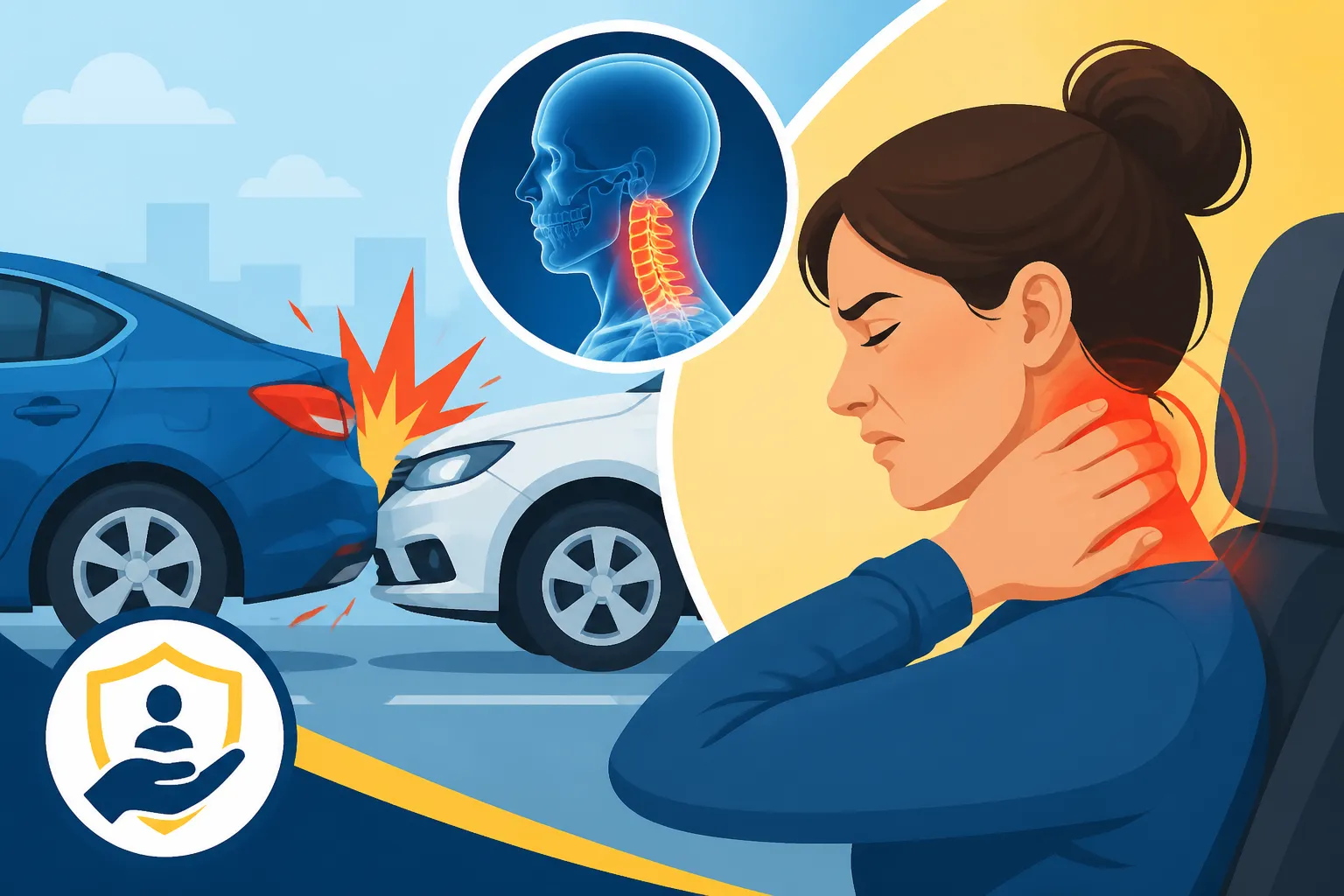
To truly understand why neck injuries are so prevalent, let's break down the physics of a rear-end collision. When your vehicle is struck from behind, your body is first pushed forward by the seatbelt or the impact itself. However, your head, being heavier and less constrained, lags behind for a split second. Then, as your car quickly decelerates or is pushed forward, your torso is suddenly restrained while your head continues its motion backward, hyperextending your neck. Immediately after, your head is violently flung forward, causing hyperflexion. This rapid, uncontrolled S-shaped movement of the neck is precisely what gives "whiplash" its name and creates the perfect storm for soft tissue damage.
Imagine you're standing still, then someone shoves you hard from behind. Your feet might stay planted for a moment, but your upper body snaps back, then forward. That's a simplified version of what happens to your neck in a rear-end collision, but at much higher speeds and with the added force of several tons of metal involved. This sudden, forceful stretching and compression of the neck's delicate structures—muscles, ligaments, tendons, and even the discs between vertebrae—is what causes so much trouble.
Why Even Low-Speed Collisions Can Cause Significant Harm
Here's a frustrating reality check: you don't need to be in a high-speed pileup to sustain a significant neck injury. Studies have shown that even impacts at speeds as low as 5 to 10 miles per hour can generate enough force to cause whiplash or other soft tissue damage. The reason for this often lies in the "delta-V," or the change in velocity of the vehicle. A sudden jolt, even if it doesn't leave much visible damage on your car's bumper, can transfer a surprising amount of energy to your body.
Furthermore, the lack of immediate visible damage to your vehicle can often lead insurance companies, and even friends or family, to downplay your symptoms. This skepticism can be incredibly frustrating when you're dealing with real, debilitating pain. It's a common misconception that if the car isn't totaled, the occupants couldn't possibly be seriously injured. Unfortunately, this couldn't be further from the truth when it comes to the human body's vulnerability. This is precisely why seeking medical attention promptly, regardless of the apparent severity of the crash, is so important.
Common Types of Neck Injuries After a Rear-End Accident
While "whiplash" is the term most people associate with neck pain after a car accident, it's actually a broad term that encompasses a range of injuries. Understanding the specific types of damage that can occur is crucial for proper diagnosis and treatment.
Whiplash Associated Disorders (WAD): More Than Just a "Stiff Neck"
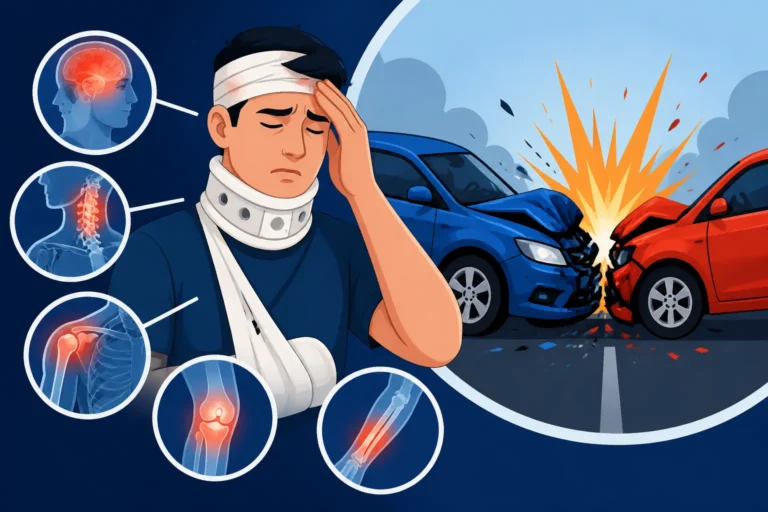
Whiplash Associated Disorders (WAD) describe a collection of symptoms and injuries resulting from the rapid acceleration-deceleration forces on the neck. It's not just a fancy way to say "stiff neck." This complex injury can involve damage to the muscles, ligaments, tendons, nerves, and even the facet joints in the cervical spine. The impact can cause tiny tears in these soft tissues, leading to inflammation, pain, and reduced range of motion.
For many, whiplash symptoms don't appear immediately. You might feel fine after the accident, perhaps a bit shaken up, only to wake up the next day or even a few days later with excruciating neck pain, headaches, and dizziness. This delayed onset is a hallmark of whiplash and often tricks people into thinking they're fine, delaying crucial medical intervention. You might find yourself struggling to turn your head to check your blind spot, or even just looking down at your phone becomes an agonizing ordeal. The insidious nature of delayed symptoms can make it particularly challenging to deal with your recovery and even with insurance claims, as some might question the legitimacy of your injury if you didn't report pain at the scene. This is why understanding Delayed Injury Symptoms After a Car Accident is so important.
Other Serious Neck Injuries: Beyond Soft Tissue Damage
While whiplash is common, rear-end collisions can also lead to more severe, structural neck injuries. These often involve the discs between your vertebrae or the vertebrae themselves.
- Herniated or Bulging Discs: The intervertebral discs act as cushions between your vertebrae. The sudden forces of a rear-end impact can cause these discs to bulge outward or even rupture (herniate). When this happens, the soft inner material of the disc can press on nearby spinal nerves, leading to radiating pain, numbness, tingling, or weakness in your arms and hands. This isn't just local neck pain; it can be a debilitating condition that affects your entire upper body. It's a different beast than a simple muscle strain.
- Nerve Impingement or Radiculopathy: As mentioned, a herniated disc can directly press on spinal nerves. However, nerve impingement can also occur due to swelling from soft tissue injuries or misalignment of the vertebrae. This condition, known as radiculopathy, can cause persistent pain, tingling, and weakness along the path of the affected nerve. Imagine a constant electrical current shooting down your arm – that’s what some people experience.
- Facet Joint Injuries: The facet joints are small joints located between each vertebra that allow for movement. Whiplash can cause these joints to become inflamed or even sprain the ligaments that support them, leading to localized neck pain and stiffness.
- Vertebral Fractures (Less Common but Possible): While less common in typical rear-end collisions unless the impact is very severe, vertebral fractures can occur. These are serious injuries that require immediate medical attention and can have long-lasting consequences.
- Ligamentous Tears: The ligaments are tough bands of tissue that connect bones. A rear-end impact can overstretch or tear the ligaments in your neck, leading to instability and chronic pain. The healing process for ligaments can be slow and complex.
Understanding the difference between these types of injuries can sometimes be difficult for an injured person, but it is vital for accurate diagnosis and treatment. A thorough medical evaluation is the only way to pinpoint the exact nature of your neck injury. For more on the broad spectrum of potential harm, you might want to look into our guide on Common Car Accident Injuries: Complete Guide (2027).
Recognizing the Symptoms of a Neck Injury
The aftermath of a car accident is chaotic, and it's easy to overlook subtle signs of injury when adrenaline is pumping. However, being aware of common symptoms can help you seek timely medical care and prevent a minor issue from becoming a chronic problem.
The Tricky Nature of Immediate vs. Delayed Symptoms
One of the most frustrating aspects of neck injuries from rear-end collisions is their tendency to manifest gradually. Immediately after the crash, you might feel a rush of adrenaline, shock, and perhaps a general soreness. Many people report feeling "okay" at the scene, only to wake up the next morning feeling like they've been in a wrestling match. This delay can range from a few hours to several days, or even a couple of weeks, making it challenging to connect the symptoms directly to the accident if you’re not vigilant.
Common delayed symptoms include:
- Neck Pain and Stiffness: This is the most obvious sign. It might start as a dull ache and progress to sharp, localized pain. You might struggle to turn your head side to side or look up and down.
- Headaches: Headaches, especially those originating at the base of the skull and radiating towards the temples or forehead, are very common after whiplash. They can range from mild to severe and persistent.
- Shoulder and Upper Back Pain: The muscles and nerves in your neck are interconnected with your shoulders and upper back. It's not uncommon for pain to spread to these areas. You might feel a constant dull ache or sharp, shooting pains.
- Dizziness or Vertigo: Some people experience dizziness, lightheadedness, or a spinning sensation after a neck injury. This can be disorienting and impact your balance.
- Fatigue and Sleep Disturbances: Constant pain and discomfort can disrupt your sleep patterns, leading to chronic fatigue. It’s hard to get restorative sleep when every position causes discomfort.
- Numbness, Tingling, or Weakness: If a nerve is compressed or damaged, you might experience these sensations in your arms, hands, or fingers. This is a red flag that points to a more serious nerve issue.
- Jaw Pain (TMJ Issues): The forces of a whiplash injury can also affect the temporomandibular joints (TMJ), leading to pain when chewing, clicking sounds, or difficulty opening your mouth wide.
- Vision Disturbances or Ringing in the Ears (Tinnitus): While less common, some individuals report blurred vision, sensitivity to light, or a persistent ringing in their ears.
It's a lot to keep track of, and frankly, when you're in pain, just remembering what you had for breakfast can be a challenge. But documenting these symptoms, even if they seem minor at first, is incredibly important for your health and any potential car accident claim.
The Imperative to Seek Medical Attention Promptly
Given the delayed onset of many neck injury symptoms, it's absolutely critical to seek medical attention as soon as possible after a rear-end collision, even if you feel fine initially. A visit to your primary care physician, an urgent care clinic, or the emergency room can establish a documented medical record linking your symptoms to the accident. This is not only vital for your health, but also incredibly important if you need to file an insurance claim.
Medical professionals can conduct a thorough examination, assess your range of motion, check for neurological deficits, and determine if imaging like X-rays, MRIs, or CT scans are necessary. While X-rays won't show soft tissue damage, they can rule out fractures. An MRI, however, is excellent for visualizing discs, ligaments, and other soft tissues that might be damaged. Don’t fall into the trap of thinking it's "just a minor ache" or that you can "walk it off." Ignoring neck pain can lead to chronic issues, prolonged suffering, and potentially more complicated treatment down the line. As we often stress, Why You Should See a Doctor After a Car Accident cannot be overstated.
| Injury Type | Common Symptoms | Typical Onset Time | Diagnostic Tools (Common) |
|---|---|---|---|
| Whiplash (WAD) | Neck pain & stiffness, headaches (base of skull), dizziness, fatigue, shoulder/upper back pain, jaw pain, difficulty sleeping. | Hours to days | Physical Exam, X-rays (to rule out fractures), MRI (for soft tissues) |
| Herniated Disc | Neck pain, radiating pain/numbness/tingling/weakness in arm/hand/fingers, muscle spasms, worsened pain with specific movements (e.g., coughing, sneezing). | Days to weeks | MRI, Neurological Exam |
| Nerve Impingement | Sharp, shooting pain, burning, tingling, or numbness along nerve pathway (radiculopathy), muscle weakness in affected limb. | Days to weeks | MRI, EMG/Nerve Conduction Study |
| Ligament Sprain/Tear | Localized neck pain, tenderness to touch, reduced range of motion, instability, muscle guarding. | Hours to days | Physical Exam, MRI |
| Facet Joint Injury | Localized neck pain, often worse with extension or rotation, tenderness over the joint, referred pain to shoulder or upper back. | Hours to days | Physical Exam, Diagnostic Injections, MRI |
| Vertebral Fracture | Severe, acute neck pain, tenderness, swelling, bruising, possible deformity, neurological deficits (e.g., paralysis, weakness) depending on severity. | Immediate | X-rays, CT Scan, MRI |
Why Neck Injuries Are Often Underestimated and Misunderstood
The pain and disruption caused by a neck injury after a rear-end collision are very real, yet they are often underestimated, not just by others, but sometimes even by the injured individual themselves. This misunderstanding can lead to inadequate treatment and difficulties in navigating the claims process.
The Frustration of the "Invisible Injury"
One of the most challenging aspects of neck injuries, particularly whiplash and other soft tissue damage, is that they don't always show up on standard imaging tests like X-rays. While X-rays are excellent for detecting broken bones, they can't visualize muscles, ligaments, or nerves. This lack of visible evidence can be incredibly frustrating. Imagine being in agonizing pain, struggling with everyday tasks, and having someone imply you're exaggerating because "nothing showed up on the X-ray." It’s a common and deeply invalidating experience.
This "invisible injury" factor can lead to skepticism from insurance adjusters, who may try to minimize the severity of your claim. They might suggest that your pain is minor or pre-existing, making it harder to secure the compensation you need for medical bills, lost wages, and pain and suffering. This is why thorough documentation of your symptoms, consistent medical treatment, and, in many cases, diagnostic imaging like an MRI (which can show soft tissue and disc injuries) are so critical. Proving the extent of these injuries requires diligence and persistent advocacy for yourself. Learning How to Prove Injuries in a Car Accident Claim can be incredibly helpful in this situation.
The Pervasive Impact on Daily Life
A neck injury is rarely "just a sore neck." It can permeate almost every aspect of your daily life, turning routine activities into painful struggles. Think about it:
- Work: If your job requires sitting at a desk, looking at a screen, or physical labor, neck pain can make it impossible to perform your duties effectively. Even driving to work can become a challenge if you can't comfortably turn your head. This can lead to lost wages and financial stress.
- Sleep: Finding a comfortable position to sleep with a stiff, painful neck is often impossible. This leads to sleep deprivation, which exacerbates pain, fatigue, and irritability, creating a vicious cycle.
- Hobbies and Recreation: Activities you once enjoyed, like exercising, gardening, reading, or playing with your kids, can become too painful to pursue. This loss of enjoyment and social interaction can take a toll on your mental health.
- Mental and Emotional Well-being: Living with chronic pain, limited mobility, and the stress of medical appointments and insurance claims can lead to anxiety, depression, and significant emotional distress. The uncertainty of recovery can be mentally exhausting.
It's a cascading effect. A simple neck injury can disrupt your career, your personal life, and your emotional stability. This is why it's so important not to dismiss even seemingly minor symptoms and to prioritize your recovery. Understanding the long-term implications, especially for conditions like whiplash, is key; our article How Long Does Whiplash Last? delves deeper into this.
Navigating Your Recovery and Potential Claim
Dealing with a neck injury after a rear-end collision isn't just about physical healing; it's also about understanding your rights and navigating the often-complex world of insurance claims.
The Road to Recovery: Treatment Options
Treatment for neck injuries varies depending on the specific diagnosis and severity. For many whiplash injuries, initial treatment often involves conservative approaches:
- Rest and Ice/Heat: Reducing activity and using ice to reduce inflammation, followed by heat to relax muscles.
- Over-the-Counter Pain Relievers: NSAIDs like ibuprofen can help manage pain and inflammation.
- Physical Therapy: This is often a cornerstone of recovery, helping to restore range of motion, strengthen supporting muscles, and improve posture. A physical therapist can provide targeted exercises and stretches.
- Chiropractic Care: Many individuals find relief through chiropractic adjustments, which can help realign the spine and reduce nerve irritation.
- Medication: In some cases, doctors may prescribe muscle relaxants or stronger pain medication.
- Injections: For more persistent pain or specific nerve issues, steroid injections (like epidural or facet joint injections) may be used.
For more severe injuries, such as significant herniated discs or fractures, surgical intervention may be considered, though it is usually a last resort after conservative treatments have failed. It's important to stick with your treatment plan and attend all recommended appointments. Consistency is key to a successful recovery. If your injury involves the spine, you might want to read our detailed guide on Back and Spinal Injuries From Car Accidents.
Protecting Your Interests in a Car Accident Claim
If you've suffered a neck injury in a rear-end collision, you'll likely be dealing with insurance companies. This can be a daunting process, especially when you're in pain and feeling overwhelmed. Here are a few things to keep in mind:
- Document Everything: Keep meticulous records of all medical appointments, treatments, medications, and any out-of-pocket expenses. Also, keep a daily journal of your pain levels, limitations, and how your injury impacts your daily life. This documentation is crucial for your claim.
- Be Careful What You Say: Avoid discussing the accident or your injuries with anyone other than your doctors or attorney. Do not give recorded statements to the other driver's insurance company without legal advice. Anything you say can potentially be used against you.
- Understand Your Rights: Depending on your state's laws (e.g., a "fault" state vs. a "no-fault" state), the process for compensation can differ significantly. Generally, you can seek compensation for medical bills, lost wages, pain and suffering, and other damages.
- Consider Legal Representation: Dealing with a neck injury and an insurance claim can be incredibly stressful. A personal injury attorney specializing in car accidents can help you navigate the legal complexities, deal with insurance adjusters, ensure you receive appropriate medical care, and work to maximize your settlement. They understand how to value a claim, including the often-underestimated pain and suffering components, and can help you avoid common pitfalls. While average settlement amounts for specific injuries can vary, our article on Average Settlement for Whiplash can give you a general idea of what others have experienced.
Ultimately, your health is paramount. Don't let the stress of the process prevent you from seeking the care you need or from protecting your right to fair compensation.
Disclaimer
Please remember that this article provides general informational guidance and is not a substitute for professional legal advice or medical consultation. Every car accident case is unique, and the information presented here may not apply to your specific situation. You should always consult with a qualified legal professional for advice tailored to your circumstances and with medical professionals for any health concerns.