What Is an Admission of Fault (and How to Avoid It)?
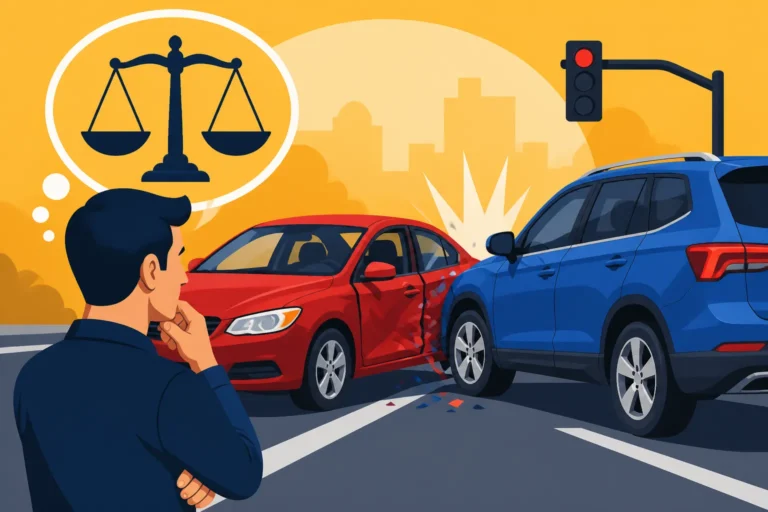
Getting into a car accident is one of those incredibly stressful experiences that can leave you feeling disoriented, shaken, and utterly unsure of what to do next. In the chaos and immediate aftermath, it's so easy to blurt out something you regret, something that might inadvertently hurt your ability to seek fair compensation later on. This guide is here to walk you through exactly what an admission of fault is, why it's such a big deal, and most importantly, how to navigate those tricky post-accident conversations to protect your legal and financial interests.
Understanding What Constitutes an Admission of Fault
When we talk about an "admission of fault" in the context of a car accident, it’s often perceived as a grand, formal statement like "It was all my fault!" While that's certainly a direct admission, the reality is far more subtle and insidious. An admission of fault can be any statement or action, even a seemingly innocuous one, that suggests you bear some or all of the responsibility for the accident. This could be anything from a casual apology to a detailed explanation of events that implicates your actions. The trouble is, in the heat of the moment, it’s incredibly natural to try to diffuse tension or express remorse, even if you’re not entirely sure what happened. These well-meaning gestures can be twisted and used against you by insurance companies, impacting your claim significantly.
Direct vs. Implied Admissions
It's helpful to understand the difference between direct and implied admissions, as both can be equally damaging. A direct admission is quite straightforward: you explicitly state that you are responsible. This might sound like, "Oh my goodness, I totally didn't see you, I'm so sorry, it's my fault!" or "I was looking at my phone, I shouldn't have done that." These clear statements leave little room for interpretation and can be devastating to your case. The other driver or a witness might remember it, and it will almost certainly be reported to the insurance companies.
Implied admissions, however, are far more common and often made without realizing their potential impact. These are statements or actions that, while not explicitly taking blame, strongly suggest you believe you were at fault. Examples include saying "Are you okay? I'm so sorry!" immediately after the crash, even if you're just expressing empathy. It could also be offering to pay for damages out of pocket, or even an expressive shrug when asked what happened. Even a simple, "I didn't see you there" can be interpreted as an admission, as it implies a failure on your part to maintain a proper lookout. These subtle cues are precisely what insurance adjusters are trained to listen for, as they can weaken your position when it comes time to determine who is at fault in a car accident.
Common Mistakes That Lead to Admissions
Beyond direct statements, there are several common pitfalls people fall into that can inadvertently lead to an admission of fault. One of the most frequent is engaging in too much detail when discussing the accident at the scene. You might think you're simply being cooperative or providing a factual account, but in doing so, you could unintentionally highlight aspects that make you seem responsible. For instance, explaining exactly how you were reaching for a coffee cup just before the impact, even if it had no bearing on the collision, might be taken as evidence of distracted driving.
Another huge mistake is apologizing. While politeness is ingrained in many of us, saying "I'm sorry" after an accident can be interpreted as an admission of guilt, not just an expression of concern. Even offering assistance, like "Let me help you with that," can be misconstrued. Furthermore, discussing your insurance policy, limits, or even your driving history with the other party or witnesses is a no-go. You don't want to provide any information that could be used to imply fault or suggest you have sufficient coverage to compensate for the damage, thereby taking on responsibility. Remember, the goal at the scene is to exchange necessary information and ensure safety, nothing more.
Why Avoiding an Admission of Fault Is Crucial
Avoiding an admission of fault isn't about being dishonest or uncooperative; it's about protecting your rights and ensuring a fair assessment of the accident. The aftermath of a collision is a confusing time, and your immediate perception of events might not align with the full picture once all the evidence is collected. Prematurely taking blame can have severe and long-lasting repercussions, affecting everything from your ability to recover medical expenses to the future cost of your insurance premiums.
Impact on Liability Determination
The determination of liability is perhaps the most critical component of any car accident claim. In most states, especially "at-fault" states, the party deemed responsible for causing the accident is generally liable for the resulting damages and injuries. If you admit fault, either directly or indirectly, you hand the other driver's insurance company a powerful tool to argue that their client bears no responsibility, or at least, significantly less. This directly influences how fault is determined in a car accident.
For example, imagine a scenario where you were involved in a Rear-End Collision Fault: Who Is Responsible?. Even if you believe you braked suddenly, the other driver might have been following too closely or distracted. If you immediately say, "I should have been more careful," their insurance company will latch onto that statement and argue it was your negligence that caused the crash, effectively shifting the blame away from their policyholder. This can dramatically reduce, or even completely eliminate, the compensation you might otherwise be entitled to for your vehicle damage, medical bills, and lost wages. It truly underscores why understanding the nuances of liability is so important.
Consequences for Your Insurance Claim and Settlement
An admission of fault can unravel your car accident claim before it even truly begins. Once an insurance company has a record of you admitting fault, they will almost certainly use it to deny or significantly reduce your payout. This applies to both your own insurance company, if you're trying to make a claim under your policy (like for personal injury protection or medical payments coverage, depending on your state), and the other driver's insurance.
If you are found to be partly at fault, the amount you can recover in a settlement will be reduced based on your percentage of blame, especially in states with comparative negligence laws. For instance, if you live in a state like California, which follows Comparative Negligence Laws in California, and you're found to be 20% at fault, your settlement might be reduced by 20%. An admission of fault can easily push that percentage higher, leading to a much smaller settlement or even no settlement at all if your fault crosses certain thresholds (like the 50% or 51% bar in modified comparative negligence states). This is particularly relevant if you're dealing with a How to Deal With a Lowball Insurance Offer, as your admission gives them leverage to offer even less. The ripple effect can impact your future insurance premiums as well, classifying you as a higher risk driver even if the accident wasn't solely your doing.
The Golden Rules for Post-Accident Communication
The moments immediately following a car accident are critical, and what you say or don't say can profoundly impact your entire claim process. It's tough to keep a clear head when adrenaline is pumping, but remembering a few golden rules for communication can save you a lot of heartache (and money) down the line. The key is to be helpful and responsible without ever taking on blame or speculating about fault.
What to Say and What NOT to Say at the Scene
At the scene of the accident, your primary focus should be on safety and exchanging essential information. This means checking if anyone is injured, moving vehicles to a safer location if possible, and calling the police if necessary. When interacting with the other driver, witnesses, or even emergency personnel, keep your communication minimal and factual.
What to Say:
- "Are you injured?" (Focus on concern for well-being, not responsibility)
- "Let's exchange insurance and contact information."
- "I'll need to get your vehicle information."
- "I'm going to wait for the police to arrive."
- "I'm feeling a bit shaken up, but I'll make sure to get checked out."
What NOT to Say:
- "I'm so sorry!" or any variations of apology.
- "It was my fault," "I didn't see you," "I was distracted."
- "I'll pay for the damages."
- "My insurance company will take care of everything."
- Any speculation about what happened or who was to blame.
- Discussions about your personal injuries beyond a simple "I'm okay" or "I'm not sure, but I'll get it checked out."
- Engaging in arguments or debates about the accident circumstances.
Remember, every word matters. Even a seemingly innocent "I'm sorry" can be interpreted as an admission of guilt by insurance companies. Stick to facts, gather information, and defer detailed discussions to your insurance provider and, if necessary, legal counsel. This approach is fundamental to protecting yourself, especially when you're still processing the shock of the event and might not have a clear recollection of every detail.
Dealing with Insurance Companies and Law Enforcement
Once you leave the accident scene, your interactions with insurance companies and law enforcement become the next critical phase. It's vital to maintain the same cautious communication strategy. When you report the accident to your own insurance company, provide them with the basic facts: the date, time, location, parties involved, and a general description of what occurred. Do not elaborate, speculate, or offer opinions on who was at fault. Let them know you were involved in an accident and give them the information you collected from the other driver.
When dealing with the other driver's insurance company, you need to be even more careful. They are not looking out for your best interests. Their adjusters are skilled at extracting information that can minimize their client's liability and reduce your potential settlement. If they ask for a recorded statement, politely decline. You are generally not obligated to give a recorded statement to the other driver's insurance company. If you do choose to speak with them, keep it brief and factual, and absolutely do not discuss fault or the extent of your injuries. Remember, anything you say can and will be used against you.
With law enforcement, it's different. You should cooperate with the police and provide them with an honest account of what happened. However, this still doesn't mean admitting fault. State the facts as you remember them without guessing or speculating. If you're unsure about a detail, it's okay to say, "I'm not sure about that detail at this moment." Police reports and car accident fault play a significant role, but an officer's determination of fault in their report is not always the final say, nor should it be based on your immediate, possibly rattled, admission. They are documenting the scene and gathering information, not necessarily making a definitive legal ruling on fault at that moment.
Here's a quick reference table for effective post-accident communication:
| Situation | What to Do | What NOT to Do |
|---|---|---|
| At the Scene | Check for injuries, call emergency services (if needed), exchange basic contact/insurance info, document the scene (photos, witness info). | Apologize, admit fault, discuss details of the accident, argue, speculate, offer to pay. |
| With Police | State facts clearly and concisely, provide collected information. | Speculate, guess, argue, admit fault (even implicitly). |
| Your Insurance | Report the accident promptly, provide basic facts (date, time, location, parties). | Offer opinions on fault, exaggerate or minimize injuries/damages, give unnecessary details. |
| Other Driver's Insurance | Provide contact information only; politely decline to give a recorded statement or discuss accident details. | Discuss accident details, admit fault, give a recorded statement, discuss injuries or medical treatment. |
Documenting the Scene Without Admitting Fault
Thorough documentation of the accident scene is one of the most powerful tools you have to support your claim, and it's something you can do effectively without ever uttering a word that might imply fault. This evidence will be crucial later when your insurance company, or an attorney, is trying to piece together the events and present a clear picture of what happened. Taking the right steps at the scene can significantly strengthen your position and help How to Prove the Other Driver Was at Fault.
Gathering Evidence Smartly
Your smartphone is your best friend after an accident. Use it to take clear, comprehensive photographs and videos of the scene. Don't just focus on the damage to your vehicle; capture the broader context. This includes:
- Vehicle positions: How the cars are resting after impact, showing their relative locations on the road.
- Damage to all vehicles involved: Close-ups and wide shots, from different angles.
- Road conditions: Skid marks, debris, potholes, traffic signs, traffic lights, and road markings.
- Weather conditions: Was it raining, snowing, clear? This can be relevant to who is at fault in bad weather (rain, snow, ice)?.
- Surrounding area: Any landmarks, intersections, or relevant businesses nearby.
- Injuries: If visible, photograph them.
- License plates, VINs, and insurance cards: Of all vehicles involved.
Beyond photos, make sure to get contact information from any witnesses who saw the accident. Their unbiased testimony can be invaluable, especially if there's a dispute over fault. Note down their names, phone numbers, and email addresses. If you have a dashcam, ensure the footage is saved and secured. Also, jot down any immediate observations about the other driver's behavior or statements, but keep these notes for your personal records, not for public discussion at the scene. This comprehensive collection of objective evidence will speak for itself, eliminating the need for you to make any statements that could be misconstrued as an admission of fault. For a deeper dive, consider reading about How to Document a Car Accident Scene.
The Role of a Police Report
Calling the police after an accident, even if it seems minor, is often a very wise decision. A police report serves as an official, third-party document of the accident, detailing facts gathered at the scene by an officer. While the officer's initial assessment of fault in the report is not legally binding, it carries significant weight with insurance companies.
The police report will typically include:
- Date, time, and location of the accident.
- Details of the vehicles and drivers involved.
- Witness statements.
- A diagram of the accident scene.
- Citations issued (if any).
- The investigating officer's opinion on the cause of the accident and, in many cases, who they believe was at fault.
The advantage of a police report is that it creates an official record and can help establish liability without you having to make statements that could be used against you. When speaking with the police, provide them with factual information without speculating or admitting fault. If you don't know an answer, simply say so. If the police don't come to the scene, or if you're in a situation where What If There Was No Police Report?, you’ll need to rely even more heavily on your own documentation. Remember, even if the police report attributes fault to you, it's not the final word. A skilled attorney can often challenge or provide additional context to the information contained within the report.
Legal Protections and When to Seek Professional Help
Navigating the aftermath of a car accident can feel like walking through a minefield, especially when you're trying to avoid inadvertently admitting fault. Fortunately, you have legal protections, and understanding when to bring in professional help can be a game-changer. It's not about being adversarial; it's about leveling the playing field and ensuring your rights are upheld.
Understanding Your Rights
You have fundamental rights after a car accident that are designed to protect you. One of the most important is the right to remain silent about the details of the accident, particularly with the other driver's insurance company. You are not legally required to provide a recorded statement or extensive details to them. Your obligation is primarily to your own insurance provider, and even then, you can limit your statement to the basic facts.
You also have the right to seek medical attention for any injuries, even if they seem minor or have delayed symptoms. Many serious injuries, like Whiplash Symptoms After a Car Accident or a Concussion Symptoms After a Car Accident, may not manifest immediately. Seeking prompt medical care not only protects your health but also creates an official record that is crucial for proving your injuries in a claim. Delaying treatment can be used by insurance companies to argue that your injuries weren't caused by the accident.
Furthermore, you have the right to consult with a legal professional. This is not just for major accidents with severe injuries; even seemingly minor incidents can escalate, and having an attorney review your situation can provide immense peace of mind. They can advise you on your rights, help you understand the claims process, and protect you from common insurance company tactics.
The Value of Legal Counsel
Deciding whether to hire a car accident lawyer can be daunting, but their value, especially in protecting you from accidental admissions of fault and ensuring a fair process, cannot be overstated. A good car accident lawyer acts as your advocate and shield. They will handle all communications with insurance companies on your behalf, ensuring that no statements are made that could compromise your claim. This means you won't have to worry about accidentally saying the wrong thing when speaking with an adjuster who is trained to look for loopholes.
A lawyer can help you understand How Car Accident Insurance Claims Work and navigate complex legal territories, whether you're in a What Is a No-Fault State? (And Which States Are No-Fault) or an at-fault state. They can also ensure that all necessary evidence is gathered, police reports are correctly interpreted, and witness statements are secured. If liability is disputed, a lawyer can build a strong case for you, gathering expert testimony if needed, and challenging any attempts by the other side to shift blame unfairly.
Moreover, if you are injured, a lawyer can help ensure that all your damages, both economic (like medical bills and lost wages) and non-economic (like pain and suffering), are properly accounted for in your claim. They know How Car Accident Settlements Are Calculated and can negotiate effectively to maximize your settlement amount, often getting you significantly more than you would on your own. Knowing when to hire a car accident lawyer is a personal decision, but if there are injuries, significant property damage, or any dispute over fault, legal counsel becomes an invaluable asset.
State-Specific Considerations
The rules surrounding car accidents, liability, and how an admission of fault impacts your claim can vary significantly depending on where the accident occurred. It's not a one-size-fits-all situation, and understanding these differences is vital for protecting yourself. Each state operates under its own specific set of laws regarding fault and insurance requirements.
How "At-Fault" States Influence the Process
In "at-fault" states, also known as "tort" states, the driver who is determined to be at fault for the accident is responsible for the damages and injuries of all parties involved. This means their insurance company will typically pay for the other driver's medical expenses, vehicle repairs, and other losses. Because fault is paramount, any admission of fault you make in these states can be incredibly damaging. It directly undermines your ability to claim compensation and strengthens the other driver's position against you.
States like Texas, Georgia, and California operate under an at-fault system. In these states, a clear admission of fault can lead to your insurance rates going up, your claim being denied, and you potentially being held responsible for the other party's damages. This is why strict adherence to the "no admission of fault" rule is even more critical in these jurisdictions. If you are found to be partially at fault, even in an at-fault state, your ability to recover compensation will be affected by the state's comparative or contributory negligence rules. For instance, Pure Comparative Negligence States Explained allow recovery even if you are mostly at fault, just reduced by your percentage, while Contributory Negligence States (Where 1% Fault Bars Recovery) completely prevent recovery if you bear even 1% of the blame. This variance makes any admission of fault a serious misstep.
No-Fault States and Admission of Fault
In contrast, "no-fault" states require drivers to file a claim with their own insurance company for medical expenses and lost wages, regardless of who caused the accident. This is typically done through Personal Injury Protection (PIP) coverage. While this system sounds like it might make admissions of fault less critical, that's not entirely true. Even in a no-fault state like Florida or New York, an admission of fault can still have significant repercussions.
Here's why:
- Property Damage: No-fault rules generally apply only to personal injuries, not property damage. So, for vehicle repairs, fault still matters, and an admission could leave you responsible.
- Serious Injuries: If your injuries are severe enough to meet a certain threshold (defined by your state's laws), you can step outside the no-fault system and pursue a claim against the at-fault driver for additional damages, including pain and suffering. If you've admitted fault, this option might be severely hampered.
- Insurance Premiums: Regardless of the no-fault system for injuries, your insurance company will still consider fault when renewing your policy and setting premiums. An admission of fault could still lead to higher rates.
So, even if you live in a state like Is Florida a No-Fault State?, it is still in your best interest to avoid admitting fault. The principles of cautious communication and objective evidence gathering remain paramount to protect your interests, regardless of your state's specific insurance laws. Understanding these state-specific nuances is a huge part of protecting your overall car accident claim and ensuring you don't inadvertently jeopardize your financial future.
Disclaimer
Please remember that this article provides general information and is not intended as legal advice. Car accident laws and insurance policies are complex and vary by state and individual circumstances. For specific advice regarding your situation, you should consult with a qualified legal professional.