How to Prove Injuries in a Car Accident Claim
After a car accident, the physical pain and emotional distress are often just the beginning. One of the most common and often overwhelming frustrations people face is the uphill battle of proving their injuries to insurance companies. It feels like you're constantly being questioned, even when your pain is undeniable. This guide will walk you through exactly how to meticulously document and effectively prove your injuries in a car accident claim, helping you navigate this complex process with confidence.
Why Proving Your Injuries Is Absolutely Crucial
When you're reeling from an accident, the last thing on your mind might be paperwork or gathering evidence. You're probably just focused on getting out of pain. But here's the hard truth: without concrete proof, insurance companies can and often will minimize your suffering, downplay your medical needs, or even outright deny that your injuries are related to the crash. It’s not fair, but it’s the reality of the claims process.
The "He Said, She Said" Dilemma
Imagine a scenario where you've been rear-ended at a stop sign. The other driver apologizes profusely at the scene, says it was their fault, and you exchange information. A few days later, your neck starts aching, and you discover you have whiplash. When you file a claim, the other driver's insurance company suddenly claims their policyholder says you slammed on your brakes, or that they barely touched your bumper. Without immediate, objective proof of your injury and its connection to the accident, it quickly becomes a "he said, she said" situation, and you're left fighting for what you deserve. This is why every step, from the moment of impact to your final doctor's visit, needs careful consideration.
Insurance Company Scrutiny
Insurance companies aren't just in the business of paying out claims; they're businesses, plain and simple, and their goal is to protect their bottom line. When you file a claim, especially for bodily injury, you can expect an incredible amount of scrutiny. They'll look for any inconsistencies, any gaps in your treatment, or any prior medical conditions they can pin your current symptoms on. They might ask for recorded statements, demand extensive medical records, and sometimes even hire private investigators. It's not personal, it's just how they operate, and understanding this level of skepticism is key to building an unshakeable case. They want to see a clear, unbroken chain of events linking the crash to your current physical state.
Immediate Steps to Secure Injury Evidence After an Accident
The moments, hours, and days following a car accident are absolutely critical for gathering evidence that will ultimately prove your injuries. Don't underestimate the power of immediate action. Hesitation or a lapse in judgment during this initial phase can severely impact your ability to claim compensation later on.
Prioritizing Your Health and Safety
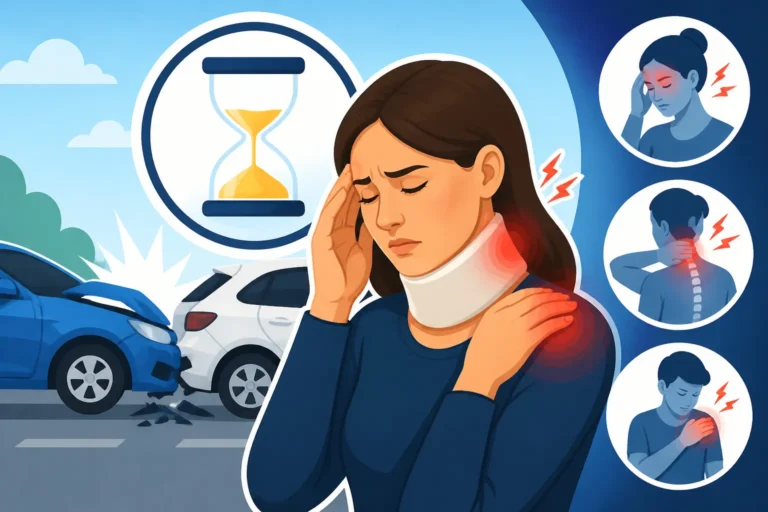
First and foremost, your health is paramount. Even if you feel okay after a collision, adrenaline can mask significant injuries. It's incredibly common for people to say they're "fine" at the scene, only for severe pain to set in hours or days later. This phenomenon, often referred to as Delayed Injury Symptoms After a Car Accident, is a common concern. You need to assess yourself and any passengers for visible injuries immediately. If there's any doubt about severe injury, call 911 right away.
Beyond the immediate physical check, ensure everyone is out of harm's way. Move to the shoulder of the road or a safe area if possible, especially if your vehicle is creating a hazard. Your safety, and the safety of others, must always come first. Only once you're in a secure location should you begin thinking about documenting the scene. Remember, neglecting medical attention in the immediate aftermath can be used by insurance companies to argue that your injuries weren't serious enough to warrant prompt care, even if that's completely untrue.
Reporting the Accident to Authorities
While not every fender bender requires a police report, if there are injuries, significant property damage, or disputes about fault, calling the police is a non-negotiable step. A police report creates an official, objective record of the accident, its date, time, location, and often includes initial assessments of fault and any visible injuries at the scene. This document can be a cornerstone of your claim.
When the officers arrive, be truthful and concise. State what happened clearly, and point out any pain or discomfort you are experiencing, even if it feels minor at the time. Don't speculate or admit fault. If paramedics are called, even if you decline transport to the hospital, let them assess you. Their notes can also become part of your medical record, documenting your condition at the scene. It’s not just about proving fault, it's about establishing a timeline for your injuries. For more on this, check out our guide on Police Reports and Car Accident Fault.
Gathering Scene Evidence
Before you leave the accident site, if your condition allows, document everything you possibly can. This includes:
- Photographs and Videos: Use your smartphone to take pictures from multiple angles. Get photos of all vehicles involved, showing the damage, license plates, and the general surroundings. Capture skid marks, debris, traffic signs, road conditions, and any visible injuries on yourself or others. A video walk-around can also be incredibly useful, narrating what you're seeing. These visual aids can later serve as powerful proof of impact severity and injury correlation.
- Witness Information: If anyone saw the accident, politely ask for their name, phone number, and email. Independent witnesses can corroborate your account and provide invaluable testimony, especially if the other driver's story changes.
- Exchanging Information: Get the other driver's name, contact information, insurance company and policy number, driver's license number, and vehicle information (make, model, year, license plate).
- Your Account: Make brief notes about what happened while it's fresh in your mind. Don't wait; memory fades, and details can blur. This will help you articulate your story consistently later.
This preliminary evidence forms a robust foundation for your entire claim. The more detailed and thorough you are at the scene, the less room there is for an insurance company to dispute the facts surrounding the accident itself, allowing you to focus more squarely on proving your injuries.
The Role of Medical Care in Proving Your Injuries
Beyond the immediate aftermath, your ongoing medical care is arguably the single most important factor in proving your car accident injuries. It's not enough to simply have injuries; you need to demonstrate a clear, consistent, and documented path from the accident to your diagnosis and treatment.
Seeking Prompt Medical Attention
This cannot be stressed enough: seek medical attention as soon as possible after an accident. Even if you don't feel immediate pain, or if you think your symptoms are minor, a medical evaluation is crucial. Adrenaline can mask significant issues, and many common car accident injuries, like whiplash or a concussion, may not present their full symptoms until hours or even days later. Visiting an emergency room, urgent care facility, or your primary care physician promptly establishes a direct link between the car accident and any injuries you sustained.
Insurance companies will scrutinize the timing of your first medical visit. If you wait days or weeks, they will likely argue that your injuries might not be related to the crash, or that you exacerbated them through your own actions. A prompt visit creates an official medical record documenting your condition, symptoms, and the mechanism of injury (i.e., the car accident) from a neutral medical professional. This is a critical piece of evidence when you eventually learn How Medical Records Prove Your Injuries.
Consistent and Continuous Treatment
Once you've sought initial medical care, it's absolutely vital to follow through with all recommended treatment. This means attending every doctor's appointment, physical therapy session, chiropractic adjustment, and specialist visit. Inconsistency in treatment can signal to an insurance adjuster that your injuries weren't severe or that you're not genuinely committed to recovery. Each visit, each diagnostic test, each prescription refill, contributes to a comprehensive medical record that chronicles your injury journey.
For instance, if you're prescribed a course of physical therapy for a neck injury, missing sessions or stopping early can be detrimental. The insurance company might argue that you weren't truly in pain, or that your recovery was hampered by your own non-compliance, thereby reducing the value of your claim. This consistent paper trail demonstrates the necessity of your treatment and directly ties your ongoing medical needs to the accident. Your medical bills and records from these consistent visits are direct evidence of the costs incurred due to your injuries.
Specialist Referrals and Diagnostic Tests
Sometimes, your initial doctor may recommend seeing specialists – an orthopedist for a broken bone, a neurologist for a concussion, or a pain management specialist for chronic issues. These referrals are important because they show a progression of care and the severity of your condition warranting expert evaluation. Follow these recommendations!
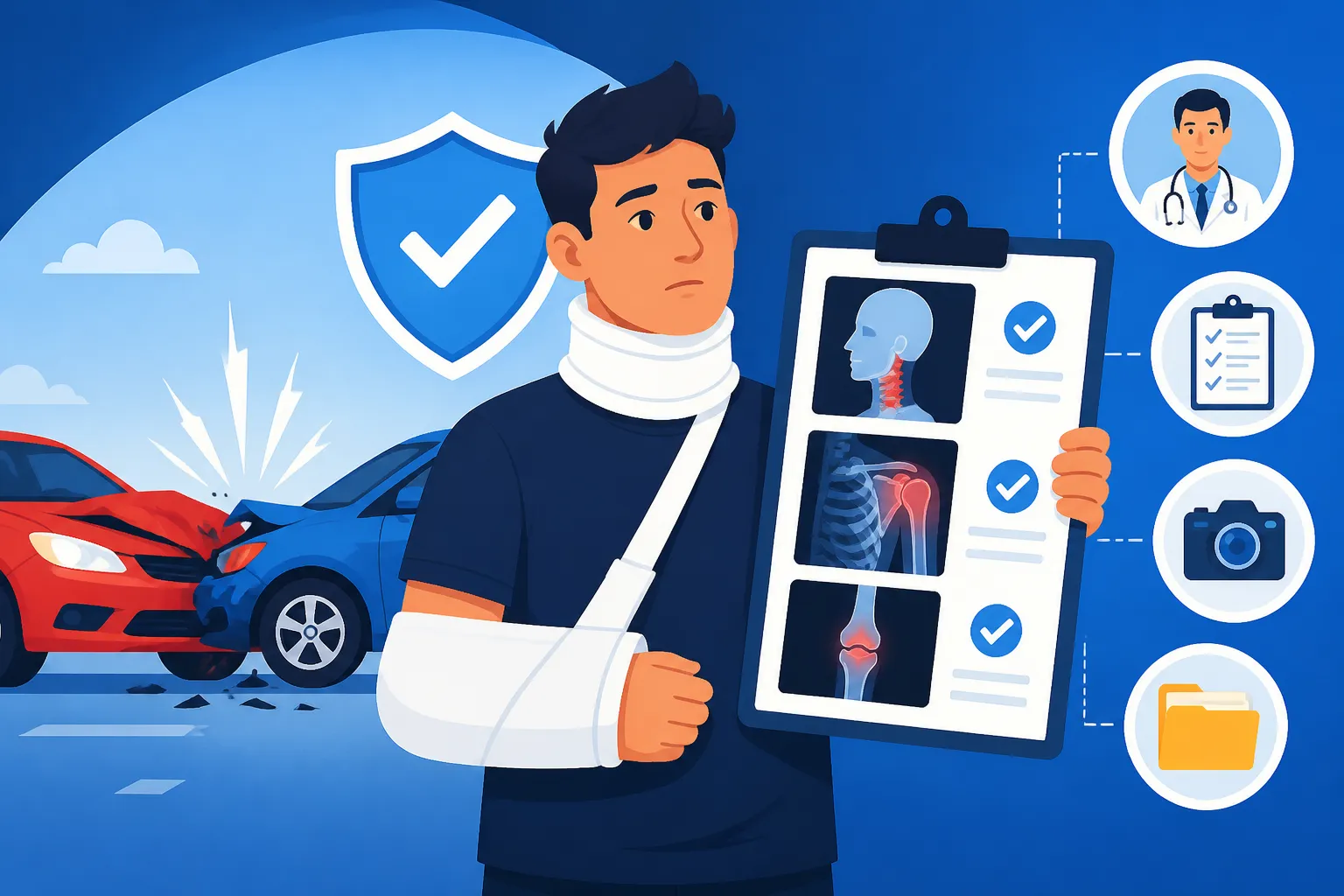
Diagnostic tests like X-rays, MRIs, CT scans, and EMGs are also incredibly powerful tools for proving injuries. Unlike subjective pain, these tests can objectively confirm injuries like fractures, herniated discs, nerve damage, or internal bleeding. An MRI showing a bulging disc in your spine after a rear-end collision is concrete proof that is hard for an insurance company to refute. Make sure copies of all diagnostic test results and the corresponding reports from the radiologists or specialists become part of your medical file. They provide undeniable medical evidence, transforming your "I hurt" into "Here's the medical image showing why I hurt."
Types of Evidence to Document Your Injuries
Proving your injuries in a car accident claim isn't solely about doctor's notes. It's about building a compelling narrative supported by a variety of documented evidence. The more diverse and consistent your evidence, the stronger your case becomes.
Medical Records and Bills
Without a doubt, your medical records form the backbone of your injury claim. These aren't just dry notes; they are a detailed history of your pain, symptoms, diagnoses, treatments, medications, and prognoses directly following the accident. They illustrate the progression of your recovery or, unfortunately, the persistence of your pain. Every visit to the ER, your family doctor, a chiropractor, a physical therapist, or a specialist like an orthopedist or neurologist, generates vital records.
It’s not just the doctor's notes, either. It includes diagnostic test results (X-rays, MRIs, CT scans), referral letters, prescriptions, and therapist notes. These documents will clearly link your injuries to the accident date, describe the nature and extent of your injuries, and detail the medical care you've received. Alongside these, keep meticulous records of all medical bills, including co-pays, deductibles, and any out-of-pocket expenses. This financial documentation directly quantifies your Economic vs Non-Economic Damages in Injury Claims and is essential for seeking reimbursement. Request copies of all your medical records and bills regularly throughout your treatment.
Personal Journals and Pain Logs
While medical records provide the objective clinical view, your personal journal or pain log offers a critical subjective layer. This is where you document your daily experience of living with your injuries. Make a habit of writing down:
- Daily Pain Levels: Rate your pain on a scale of 1-10.
- Specific Symptoms: Describe what hurts, when, and how it affects you (e.g., "Sharp shooting pain in lower back when bending to pick up laundry").
- Impact on Daily Life: How do your injuries prevent you from doing normal activities? (e.g., "Couldn't lift my toddler," "Missed work," "Couldn't sleep due to throbbing headache," "Couldn't enjoy my usual run").
- Emotional Toll: Document feelings of frustration, anxiety, sadness, or sleep disturbances. These are all part of your Pain and Suffering Damages: What They Cover.
- Medication Usage: Note what medications you're taking and if they provide relief.
This journal provides a real-time, unfiltered account of your suffering and can powerfully demonstrate the non-economic impact of your injuries. It shows consistency in your complaints, paints a picture of your daily struggles, and can be invaluable evidence when negotiating a settlement or if your case goes to trial. It helps an adjuster understand the true human cost of your injuries, not just the financial one.
Witness Testimonies and Photos/Videos
Beyond the immediate scene documentation, other forms of visual and verbal evidence can bolster your injury claim.
- Witness Statements: If you had passengers in your car, or if friends and family observe the changes in your physical abilities and daily life due to your injuries, their written or verbal testimonies can be powerful. They can describe how you've changed since the accident—perhaps you can no longer participate in hobbies you once loved, or they've noticed your limp, or how difficult it is for you to perform simple tasks.
- Post-Accident Photos and Videos: Continue to take photos or videos of your injuries as they heal or change. For instance, if you have bruising that develops days later, or if a cast is applied, document it. If you're undergoing physical therapy, a short video demonstrating your limited range of motion or specific exercises you can't perform can be compelling. These visuals provide a continuous record of the physical manifestation of your injuries. For example, photos showing extensive bruising from a seatbelt can illustrate the force of impact, reinforcing the plausibility of related internal injuries or soft tissue damage.
By compiling a diverse range of evidence, you create a holistic and undeniable picture of your injuries and their profound effect on your life.
Here's a quick comparison of different evidence types:
| Type of Evidence | Description | Purpose in Proving Injuries | Strength |
|---|---|---|---|
| Medical Records | Doctor's notes, diagnoses, treatment plans, test results (X-rays, MRI). | Establishes medical diagnosis, severity, and necessity of treatment. | High (Objective) |
| Medical Bills | Invoices for doctor visits, hospital stays, prescriptions, therapy. | Quantifies economic damages (medical expenses). | High (Objective) |
| Personal Pain Journal | Daily entries on pain levels, symptoms, emotional impact, daily limitations. | Provides subjective experience, consistency of pain, impact on quality of life. | Medium (Subjective) |
| Photos/Videos | Visuals of injuries (bruising, cuts, casts), vehicle damage, accident scene. | Corroborates physical injuries, illustrates severity, links damage to injury potential. | Medium-High (Visual) |
| Witness Testimony | Statements from passengers, bystanders, friends/family about your condition. | Corroborates your physical limitations and changes in daily life post-accident. | Medium (Corroborative) |
| Lost Wage Statements | Pay stubs, employer letters, tax returns proving missed work. | Quantifies economic damages (lost income due to inability to work). | High (Objective) |
Navigating Common Challenges in Proving Injuries
Even with diligent documentation, proving injuries in a car accident claim isn't always straightforward. Insurance companies are skilled at finding reasons to deny or minimize claims, and you need to be prepared for their tactics.
Delayed Injury Symptoms
One of the trickiest aspects of car accident claims is dealing with Delayed Injury Symptoms After a Car Accident. As we touched on earlier, the immediate aftermath of a crash is often filled with adrenaline, which can mask pain. It's not uncommon for symptoms of whiplash, concussions, internal bleeding, or even some spinal injuries to take hours, days, or even weeks to fully manifest. This delay presents a challenge because the insurance company might argue that since you didn't report pain at the scene or immediately after, your injuries couldn't possibly be related to the crash.
To counter this, it is absolutely essential to seek medical attention the moment any new symptom appears, no matter how minor. Clearly state to your doctor that you were involved in a car accident on [Date of Accident] and these new symptoms began shortly thereafter. Your doctor's assessment and the diagnosis linking these symptoms to the trauma of the accident become your strongest weapon against this common insurance defense. Documenting your first symptoms in your personal journal also provides a crucial timestamp.
Pre-Existing Conditions
Another hurdle insurance companies love to bring up is pre-existing conditions. If you've ever had a prior back injury, neck pain, or even conditions like arthritis, they might argue that your current pain isn't a result of the accident but simply an exacerbation of an old problem. This is a common tactic to reduce their payout. For example, if you had a prior disc degeneration diagnosis, and the accident caused a new herniation or significantly worsened the existing condition, they'll try to say it was just your "bad back."
It's vital to be transparent with your medical providers about any past injuries or conditions, but also to clearly articulate how the accident has changed your symptoms. Did the pain shift locations? Did it become more severe? Did you lose range of motion you previously had? A good medical professional can differentiate between an old injury and a new or aggravated one. They can often provide expert testimony or detailed medical notes explaining how the recent trauma specifically exacerbated your pre-existing condition, therefore connecting it directly to the accident. This is where a detailed medical history and clear communication with your doctors become invaluable.
Minimizing Your Injuries
Insurance adjusters are trained to minimize the severity of your injuries at every turn. They might suggest that "soft tissue injuries" (like whiplash, strains, and sprains) aren't as serious as broken bones, even though they can cause debilitating chronic pain. They might imply you're exaggerating your pain, or that you're seeking unnecessary medical treatment. You might receive a quick, lowball settlement offer before you even understand the full extent of your injuries, hoping you'll settle quickly and cheaply.
To combat this, consistency is key. Consistent medical treatment, consistent reporting of pain levels in your journal, and consistent communication with your medical team. Don't stop treatment prematurely just because you feel a little better, or because you're tired of going to appointments. Follow your doctor's orders until you reach Maximum Medical Improvement (MMI), which is the point where your condition has stabilized and no further recovery is expected. This demonstrates that you took your recovery seriously and that all treatment was medically necessary, making it harder for the insurance company to argue otherwise.
The Impact of Injury Proof on Your Settlement
The level of proof you have for your injuries directly correlates with the amount of compensation you can expect in a car accident settlement. A well-documented case leaves little room for doubt and significantly strengthens your negotiation position.
Economic vs Non-Economic Damages
When we talk about car accident settlements, we're generally looking at two main categories of damages: economic and non-economic.
Economic damages are the quantifiable financial losses you've incurred. These are often easier to prove because they come with receipts and invoices. They include:
- Medical Expenses: Everything from emergency room visits, doctor appointments, physical therapy, prescriptions, surgeries, and future medical care.
- Lost Wages: Income you've lost due to being unable to work because of your injuries. This can include past lost wages and Lost Earning Capacity vs Lost Wages if your injuries prevent you from earning at the same level in the future.
- Property Damage: Repair or replacement costs for your vehicle.
- Other Out-of-Pocket Expenses: Things like transportation costs to medical appointments, home modifications if you have a severe injury, or costs for services you can no longer perform yourself (e.g., cleaning, childcare).
Non-economic damages, on the other hand, are much more subjective and harder to assign a precise dollar figure to. These are the intangible losses that profoundly affect your quality of life, and this is where robust injury proof becomes absolutely essential. They include:
- Pain and Suffering: Physical pain, discomfort, and emotional distress.
- Mental Anguish: Anxiety, depression, fear, frustration, and even PTSD and Emotional Distress After a Car Accident.
- Loss of Enjoyment of Life: Inability to participate in hobbies, social activities, or daily routines you once enjoyed.
- Loss of Consortium: Impact on marital relationships.
Solid medical documentation, a detailed pain journal, and witness statements are crucial for demonstrating the extent of these non-economic damages, turning abstract concepts into tangible elements of your claim.
Calculating Pain and Suffering
Calculating Pain and Suffering: How It's Calculated is often the most contentious part of a settlement negotiation. Unlike medical bills, there's no fixed price tag for pain. Insurance companies and courts typically use one of two main methods to arrive at a figure:
- Multiplier Method: This is the most common approach. Your total economic damages (medical bills, lost wages) are multiplied by a number, usually between 1.5 and 5. The multiplier chosen depends on the severity of your injuries—a minor whiplash might get a 1.5x multiplier, while a severe, life-altering injury with chronic pain could warrant a 4x or 5x multiplier. The more thoroughly your medical records and personal journal document your pain, the higher the multiplier you can reasonably argue for.
- Per Diem Method: Less common, this method assigns a daily dollar amount for each day you experienced pain, from the date of the accident until you reach maximum medical improvement. This daily rate might be based on your daily lost wages, for example. Your pain journal is especially useful here to demonstrate continuous suffering.
Regardless of the method, the strength of your medical records, the consistency of your treatment, and the detailed entries in your pain journal directly influence the perceived severity of your injuries, which in turn dictates the value assigned to your pain and suffering.
The Role of Legal Counsel
Navigating this intricate web of medical documentation, insurance tactics, and settlement calculations can be overwhelming, especially when you're also trying to recover from your injuries. This is where experienced legal counsel becomes invaluable. A car accident lawyer understands How Car Accident Settlements Are Calculated and knows exactly what evidence is needed to prove your injuries effectively.
They will gather all necessary medical records, bills, and expert opinions. They can help you maintain your pain journal and understand what details are most impactful. Furthermore, they can counter insurance company attempts to minimize your injuries or shift blame. If necessary, they can bring in medical experts to provide testimony that unequivocally links your injuries to the crash and projects your future medical needs. Having a lawyer on your side means you have an advocate dedicated to maximizing your settlement by meticulously proving every aspect of your injury claim. For complex cases, deciding When to Hire a Car Accident Lawyer can be one of the best decisions you make.
What Happens If the Other Driver Blames You
One of the most frustrating scenarios is when the other driver or their insurance company tries to turn the tables and blame you, even when you feel certain they were at fault. This tactic is designed to reduce or even eliminate their responsibility to pay for your damages and injuries.
Understanding Comparative Negligence
The concept of fault in a car accident isn't always black and white. Many states operate under a "comparative negligence" system. This means that if both drivers are found to be partly at fault for an accident, your ability to recover damages for your injuries might be reduced by your percentage of fault. For example, if you sustained $10,000 in injuries but were found 20% at fault, you would only be able to recover $8,000 from the other driver's insurance. Some states have "modified comparative negligence" rules where if you are found more than 50% or 51% at fault, you may be barred from recovering any damages at all. Other states, like North Carolina, use "contributory negligence," where even 1% fault on your part can completely bar your recovery.
This system is why the other driver's attempt to shift blame is so critical. If they can successfully argue that you contributed to the accident, even slightly, it directly impacts your financial recovery for your injuries. Therefore, proving your injuries also means being prepared to defend against any allegations of your own fault. Our article on Who Is at Fault When Both Drivers Are to Blame? delves deeper into this.
Collecting Evidence to Counter Allegations
When the other driver or their insurance company claims you were at fault, it’s imperative to have strong evidence that clearly demonstrates their liability and refutes their claims. This goes hand-in-hand with proving your injuries, as both aspects are foundational to your claim.
- Police Reports and Citations: A police report often includes an officer's assessment of fault. If the other driver was cited for a traffic violation, that's strong evidence of their negligence.
- Eyewitness Statements: Independent witnesses who saw the accident unfold can provide objective accounts that counter false accusations.
- Photos and Videos from the Scene: Your detailed photos of vehicle positioning, road conditions, skid marks, and traffic signs can tell a powerful story about how the accident occurred and who was responsible. For example, damage patterns can often confirm impact angles and relative speeds, directly refuting claims of minor impact.
- Dashcam Footage: If you or the other vehicle had dashcam footage, this is often the most irrefutable evidence.
- Accident Reconstruction: In complex cases, especially those with significant injuries, an accident reconstruction expert can analyze all available evidence to scientifically determine the sequence of events and the contributing factors. Their findings can be instrumental in proving who was truly at fault.
Remember, the stronger you can prove that the other driver was solely or primarily responsible for the accident, the more defensible your injury claim becomes. It's a two-pronged approach: prove the accident caused your injuries, and prove the other driver caused the accident. This is why knowing How to Prove the Other Driver Was at Fault is so important.
Final Thoughts on Proving Your Car Accident Injuries
The journey to proving your car accident injuries can feel like an overwhelming odyssey, but remember, every piece of documentation you gather, every medical appointment you keep, and every detailed note you make in your journal builds a stronger foundation for your claim. It’s a process that demands diligence, patience, and a clear understanding of what insurance companies need to see. By meticulously documenting every step, from the moment of impact to your complete recovery, you empower yourself to navigate the complexities of the claims process and secure the compensation you genuinely deserve for your pain and suffering. Don't let the insurance giants intimidate you; your story, backed by solid evidence, is your most powerful tool.
Disclaimer
Please remember that the information provided in this article is for general informational purposes only and does not constitute legal advice. Car accident claims are complex and vary greatly depending on the specific circumstances and the laws of your state. It is always recommended to consult with a qualified personal injury attorney to discuss your individual situation and get personalized legal advice.