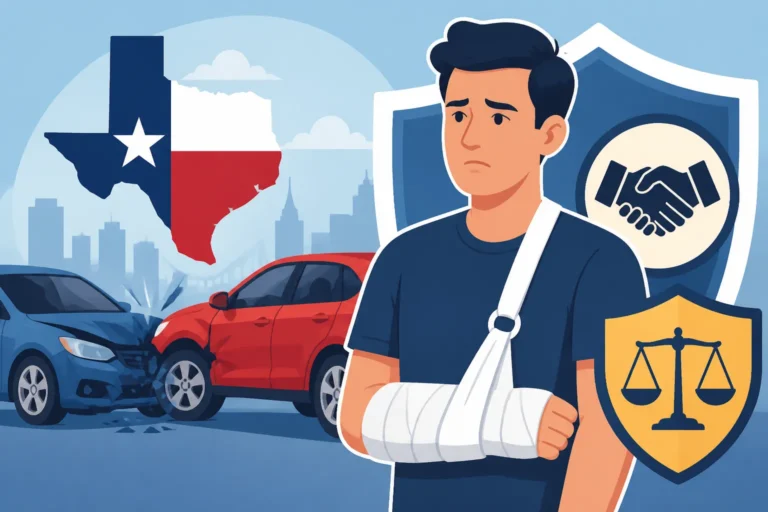
Claiming Compensation for Traumatic Brain Injury in California
Experiencing a traumatic brain injury (TBI) after a car accident is an incredibly frightening and life-altering event. Beyond the immediate physical pain and confusion, you're likely grappling with a whirlwind of medical appointments, cognitive challenges, emotional distress, and the daunting prospect of rising medical bills and lost income. This guide is here to walk you through the specifics of claiming the compensation you deserve for a TBI in California, helping you navigate the complexities and understand your rights.
Understanding Traumatic Brain Injury and Its Impact
A car accident can shake your world in an instant, and sometimes the most severe injuries aren't immediately apparent. Traumatic Brain Injury, or TBI, is one of those insidious conditions that can have profound, long-lasting effects, turning your life upside down.
What Exactly is a Traumatic Brain Injury?
At its core, a traumatic brain injury occurs when an external force causes brain dysfunction. In car accidents, this most commonly happens through direct impact, like your head hitting the dashboard or window, or through rapid acceleration and deceleration forces, causing your brain to slosh inside your skull. Think of it like a violent shake-up.
TBIs aren't all the same; they exist on a spectrum. A "mild" TBI, often referred to as a concussion, can still be incredibly serious, leading to symptoms like headaches, dizziness, and memory issues for weeks or months. "Moderate" and "severe" TBIs, on the other hand, can involve loss of consciousness, skull fractures, brain contusions, and even require extensive surgeries. These severe injuries often result in permanent cognitive, physical, and emotional impairments. No matter the initial classification, any TBI has the potential to impact every aspect of your life, from your ability to work to your personal relationships.
The Far-Reaching Consequences of TBI
The impact of a TBI extends far beyond the initial injury. It can be a relentless, isolating journey that affects not just the individual but their entire family. Physically, you might experience chronic headaches, debilitating fatigue, vision problems, balance issues, and even seizures. Imagine trying to get through a normal day when just walking in a straight line is a struggle, or when a sudden noise sends a jolt of pain through your head.
Cognitively, TBIs can impair memory, concentration, problem-solving skills, and the ability to process information. This can make returning to work, school, or even simple daily tasks feel impossible. Emotionally, changes in mood, personality shifts, irritability, anxiety, and depression are common. It's not uncommon for accident victims to experience PTSD and Emotional Distress After a Car Accident years after the incident, especially with a TBI. The financial burden can be crushing too, with astronomical medical bills, rehabilitation costs, and the harsh reality of lost wages. For a deeper dive into common injuries, check out our guide on Common Car Accident Injuries: Complete Guide (2027).
Recognizing Delayed Symptoms of TBI
One of the most terrifying aspects of TBI is that symptoms aren't always immediate. You might feel "fine" in the immediate aftermath of a collision, only to wake up days or even weeks later experiencing debilitating headaches, confusion, sensitivity to light, or personality changes. This phenomenon, known as Delayed Injury Symptoms After a Car Accident, is incredibly common and can complicate the claims process.
Because of this delay, many people make the mistake of not seeking immediate medical attention or downplaying their symptoms at the scene. However, this delay doesn't diminish the severity of your injury or your right to compensation. It simply means you need to be extra diligent in documenting your symptoms as soon as they appear and linking them back to the accident. Always err on the side of caution and get thoroughly checked out by a medical professional, even after a seemingly minor fender bender. Your brain is too important to leave anything to chance.
Navigating TBI Claims in California
Dealing with the aftermath of a TBI is already overwhelming, and adding the stress of an insurance claim can feel like scaling a mountain. However, understanding how claims work in California is a crucial step towards securing your future.
California's Fault System and TBI Claims
California operates under an "at-fault" or "tort" insurance system, which is a stark contrast to What Is a No-Fault State? (And Which States Are No-Fault). This means that the person who caused the car accident is legally responsible for the damages and injuries sustained by others. If another driver’s negligence led to your TBI, their insurance company (or they personally) would generally be on the hook for your medical bills, lost wages, and pain and suffering.
However, California also follows a pure comparative negligence rule. This means that if you are found to be partially at fault for the accident, your compensation will be reduced by your percentage of fault. For example, if your TBI claim is valued at $1,000,000, but a jury determines you were 10% responsible for the crash, you would only receive $900,000. This is a critical point, as insurance companies will often try to pin some blame on you to reduce their payout. Understanding Comparative vs Contributory Negligence Explained is vital in these situations. Proving How Fault Is Determined in a Car Accident becomes paramount, and gathering evidence at the scene is critical.
The Importance of Medical Documentation
When it comes to a TBI claim, your medical records are the absolute backbone of your case. Without comprehensive documentation, proving the existence, severity, and cause of your TBI becomes incredibly challenging. It's not enough to say you have a headache; you need a paper trail.
This starts with immediate medical attention following the accident. Even if you don't feel significant symptoms right away, getting checked out can establish a direct link between the accident and any delayed TBI symptoms that emerge. Follow every doctor's recommendation, attend all follow-up appointments, physical therapy, occupational therapy, cognitive therapy, and specialist visits. Keep records of every prescription, every MRI, CT scan, and X-ray. Neurological assessments, neuropsychological evaluations, and detailed reports from specialists like neurologists or neurosurgeons are particularly important for TBIs. These documents help to How to Prove Injuries in a Car Accident Claim and show the full extent of your injury and its prognosis. Insurance adjusters are experts at scrutinizing gaps in treatment or inconsistent records, so continuous care and meticulous record-keeping are your best defense.
Proving Causation and Damages
In a TBI claim, you have two primary hurdles: proving the accident caused your TBI (causation) and proving the full extent of your financial and personal losses (damages).
Proving causation can be complex, especially with delayed TBI symptoms or if you have a pre-existing medical condition. You’ll need strong medical opinions linking your specific brain injury to the trauma sustained in the car accident. This often involves expert testimony from neurologists or other specialists who can explain how the force of the collision directly impacted your brain. They can analyze accident reports, vehicle damage, and medical findings to draw this connection.
Once causation is established, the focus shifts to damages. This involves meticulously calculating all past, present, and future costs related to your TBI. This isn't just about current hospital bills; it's about projecting years, sometimes a lifetime, of rehabilitation, lost earning potential, and the non-economic impact on your life. This is where a detailed understanding of Economic vs Non-Economic Damages in Injury Claims is crucial. How Insurance Companies Determine Who Is at Fault often hinges on the quality of this evidence.
Types of Compensation Available for TBI in California
When you've suffered a TBI due to someone else's negligence in a car accident, understanding the full scope of potential compensation is vital. It's not just about covering immediate bills; it's about securing your long-term well-being.
Economic Damages: Covering Your Tangible Losses
Economic damages are the calculable, out-of-pocket costs you incur as a direct result of your TBI. These are often easier to quantify with receipts, invoices, and professional estimates.
- Medical Bills: This includes everything from emergency room visits, ambulance rides, and hospital stays to specialist consultations (neurologists, neurosurgeons), diagnostic tests (MRIs, CT scans), surgeries, medications, and ongoing therapies like physical, occupational, and speech therapy. For a TBI, this often extends to long-term rehabilitation programs and cognitive retraining. Crucially, it covers both past expenses and projected future medical care, which can be substantial for a TBI.
- Lost Wages and Earning Capacity: If your TBI prevents you from working, you can claim compensation for wages you've already lost. More significantly for TBIs, you can also claim for Lost Earning Capacity vs Lost Wages. This considers how your TBI might reduce your ability to earn money in the future, whether it's by forcing you into a lower-paying job, reducing your hours, or preventing you from working altogether. This is often calculated with the help of vocational experts and economists.
- Assistive Care and Home Modifications: Severe TBIs might necessitate long-term home healthcare, in-home assistance, or even live-in care. Additionally, if your TBI results in physical disabilities that require modifications to your home (e.g., wheelchair ramps, widened doorways), these costs can also be included in your claim.
- Property Damage: While not directly related to your TBI, the cost to repair or replace your vehicle is also an economic damage that arises from the same accident.
These are the concrete costs that chip away at your financial stability, and they form a significant part of How Much Is My Car Accident Settlement Worth? (2026).
Non-Economic Damages: Addressing Intangible Suffering
Non-economic damages are designed to compensate you for the intangible, subjective losses that don't come with a bill. These are often the hardest to quantify but are incredibly significant, especially for a TBI, which can profoundly alter a person's life quality.
- Pain and Suffering: This is the most common non-economic damage and covers the physical pain and discomfort you endure due to your TBI and its associated treatments. For a TBI, this can be chronic, debilitating headaches, neck pain, or neuropathic pain. Our article on Pain and Suffering: How It's Calculated delves deeper into this.
- Emotional Distress: TBIs often bring severe emotional and psychological fallout, including anxiety, depression, mood swings, irritability, and even personality changes. The emotional toll of a TBI can be immense, impacting your mental health and overall sense of well-being.
- Loss of Enjoyment of Life: This compensates you for your inability to participate in activities, hobbies, or social interactions that you once enjoyed due to your TBI. Perhaps you can no longer play sports, attend concerts, read, or even enjoy conversations with loved ones because of cognitive impairments or fatigue.
- Loss of Consortium: If the TBI severely impacts your relationship with your spouse, they may be able to claim for loss of consortium, which covers the loss of companionship, affection, and intimate relations.
These damages reflect the profound personal impact of a TBI and are often a major component of a settlement.
Punitive Damages in Extreme Cases
While less common, punitive damages might be awarded in certain car accident cases in California involving TBI. Unlike economic and non-economic damages, punitive damages are not meant to compensate the victim. Instead, they are designed to punish the at-fault party for particularly egregious conduct and to deter similar behavior in the future.
For punitive damages to apply, the at-fault driver's actions must have involved malice, oppression, or fraud. Examples might include a driver who was driving under the influence with extreme intoxication, or someone engaged in street racing. Proving these elements requires a high legal standard and strong evidence of the other driver's reckless disregard for safety. It's a rare inclusion in a TBI claim, but important to understand as a possibility in severe circumstances.
The Claims Process and Legal Considerations
Embarking on a TBI claim can feel like entering a maze, but breaking it down into manageable steps can help. Remember, your primary focus should always be on your recovery.
Initial Steps After a Car Accident Involving TBI
The moments immediately following a car accident are critical, especially if there's any suspicion of a head injury.
- Safety First: Move to a safe location if possible.
- Call 911: Report the accident to the police, even if it seems minor. A police report provides an official record of the incident and can be crucial for your claim. This ties into Police Reports and Car Accident Fault.
- Seek Immediate Medical Attention: This cannot be stressed enough, especially for potential TBIs. Go to the emergency room, urgent care, or your doctor immediately. Do not delay, as symptoms can be subtle or delayed. Tell them about any head impact, dizziness, confusion, or loss of consciousness, however brief.
- Gather Information: Exchange insurance and contact information with the other driver. Get names and numbers of any witnesses. Take photos and videos of the accident scene, vehicle damage, road conditions, and any visible injuries.
- Document Everything: Start a detailed log of your symptoms, medical appointments, medications, and how your TBI is affecting your daily life. Keep all medical bills, receipts, and records.
Dealing with Insurance Companies
Navigating insurance companies after a TBI can be particularly frustrating because they are for-profit businesses. Their goal is often to minimize payouts.
- Reporting the Accident: You should report the accident to your own insurance company as soon as reasonably possible. However, when dealing with the other driver's insurance, proceed with extreme caution.
- Recorded Statements: Insurance adjusters might ask you for a recorded statement. Generally, it's advisable to politely decline this request until you've spoken with a legal professional. Anything you say can potentially be used against you or misconstrued to undermine your claim. You do not want to give an What Is an Admission of Fault (and How to Avoid It)?.
- Medical Authorization Forms: Be wary of signing broad medical authorization forms from the insurance company. They might try to access your entire medical history, looking for pre-existing conditions to argue your TBI wasn't solely caused by the accident.
- Settlement Offers: Don't rush into accepting an early settlement offer, especially for a TBI. The full extent and long-term costs of a TBI often aren't clear for months or even years. Accepting a low offer too soon could leave you without adequate compensation down the line. Check out our guide on How to Negotiate a Car Accident Settlement.
Your focus should be on recovery, not battling insurance companies. They are not on your side.
Understanding California's Statute of Limitations
In California, there are strict deadlines for filing a lawsuit after a car accident. This deadline is known as the statute of limitations. For personal injury claims, including those involving a TBI, the general rule is two years from the date of the accident.
While two years might seem like a long time, it passes quickly when you're recovering from a TBI, undergoing therapy, and trying to manage your life. Missing this deadline almost certainly means losing your right to pursue compensation in court, regardless of how severe your injuries are or how clear the other driver's fault was. There are very limited exceptions to this rule. It is crucial to be aware of How Long Do You Have to File a Car Accident Claim in California? and to act within this timeframe. If you have any doubts about the timeline or the complexity of your TBI case, seeking legal advice promptly is the most prudent course of action. For complex TBI cases, it's often When to Hire a Car Accident Lawyer.
Overview of TBI Damages in California
Here's a quick look at the main types of damages you can claim for a TBI in California:
| Damage Type | Description | Examples for TBI | How It's Documented |
|---|---|---|---|
| Economic Damages | Tangible, quantifiable financial losses. | Medical bills (ER, specialists, therapy, meds), lost wages, reduced earning capacity, home care, modifications. | Receipts, invoices, medical records, pay stubs, expert testimony. |
| Non-Economic Damages | Intangible losses related to pain, suffering, and quality of life. | Physical pain, emotional distress, anxiety, depression, cognitive impairment, loss of enjoyment of life. | Medical records, psychological evaluations, victim testimony, journals. |
| Punitive Damages | Awarded in rare cases to punish extremely negligent or malicious conduct; not for compensation but for deterrence. | Gross negligence (e.g., extreme DUI, street racing resulting in TBI). | Police reports, witness testimony, criminal records (if applicable). |
Disclaimer
Please remember that this article provides general information and is not a substitute for professional legal or medical advice. Every car accident and TBI claim is unique, and the information presented here may not apply to your specific situation. It is always recommended to consult with a qualified attorney in California who specializes in car accident and personal injury law to discuss the specifics of your case.