How Long Does Neck Injury Take to Heal After a Car Accident?
Getting into a car accident can throw your entire life into disarray, and when you realize your neck is hurting, a wave of fear and uncertainty often sets in. You're not just dealing with the immediate pain, but also the gnawing question of, "How long will this last?" It's a completely valid concern, as neck injuries can range from a nagging stiffness to debilitating pain that affects your daily routine for months, or even longer. This guide is here to walk you through the typical healing process for various neck injuries sustained in a car crash, what factors play into your recovery timeline, and how you can best support your body's healing journey.
Understanding Different Types of Neck Injuries from Car Accidents
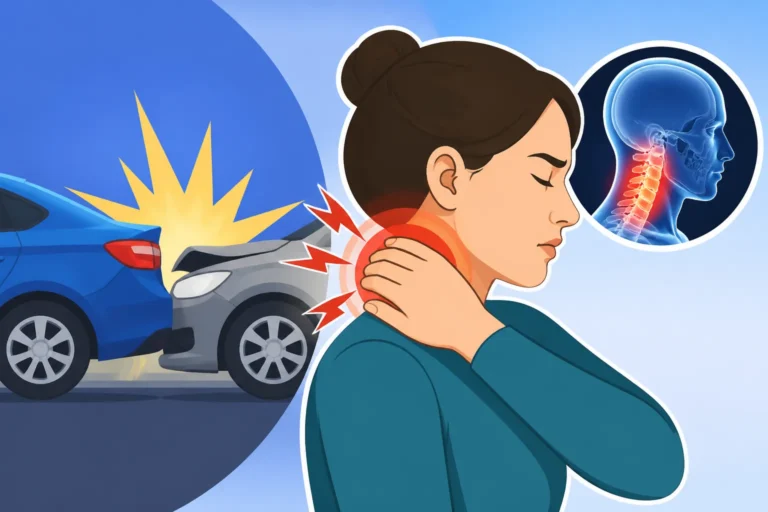
When your car is hit, especially from behind, the sudden jolt can whip your head back and forth with incredible force. This isn't a natural movement for your neck, which is a complex structure of vertebrae, discs, ligaments, muscles, and nerves. The resulting damage can manifest in various ways, each with its own recovery prognosis. It’s important to understand that not all neck pain is the same, and identifying the specific injury is the first step toward understanding your healing path.
Whiplash: The Most Common Culprit
Let's talk about whiplash, because it's probably the term you hear most often after a car accident. Whiplash isn't a single injury; it's a collection of symptoms resulting from the rapid, forceful back-and-forth movement of the neck. Think of it like cracking a whip – your head is the tip, and the force is tremendous. This hyperextension and hyperflexion can strain the muscles, ligaments, and tendons in your neck, and even injure the soft discs between your vertebrae.
Common symptoms include neck pain and stiffness, headaches, dizziness, shoulder pain, and sometimes even tingling or numbness in the arms. It can be incredibly frustrating because on the outside, you might look perfectly fine, but inside, you're experiencing real discomfort and limited movement. Many people wonder Whiplash Symptoms After a Car Accident, and the truth is, they can be subtle at first, sometimes not appearing until hours or even days later, which is why it's crucial to be aware of Delayed Injury Symptoms After a Car Accident.
Herniated Discs and Radiculopathy
Beyond just muscle strains, a car accident can put immense pressure on the intervertebral discs that cushion the bones in your spine. These discs have a jelly-like center and a tougher outer layer. A sudden impact can cause the outer layer to tear, allowing the soft inner material to bulge or "herniate" out. This is a herniated disc, and it's a significant cause for concern when it comes to Neck Injuries After a Car Accident.
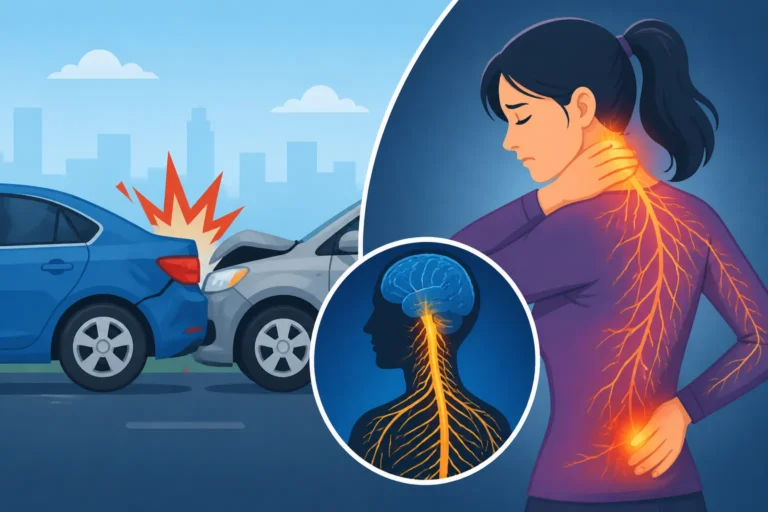
When a disc herniates in your neck, it can press on the nearby spinal nerves, leading to a condition called radiculopathy. This isn't just local neck pain; it can cause sharp, shooting pain, numbness, tingling, or weakness that radiates down into your shoulder, arm, hand, or fingers. The sensation might feel like a "pinched nerve" that just won't let up. Dealing with Herniated Disc From a Car Accident often means a longer, more complex recovery compared to a mild whiplash.
Fractures and Dislocations: The More Serious Cases
While less common than whiplash or herniated discs, a severe car accident can, unfortunately, result in fractures (broken bones) or dislocations of the cervical vertebrae. These are extremely serious injuries because the neck houses the spinal cord, which is the communication highway between your brain and the rest of your body. Any damage to the spinal cord can lead to permanent neurological deficits, including paralysis.
A neck fracture or dislocation often presents with intense pain, instability, muscle spasms, and sometimes immediate neurological symptoms like numbness, weakness, or inability to move parts of your body. These injuries require immediate emergency medical attention and often involve surgical intervention, lengthy immobilization (like a halo vest), and extensive physical therapy. The recovery from such an injury isn't just about healing the bones, but also managing potential spinal cord damage and its long-term implications.
Factors Influencing Neck Injury Recovery Times
There's no magic "one-size-fits-all" answer to how long your neck injury will take to heal. So many personal and circumstantial elements come into play. It's like baking a cake – you need all the right ingredients and the right temperature, and even then, some cakes just take longer to rise. Understanding these factors can help you set realistic expectations for your own recovery journey.
Severity of the Injury
This might seem obvious, but it's the biggest determinant. A mild muscle strain from a low-speed fender bender will naturally heal much faster than a torn ligament or a disc herniation from a high-impact collision. When considering the severity, doctors look at several things:
- Type of tissue damaged: Muscle strains generally heal quicker than ligament sprains or disc injuries. Bone fractures have their own specific healing timeline.
- Extent of damage: Was it a minor stretch, a partial tear, or a complete rupture? More extensive damage means more tissue to repair and reconstruct.
- Presence of nerve involvement: If a nerve is compressed or damaged, the recovery can be significantly prolonged and more complex, as nerve tissue heals very slowly. The radiating pain associated with radiculopathy is a clear sign of nerve involvement and points to a more challenging recovery.
For example, a mild whiplash injury where the muscles are just a bit stiff might resolve in a few weeks with conservative treatment. However, if the impact caused a cervical herniated disc with nerve compression, you could be looking at months of therapy, injections, or even surgery, and recovery could extend well over a year.
Your Overall Health and Age
Your body's inherent ability to heal plays a huge role. Think of it: a healthy 25-year-old athlete with good muscle tone and no pre-existing conditions will likely bounce back faster than a 65-year-old with osteoporosis, degenerative disc disease, or diabetes.
- Age: As we age, our tissues become less elastic, cellular regeneration slows down, and overall healing capacity diminishes. Older individuals may experience longer recovery times and are more susceptible to developing chronic pain.
- Pre-existing conditions: If you already had arthritis in your neck, a history of neck pain, or conditions like fibromyalgia, the accident can exacerbate these issues, making recovery more challenging and prolonged. Insurance companies will often scrutinize Pre-Existing Conditions and Car Accident Claims, but that doesn't mean your injury isn't valid.
- Lifestyle factors: Smoking, poor nutrition, lack of sleep, and high stress levels can all impede your body's healing processes. Conversely, a healthy diet, adequate rest, and managing stress can help accelerate recovery.
It's not about blaming yourself, but recognizing that your body's baseline health is a critical factor in how it responds to injury and rehabilitation.
Consistency of Treatment and Rehabilitation
This is where you have a lot of control. Skipping doctor's appointments, not doing your physical therapy exercises, or ignoring medical advice can severely delay your recovery or even lead to chronic issues.
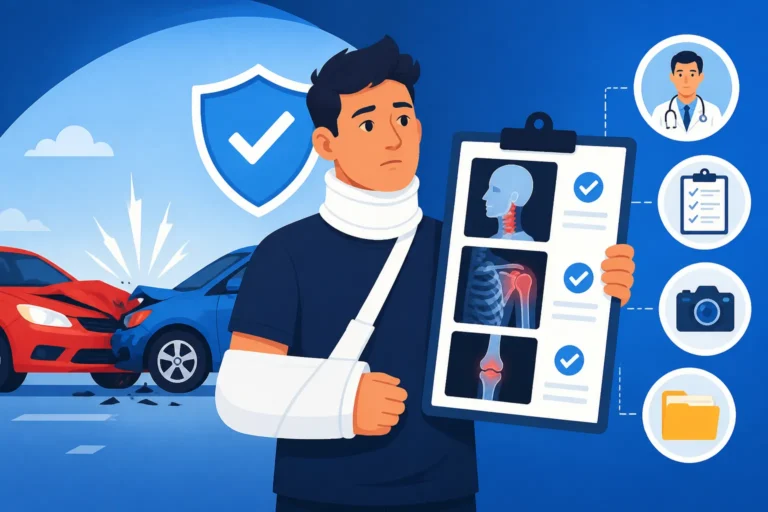
- Prompt medical attention: Getting diagnosed quickly after an accident is paramount. Early intervention can prevent minor injuries from worsening and set you on the right path. This is why it's so important to Why You Should See a Doctor After a Car Accident, even if you feel okay at first.
- Adherence to treatment plan: Whether it's medication, chiropractic care, physical therapy, or even surgery, consistently following your doctor's recommendations is vital. Physical therapy, for instance, is designed to restore range of motion, strengthen supporting muscles, and reduce pain. Missing sessions or not doing your home exercises can set you back significantly.
- Rest and activity balance: While rest is crucial in the acute phase, prolonged immobilization can lead to stiffness and weakness. Your doctor or therapist will guide you on when to gradually reintroduce movement and activity. It's a delicate balance.
A lack of consistent care can mean that a neck injury that might have healed in a couple of months could linger for much longer, potentially turning into Chronic Pain After a Car Accident.
Typical Healing Timelines for Neck Injuries
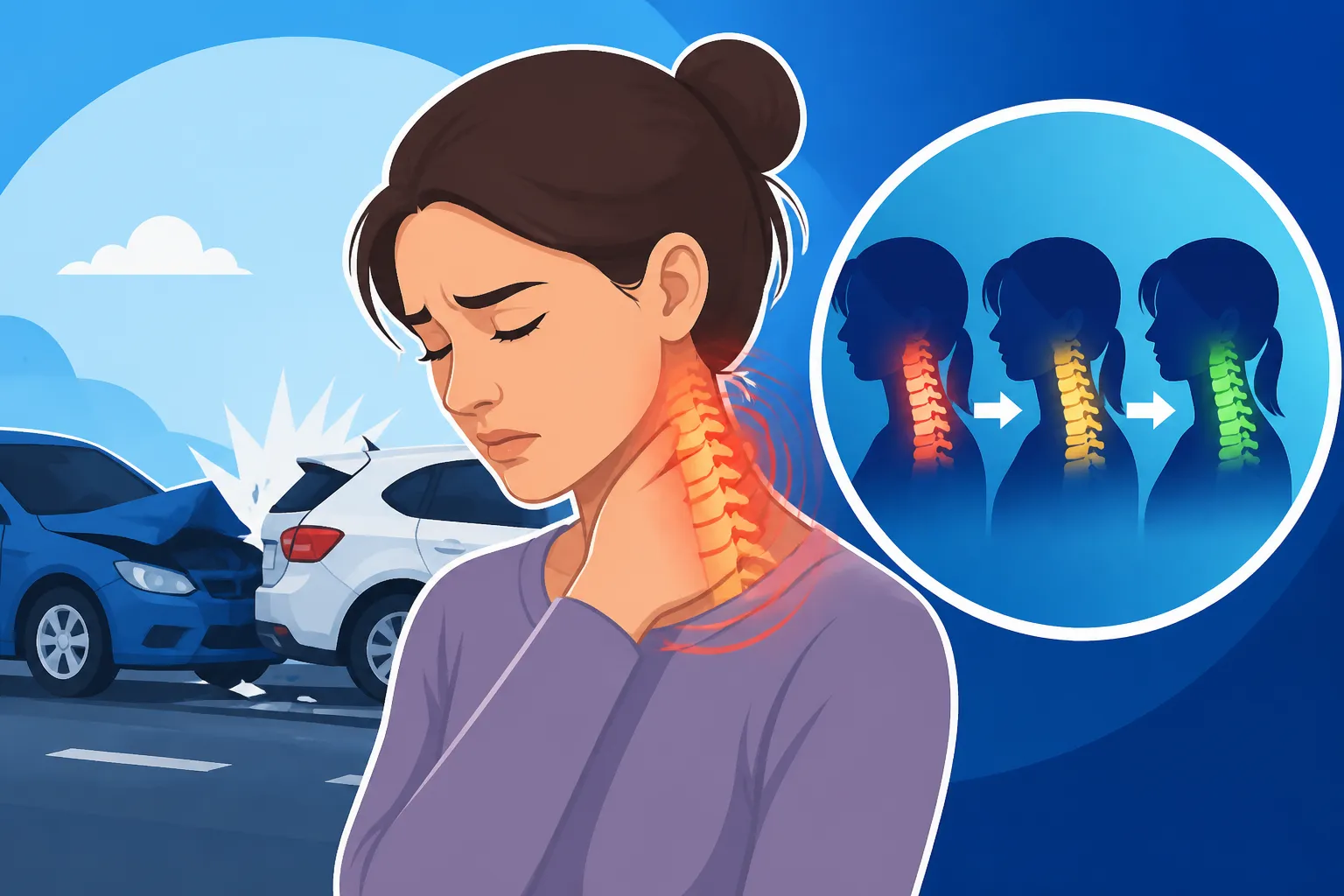
So, let's get down to the numbers, with the huge caveat that these are averages and your individual experience may vary widely. The recovery from a neck injury is rarely a straight line; it's more like a roller coaster with ups and downs. Understanding the typical phases can help you mentally prepare for the journey ahead.
Acute Phase: Immediate Aftermath to a Few Weeks
This is the initial period right after the accident, usually lasting from a few days up to two to four weeks. During this time, your body is in full-on inflammatory mode, working to protect the injured area and start the repair process.
- What to expect: Pain, swelling, stiffness, and restricted range of motion are very common. You might find it hard to turn your head, look up or down, or even sleep comfortably. Headaches originating from the neck are also a frequent complaint.
- Treatment focus: The primary goals here are pain management, reducing inflammation, and preventing further injury. This often involves rest, ice application, over-the-counter pain relievers or prescription medications (like muscle relaxants or anti-inflammatories), and sometimes a soft cervical collar for short-term support. Your doctor might recommend gentle stretches or light physical therapy to maintain some mobility without aggravating the injury.
- Healing outlook: For mild whiplash or muscle strains, significant improvement can often be seen within this phase, with many individuals feeling much better, though not fully recovered, by the end of week four. If your injury is more serious, this phase might feel like the longest part, with intense pain requiring more aggressive interventions.
Subacute Phase: Weeks to a Few Months
Once the initial inflammation subsides and the most severe pain lessens, you enter the subacute phase, which can last anywhere from one to three months. This is when the real work of rehabilitation often begins.
- What to expect: Pain levels should gradually decrease, and your range of motion should start to improve. However, you might still experience intermittent pain, stiffness, or discomfort, especially with certain movements or after activity. You might still have trouble sleeping or focusing.
- Treatment focus: This phase heavily emphasizes physical therapy. Therapists will guide you through exercises to strengthen the neck and upper back muscles, improve flexibility, and restore normal movement patterns. Manual therapy, massage, heat, and other modalities might also be used. For disc injuries or nerve compression, specific exercises, epidural injections, or other interventional pain management techniques may be considered.
- Healing outlook: Many whiplash injuries, especially those without nerve involvement or significant structural damage, will see substantial recovery within this period. Some people might be feeling nearly back to normal by the end of three months. However, for more moderate injuries, full recovery could still be several months away, and some residual symptoms might persist. For example, How Long Does Whiplash Last? can vary greatly, with some recovering in weeks and others taking months.
Chronic Phase: Months to Years, or Lingering Issues
Unfortunately, not everyone makes a full recovery within a few months. For some, neck pain and related symptoms can linger for more than three to six months, transitioning into the chronic phase. This is a tough reality for many accident victims.
- What to expect: Persistent pain, stiffness, headaches, and sometimes neurological symptoms (like numbness or weakness) become a long-term part of life. This can impact work, hobbies, sleep, and overall quality of life. The psychological toll of chronic pain can also be significant.
- Treatment focus: Management shifts to a multidisciplinary approach. This might include continued physical therapy with a focus on functional improvement, pain management techniques (medications, injections, nerve blocks), acupuncture, psychological counseling, and ergonomic adjustments to your daily life. For severe or persistent disc issues, surgery might become a more serious consideration if conservative treatments fail.
- Healing outlook: While complete resolution of symptoms might be challenging in the chronic phase, the goal is to manage pain, improve function, and enhance quality of life. Some individuals might experience slow, gradual improvement over a year or two, while others might live with some level of ongoing discomfort. This is often the point where attorneys might discuss Average Settlement for a Neck Injury and how it accounts for long-term care needs.
Here's a simplified table outlining typical recovery times for common neck injuries:
| Neck Injury Type | Typical Acute Phase (Pain Management) | Typical Subacute Phase (Rehab/Recovery) | Potential Chronic Phase (Lingering Issues) |
|---|---|---|---|
| Mild Whiplash | 1-4 weeks | 1-3 months | Rare, but possible minor stiffness |
| Moderate Whiplash | 2-6 weeks | 3-6 months | 10-20% experience chronic symptoms |
| Herniated Disc (mild) | 4-8 weeks | 3-9 months | 1-2 years, or ongoing management |
| Herniated Disc (severe/nerve comp.) | 6-12 weeks | 6-18 months | Ongoing management, potential surgery |
| Neck Fracture/Dislocation (stable) | 8-12 weeks (immobilization) | 6-18 months (intensive rehab) | Years or permanent limitations |
| Neck Fracture/Dislocation (unstable/surgery) | 3-6 months (post-op, immobilization) | 1-3 years (extensive rehab) | Permanent neurological deficits possible |
Note: These are general estimates. Individual recovery can vary significantly based on factors like age, overall health, and treatment adherence.
Strategies for Promoting a Faster and Fuller Recovery
While you can't control the initial impact of a car accident, you absolutely have agency in how you approach your recovery. Being proactive and diligent can make a world of difference in your healing timeline and long-term well-being. This isn't just about physical healing; it's about navigating the entire process smartly.
Prompt Medical Attention and Diagnosis
I cannot stress this enough: see a doctor immediately after a car accident, even if you feel fine. Adrenaline can mask pain, and some serious injuries, like a Concussion Symptoms After a Car Accident or a disc injury, might not show up right away. Delaying care can lead to worse outcomes, and it can also complicate your car accident claim down the road, as insurance companies might argue your injuries weren't directly caused by the accident.
- Emergency room visit: If you have severe pain, numbness, weakness, or visible deformities, go to the nearest emergency room. They can rule out life-threatening injuries and stabilize your condition.
- Follow-up with your primary care doctor: Even if you went to the ER, schedule a follow-up with your own doctor. They know your medical history and can coordinate ongoing care with specialists.
- Specialist referrals: Your doctor might refer you to an orthopedist, neurologist, physical therapist, or chiropractor. These specialists have expertise in diagnosing and treating specific neck injuries. Getting an accurate diagnosis is the cornerstone of effective treatment. This also helps when you need to How to Prove Injuries in a Car Accident Claim later on.
Adhering to Your Treatment Plan
Once you have a diagnosis and a treatment plan, stick to it. This means showing up for all your appointments, taking medications as prescribed, and diligently performing any recommended exercises. It's a commitment, but it pays off.
- Physical therapy: This is often the backbone of neck injury recovery. Physical therapists use a combination of exercises, manual therapy, and modalities (like heat, ice, or electrical stimulation) to reduce pain, improve range of motion, strengthen muscles, and educate you on proper posture and body mechanics. Do your home exercises religiously – they are just as important as your in-clinic sessions.
- Medication management: Pain relievers, anti-inflammatories, and muscle relaxants can help manage symptoms, allowing you to participate more fully in physical therapy. If pain is severe, your doctor might consider nerve blocks or other injections. Always discuss side effects and concerns with your prescribing physician.
- Rest and activity modification: Your body needs rest to heal, but complete immobilization can lead to stiffness. Your care team will guide you on appropriate activity levels, helping you find the balance between rest and gentle movement. Avoid activities that aggravate your pain.
- Document everything: Keep a detailed log of your symptoms, treatments, medications, and how you're feeling. This not only helps your doctors track your progress but also provides crucial documentation for your How Medical Records Prove Your Injuries in your insurance claim.
Lifestyle Adjustments and Ergonomics
Your daily habits and environment significantly impact your recovery. Small changes can make a big difference in reducing strain on your healing neck.
- Ergonomics: Pay attention to your posture at work, home, and even while driving. Adjust your computer monitor, chair, and keyboard to support a neutral spine. Consider a standing desk or taking frequent breaks to move around. When driving, ensure your headrest is properly adjusted to prevent future whiplash.
- Sleep hygiene: Invest in a supportive pillow that keeps your neck aligned with your spine. Sleeping on your back or side is generally better than on your stomach for neck health. Ensure your bedroom is dark, quiet, and cool for optimal sleep, as good sleep is vital for healing.
- Stress management: Pain and injury are inherently stressful, and stress can exacerbate pain and muscle tension. Incorporate stress-reducing activities like meditation, deep breathing, gentle yoga (if cleared by your doctor), or spending time in nature.
- Nutrition: Fuel your body with nutrient-rich foods that support healing, such as lean proteins, fruits, vegetables, and healthy fats. Stay well-hydrated.
- Avoid heavy lifting and strenuous activities: Especially in the early stages, avoid anything that puts excessive strain on your neck. Listen to your body and don't push through pain. Gradually reintroduce activities as advised by your physical therapist.
Navigating a car accident claim and your recovery journey can feel overwhelming, especially when you're in pain. Remember that you don't have to go through it alone. Focus on your health, adhere to your medical advice, and seek support from your loved ones and professionals.
Disclaimer
Please remember that this article is intended for informational purposes only and does not constitute medical or legal advice. Every neck injury and recovery journey is unique. Always consult with a qualified medical professional for diagnosis and treatment of any injury, and speak with a legal professional regarding your specific car accident claim.