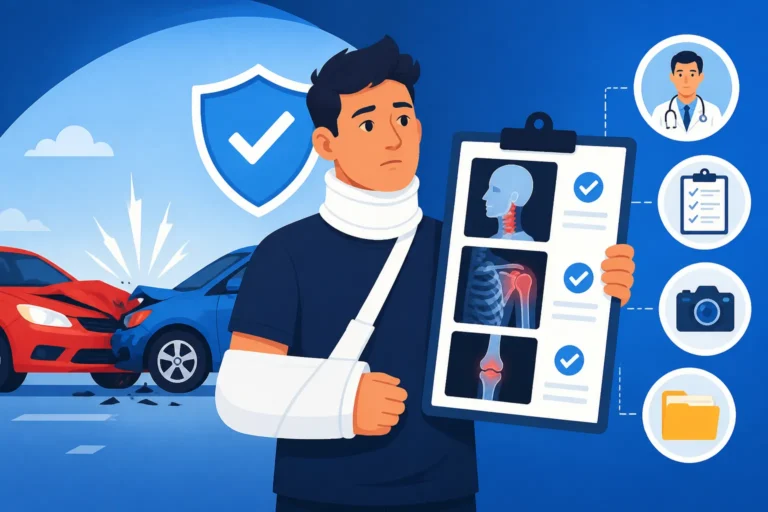
Claiming Compensation for Spinal Cord Injury in California
Experiencing a car accident is jarring enough, but when it leaves you or a loved one with a spinal cord injury, the physical, emotional, and financial burdens can feel overwhelming. The path to recovery is often long, expensive, and filled with uncertainty, leaving many wondering how they’ll ever cope with the medical bills, lost income, and profound changes to their daily life. This guide is here to walk you through the process of claiming compensation for a spinal cord injury in California, helping you understand your rights and the steps you need to take.
Understanding Spinal Cord Injuries from Car Accidents
A spinal cord injury (SCI) is one of the most devastating outcomes of a car accident. It’s not just about a sore back; it's a catastrophic injury that can alter life as you know it, potentially leading to paralysis, loss of sensation, and a host of secondary health issues. The sudden force of a collision, especially in high-impact crashes, can easily damage the delicate nerves and tissues within the spinal column, leading to permanent impairment.
Types of Spinal Cord Injuries
Spinal cord injuries are broadly categorized into two main types: complete and incomplete. Understanding the distinction is crucial because it significantly impacts treatment, prognosis, and ultimately, the scope of compensation needed.
- Complete Spinal Cord Injuries: This is when the spinal cord is completely severed or severely damaged, resulting in a total loss of motor function and sensation below the point of injury. For instance, a complete injury in the thoracic region of the spine might lead to paraplegia, affecting the lower body, while a cervical injury could result in quadriplegia, impacting all four limbs. The challenges that come with this type of injury are profound, requiring extensive long-term care, adaptive equipment, and home modifications.
- Incomplete Spinal Cord Injuries: In these cases, there is still some function or sensation below the level of injury. The extent of recovery varies widely depending on the degree of damage and the specific nerves affected. Someone might retain some movement but lose sensation, or vice versa. Common incomplete SCI syndromes include Central Cord Syndrome, Anterior Cord Syndrome, and Brown-Séquard Syndrome, each presenting with unique patterns of weakness, sensation loss, and varying recovery potentials. Even with an "incomplete" injury, the impact on quality of life and independence can be substantial, often requiring extensive rehabilitation and ongoing medical support.
Immediate and Long-Term Impacts of SCI
The immediate aftermath of a spinal cord injury is often characterized by shock, intense pain, and a terrifying realization of lost function. Beyond the initial trauma, the ripple effects of an SCI are vast and far-reaching, affecting every aspect of a person's life and the lives of their family members.
- Physical Consequences: On top of paralysis or weakness, SCI can lead to chronic pain, loss of bladder and bowel control, respiratory problems (especially with high cervical injuries), pressure sores, muscle spasticity, and a heightened risk of infections. Many individuals with SCI also face significant cardiovascular and metabolic issues. Managing these physical impacts often requires a multidisciplinary medical team, including neurologists, physical therapists, occupational therapists, and pain management specialists.
- Emotional and Psychological Toll: The emotional burden of an SCI is immense. Victims often grapple with feelings of grief, loss, anger, and depression as they adjust to their new reality. The sudden loss of independence, changes in body image, and disruption of personal relationships can contribute to significant mental health challenges, requiring psychological counseling and support groups. It's a journey not just of physical healing, but profound emotional resilience.
- Financial Strain: The costs associated with a spinal cord injury are astronomical. According to the National Spinal Cord Injury Statistical Center, the estimated lifetime costs for a 25-year-old with a high tetraplegia (C1-C4) SCI could exceed $5 million. These costs include emergency medical care, surgeries, hospital stays, extensive rehabilitation, medications, adaptive equipment (like wheelchairs, lifts, and modified vehicles), home modifications, and ongoing personal care assistance. The financial strain can quickly deplete savings and create insurmountable debt, highlighting why securing adequate compensation is absolutely vital. You can learn more about the broader effects in our guide on Spinal Cord Injury From a Car Accident.
The Importance of Early Medical Intervention
After any car accident, especially one with a potential spinal cord injury, seeking immediate medical attention is non-negotiable. Even if you don't feel severe pain right away or you experience Delayed Injury Symptoms After a Car Accident, certain spinal cord injuries can worsen rapidly without proper care.
- Critical Diagnostic Procedures: Emergency responders and hospital staff are trained to stabilize potential spinal injuries at the scene to prevent further damage. Once at the hospital, doctors will perform a thorough neurological examination, often utilizing advanced imaging techniques like X-rays, CT scans, and MRIs. These diagnostic tools are critical for accurately pinpointing the location and extent of the spinal cord damage, which directly influences the treatment plan and your long-term prognosis. Delaying this crucial step can not only jeopardize your health but also complicate your ability to prove the direct link between the accident and your injuries in a claim.
- Establishing a Clear Medical Record: From the moment paramedics arrive to your ongoing physical therapy appointments, every medical record, doctor's note, and bill serves as vital evidence for your compensation claim. This comprehensive documentation demonstrates the severity of your injuries, the treatments required, and the associated costs. Insurance companies in California will meticulously review these records to assess the validity and extent of your claim. A gap in treatment or a lack of documentation can be seized upon by insurers to downplay the seriousness of your injury or argue that it wasn't directly caused by the accident.
The Complexities of Proving a Spinal Cord Injury Claim in California
Navigating a car accident claim involving a spinal cord injury in California is far more intricate than handling a minor fender-bender. The stakes are incredibly high, and insurance companies will often go to great lengths to minimize their payout. Proving your claim requires a meticulous approach to establishing fault and documenting your journey.
Establishing Fault in California Accidents
California operates under a "pure comparative negligence" system, which means that even if you are found partially responsible for the accident, you can still recover damages, though your compensation will be reduced by your percentage of fault. This system is a double-edged sword: it offers recourse even with shared blame, but it also opens the door for the other driver's insurance company to try and shift as much blame as possible onto you. Understanding How Fault Is Determined in a Car Accident is fundamental.
- Gathering Crucial Evidence at the Scene: Immediately after the accident, if you are able and it is safe, it's vital to collect as much information as possible. This includes taking photos of the accident scene from multiple angles, vehicle damage, road conditions, traffic signals, and any visible injuries. Get contact information from witnesses, and if police respond, obtain a copy of the police report. This initial evidence is the bedrock of your claim and helps to counter any attempts by the other side to misrepresent the facts.
- The Role of Accident Reconstruction Specialists: For severe injuries like SCI, simple police reports might not be enough. An accident reconstruction specialist can be an invaluable asset. These experts use scientific principles, physical evidence from the scene (skid marks, vehicle deformation), and witness statements to create a detailed analysis of how the accident occurred and who was at fault. Their findings can provide compelling evidence that leaves little room for doubt about the other driver's negligence, which is especially important given California's Comparative Negligence Laws in California. They can demonstrate precisely how the impact led to your specific injury.
Documenting Your Injuries and Medical Journey
A spinal cord injury claim hinges on undeniable proof of your injuries and their direct link to the accident. This is not the time to "tough it out" or delay appointments.
- Comprehensive Medical Records: Every single medical visit, from the emergency room to specialist consultations, physical therapy, occupational therapy, and even mental health counseling, must be meticulously documented. This includes test results, diagnostic images, prescriptions, and therapist notes. These records establish a clear timeline of your injury, treatment, and ongoing recovery or permanent impairment. Without this detailed trail, an insurance company might argue that your injuries were pre-existing or not as severe as claimed.
- Keeping a Detailed Journal: Beyond formal medical records, maintaining a personal journal can be incredibly powerful. Document your daily pain levels, limitations, emotional struggles, and any new symptoms. Note how your SCI impacts your ability to perform daily tasks, hobbies, and work. This journal provides a human element to your claim, illustrating the real-world impact of your injury and offering insight into your Pain and Suffering Damages: What They Cover. This personal account can corroborate medical evidence and make your claim more compelling, particularly when negotiating non-economic damages.
Navigating California's Legal Landscape
California's legal system, while generally consumer-friendly, has specific rules and deadlines that must be adhered to. Missing a deadline can jeopardize your entire claim, leaving you without recourse.
- Statute of Limitations: In California, the general statute of limitations for personal injury claims, including those arising from car accidents, is typically two years from the date of the injury. This means you generally have two years to file a lawsuit in court. While two years might seem like a long time, building a robust SCI case, gathering extensive medical records, and potentially consulting with experts can take a significant amount of time. It's crucial to act swiftly. You can find more specific details in our guide on the Statute of Limitations for Car Accidents in California.
- Dealing with "No-Fault" vs. "At-Fault" Insurance: California is an "at-fault" state. This means the person responsible for the accident (or their insurance company) is liable for the damages. This differs significantly from "no-fault" states, where your own insurance generally covers your initial medical expenses regardless of who caused the accident. In an at-fault state like California, proving the other driver's fault is paramount to claiming compensation from their insurance provider for all your damages.
Types of Compensation Available for SCI Victims
When you're dealing with a spinal cord injury, you're not just looking for a quick fix; you're seeking comprehensive compensation that will truly cover the immense financial and personal costs over your lifetime. California law categorizes damages into economic, non-economic, and in some rare cases, punitive.
Economic Damages: Covering Tangible Losses
Economic damages are the calculable, objective financial losses you incur as a direct result of your spinal cord injury. These are often the easiest to prove with receipts, invoices, and professional estimates.
- Medical Expenses (Past and Future): This is often the largest component of an SCI claim. It includes everything from emergency room visits, ambulance fees, hospital stays, and surgeries to medications, physical therapy, occupational therapy, assistive devices (wheelchairs, braces), home modifications (ramps, widened doorways), and ongoing medical care. For a spinal cord injury, future medical expenses, which can last a lifetime, are critically important and must be accurately projected by medical experts. This includes the cost of potential future surgeries, lifelong rehabilitation, and specialized nursing care.
- Lost Wages and Loss of Earning Capacity: If your spinal cord injury prevents you from working, you can claim compensation for lost income. This covers the wages you've already missed and, even more critically for SCI victims, your future loss of earning capacity. A spinal cord injury can permanently impair your ability to perform your previous job or any job at all. An economic expert can analyze your past earnings, education, work history, and the severity of your injury to project your future lost income, ensuring you are compensated for this long-term financial devastation.
- Other Out-of-Pocket Expenses: Don't forget other direct costs that often go overlooked. This can include transportation costs to and from medical appointments, childcare expenses incurred because you're unable to care for your children, the cost of adaptive equipment for your vehicle, or even the expense of hiring help for household chores you can no longer perform. Keep detailed records of all these expenditures, as they add up quickly.
Non-Economic Damages: Addressing Intangible Suffering
While harder to quantify, non-economic damages are incredibly significant, especially for life-altering injuries like SCI. These cover the subjective, non-financial losses that profoundly impact your quality of life.
- Pain and Suffering: This category accounts for the physical pain, discomfort, and agony you experience due to your spinal cord injury. This isn't just about the initial injury; it extends to chronic pain, discomfort from rehabilitation exercises, and the overall physical toll the injury takes on your body. The severity and duration of your pain, as documented in medical records and your personal journal, will be key factors in assessing this damage.
- Emotional Distress and Mental Anguish: A spinal cord injury doesn't just hurt your body; it devastates your mind and spirit. Compensation can be sought for the emotional distress, anxiety, fear, depression, grief, and loss of enjoyment of life that commonly accompany such a catastrophic injury. Imagine the despair of losing your independence, your ability to participate in beloved hobbies, or even just walk. These psychological impacts are real and deserving of compensation. Testimony from mental health professionals can be crucial here.
- Loss of Consortium: This type of damage applies to the impact of the injury on your spouse or partner. A spinal cord injury can fundamentally change marital and family relationships, affecting intimacy, companionship, and the ability to perform household duties. This loss of companionship and support can be a significant component of non-economic damages. For a deeper dive, check out our piece on Economic vs Non-Economic Damages in Injury Claims.
Potential for Punitive Damages
While rare, punitive damages may be awarded in California in cases where the at-fault driver's conduct was particularly egregious, malicious, oppressive, or fraudulent.
- Deterring Gross Negligence: Punitive damages are not intended to compensate the victim for a loss but rather to punish the wrongdoer and deter similar conduct in the future. Examples of behavior that might warrant punitive damages include drunk driving (DUI), reckless street racing, or intentional harm. In the case of a drunk driver causing a spinal cord injury, a California court might award punitive damages to send a strong message about the severe consequences of such irresponsible actions. It’s important to note that these damages are difficult to prove and are usually reserved for the most extreme circumstances.
The Claims Process and Working with Insurance Companies
Navigating the claims process after a spinal cord injury can be a full-time job in itself, especially when you're also focused on recovery. Insurance companies are businesses, and their primary goal is to minimize payouts. This is where understanding the process and knowing your rights becomes paramount.
Initial Steps After a Car Accident
The actions you take immediately following a car accident can significantly influence the outcome of your spinal cord injury claim. These steps are crucial for preserving evidence and protecting your rights.
- Prioritize Safety and Seek Medical Attention: First and foremost, ensure your safety and that of others. If you suspect a spinal injury, do not move unless absolutely necessary and wait for emergency medical personnel. As discussed, immediate medical evaluation is critical for both your health and your legal claim. Always call 911.
- Report the Accident and Gather Information: In California, you generally need to report accidents resulting in injury or significant property damage to the DMV within 10 days using Form SR-1. You should also call the police to the scene, as their report can be a vital, objective account of the incident. While waiting for authorities, if you can, exchange information with the other driver: names, contact details, insurance information, and vehicle details. Photograph the scene, all vehicles involved, and any visible injuries. If you're physically able, make notes about the date, time, location, weather conditions, and how the accident occurred. Our guide on What to Do After a Car Accident: Step-by-Step (2027) provides a comprehensive checklist.
Dealing with Insurance Adjusters and Negotiations
Interacting with insurance adjusters can feel like a maze, especially when you're vulnerable. Their job is to gather information that helps their company, which might not always align with your best interests.
- Be Cautious with Statements: The at-fault driver's insurance adjuster will likely contact you quickly. They might seem friendly and sympathetic, but remember they are working for the insurance company. Be very careful about what you say. Avoid giving a recorded statement without legal counsel, as anything you say can be used to undervalue or deny your claim. Do not admit fault, even partially, and avoid speculating about your injuries or the cause of the accident. Instead, stick to the facts and politely refer them to your legal representative if you have one.
- Understanding the Negotiation Process: The adjuster will assess your claim based on the evidence provided and eventually make an offer. For spinal cord injuries, initial offers are almost always low, as they hope you will accept quickly due to financial pressure. This is where the meticulous documentation of your medical bills, lost wages, and the impact on your life becomes critical. You or your lawyer will present a demand letter outlining your damages and the compensation you seek. This process involves back-and-forth negotiation, where your legal team will leverage evidence, expert opinions, and California's specific laws to advocate for a fair settlement. Many claims involving serious injuries like SCI do not settle easily, requiring strong negotiation tactics. More insights can be found in Dealing With Insurance Adjusters After a Car Accident.
Here's a simplified table illustrating the types of damages you might claim:
| Type of Damage | Description | Examples | Documentation Needed |
|---|---|---|---|
| Economic | Quantifiable monetary losses | Medical bills, lost wages, rehabilitation costs, adaptive equipment, home mods | Receipts, invoices, pay stubs, tax returns, expert reports |
| Non-Economic | Subjective, non-monetary losses | Pain and suffering, emotional distress, loss of enjoyment of life, disfigurement | Medical records, personal journal, psychological evaluations, witness testimony |
| Punitive | To punish negligent party for egregious conduct (rare) | (Not compensatory, but additional penalty) | Police report, toxicology reports, criminal conviction records |
When Legal Representation Becomes Crucial
While you might be tempted to handle a minor claim yourself, a spinal cord injury case is decidedly not "minor." The complexities and the high stakes make experienced legal counsel virtually indispensable.
- Protecting Your Rights and Future: A personal injury attorney specializing in catastrophic injuries in California understands the intricate laws, the tactics insurance companies employ, and how to accurately calculate the full lifetime cost of a spinal cord injury. They will gather all necessary evidence, secure expert witnesses (medical, vocational, economic, accident reconstruction), and build a powerful case on your behalf. They can also explain exactly How Long Do You Have to File a Car Accident Claim in California? and ensure all deadlines are met.
- Maximizing Your Compensation: Studies show that victims who retain legal representation typically receive significantly higher settlements than those who try to negotiate alone. An attorney will relentlessly advocate for your best interests, ensuring you receive not just enough to cover immediate costs but also future care, therapies, lost earnings, and adequate compensation for your pain and suffering. They understand How Insurance Companies Determine Who Is at Fault and can counter their attempts to minimize your claim. If you're wondering if it's really necessary, consider reading Do You Need a Lawyer for a Car Accident? (2026).
Disclaimer
Please remember that this article provides general information and is not legal advice. Every car accident and spinal cord injury claim is unique, and the information presented here may not apply to your specific situation. It is always recommended to consult with a qualified personal injury attorney in California to discuss the details of your case and understand your legal options.