Common Injuries From a Parking Lot Accident
It’s easy to dismiss a fender bender in a parking lot as just a minor inconvenience, something that only scuffs your paint or dents a bumper. We often assume that because speeds are low, the risk of serious personal injury is almost nonexistent. But this couldn't be further from the truth. The reality is, parking lot accidents, despite their seemingly low impact, can lead to a surprising array of injuries, some of which might not even show up until days later. This guide will walk you through the common injuries sustained in these everyday mishaps and help you understand why taking them seriously is crucial for your health and any potential car accident claim.
The Deceptive Nature of Low-Speed Impacts
When you think of a car accident, your mind probably jumps to high-speed highway collisions, twisted metal, and obvious trauma. Parking lot incidents, however, paint a very different picture. They often involve slow speeds, backing up, or minor collisions with other vehicles, carts, or even pedestrians. Because the visual damage to vehicles might be minimal, people often make the mistake of assuming their bodies are fine, too. This assumption can be incredibly dangerous, as the human body reacts to sudden forces in ways that aren't always immediately apparent.
Why Parking Lot Crashes Still Cause Injuries
Even a slight jolt can throw your body out of alignment or cause soft tissue damage. Imagine you're sitting in your car, stopped, perhaps checking your phone or reaching for a grocery list, when another car backs into you at a mere 5-10 miles per hour. Your body, unprepared for the impact, snaps forward and back. This rapid movement, even without significant force, can strain muscles, ligaments, and tendons. The very design of parking lots – with their tight turns, numerous blind spots, and constant pedestrian traffic – creates unique conditions for these types of sudden, unexpected impacts. You might not brace yourself the way you would on a highway, making your body more vulnerable. Furthermore, the varying angles of impact in parking lot scenarios, like T-bone accidents or sideswipes while backing out of a spot, can generate different kinds of forces on your body compared to a straightforward rear-end collision.
The Problem of Delayed Symptoms
One of the biggest pitfalls after a parking lot accident is the delay in injury symptoms. You might feel perfectly fine right after the collision, chalking any minor discomfort up to adrenaline or temporary shock. However, many common injuries, particularly those affecting soft tissues or the spine, can take hours, days, or even weeks to manifest. This delay happens for several reasons. Adrenaline, your body's natural fight-or-flight response, can mask pain immediately after an accident. As this hormone subsides, the true extent of your injuries can become clear. Inflammation can also build up over time, leading to pain and stiffness that wasn't present at the scene. This is why medical professionals always recommend getting checked out, even after what seems like a minor bump. You can learn more about how Delayed Injury Symptoms After a Car Accident can impact your well-being and claims.
Common Physical Injuries Sustained in Parking Lot Accidents
Despite the low speeds, parking lots are a hotspot for a range of injuries, from the classic whiplash to more serious back problems and pedestrian-related trauma. Ignoring these symptoms can lead to chronic pain and long-term health issues.
Whiplash and Neck Injuries
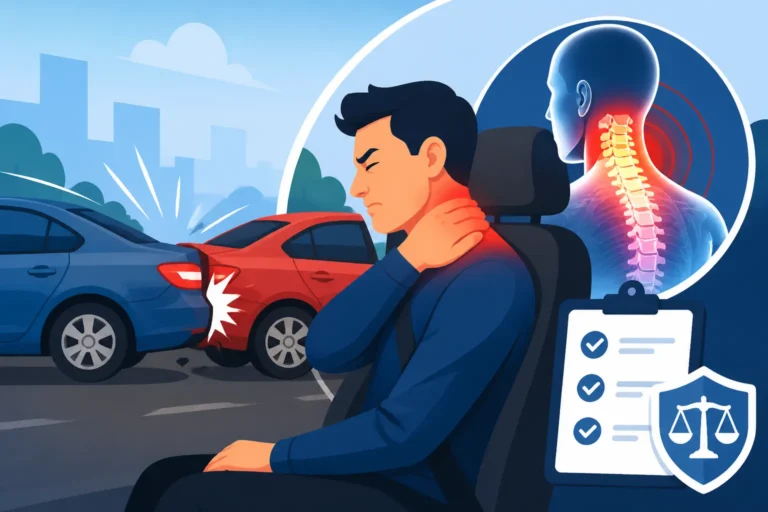
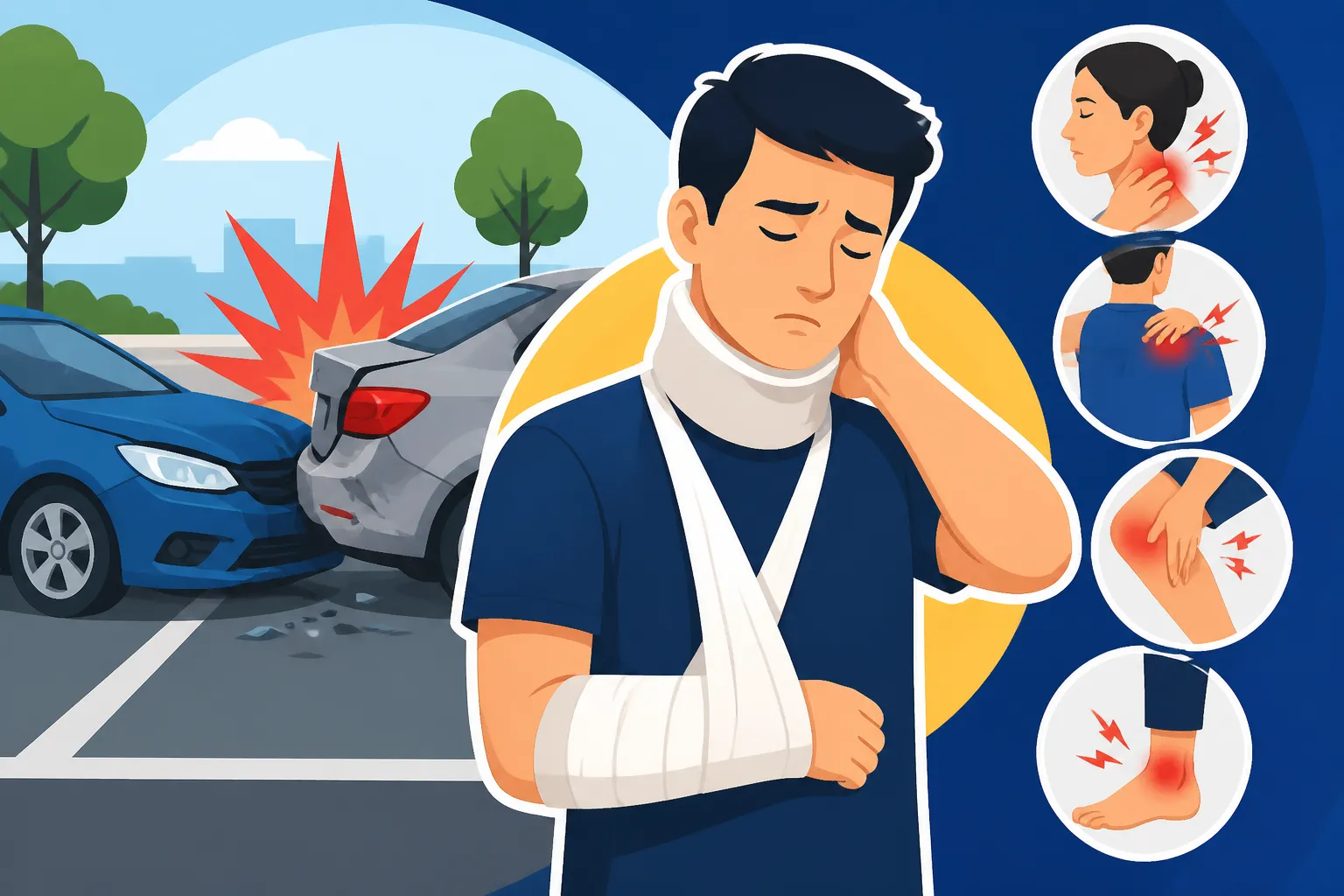
Whiplash is perhaps the most notorious car accident injury, and it's incredibly common in parking lot incidents, especially rear-end collisions. Even if the impact feels minor, the sudden forceful jerking motion of your head and neck, backward and forward, can cause significant strain to the muscles, ligaments, and tendons in your cervical spine.
Symptoms can include neck pain and stiffness, headaches starting at the base of the skull, dizziness, blurred vision, fatigue, and even tingling or numbness in the arms. These symptoms often don't appear until 24 to 48 hours after the crash. For example, you might feel a little stiff getting out of your car at the grocery store, but by the next morning, turning your head becomes excruciating. The severity can range from mild discomfort to debilitating pain that interferes with daily activities. Understanding Whiplash Symptoms After a Car Accident is crucial for early detection and treatment.
Back and Spinal Injuries
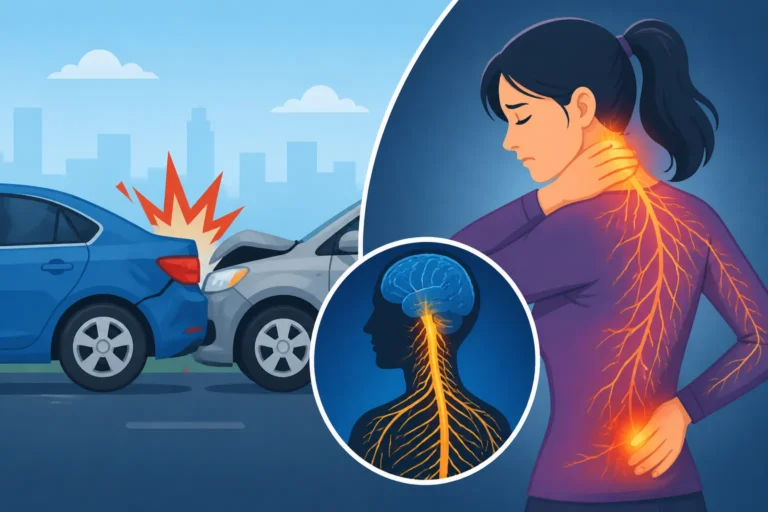
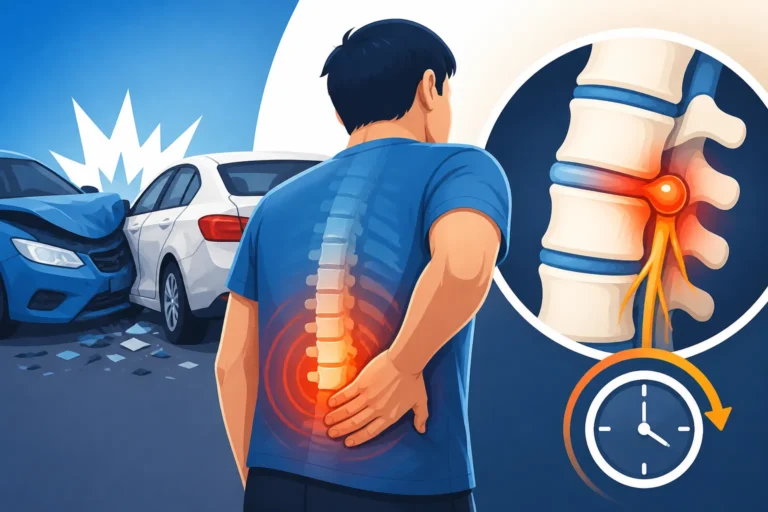
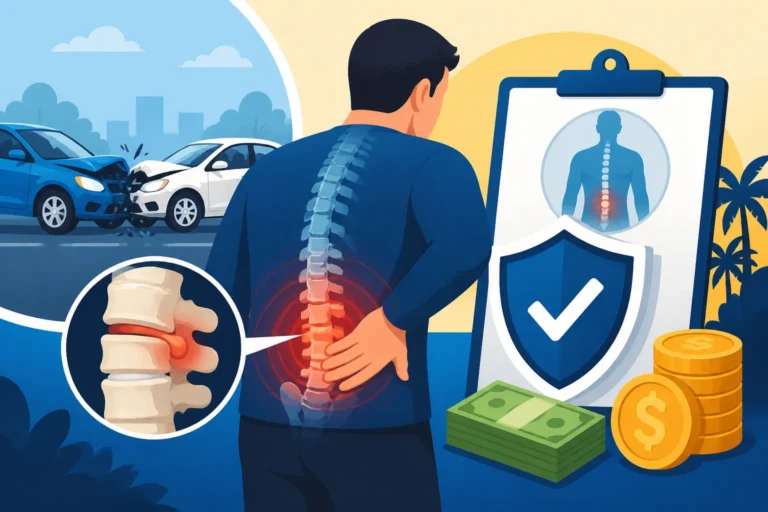
Your back, particularly your lower back (lumbar spine), is very susceptible to injury in any car accident, including those in parking lots. The sudden compression or twisting motion can lead to sprains and strains of the muscles and ligaments supporting the spine. More serious injuries can include herniated discs, where the soft cushioning between your vertebrae ruptures or bulges, putting pressure on nearby nerves.
Imagine being hit from the side while backing out of a spot; the twisting motion could easily damage your spinal discs. Symptoms often include localized pain, stiffness, muscle spasms, and sometimes radiating pain down your legs (sciatica) if nerve roots are affected. These injuries can be incredibly painful and, if left untreated, can lead to chronic conditions. These are serious concerns, and prompt medical evaluation is always recommended.
Soft Tissue Injuries
Beyond whiplash, soft tissue injuries encompass a broad category of damage to muscles, ligaments, and tendons throughout the body. These are prevalent in parking lot accidents because the body can be subjected to sudden, awkward movements or direct impacts against the interior of the car.
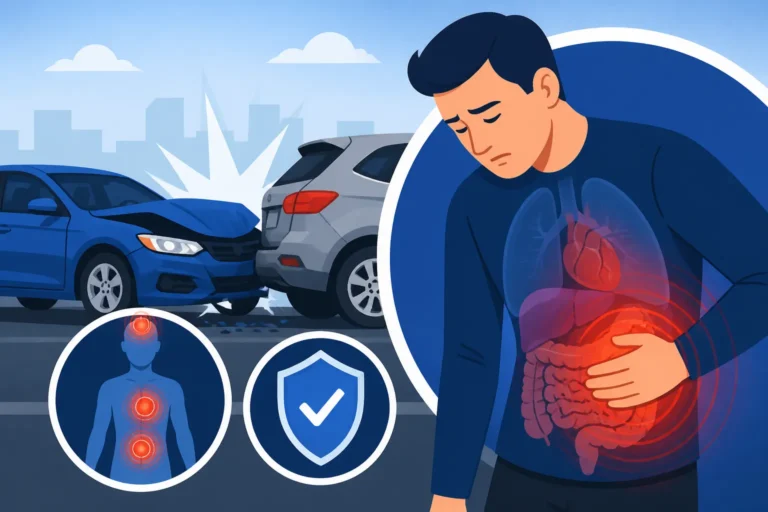
For instance, a sudden stop or jolt can cause shoulder sprains or strains as your arm instinctively reaches out or is pulled by the seatbelt. Similarly, your knees might impact the dashboard or steering column, leading to strains or contusions, even if no bones are broken. Even simple bumps and bruises, if severe enough, can cause internal bleeding or deep tissue damage. These injuries, though not always immediately visible, can cause significant pain, swelling, and reduced range of motion. It's important to recognize that Soft Tissue Injuries Explained can be just as debilitating as fractures.
Head and Concussion Injuries
While less common than in high-speed collisions, head injuries, including concussions, can still occur in parking lot accidents. If your head strikes the steering wheel, dashboard, side window, or even a headrest due to the sudden movement, it can result in a concussion.
A concussion is a traumatic brain injury caused by a bump, blow, or jolt to the head that causes the head and brain to move rapidly back and forth. Even without direct impact, the brain can slosh inside the skull, leading to injury. Symptoms can be subtle and include headaches, dizziness, confusion, nausea, sensitivity to light and sound, and memory issues. These symptoms may not appear for hours or days, making them easy to overlook. Given the seriousness of brain injuries, it's vital to seek medical attention if you suspect any head trauma.
Injuries to Pedestrians
Parking lots are shared spaces, and unfortunately, pedestrians are frequently involved in accidents. Whether someone is walking to their car, pushing a shopping cart, or simply crossing a lane of traffic, they are incredibly vulnerable to even slow-moving vehicles.
A low-speed impact from a car, even just backing up at 5 mph, can knock a pedestrian to the ground, leading to fractures (hips, legs, arms), lacerations, contusions, and head injuries. The elderly and young children are particularly at risk for severe injuries due to their more fragile bones or inability to react quickly. For example, a driver reversing slowly may not see a child darting between cars until it's too late. These types of accidents can have devastating consequences for pedestrians, often resulting in far more serious injuries than those sustained by occupants inside a vehicle.
Documenting and Addressing Your Injuries After a Parking Lot Accident
Even if you feel okay immediately after a parking lot accident, taking certain steps can make a world of difference for your health and any future claims. This isn't about being overly dramatic; it's about protecting yourself.
Why You Need to Seek Medical Attention Promptly
The single most important thing you can do after any car accident, including a parking lot fender bender, is to see a doctor. As we've discussed, many injuries have delayed symptoms. A medical professional can properly assess your condition, diagnose hidden injuries, and start you on a treatment plan. This isn't just for your physical well-being; it's also crucial for your personal injury claim.
Without documented medical records tying your injuries directly to the accident, insurance companies may argue that your injuries were pre-existing or unrelated. They might claim that if you waited days or weeks to see a doctor, the injury couldn't have been serious or happened in the crash. Even for a minor scrape or stiff neck, having a doctor examine you promptly creates an official record. Think of it as creating a clear paper trail for your health and your case. To understand more, read about Why You Should See a Doctor After a Car Accident.
Gathering Evidence at the Scene
Just because it's a parking lot doesn't mean you can skip the usual post-accident procedures. Documenting the scene meticulously is essential. Take photos of both vehicles from multiple angles, showing the damage, the positions of the cars, and any relevant surroundings like signs, light poles, or tire marks. Get the other driver's contact and insurance information. If there are witnesses, ask for their statements and contact details. Even something as seemingly insignificant as a security camera at a nearby store could provide crucial evidence.
For your injuries, take photos of any visible bruises, cuts, or swelling. Start a journal to record your symptoms, how they progress, and how they impact your daily life. This meticulous documentation will be invaluable if you need to How to Prove Injuries in a Car Accident Claim later on.
Understanding Your Rights and Options
After an accident, especially one that causes injuries, you might be wondering about your legal options. Depending on the severity of your injuries and the fault laws in your state, you may be able to pursue compensation for medical bills, lost wages, and pain and suffering.
Most states operate under a fault-based system, meaning the at-fault driver's insurance is responsible for covering damages. However, some states are "no-fault" states, where your own insurance company typically covers your initial medical expenses regardless of who was at fault. Knowing your state's laws is important. If you're struggling to navigate the aftermath of an accident, particularly when injuries are involved, you might wonder Do You Need a Lawyer for a Car Accident?. An attorney can help you understand the complexities of your claim and fight for the compensation you deserve.
Injury Comparison in Parking Lot Accidents
To help illustrate the range of potential injuries, here's a table outlining common types, their typical symptoms, and potential causes specific to parking lot environments.
| Injury Type | Common Symptoms | Typical Parking Lot Cause |
|---|---|---|
| Whiplash | Neck pain, stiffness, headaches, dizziness, blurred vision | Rear-end collision, sudden stop/start from impact |
| Back/Spinal Strain | Lower back pain, stiffness, muscle spasms, radiating pain | Sudden twisting, compression from impact, awkward bracing |
| Herniated Disc | Severe localized back pain, sciatica, numbness/tingling | Direct impact, twisting motion, significant spinal compression |
| Shoulder Sprain/Strain | Pain, reduced range of motion, swelling in shoulder | Bracing for impact, sudden arm movement, seatbelt tension |
| Knee Contusion/Strain | Pain, bruising, swelling, difficulty bending knee | Impact with dashboard/steering column, twisting motion |
| Concussion | Headache, dizziness, confusion, nausea, light sensitivity | Head hitting interior (steering wheel, window, headrest) |
| Pedestrian Fractures/Lacerations | Severe pain, swelling, visible deformity, bleeding | Being struck by a vehicle, falling to the ground after impact |
Remember, this table is for informational purposes only. Only a medical professional can provide an accurate diagnosis. If you've suffered injuries, getting immediate medical attention and documenting everything thoroughly is essential for your well-being and any potential claim. Early medical intervention can often prevent minor issues from becoming chronic problems. You can also explore the Common Car Accident Injuries: Complete Guide (2027) for a broader perspective on accident-related trauma.
The Long-Term Impact and What to Expect
The aftermath of a parking lot accident often extends far beyond the initial shock and vehicle repairs. For many, dealing with injuries can become a long and frustrating journey, affecting their daily lives and finances.
The Financial Strain of Medical Treatment
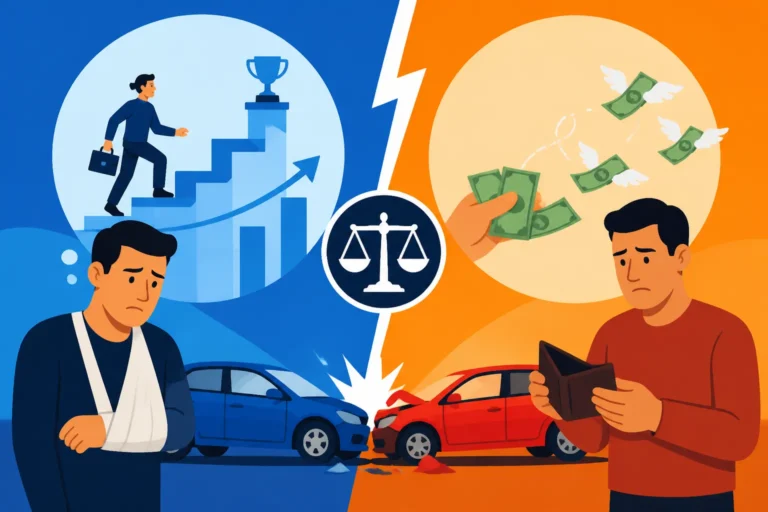
Even seemingly minor injuries can accumulate substantial medical bills. Physical therapy, chiropractic care, specialist consultations, medications, and diagnostic imaging (like X-rays or MRIs) can add up quickly. If you don't have adequate health insurance or if your policy has a high deductible, these costs can become a significant burden. This financial stress can compound the physical pain and emotional distress you're already experiencing. Knowing how Economic vs Non-Economic Damages in Injury Claims are categorized can help you understand what you might be able to claim.
Impact on Daily Life and Work
Injuries, especially those affecting your neck or back, can severely disrupt your daily routines. Simple tasks like lifting groceries, driving, sitting at a desk, or even sleeping comfortably can become challenging or impossible. This can lead to lost wages if you have to take time off work for appointments or recovery, further adding to your financial worries. For those with physically demanding jobs, the impact can be even more profound, potentially leading to long-term disability or a need for career change. It's not just about the pain; it's about the erosion of your quality of life. Understanding How Lost Wages Are Calculated in a Settlement can be a critical piece of your claim.
The Claims Process and Dealing with Insurance
Navigating the insurance claims process can feel like a full-time job, especially when you're also trying to recover from injuries. You'll need to report the accident, gather all your medical records and bills, and potentially provide a recorded statement to the insurance adjuster. Insurance companies, even your own, are businesses, and their goal is often to minimize payouts. They might question the severity of your injuries or the necessity of your treatment, particularly if there was a delay in seeking medical care.
It's common for adjusters to offer a quick, lowball settlement, hoping you'll accept it before fully understanding the extent of your injuries and future medical needs. Being informed about your rights and having all your documentation in order is vital. For a detailed roadmap on what to do, refer to What to Do After a Car Accident: Step-by-Step (2027). The entire process, from filing to settlement, can take time, sometimes months or even over a year, depending on the complexity of your case and the severity of your injuries. You can find more information about How Long Do You Have to File a Car Accident Claim? to ensure you don't miss important deadlines.
Disclaimer
The information provided in this article is for general informational purposes only and does not constitute legal or medical advice. Every car accident case is unique, and the outcome depends on specific facts and applicable laws. If you have been involved in a car accident, it is strongly recommended that you seek immediate medical attention and consult with a qualified legal professional to discuss your individual circumstances.