Common Injuries From a Uninsured Driver Accident
Being involved in a car accident is harrowing enough, but discovering the other driver is uninsured adds a whole new layer of stress and uncertainty. Suddenly, you're not just worrying about your vehicle and your health; you're grappling with how you're even going to get the medical care you need and pay for it. It's a frustrating, often terrifying situation that leaves many feeling helpless. This comprehensive guide will walk you through the common injuries sustained in accidents involving uninsured drivers and what you need to understand about the recovery and claims process.
The Unique Challenges of an Uninsured Driver Accident
When a car accident occurs, the immediate aftermath is often a whirlwind of emotions and practical concerns. But the specific scenario of being hit by an uninsured driver introduces a distinct set of anxieties that can exacerbate the physical and emotional toll of the crash. It's not just about the pain; it's about the fear of how you'll cover rising medical bills and lost wages when the at-fault party seems unable to contribute.
Understanding Uninsured Motorist (UIM) Coverage
Many drivers assume that if the at-fault driver doesn't have insurance, they're simply out of luck. However, this isn't always the case, thanks to uninsured motorist (UIM) coverage. This is a crucial type of insurance you might already have on your own policy, often bundled with underinsured motorist (UIM) coverage, that steps in when the other driver can't. If you've been hurt by someone without adequate insurance, your own UIM policy can become your lifeline for medical expenses, lost wages, and even pain and suffering. It's truly a safety net that far too many drivers either don't know they have or don't fully understand until it's too late.
In essence, your UIM coverage acts as if it's the other driver's liability policy, covering the damages they would have been responsible for had they been insured. This means that while the at-fault driver's lack of insurance is a huge problem, it doesn't necessarily mean you're left holding the bag for all your injuries and losses. The exact coverage limits and what's included can vary widely by state and individual policy, so it's vital to review your own insurance documents or speak directly with your agent. Knowing these details upfront can significantly reduce the feeling of helplessness and provide a clearer path forward after an accident.
Common Impact Scenarios and Injury Risk
Uninsured driver accidents don't differ physically from any other car accident; the mechanics of the collision are the same. What does often differ is the additional stress and potentially delayed treatment due to initial concerns about how bills will be paid. The types of injuries seen frequently depend on factors like vehicle speed, angle of impact, and whether occupants were properly restrained. For instance, a high-speed rear-end collision on a busy highway like I-5 in Washington State can lead to vastly different injuries than a low-speed fender-bender in a crowded parking lot in Seattle.
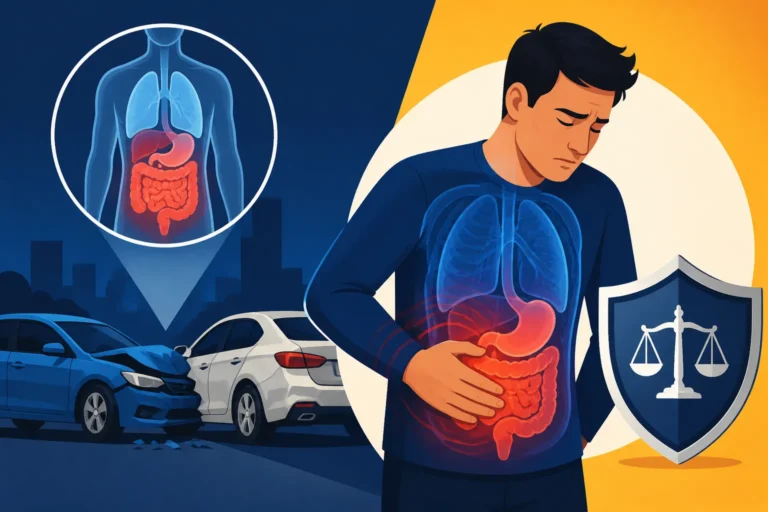
Common impact scenarios include rear-end collisions, T-bone accidents at intersections, and side-swipe incidents. Each type of crash carries its own set of typical injury patterns. In a rear-end collision, for example, the sudden forward and backward motion of the head and neck can lead to severe whiplash. A T-bone crash, where one vehicle impacts the side of another, can cause significant injuries to the occupant on the impacted side, including broken bones and internal organ damage. Understanding these common injury patterns helps you know what to look out for, even if symptoms aren't immediately apparent.
Common Physical Injuries in Uninsured Driver Accidents
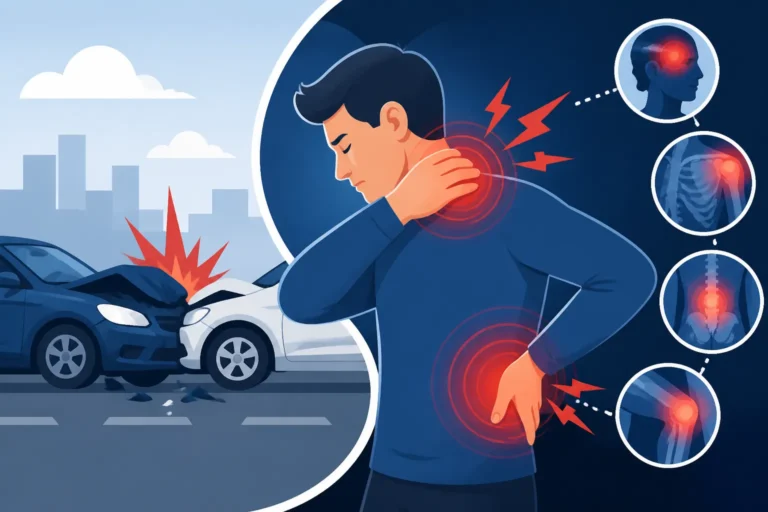
Regardless of the at-fault driver's insurance status, the human body reacts predictably to the forces of a car crash. The injuries you sustain can range from relatively minor aches and pains to severe, life-altering trauma. It's important to remember that even seemingly minor collisions can result in significant injuries, especially when the body is unprepared for impact.
Whiplash and Neck Injuries
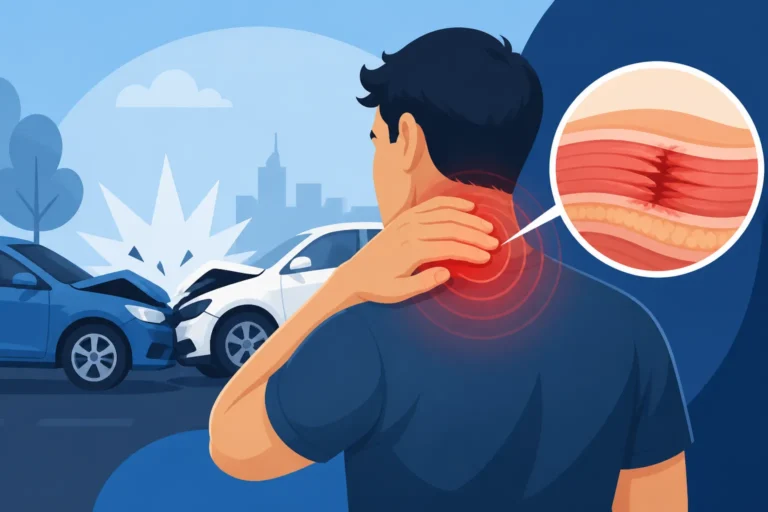
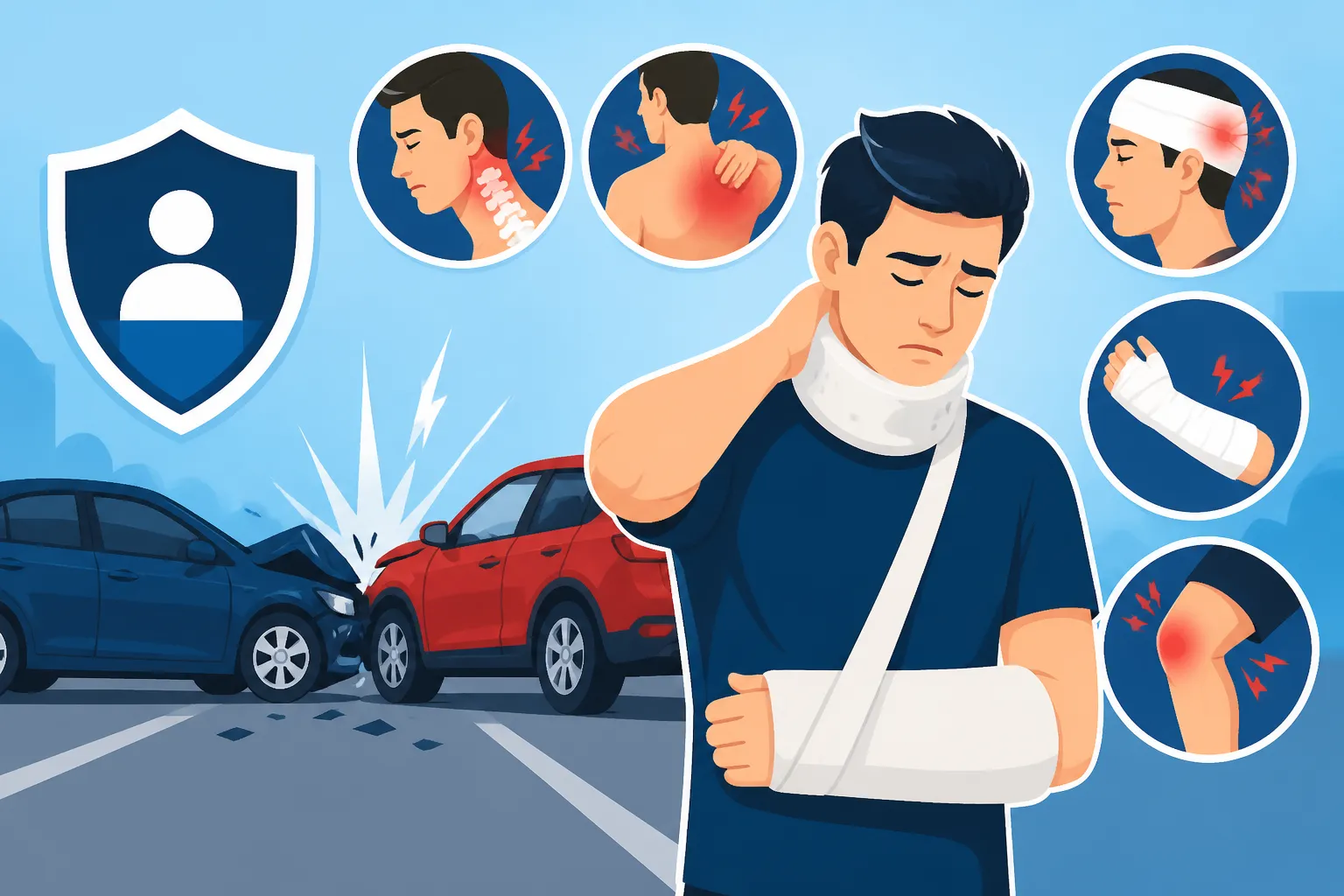
Whiplash is perhaps the most commonly reported injury after a car accident, particularly in rear-end collisions. It occurs when your head is suddenly thrown forward and then backward, straining the soft tissues in your neck. This rapid motion can cause tiny tears in muscles, ligaments, and tendons, leading to pain, stiffness, and reduced range of motion. Many people initially dismiss whiplash symptoms as just a stiff neck, but the reality is that it can develop into a chronic, debilitating condition if not properly treated.
Symptoms of whiplash often don't appear immediately; they can sometimes take hours or even a day or two to fully manifest. This delayed onset can be deceptive, making you think you're fine right after the crash. Common signs include neck pain and stiffness, headaches starting at the base of the skull, dizziness, blurred vision, and even difficulty sleeping. Getting a proper diagnosis from a medical professional is crucial. Ignoring these symptoms, especially when you're already stressed about an uninsured motorist accident, can lead to much longer recovery times and persistent discomfort. You can learn more about What Is Whiplash? Symptoms, Treatment & Claims.
Head and Brain Injuries
Head injuries are among the most serious types of trauma one can sustain in a car accident. Even without a direct blow to the head, the violent shaking and jarring can cause the brain to impact the inside of the skull, leading to concussions or more severe traumatic brain injuries (TBIs). The concern with uninsured driver accidents is that the financial worry might make someone hesitant to seek immediate medical attention, delaying diagnosis and treatment for critical head trauma.
A concussion, a mild form of TBI, can present with symptoms like confusion, memory problems, headaches, nausea, sensitivity to light and sound, and changes in mood or sleep patterns. More severe TBIs can involve loss of consciousness, prolonged confusion, seizures, and significant cognitive impairments that impact daily life. These injuries often require extensive medical evaluation, including MRI or CT scans, and can have long-lasting effects on a person's life, from employment to relationships. It's absolutely critical to seek medical attention if you suspect any head injury, regardless of the other driver's insurance status. For a deeper understanding, check out our guide on Traumatic Brain Injury TBI From a Car Accident.
Back and Spinal Cord Injuries
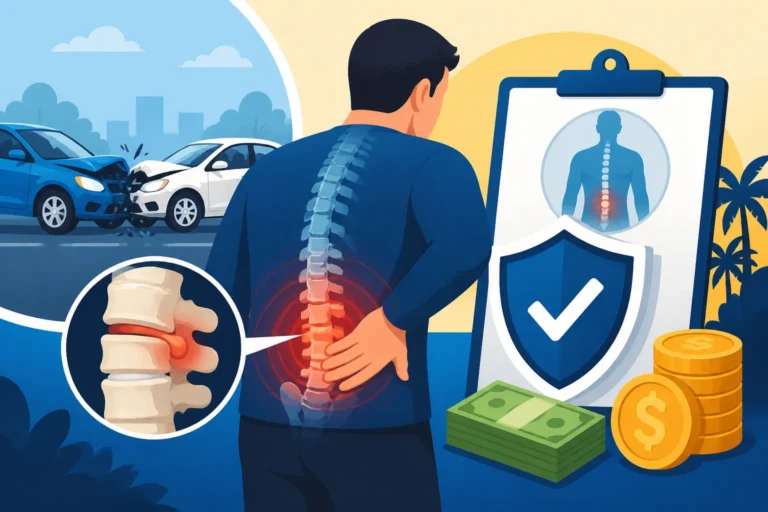
The spine is a complex and delicate structure, and the immense forces involved in a car accident can easily cause significant damage. Injuries to the back and spinal cord can range from muscle strains and sprains to herniated discs, fractured vertebrae, and even devastating spinal cord damage leading to paralysis. The impact of such injuries on a person's life is often profound, affecting mobility, independence, and overall quality of life.
Herniated discs are a common occurrence, where the soft, gel-like center of a spinal disc pushes through a tear in its tougher exterior, often compressing nearby nerves. This can cause radiating pain, numbness, or weakness in the arms or legs. More severe spinal cord injuries can result in partial or complete loss of sensation and movement below the site of the injury. Treatment can involve physical therapy, medication, injections, or even surgery, all of which carry significant costs. Understanding Back and Spinal Injuries From Car Accidents is essential for anyone who has been involved in a collision.
Hidden and Psychological Injuries: Beyond the Visible
It's easy to focus on visible injuries like cuts, bruises, or broken bones, but many of the most impactful consequences of a car accident are not immediately apparent. These hidden injuries, both physical and psychological, can have long-term effects and are often overlooked, especially when the initial focus is on dealing with the logistics of an uninsured driver claim.
Soft Tissue Injuries and Delayed Symptoms
Soft tissue injuries refer to damage to muscles, ligaments, and tendons, which can occur throughout the body. While whiplash is a specific type of soft tissue injury, these can affect shoulders, knees, wrists, and ankles. The tricky part about soft tissue injuries is that they often don't show up on X-rays, making them harder to immediately diagnose. Furthermore, the adrenaline rush following an accident can mask pain, leading to what are known as Delayed Injury Symptoms After a Car Accident. Many accident victims report feeling fine at the scene, only to wake up the next day or even several days later with significant pain and stiffness.
This delay in symptoms can be particularly challenging in an uninsured driver accident scenario. If you don't seek immediate medical attention because you feel fine or because you're worried about costs, it can complicate your ability to prove that your later-appearing symptoms are directly related to the crash. Documenting everything, from the moment of impact to every new ache and pain, becomes critically important. Remember, just because an injury isn't immediately visible doesn't mean it isn't serious or won't have lasting consequences. For insights into compensation, see our guide on Average Settlement for Soft Tissue Injuries.
Emotional Trauma and PTSD
Beyond the physical wounds, car accidents can leave deep emotional scars. The sudden, violent nature of a collision, especially one where you feel a loss of control or fear for your life, can be profoundly traumatic. Many accident victims experience anxiety, fear of driving, sleep disturbances, and a general sense of unease long after their physical injuries have healed. When the at-fault driver is uninsured, the added layer of financial stress and uncertainty can intensify these psychological responses, making recovery even more difficult.
Post-traumatic stress disorder (PTSD) is a real and often debilitating consequence of car accidents. Symptoms can include intrusive thoughts or flashbacks, nightmares, avoidance of driving or specific routes, heightened startle response, and persistent negative emotional states. It's a serious condition that often requires professional psychological support, such as therapy and sometimes medication. Recognizing these emotional impacts and seeking help is just as important as treating physical injuries. Your mental well-being is paramount, and these non-economic damages should be considered in any injury claim.
The Long-Term Ramifications of Uninsured Driver Accident Injuries
Recovering from car accident injuries is rarely a quick process. For many, the consequences extend far beyond the initial treatment phase, affecting their daily lives, work, and financial stability for months or even years. This is especially true when dealing with the complexities of an uninsured driver accident, where securing compensation can be a more involved process.
Chronic Pain and Ongoing Medical Needs
One of the most insidious long-term effects of car accident injuries is the development of chronic pain. What starts as acute pain from a whiplash injury or a herniated disc can, for some individuals, persist for months or even years, becoming a constant companion. This isn't just a minor annoyance; chronic pain can severely impact quality of life, leading to difficulty sleeping, reduced mobility, and an inability to perform daily activities or work. Managing chronic pain often requires ongoing medical treatment, including physical therapy, chiropractic care, pain management specialists, and medication.
The financial burden of these ongoing medical needs can be overwhelming. Imagine needing regular physiotherapy sessions for a year or more, or medication to manage nerve pain, all while trying to recover from an accident where the at-fault driver had no insurance. This is where your own uninsured motorist coverage becomes absolutely critical, helping to cover these substantial and often unforeseen expenses. Proving the need for future medical care and quantifying its cost is a complex aspect of an injury claim, but it's essential for long-term well-being.
Lost Wages and Earning Capacity
Beyond the direct medical costs, car accident injuries can also have a devastating impact on your ability to work and earn a living. If your injuries are severe enough to prevent you from returning to your job, even temporarily, the loss of income can quickly lead to financial hardship. This is particularly stressful in an uninsured driver accident where there isn't an easily identifiable third-party insurer to turn to for immediate relief. You might be struggling to put food on the table while simultaneously dealing with intense pain and medical appointments.
Even if you can eventually return to work, your injuries might have reduced your earning capacity. Perhaps you can no longer perform the physical tasks required of your previous job, or you might have to take a lower-paying position due to ongoing limitations. This loss of future income is a significant damage that needs to be accounted for in any personal injury claim. Documenting your work history, pay stubs, and any medical advice regarding your ability to work is vital. Your UIM policy, if you have one, should cover these lost wages and diminished earning capacity, aiming to put you back in the financial position you would have been in had the accident not occurred.
Emotional and Financial Strain on Families
The ripple effects of an uninsured driver accident and the resulting injuries extend beyond the individual directly involved. Families often bear a significant portion of the emotional and financial strain. A spouse might have to take time off work to care for an injured partner, children might see their routines disrupted, and everyone can feel the stress of mounting bills and uncertain futures. The constant worry about how to pay for medical treatment, manage household expenses, and navigate the complexities of an insurance claim against an uninsured driver can create immense pressure.
This collective burden is a real and valid aspect of the overall suffering caused by such an accident. While less tangible than a hospital bill, the impact on family life, relationships, and mental health can be profound. In some injury claims, these indirect damages, often categorized under Economic vs Non-Economic Damages Explained, can be considered, highlighting the full scope of harm caused by the negligent, uninsured driver. It's a reminder that a car accident, especially one with these complications, is rarely just about the two vehicles involved.
Documenting and Proving Your Injuries
In any car accident claim, thorough documentation is your best friend. This is amplified in an uninsured motorist accident claim, where you'll be dealing with your own insurance company for compensation, and they will need clear, undeniable evidence of your injuries and losses. Without solid proof, even the most legitimate injuries can be difficult to get compensated for.
Immediate Medical Attention and Ongoing Treatment
The absolute first step after any car accident, even if you feel fine, is to seek immediate medical attention. This isn't just about your health; it's about establishing a clear, unbroken chain of evidence linking your injuries directly to the accident. A delay in seeking medical care can be used by an insurance company to argue that your injuries weren't severe or weren't caused by the crash. Think of it as creating a timestamped record of your physical condition right after the incident. Your doctor can assess you for immediate concerns, including those less obvious injuries like concussions or internal bleeding. Our article on Why You Should See a Doctor After a Car Accident offers more guidance.
Beyond the initial visit, consistently follow through with all recommended medical treatments, therapies, and specialist appointments. Keep a detailed record of every visit, every diagnosis, every prescription, and every piece of advice from your healthcare providers. This ongoing documentation builds a robust medical history that proves the extent of your injuries, the necessity of your treatments, and your commitment to recovery. Medical records, physical therapy notes, and bills are the bedrock of How to Prove Injuries in a Car Accident Claim.
Collecting Evidence and Keeping Records
To effectively pursue a claim for your injuries after an uninsured driver accident, you need to be a meticulous record-keeper. This means more than just medical bills. You should collect every piece of evidence related to the accident and your subsequent injuries. Start with the basics: photos and videos of the accident scene, vehicle damage, and any visible injuries you or your passengers sustained. Get contact information from witnesses, if possible, and obtain a copy of the police report. While a police report doesn't always determine fault, it provides an official account of the incident.
Then, expand your documentation to include anything related to your recovery and losses. This encompasses medical records, pharmacy receipts, therapy schedules, and receipts for any medical devices or assistive aids you needed. Also, keep track of all communication with insurance companies, including dates, times, names of representatives, and summaries of conversations. If you miss work, keep records of your lost wages, sick days used, and any changes to your employment status. The more comprehensive your records, the stronger your argument for fair compensation when you initiate the process of How to File a Car Accident Insurance Claim with your own UIM provider.
Navigating the Uninsured Motorist Claim Process for Injuries
Dealing with injuries is tough enough, but when the at-fault driver is uninsured, the claims process can feel like an even more daunting maze. It’s a common frustration, but understanding how your own UIM coverage works is key to getting the medical attention and financial compensation you need.
Understanding Your UIM Policy and Coverage Limits
The very first thing you need to do is thoroughly understand your own uninsured motorist (UIM) policy. This is not the time for guesswork; you need to know exactly what your coverage entails. Look at your policy declaration page or call your insurance agent to clarify your UIM bodily injury limits. These limits represent the maximum amount your insurance company will pay out for your medical expenses, lost wages, and pain and suffering when the at-fault driver has no insurance. For example, if your policy states $100,000/$300,000 UIM bodily injury coverage, it means your insurer will pay up to $100,000 for injuries to one person and a total of $300,000 for all injured parties in the accident.
It's also crucial to understand any deductibles or specific procedures your insurer requires for UIM claims. Some policies might have different rules than standard liability claims. For instance, you might need to prove the other driver was indeed uninsured (which often involves your insurer investigating their status) and that they were at fault for the accident. Having a clear picture of these details will empower you to navigate the process more effectively and avoid unpleasant surprises down the line. Remember, even in a no-fault state, UIM coverage can be critical for serious injuries that exceed basic personal injury protection (PIP) limits.
How Fault Impacts Your UIM Injury Claim
Even though you're filing a claim with your own insurance company through your UIM coverage, the concept of fault remains incredibly important. Your insurance company will still need to determine that the uninsured driver was primarily responsible for the accident and your resulting injuries. They step into the shoes of the uninsured driver's hypothetical insurance company, and therefore, they need to establish liability, just like any third-party claim. If there's any dispute about who is at fault in a car accident, it can significantly complicate your UIM claim.
States operate under different fault rules, such as pure comparative negligence or modified comparative negligence. If you are found to be partially at fault for the accident, even in an uninsured motorist scenario, your recoverable damages from your UIM policy could be reduced by your percentage of fault. For example, if your total damages are $50,000, but you're deemed 20% at fault, your UIM payout might be reduced to $40,000. This is why gathering strong evidence to prove the other driver's fault, such as police reports and witness statements, is vital. This helps your own insurer confidently process your claim without undue reductions.
Calculating Damages and Settlement Expectations
When pursuing a UIM injury claim, you'll be seeking compensation for all the damages you've incurred due to the accident. This includes economic damages, which are quantifiable financial losses like medical bills (past and future), lost wages (past and future), and property damage. It also includes non-economic damages, which are harder to quantify but no less real, such as pain and suffering, emotional distress, and loss of enjoyment of life. Understanding how these are calculated is key to knowing How Much Is My Car Accident Settlement Worth?.
Your insurance company, acting as the uninsured driver's insurer, will evaluate these damages. This is often where disputes arise, as insurers typically aim to minimize payouts. They might scrutinize your medical records, question the necessity of certain treatments, or offer a low initial settlement amount. Being prepared with comprehensive documentation of all your losses and understanding how Pain and Suffering: How It's Calculated can help you negotiate effectively. While it's your own insurer, their interests are still to pay out as little as possible. Therefore, be ready to present a strong case for every dollar you claim.
| Injury Type | Common Symptoms | Typical Recovery Time (Approx.) | Potential Long-Term Complications |
|---|---|---|---|
| Whiplash/Neck Strain | Neck pain, stiffness, headaches, dizziness | Weeks to Months (minor) | Chronic pain, limited range of motion |
| Concussion | Headache, confusion, nausea, sensitivity to light/sound | Days to Weeks (mild) | Post-concussion syndrome, cognitive issues |
| Herniated Disc | Radiating pain, numbness, weakness (back/neck to limbs) | Months (conservative treatment) | Persistent pain, nerve damage, surgery |
| Fractured Bones | Severe pain, swelling, deformity, inability to use limb | 6-12 Weeks (healing), Months (rehab) | Arthritis, chronic pain, mobility issues |
| Soft Tissue Injuries | Muscle pain, sprains, stiffness (shoulders, knees) | Weeks to Months | Chronic pain, instability, reduced function |
| PTSD/Emotional Trauma | Anxiety, flashbacks, sleep disturbance, depression | Months to Years (with therapy) | Chronic anxiety, impaired daily function |
Final Thoughts: Seeking Professional Guidance
Dealing with the aftermath of any car accident is incredibly stressful, but discovering the at-fault driver is uninsured adds a significant layer of anxiety and complexity. You're not just recovering from physical and emotional trauma; you're also wrestling with how to get your medical bills paid and secure compensation for your lost income and suffering. It's a heavy burden, and you don't have to carry it alone.
Navigating the intricacies of uninsured motorist claims, proving the other driver's fault, documenting all your injuries, and negotiating with your own insurance company can be a challenging process. Sometimes, seeking legal advice can be a game-changer. An experienced car accident attorney can help you understand your rights, ensure all your damages are properly accounted for, and deal with the insurance company on your behalf, giving you peace of mind to focus on what truly matters: your recovery. They can also help explain How Long Does a Car Accident Settlement Take? and manage your expectations throughout the process.
Disclaimer
Please remember that this article provides general information and insights into common car accident injuries and the uninsured motorist claim process. It is not intended as legal advice. Every accident and injury claim is unique. You should always consult with a qualified legal professional and medical doctor to discuss your specific situation, injuries, and legal options.