Common Injuries From a Rideshare Accident
Getting into a car accident is jarring enough, but when it happens in a rideshare vehicle like an Uber or Lyft, it adds a whole new layer of complexity and stress. You might be left wondering not only about the immediate impact but also about the types of injuries commonly sustained and what steps you should take. This guide will walk you through the most frequent injuries people experience in rideshare accidents, from visible trauma to less obvious but equally debilitating conditions, helping you understand what to look for and how to protect your health and your claim.
Understanding the Nuances of Rideshare Accidents and Injury Risks
Rideshare accidents aren't quite the same as a typical fender-bender between two private vehicles. The involvement of a commercial entity like Uber or Lyft introduces different insurance policies, potential legal complexities, and sometimes, a heightened sense of urgency and confusion for passengers. As a passenger, you're often caught completely off guard, not having the same control or awareness as a driver, which can influence how injuries occur and their severity.
Unique Passenger Vulnerabilities
When you're a passenger in a rideshare, your focus is usually elsewhere – perhaps on your phone, enjoying the scenery, or simply relaxing. You're not braced for impact in the same way a driver might be. This lack of awareness can lead to your body being completely relaxed at the moment of impact, increasing the risk of certain injuries, especially those involving sudden jolts or impacts against the vehicle's interior. Imagine reading a book, head down, and then suddenly being thrown forward. This surprise element can exacerbate the physical trauma, making even seemingly minor collisions more impactful on your body. Furthermore, passengers often don't have access to the same safety features or positioning as drivers, sometimes sitting in less protected rear seats or less common seating configurations.
The Role of Impact Dynamics in Rideshare Crashes
The way a rideshare accident unfolds significantly influences the types of injuries sustained. For instance, a head-on collision will likely result in different injury patterns than a T-bone accident or a rear-end crash. In a rideshare, you could be a passenger in either vehicle involved, or even a pedestrian hit by a rideshare driver. If you're in the back seat and the car is rear-ended, your body might experience whiplash and seatbelt injuries, while a side-impact collision could lead to more direct trauma to your torso or limbs against the door or window. The force of impact, combined with your body's position and the sudden deceleration or acceleration, dictates which parts of your body bear the brunt of the collision. It's not uncommon for passengers to experience multiple types of injuries due to the complex forces at play, often feeling like their body was twisted and thrown in several directions at once. Understanding these dynamics is crucial for grasping why certain injuries are so common.
Common Physical Injuries Sustained in Rideshare Accidents
When a rideshare vehicle crashes, the forces involved can inflict a wide array of physical injuries, from relatively minor bumps and bruises to severe, life-altering conditions. Many of these injuries might not be immediately apparent, which is why it's always critical to seek medical attention, even if you feel okay at first. People often mistakenly assume a low-speed impact means no serious harm, but the human body isn't designed for sudden, violent movements, regardless of how fast the cars were going. For more on this, you might find our guide on Common Car Accident Injuries: Complete Guide (2027) helpful.
Head, Brain, and Facial Injuries
Head injuries are among the most serious consequences of rideshare accidents, often occurring when a passenger's head strikes the window, headrest, or even the ceiling of the vehicle. These impacts can range from superficial cuts and bruises to severe brain trauma.
Concussions and Traumatic Brain Injuries (TBI)
A concussion, a mild form of Traumatic Brain Injury (TBI), occurs when the brain is violently shaken or jostled inside the skull. Symptoms might include headaches, dizziness, confusion, memory problems, sensitivity to light or sound, and even personality changes. What makes concussions particularly insidious is that their symptoms can be delayed, sometimes appearing hours or even days after the accident. You might feel fine at the scene, only for a splitting headache and disorientation to set in later, leaving you wondering what hit you. More severe TBIs can involve loss of consciousness, prolonged cognitive impairment, and require extensive medical intervention, potentially impacting a person's life long-term. Recognizing Concussion Symptoms After a Car Accident is vital for timely diagnosis and treatment.
Facial Trauma
Facial injuries are also common, particularly in impacts where airbags deploy or a passenger is thrown forward. These can include lacerations (cuts), abrasions (scrapes), broken noses, orbital bone fractures (around the eye), and jaw fractures. Beyond the immediate pain and disfigurement, facial injuries can lead to complications such as nerve damage, impaired vision, dental problems, and permanent scarring. The emotional toll of facial trauma can be profound, impacting self-esteem and social interactions long after the physical wounds have healed. Reconstructive surgery is often necessary, adding to the medical expenses and recovery time.
Neck and Back Injuries
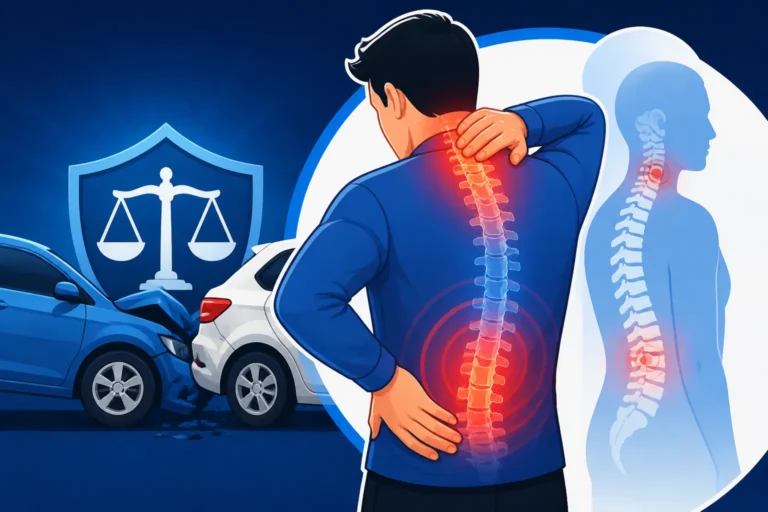
The sudden, violent motion of a car crash puts immense strain on the delicate structures of the neck and spine, making these areas highly susceptible to injury. These are frequently reported by passengers in rideshare accidents, irrespective of their seating position.
Whiplash
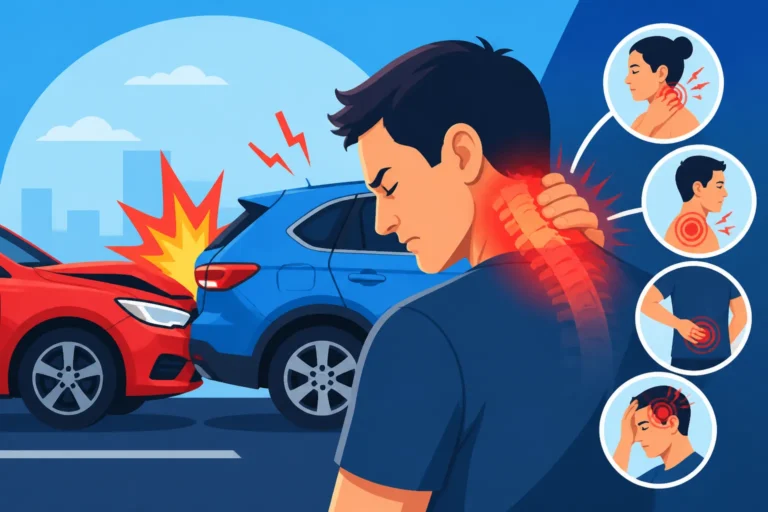
Whiplash is perhaps the most well-known neck injury associated with car accidents, especially rear-end collisions. It occurs when the head is suddenly jerked backward and then forward, straining the muscles, ligaments, and discs in the neck. Symptoms often include neck pain and stiffness, headaches starting at the base of the skull, dizziness, blurred vision, and even pain that radiates into the shoulders and arms. Like concussions, whiplash symptoms can have a delayed onset, sometimes not appearing until days after the incident. People often try to "tough it out" initially, only for the pain to become debilitating. Understanding What Is Whiplash? Symptoms, Treatment & Claims can help you navigate this common injury.
Herniated Discs and Spinal Injuries
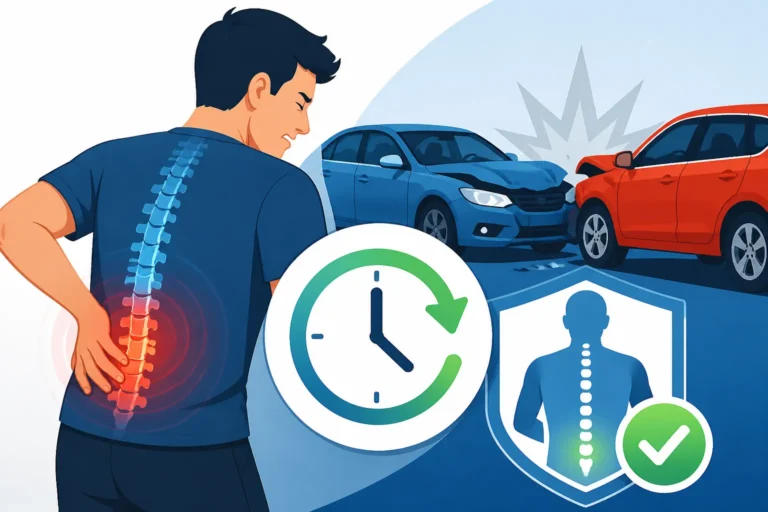
More severe impacts can lead to herniated discs in the cervical (neck) or lumbar (lower back) spine. A herniated disc occurs when the soft, jelly-like center of a spinal disc pushes through a tear in its tougher exterior, potentially compressing nearby nerves. This can cause excruciating pain, numbness, tingling, and weakness in the limbs, often radiating down an arm or leg. Spinal cord injuries, though less common, are catastrophic, potentially leading to paralysis or significant neurological impairment. The impact of such injuries on a person's mobility, work, and quality of life is immense. For those suffering from persistent back issues, our article on Herniated Disc From a Car Accident provides in-depth information.
Soft Tissue Injuries
Soft tissue injuries are incredibly common in all types of car accidents, including those involving rideshare vehicles. These injuries affect muscles, ligaments, and tendons, rather than bones.
Sprains, Strains, and Bruises
A sprain is an injury to a ligament (which connects bones), while a strain is an injury to a muscle or tendon (which connects muscle to bone). Both can cause pain, swelling, bruising, and limited mobility. For instance, a sudden twist of the body might result in a back strain, or a foot might be sprained if it's jammed during impact. Bruises, or contusions, occur when small blood vessels under the skin break, leading to discoloration and tenderness. While often considered minor, severe sprains and strains can be debilitating, requiring significant recovery time and physical therapy, hindering daily activities and work.
Shoulder and Knee Injuries
Beyond sprains and strains, more specific soft tissue injuries can affect the shoulders and knees. Seatbelt restraints, while life-saving, can sometimes cause internal bruising or tears in the shoulder area, such as a torn rotator cuff. The knees can strike the dashboard or front seat upon impact, leading to injuries like a torn meniscus, ACL tears, or patellar fractures. These types of injuries often require extensive treatment, including surgery and long-term rehabilitation, impacting one's ability to walk, stand, and use their arms effectively.
Broken Bones and Fractures
The sheer force of a car accident can easily lead to broken bones. These are often immediately obvious but can sometimes be overlooked if other more dramatic injuries are present or if the fracture is hairline.
Limbs and Ribs
Broken bones in the arms, legs, hands, and feet are common, often resulting from direct impact or from bracing for the crash. For example, a driver or front-seat passenger might instinctively brace their hands on the dashboard, leading to wrist or arm fractures. Rib fractures can occur from the force of impact against the seatbelt or steering wheel, leading to severe pain with breathing and movement. While a broken bone can heal, the recovery process can be lengthy, often involving casts, surgeries, and physical therapy, disrupting work and personal life significantly.
Pelvis and Hip Fractures
Less common but often more severe are fractures to the pelvis or hips. These injuries typically result from high-impact collisions where the body is forcefully compressed or twisted. Pelvic and hip fractures are incredibly painful, require extensive medical treatment, often including surgery, and can lead to long-term mobility issues, chronic pain, and a lengthy rehabilitation period. The impact on one's independence and daily routine can be profound.
Internal Injuries
Sometimes, the most dangerous injuries are the ones you can't see. Internal injuries can be life-threatening and require immediate medical attention.
Organ Damage and Internal Bleeding
The violent forces of a collision can cause blunt force trauma to internal organs. This can lead to conditions like a ruptured spleen, liver lacerations, or kidney damage. Internal bleeding is a particularly insidious risk, as it may not present with immediate external symptoms but can quickly lead to shock and be fatal if not detected and treated promptly. Passengers should always be alert for signs such as abdominal pain, swelling, lightheadedness, or unexplained fatigue after an accident.
The Invisible Wounds: Psychological and Emotional Impact
Beyond the cuts, bruises, and broken bones, rideshare accidents can leave deep, lasting scars on a person's mental and emotional well-being. These "invisible" injuries are just as real and can be just as debilitating as physical trauma, sometimes even more so, lingering long after the physical wounds have healed. It's crucial not to dismiss these psychological impacts as mere stress or overreaction, but to recognize them as legitimate consequences of a traumatic event. Our guide on PTSD and Emotional Distress After a Car Accident explores these effects in more detail.
Post-Traumatic Stress Disorder (PTSD)
Car accidents, especially those involving significant impact or injury, can be deeply traumatic events. For many, the experience can lead to Post-Traumatic Stress Disorder (PTSD). This isn't just about feeling a bit shaken; PTSD manifests as persistent intrusive thoughts, flashbacks to the accident, nightmares, and severe anxiety related to driving or even being a passenger in a car. Individuals might find themselves avoiding roads where the accident occurred, or experiencing panic attacks when getting into a vehicle. The constant state of hyper-vigilance can severely disrupt sleep, concentration, and overall quality of life, making it hard to return to normalcy.
Anxiety, Depression, and Phobias
Following a rideshare accident, it's common for victims to develop generalized anxiety, depression, or specific phobias. The feeling of vulnerability and loss of control experienced during the crash can lead to a heightened sense of fear in everyday situations. This might manifest as agoraphobia (fear of open spaces or crowds), or a specific phobia of driving or being a passenger, known as vehophobia. Depression can set in due to the physical pain, the disruption of life, financial stress from medical bills and lost wages, and the sheer emotional weight of the trauma. These conditions can isolate individuals, making it difficult to maintain relationships, perform at work, or engage in hobbies they once enjoyed. Coping with this mental health fallout often requires professional therapy and support.
Sleep Disturbances and Chronic Stress
The emotional and physical aftermath of an accident often leads to significant sleep disturbances. Nightmares, anxiety, and pain can make it incredibly difficult to fall asleep or stay asleep, leading to chronic fatigue. This lack of restorative sleep further exacerbates other symptoms, impacting cognitive function, mood, and physical healing. Chronic stress, stemming from ongoing pain, legal battles, and the psychological burden of the accident, can also take a severe toll on the body. It can weaken the immune system, contribute to digestive issues, and even worsen existing pain conditions, creating a vicious cycle that delays recovery and prolongs suffering. It's vital to address sleep issues and stress as part of a holistic recovery plan.
Why Every Injury Matters: Documenting and Seeking Care
After a rideshare accident, the steps you take in the immediate aftermath can significantly impact your health outcomes and any potential claims you might make. It's easy to feel overwhelmed, but acting quickly and deliberately is key to protecting yourself. Our guide on What to Do After a Car Accident: Step-by-Step (2027) offers comprehensive advice for the immediate aftermath.
The Critical Importance of Prompt Medical Attention
Even if you don't feel injured right away, seeking medical attention as soon as possible is paramount. Many serious injuries, like concussions, whiplash, or internal bleeding, can have Delayed Injury Symptoms After a Car Accident. What starts as a minor ache could quickly escalate into something much more severe. A medical professional can conduct a thorough examination, identify potential issues, and begin a paper trail of your injuries. This documentation is not only crucial for your health but also becomes invaluable if you need to How to Prove Injuries in a Car Accident Claim. Waiting too long to see a doctor can make it harder to link your injuries directly to the rideshare accident, as insurance companies might argue that your injuries were caused by something else. Remember, your well-being comes first, and a doctor's visit sets the foundation for your recovery. For specific guidance, review our post Why You Should See a Doctor After a Car Accident.
Documenting Your Injuries and Treatment Journey
Detailed documentation is your best friend when dealing with the aftermath of a rideshare accident. Keep meticulous records of every doctor's visit, specialist consultation, physical therapy session, medication prescribed, and any diagnostic tests performed (X-rays, MRIs, CT scans). Request copies of all medical reports, bills, and receipts. Create a personal journal where you regularly note your pain levels, specific symptoms, how your injuries are affecting your daily life, and any emotional distress you're experiencing. This personal record can powerfully illustrate the impact of your injuries, covering both Economic vs Non-Economic Damages in Injury Claims. Photos of visible injuries, bruising, or the damage to the vehicle can also be powerful evidence. The more thoroughly you document your journey, the stronger your position will be when it comes to understanding How Much Is My Car Accident Settlement Worth? (2026) and navigating the claims process.
The Challenges of Rideshare Claims and the Value of Legal Advice
Navigating a rideshare accident claim can be exceptionally complex due to the multi-layered insurance policies involved. Both the rideshare driver and the rideshare company (like Uber or Lyft) typically have insurance, but which policy applies, and to what extent, often depends on the driver's "status" at the time of the crash (e.g., app off, app on awaiting a ride, or actively on a trip with a passenger). This complexity can be incredibly frustrating for an injured passenger trying to understand their rights and who is responsible for their medical bills and other damages. An attorney experienced in rideshare accidents can help clarify these intricate insurance details, identify all potential sources of compensation, and guide you through the process. For instance, knowing the specifics of Fault in a Rideshare Uber/Lyft Accident is critical to understanding liability.
Here's a quick overview of common injuries and their potential impacts:
| Injury Type | Common Symptoms | Potential Severity | Typical Recovery Time | Long-Term Risks |
|---|---|---|---|---|
| Whiplash | Neck pain, stiffness, headaches, dizziness | Mild to Moderate | Weeks to Months | Chronic pain, limited mobility |
| Concussion | Headache, confusion, memory issues, sensitivity | Mild to Severe | Days to Months | Post-concussion syndrome, cognitive issues |
| Herniated Disc | Radiating pain, numbness, weakness in limbs | Moderate to Severe | Months (often requires surgery) | Chronic pain, nerve damage, surgery |
| Broken Bones | Severe pain, swelling, deformity, inability to use | Moderate to Severe | Weeks to Months | Arthritis, limited range of motion |
| Soft Tissue Injuries | Pain, swelling, bruising, limited movement | Mild to Moderate | Weeks to Months | Chronic pain, instability |
| Internal Bleeding | Abdominal pain, swelling, lightheadedness, shock | Severe (life-threatening) | Varies (often emergency surgery) | Organ damage, long-term health issues |
| PTSD/Anxiety | Flashbacks, nightmares, panic attacks, avoidance | Moderate to Severe | Months to Years (with therapy) | Chronic mental health issues, impaired life |
Understanding these common injuries and their potential ramifications is the first step in advocating for your health and your rights after a rideshare accident. Don't underestimate the impact, visible or invisible, and don't hesitate to seek the professional help you need to recover fully.
Disclaimer
Please remember that this article provides general information and insights into common car accident injuries and the claims process. It is not a substitute for professional legal or medical advice. Every car accident case is unique, and the information presented here may not apply to your specific situation. We strongly recommend consulting with a qualified attorney and medical professional to discuss the details of your individual case.