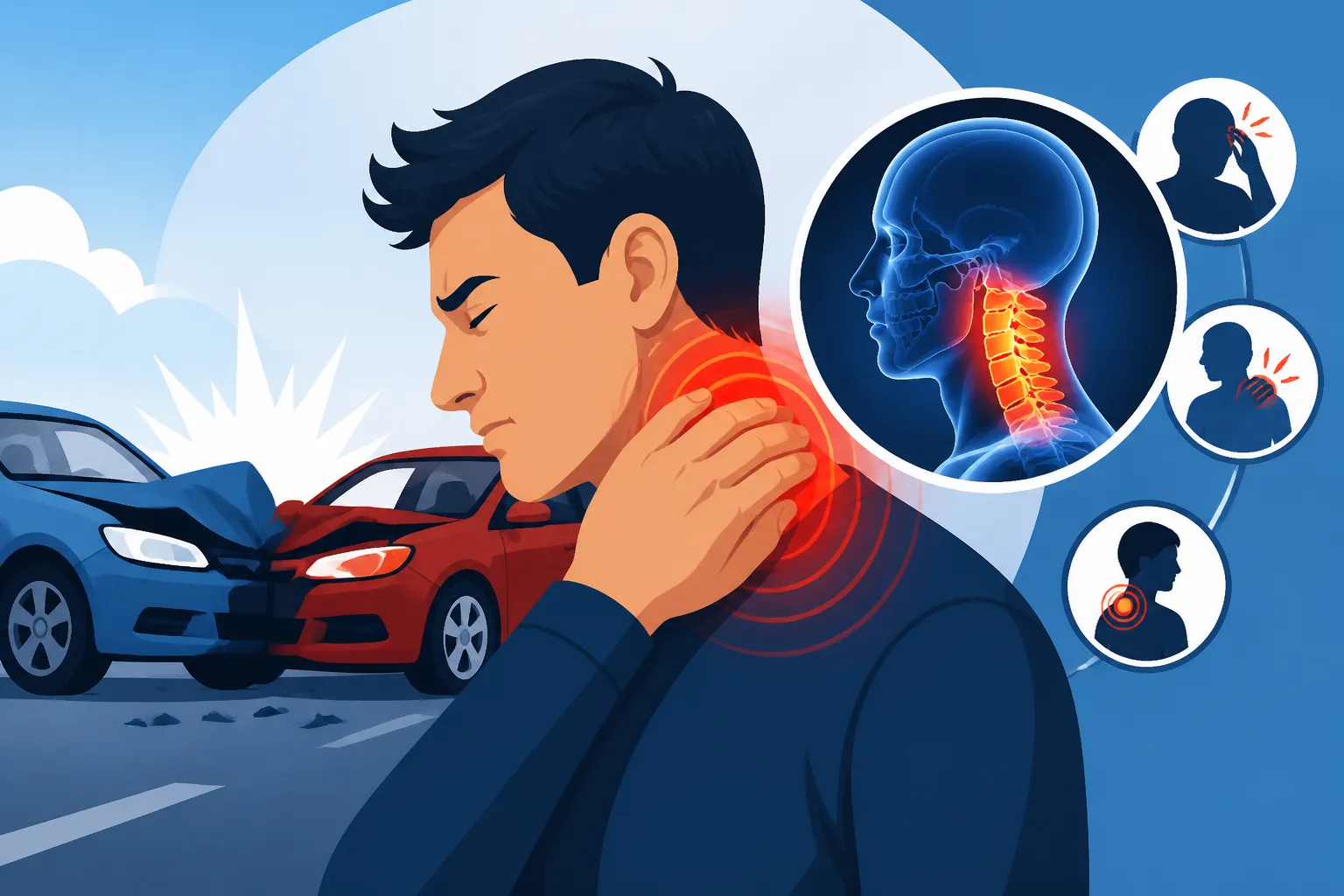
Long-Term Effects of Neck Injury From a Car Accident
Few things are as jarring and disorienting as the sudden impact of a car accident. While you might feel a rush of adrenaline right afterward, often, the real physical repercussions, especially to your neck, don't show up until hours or even days later. What starts as a stiff neck or a nagging ache can, for many people, evolve into chronic, life-altering pain. This guide is here to shed light on those often-overlooked long-term effects of neck injuries from a car accident, helping you understand what you might be facing and how to navigate it.
Understanding Acute Neck Injuries and Their Progression
When you're involved in a car accident, even a seemingly minor fender bender, your body undergoes significant stress. The sudden forces involved can whip your head and neck around in unnatural ways, leading to what we commonly refer to as whiplash. But it's not just whiplash; the delicate structures of your cervical spine – the vertebrae, discs, ligaments, muscles, and nerves – can all be stretched, torn, compressed, or otherwise injured.
The Immediate Aftermath: What You Feel Right Away
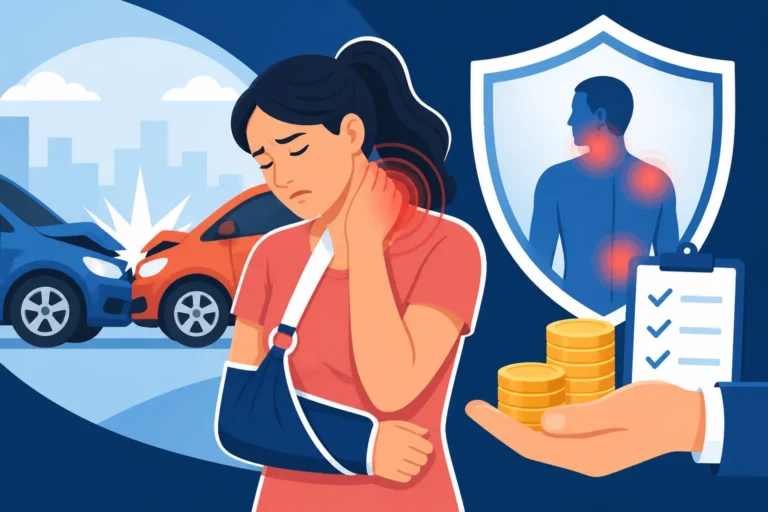
Right after a collision, your body's "fight or flight" response kicks in. Adrenaline surges through your system, which can mask pain and make you feel surprisingly okay, even if you've sustained significant injuries. Many people walk away from an accident feeling a bit shaken but otherwise fine, only to wake up the next morning feeling like they've been hit by a truck. This delay in symptoms is incredibly common with neck injuries. You might notice stiffness, a dull ache, or even a headache starting at the base of your skull. It's crucial not to dismiss these initial symptoms as just part of the shock; they are your body's first signals that something isn't right. It's why Why You Should See a Doctor After a Car Accident is so important, even for seemingly minor incidents. Getting checked out early can make a huge difference in identifying potential long-term issues before they fully manifest.
When "Minor" Pain Lingers: The Transition to Chronic
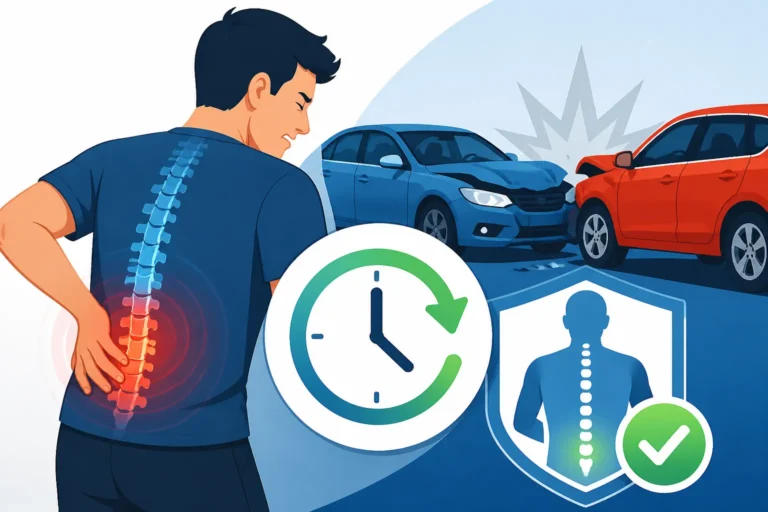
The problem starts when that initial discomfort doesn't fade away within a few days or weeks as expected. For some, what was initially diagnosed as a mild sprain or strain can linger, turning into a persistent, nagging pain that becomes a constant companion. This transition from acute to chronic pain isn't just about the physical discomfort; it begins to impact every aspect of your life. You might find yourself avoiding certain movements, struggling with everyday tasks, or constantly seeking relief. This is where the term "long-term effects" truly begins to apply. If you're experiencing Delayed Injury Symptoms After a Car Accident, it's a clear signal that your body needs continued attention and professional medical evaluation to prevent these issues from becoming permanent.
Common Long-Term Neck Injury Conditions
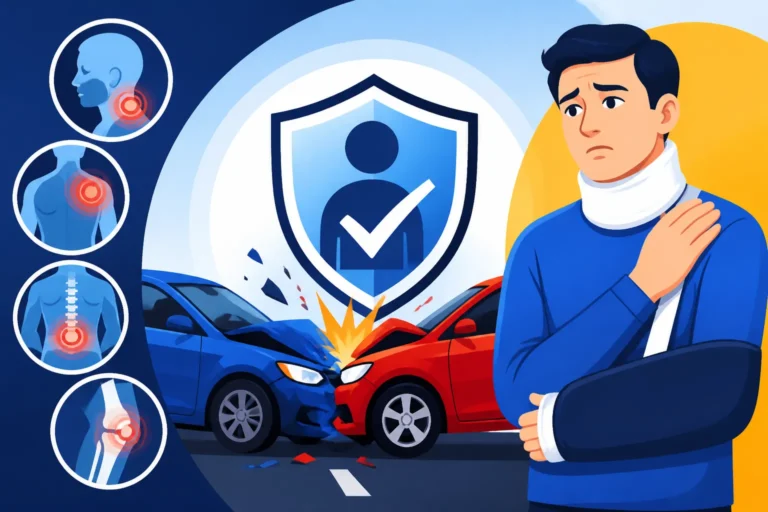
While "whiplash" is a broad term, it can encompass a variety of specific injuries that, if left untreated or inadequately managed, can lead to chronic conditions. These conditions often stem from damage to the soft tissues, bones, or nerves in your cervical spine.
Chronic Whiplash-Associated Disorders (WAD)
Whiplash-associated disorders (WAD) are a spectrum of injuries to the neck, often resulting from the rapid acceleration-deceleration forces of a car accident. While many people recover fully from acute whiplash, a significant percentage — estimates range from 15% to 50% — develop chronic symptoms. This is classified as Chronic Whiplash-Associated Disorder when symptoms persist for more than three to six months. Patients with chronic WAD often experience ongoing neck pain, stiffness, reduced range of motion, headaches, dizziness, and sometimes even cognitive issues like difficulty concentrating or memory problems. Imagine trying to drive, work at a computer, or even just turn your head to talk to someone, and being met with a sharp, persistent pain or a dizzy spell. It significantly reduces quality of life and can make simple tasks feel like monumental challenges.
Herniated and Bulging Discs
Between each vertebra in your spine are soft, jelly-like discs that act as shock absorbers. The immense force of a car accident can cause these discs to bulge or even rupture (herniate). A bulging disc means the outer layer of the disc protrudes beyond its normal boundaries, while a herniated disc involves the inner, jelly-like nucleus pushing through a tear in the outer layer. When these discs bulge or herniate in your neck, they can press on nearby nerves or even the spinal cord itself, leading to significant pain, numbness, tingling, and weakness in your arms, shoulders, or hands. This nerve compression can be incredibly debilitating, affecting everything from holding a coffee cup to typing on a keyboard. Understanding Herniated Disc From a Car Accident is key to recognizing why ongoing issues can develop.
Cervical Radiculopathy and Myelopathy
Building on the concept of nerve compression, cervical radiculopathy occurs when a nerve root in the neck is irritated or pinched, often due to a herniated disc, bone spur, or narrowing of the spinal canal. The symptoms typically radiate from the neck down into the shoulder, arm, hand, or fingers, causing pain, numbness, tingling, and weakness. It's like a constant electrical current running down your limb, making fine motor skills difficult.
Cervical myelopathy, on the other hand, is a more serious condition that results from compression of the spinal cord itself in the neck. This can lead to a wider range of symptoms, including weakness in all four limbs, balance issues, difficulty walking, loss of fine motor skills in the hands, and even bowel or bladder dysfunction. Both conditions require careful diagnosis and often aggressive treatment to prevent permanent nerve damage.
Facet Joint Syndrome
The facet joints are small joints located at the back of each vertebra that allow for movement and provide stability to the spine. In a car accident, these joints can be injured, leading to inflammation and pain. Facet joint syndrome often causes localized neck pain that worsens with certain movements, like extending or rotating the head. The pain might also refer to the shoulders or upper back. Over time, chronic inflammation and wear and tear on these joints can lead to persistent pain and stiffness, making it hard to move your head freely or comfortably.
Post-Traumatic Osteoarthritis
While osteoarthritis is often associated with aging, a significant trauma like a car accident can accelerate its development, leading to what's known as post-traumatic osteoarthritis. The impact of the accident can damage the cartilage within the neck's joints or misalign the vertebrae, leading to abnormal wear and tear. Years down the line, this damage can result in the breakdown of cartilage, bone spurs, and chronic pain, stiffness, and reduced mobility in the neck. It means that the seemingly "minor" accident you had a decade ago could be contributing to your current daily aches and limitations.
The Far-Reaching Impact of Chronic Neck Pain
The long-term effects of a neck injury from a car accident extend far beyond just the physical discomfort. They weave their way into every fabric of your daily existence, affecting your ability to work, your relationships, and your overall mental well-being.
Physical Limitations and Daily Life Challenges
Imagine struggling to simply turn your head to check your blind spot while driving, or finding it excruciating to look up at the sky. Chronic neck pain can severely limit your range of motion, making everyday tasks that most people take for granted incredibly difficult, if not impossible. Activities like lifting groceries, reaching for items on a shelf, exercising, or even just getting a comfortable night's sleep become a constant source of pain and frustration. This can lead to a sedentary lifestyle, which in turn can exacerbate other health issues. For someone who was previously active and independent, these limitations can be profoundly impactful, leading to feelings of loss and helplessness. This is a critical aspect when considering How Much Is My Car Accident Settlement Worth? as it highlights the true extent of non-economic damages.
Psychological and Emotional Toll
Living with chronic pain is an immense burden, and it can take a significant toll on your mental and emotional health. The constant discomfort, the inability to participate in beloved hobbies, and the fear of re-injury can lead to anxiety, depression, irritability, and sleep disturbances. You might find yourself withdrawing from social activities, experiencing mood swings, or struggling to maintain focus. The emotional distress can be just as debilitating as the physical pain, creating a vicious cycle where pain worsens mood, and a low mood amplifies the perception of pain. This psychological aspect is often considered as PTSD and Emotional Distress After a Car Accident and is a valid component of your claim.
Financial Burdens and Employment Impact
The long-term effects of a neck injury often come with substantial financial consequences. There are ongoing medical expenses, including doctor's visits, physical therapy, medications, injections, and potentially even surgery. Beyond that, chronic pain can impact your ability to perform your job, leading to reduced hours, job modifications, or even forced career changes. This loss of income, combined with mounting medical bills, can create a significant financial strain on individuals and families. The need for adaptive equipment, changes to your living environment, or even in-home care further adds to these costs. This is where concepts like Lost Earning Capacity vs Lost Wages become crucial when pursuing a car accident claim.
Managing and Mitigating Long-Term Effects
While the prospect of long-term neck pain can be daunting, there are proactive steps you can take to manage your symptoms, improve your quality of life, and seek appropriate compensation for your injuries.
Early Intervention and Consistent Medical Care
The importance of seeking prompt medical attention after an accident cannot be overstated. Even if you feel fine initially, a thorough examination can identify hidden injuries that might otherwise become chronic. Consistent follow-up care, including regular doctor visits, physical therapy, and imaging studies (X-rays, MRIs), is vital for tracking your progress and adjusting your treatment plan. This diligent approach helps your medical team understand How Medical Records Prove Your Injuries and ensures that the progression of your condition is well-documented. Don't be afraid to seek second opinions if you feel your symptoms are not being adequately addressed. Early and consistent care can often prevent acute injuries from developing into debilitating chronic conditions.
Rehabilitation and Lifestyle Adjustments
Rehabilitation is a cornerstone of managing long-term neck pain. Physical therapy, chiropractic care, and occupational therapy can help restore range of motion, strengthen supporting muscles, and improve posture. Your therapist might introduce exercises, stretches, massage techniques, or modalities like heat, ice, or electrical stimulation. Beyond formal therapy, making lifestyle adjustments can play a significant role. This might include ergonomic changes at work or home, using supportive pillows, incorporating gentle exercise like swimming or yoga, and practicing stress-reduction techniques. Understanding your body's limits and actively participating in your own recovery are key. For instance, Whiplash Treatment and Recovery often involves a tailored approach combining several of these elements.
Understanding Your Legal Options
When dealing with a significant neck injury from a car accident, navigating the insurance claims process can be overwhelming, especially when you're in pain and facing an uncertain future. If you're experiencing long-term effects, it's often wise to consult with a car accident lawyer. An attorney can help you understand your rights, gather necessary medical evidence, and negotiate with insurance companies on your behalf. They can ensure that all aspects of your damages, including future medical expenses, lost wages, and pain and suffering, are properly calculated and pursued. This is particularly important because How Car Accident Settlements Are Calculated takes into account these long-term impacts. They can also help you understand the Statute of Limitations for Car Accidents by State, ensuring your claim is filed within the legal timeframe. Don't feel pressured to accept a quick settlement, especially if your long-term prognosis is still unclear; sometimes, Should You Accept the First Settlement Offer? is not in your best interest.
Common Long-Term Neck Injury Conditions and Symptoms
To help you better understand the potential issues, here's a table summarizing some of the most common long-term neck injuries from car accidents and their characteristic symptoms.
| Condition | Common Symptoms | Key Impact |
|---|---|---|
| Chronic Whiplash-Associated Disorders (WAD) | Persistent neck pain, stiffness, reduced range of motion, chronic headaches, dizziness, fatigue, difficulty concentrating, sleep disturbances. | Significant daily discomfort, limited physical activity, impact on cognitive function. |
| Herniated/Bulging Disc | Neck pain, radiating pain (radiculopathy) into shoulders, arms, hands, or fingers; numbness, tingling, weakness in affected limb; worsened by certain neck movements. | Impaired nerve function, difficulty with grip strength and fine motor skills, chronic limb discomfort. |
| Cervical Radiculopathy | Sharp, shooting pain, numbness, tingling, or weakness that travels down one arm/hand; often originating from a pinched nerve in the neck. | Daily pain, sensory disturbances, functional limitations in the arm/hand. |
| Cervical Myelopathy | Weakness, clumsiness, balance issues, difficulty walking, loss of fine motor skills in hands, numbness/tingling in multiple limbs; can be progressive. | Severe neurological impairment, high risk of falls, significant loss of independence. |
| Facet Joint Syndrome | Localized neck pain, tenderness over facet joints, pain exacerbated by extending or rotating the neck; can refer pain to shoulders/upper back. | Chronic localized pain, limited neck mobility, pain with specific movements. |
| Post-Traumatic Osteoarthritis | Chronic neck stiffness, deep aching pain, grinding sensation with movement, reduced flexibility, occasional sharp pains; symptoms often worsen with activity or cold weather. | Progressive joint degeneration, persistent pain, increasing stiffness and loss of mobility over time. |
It's clear that the aftermath of a car accident can be a long and challenging road, particularly when it involves persistent neck pain. By understanding these potential long-term effects and taking proactive steps to manage your health and legal options, you can better navigate your recovery journey.
Disclaimer
Please remember that this information is intended for educational purposes only and does not constitute legal or medical advice. Always consult with a qualified medical professional for diagnosis and treatment of any injuries, and with an experienced attorney for advice regarding your specific legal situation.